


Vintage Upholstered Piano Bench
These vintage upholstered piano bench examples combine practical seating with period craftsmanship, offering a functional touch of history for any room.
Vintage Upholstered Piano Bench
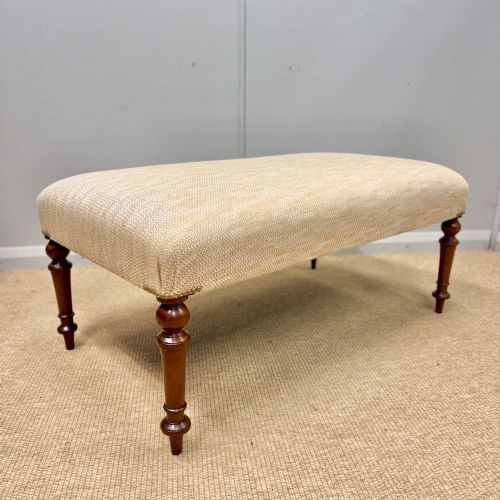
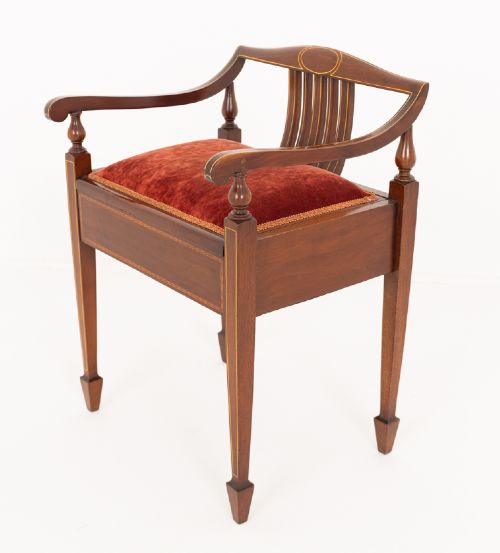
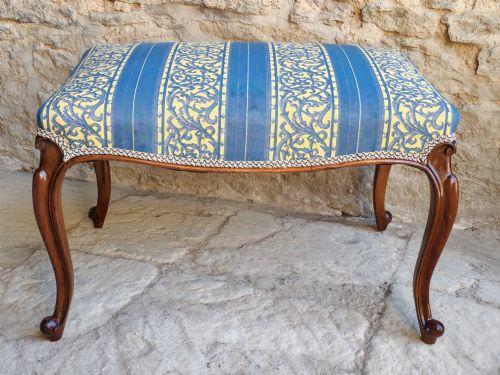
A vintage upholstered piano bench serves as functional seating before an instrument or vanity, frequently appearing in Edwardian and Victorian incarnations. Buyers encounter various timber frames paired with textile, velvet, or leather coverings designed for regular use. These pieces bridge utilitarian seating and decorative furniture.
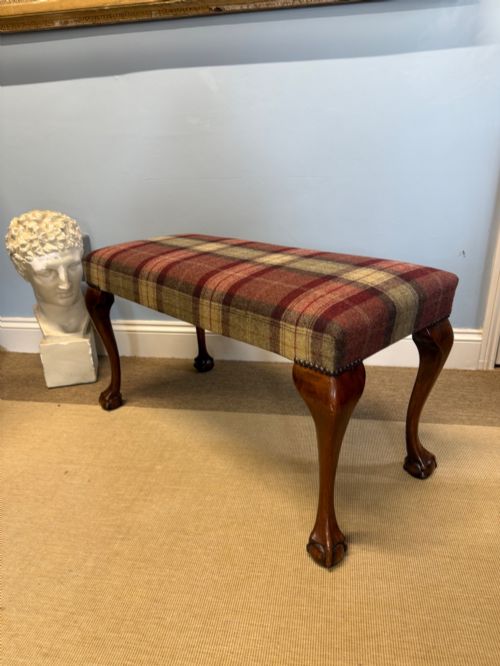
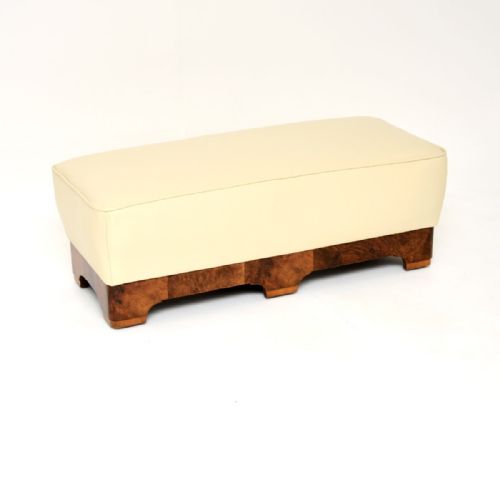
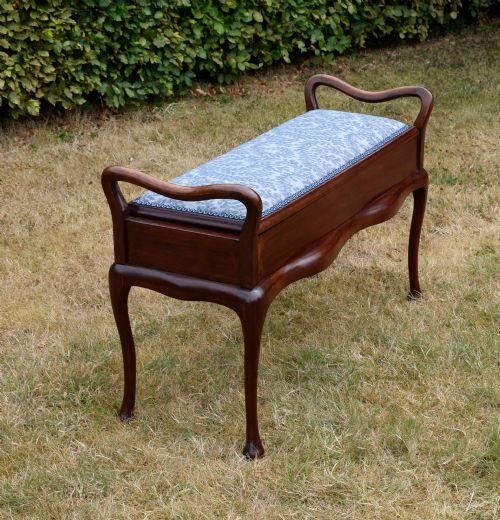
The selections span single-seat formats up to wider duet stools and long benches featuring ball and claw detail. Pieces range from simple mahogany frames to elaborate inlaid or giltwood designs originating across the nineteenth and early twentieth centuries. Edwardian and Art Deco iterations dominate the available selection.
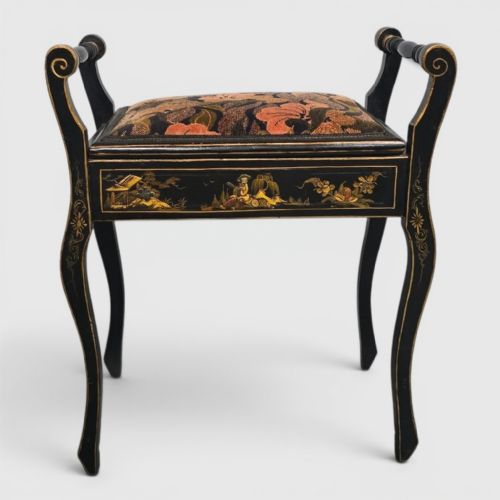
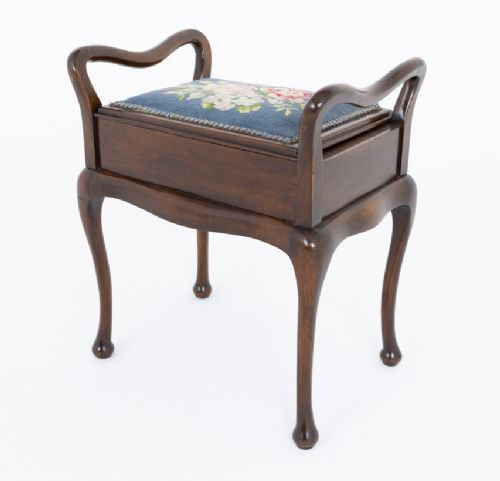
Makers utilised diverse regional styles including Sheraton Revival, Queen Anne, and Chinoiserie aesthetics. Many incorporate hinged seats concealing storage compartments for sheet music or small accessories. The underlying structures utilise sturdy hardwoods such as mahogany and walnut.
Distinctions in quality
Quality rests upon the execution of the timber frame, the integrity of the joinery, and the selection of primary materials like burr walnut or figured mahogany. Superior examples feature refined hand-carved details, such as ball and claw feet or subtle inlay work, rather than plain moulded edges. The weight and durability of the internal storage mechanisms also set finer pieces apart.
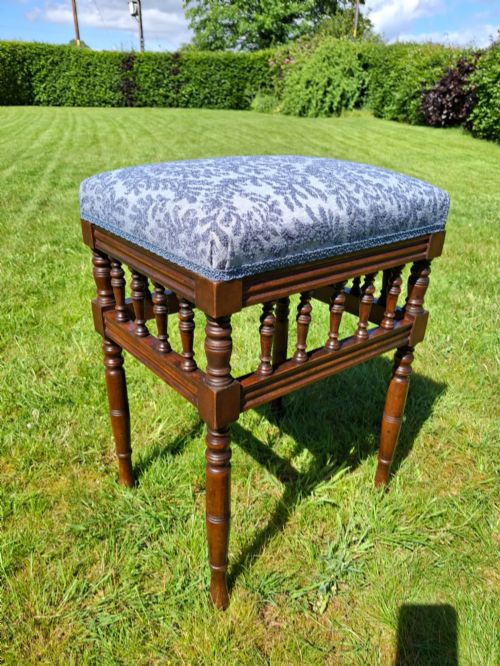
The execution of the upholstery and the choice of covering fabric dictate the overall finish. Pieces retaining original leather or needlepoint sit alongside newly upholstered variations, where the precision of the textile application defines the standard. Solid brass castors and robust structural framing indicate higher workshop standards.
The inventory spans the nineteenth century through the Art Deco era of the 1930s.
Harry and Lou Epstein
The Vintage Upholstered Piano Bench Glossary
- Duet stool
- An extended seating bench designed to accommodate two people side by side. These wider proportions often feature internal storage beneath the hinged seat.
- Cross stretcher
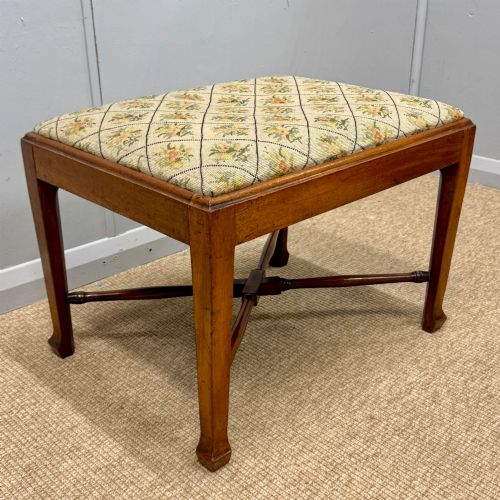
- Wooden bracing components connecting the legs near the base to improve structural stability. They frequently feature central finials or simple turned intersections.
- Fall front
- A hinged vertical panel that drops forward to reveal interior storage space. This mechanism appears on specific Victorian piano stool designs.
- Needlepoint
- Hand-stitched canvas embroidery utilised as a decorative upholstery covering. This textured textile adds traditional colour and pattern to the seat top.
- Giltwood
- Timber treated with gold leaf or metallic gilding to simulate solid gold enrichment. This decorative surface finish appears primarily on ornate Victorian and French-style frames.
Vintage Upholstered Piano Bench: Frequently Asked Questions
What is a duet piano stool?
A duet piano stool is an elongated bench built to seat two musicians simultaneously. They frequently incorporate hinged lids opening to reveal compartments for sheet music.
These wider proportions suit placement at the end of a bed or beside a window as well as before a piano.
How do I identify an Edwardian piano bench?
Edwardian examples typically feature lighter mahogany timbers, occasionally with delicate stringing or inlay work. The overall aesthetic leans towards refined revival styles like Sheraton or simpler classical proportions.
Their construction generally dates from the early twentieth century, reflecting the domestic fashions of that period.
Did all piano stools have storage?
Not all period examples include internal compartments, though many nineteenth and twentieth-century designs incorporated hinged seats for music storage. Simpler footstools and fixed benches relied entirely on open frames.
Those with fall-front panels or lifting tops provided concealed utility while maintaining a neat exterior.
Where should I place a vintage bench?
These benches fit naturally at the foot of a bed, alongside a hallway window, or before a dressing table. Their modest scale allows them to function in narrow spaces where larger seating would obstruct movement.
Pairing them with period furniture helps integrate their historic timber tones into contemporary rooms.