


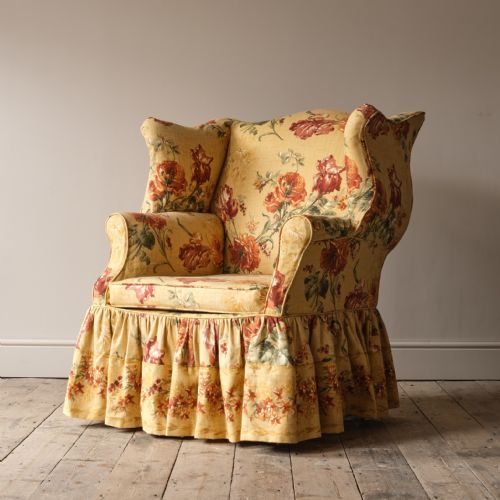
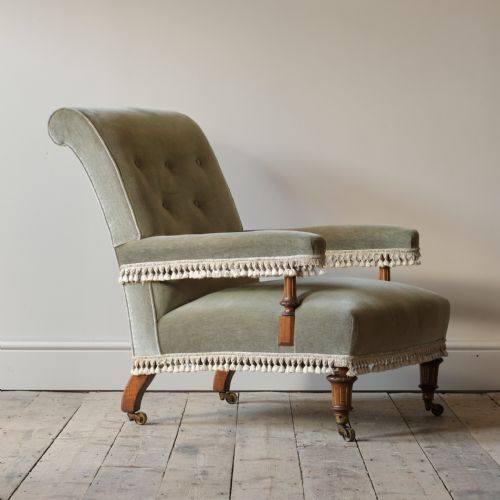
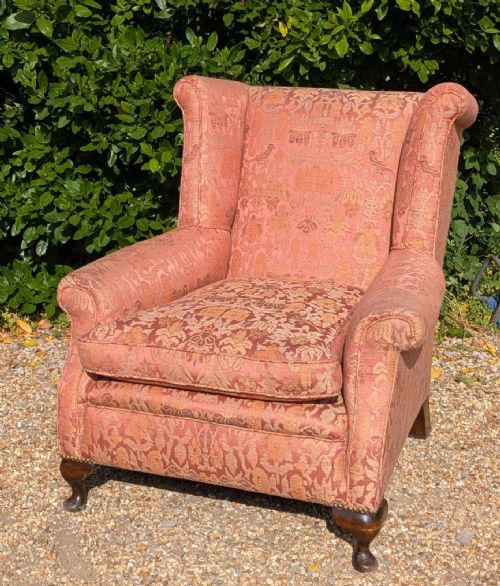
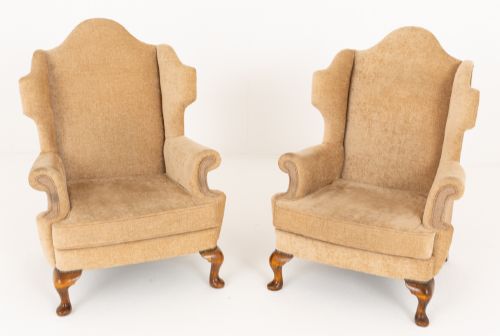
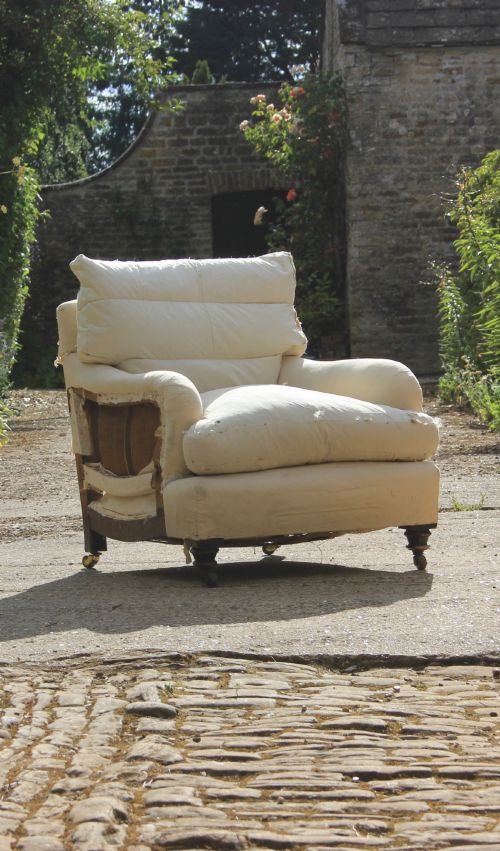
Vintage Upholstered Fireside Chair
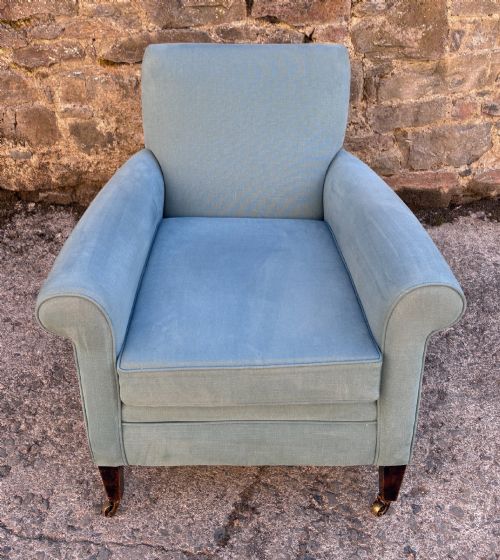
A vintage upholstered fireside chair provides deep seating and traditional comfort, bringing character to a room through period craftsmanship.
How they were made
Frames rely upon traditional timber construction using hardwoods such as mahogany, walnut, oak, and general timber. Joinery methods prioritise structural longevity, often paired with exposed carved wooden elements or brass details.
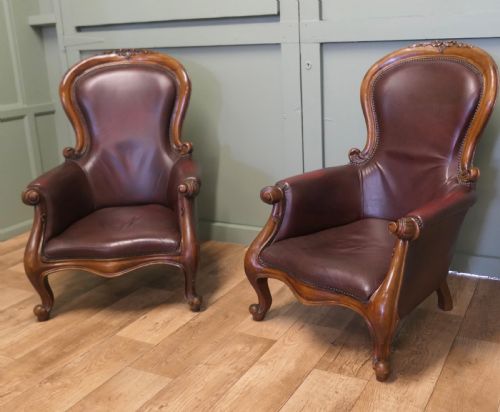
Upholstery techniques involve layered stuffing supported by foundational webbing or springs, finished with fabrics including velvet, leather, and woven textiles. Cushion interiors frequently utilise traditional fillings such as feathers to achieve deep comfort.
What varies in quality
The sophistication of the timber frame carving and the integrity of the underlying joinery dictate the foundational grade of each piece. Superior examples exhibit refined proportions, balanced framing, and high-grade hardwoods such as mahogany and walnut.
The execution and material choice of the upholstery elevate the overall standard, distinguishing standard commercial seating from bespoke pieces. Original details, harmonious fabric selection, and supportive feather-filled cushions further separate standard models from finer examples.
Several armchairs are recorded with feather fillings, ensuring that nineteenth-century relaxation involved a degree of luxury.
Howard and Sons·Gillows·Mellier and Co
The Vintage Upholstered Fireside Chair Glossary
- Wingback
- An armchair featuring protective side panels designed to shield the sitter from draughts. These panels extend from the upholstered backrest down to the armrests.
- Bergère
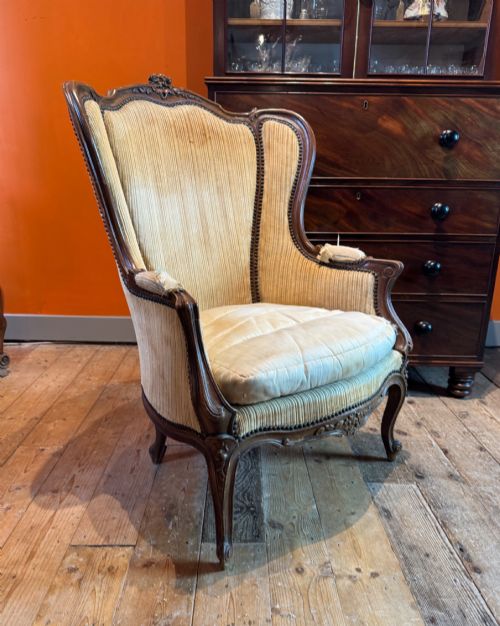
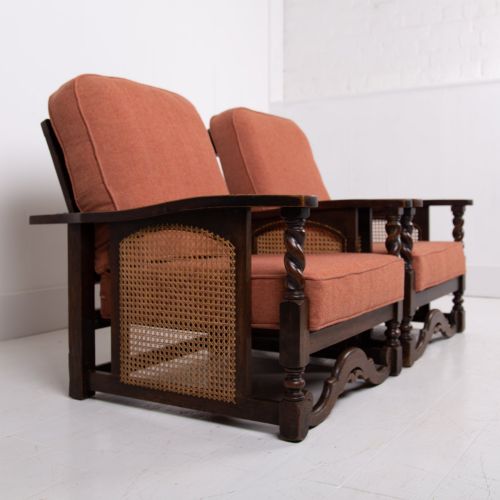
- An enclosed upholstered armchair featuring wooden framing around the back and sides, frequently incorporating cane work or fully padded textile panels. Originating in France, these chairs offer a wide and deep seat.
- Spoon back
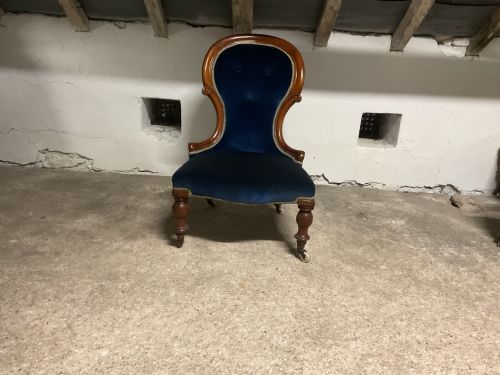
- A padded chair back shaped like the bowl of a spoon, popular during the Victorian era. This contour conforms naturally to the spine of the sitter.
- Nursing chair
- A low-seated upholstered chair originally designed for nurseries or bedrooms, allowing a sitter to tend to children with ease. The low height facilitates relaxed, upright posture.
- Carolean style
- A revival furniture design drawing inspiration from the late seventeenth-century English Baroque period. Pieces often feature elaborate scrollwork, carved wooden frames, and rich textiles.
Vintage Upholstered Fireside Chair: Frequently Asked Questions
What is a fireside chair?
A fireside chair is a comfortable upholstered seat traditionally placed near a fireplace to offer warmth and comfort. These pieces often feature high backs or enclosed sides to retain heat and block domestic draughts.
Over time, the form evolved across various decorative periods, incorporating plush cushioning and diverse textile coverings. Today they serve as statement armchairs in living spaces and studies.
How do I identify a Victorian armchair?
Victorian armchairs are typically characterised by heavy mahogany or walnut frames, deep button tufting, and curving structural lines. Details often include spoon backs or ornate carved woodwork reflecting nineteenth-century revivals.
Examining the underlying timber, joinery methods, and upholstery style helps confirm the nineteenth-century origin of the piece. Regional variations also provide clues to the workshop or school of design.
Are these chairs suitable for daily use?
Many vintage armchairs remain robust enough for daily seating, provided the internal webbing, springs, and frame remain structurally sound. Buyers frequently assess the depth of the seat and the firmness of the interior fillings.
Some pieces benefit from professional reupholstery or cushion reinforcement to match modern standards of comfort. Original leather or fabric finishes require careful maintenance to preserve their condition.
What is a bergere chair?
A bergere chair is a French upholstered armchair characterised by an exposed wooden frame and enclosed upholstered sides. Originating in the eighteenth century, later nineteenth-century interpretations maintained these graceful, curved proportions.
These chairs often feature loose seat cushions and delicate painted or polished woodwork. Their open yet enclosed design provides a distinct silhouette compared to standard box armchairs.