
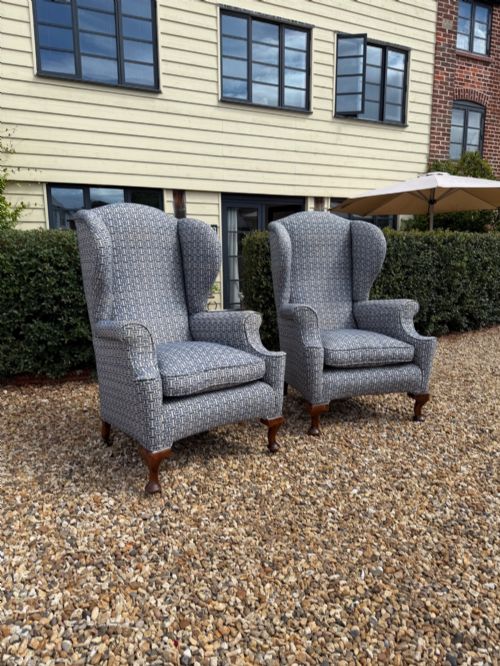
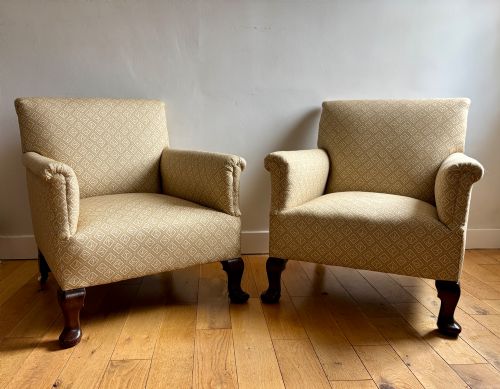
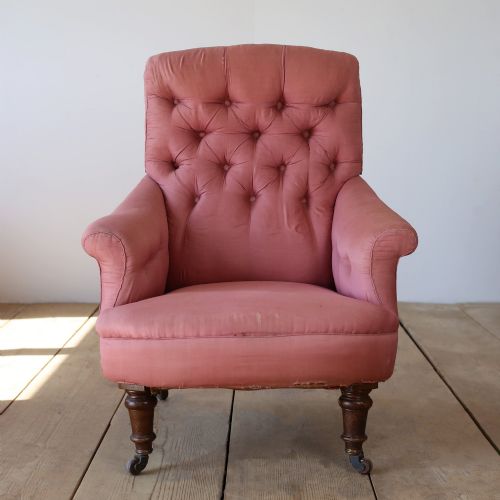
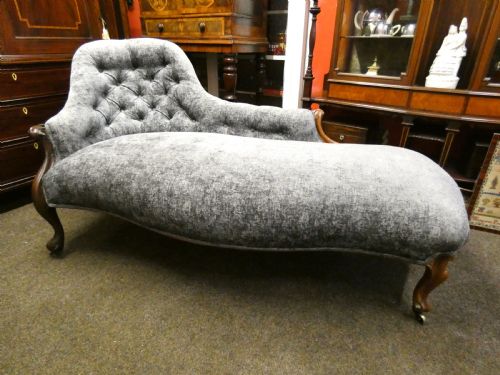
Mahogany Leg Lounge Chair
Mahogany leg lounge chairs are substantial armchairs and chaises supporting deep upholstery on timber frames, offering enduring comfort and traditional character.
Mahogany Leg Lounge Chair
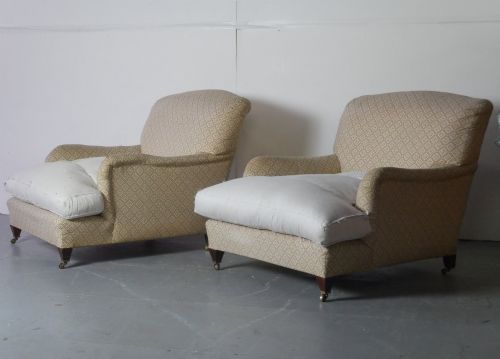
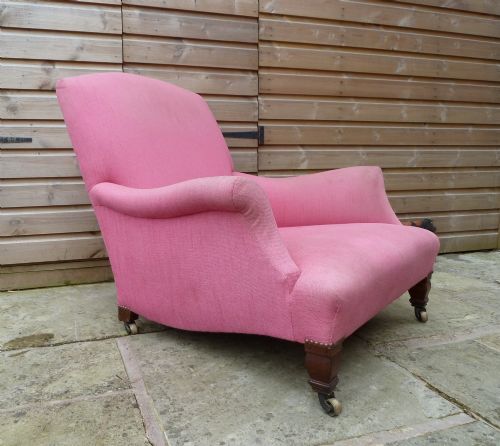
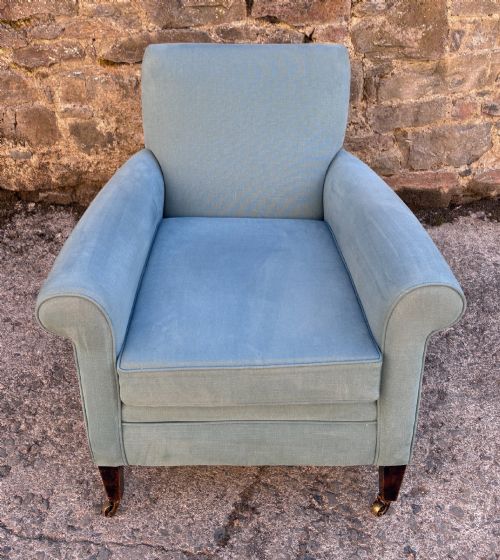
A mahogany leg lounge chair brings together substantial seating forms and exposed timber supports from the nineteenth and early twentieth centuries. These pieces encompass deep seated armchairs, library chairs, and chaise longues originating from periods including the Regency, Victorian, and Edwardian eras.
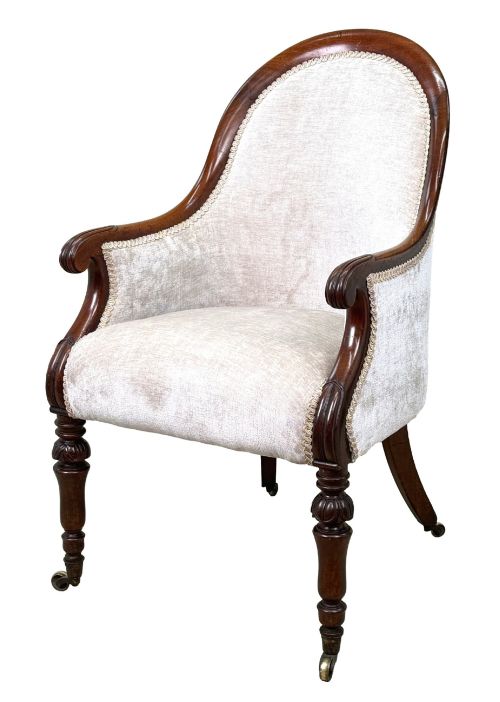
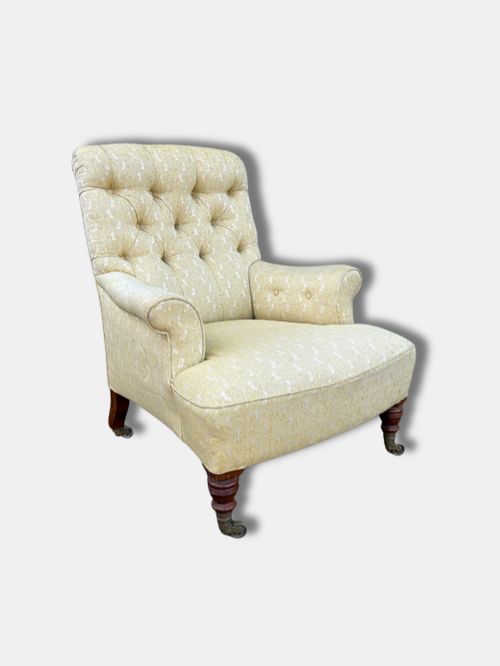
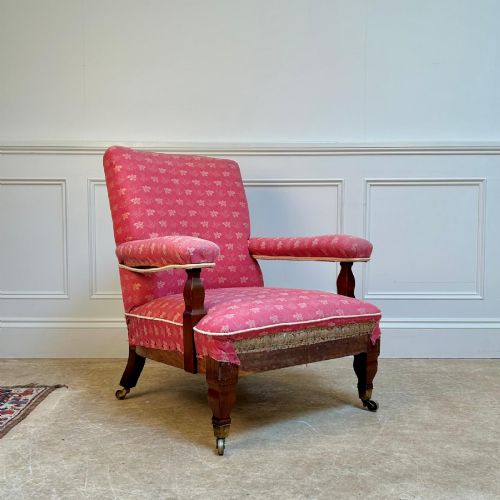
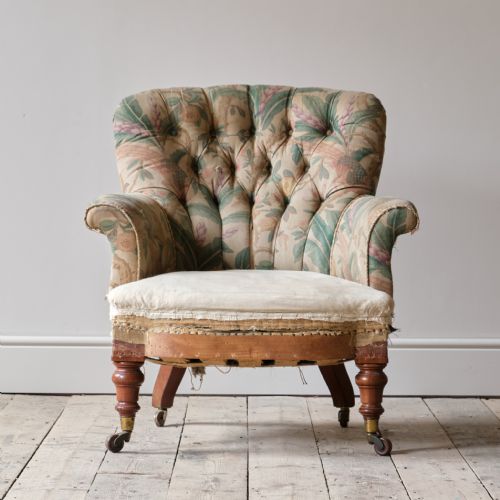
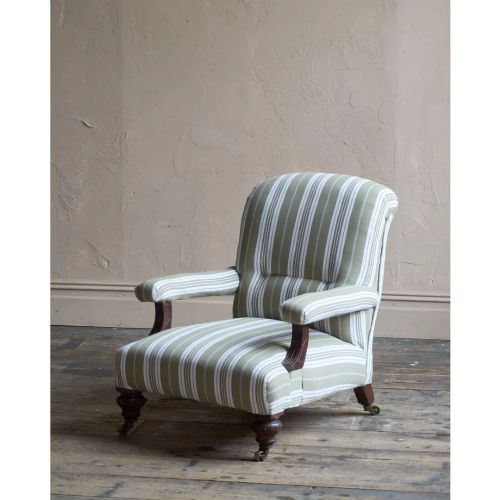
The version most commonly encountered on this page is the nineteenth century armchair, often displaying turned or sabre mahogany legs and traditional sprung upholstery. Makers and styles span from country house comforts to refined Regency and Victorian library designs.
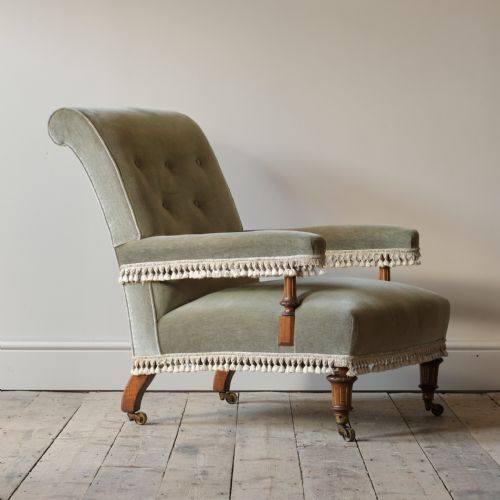
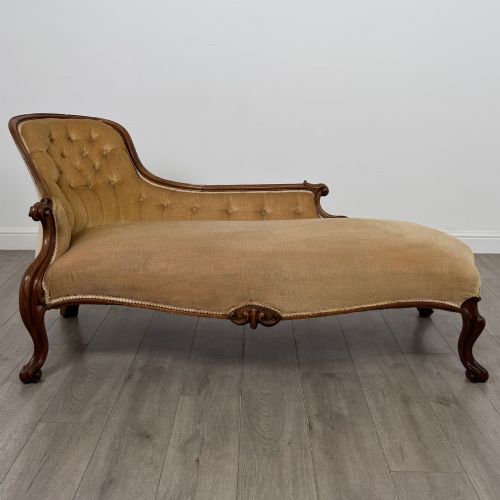
Chaise longues and slipper chairs also appear alongside large armchairs, each resting on visible mahogany frameworks. These seating forms reflect domestic life and craftsmanship across successive historical periods.
How they were made
Construction relies upon solid mahogany for the visible frames, legs, and show wood elements, providing structural stability and a rich grain. Workshops shaped this dense hardwood into turned supports, claw and ball feet, and elegant library chair arms.
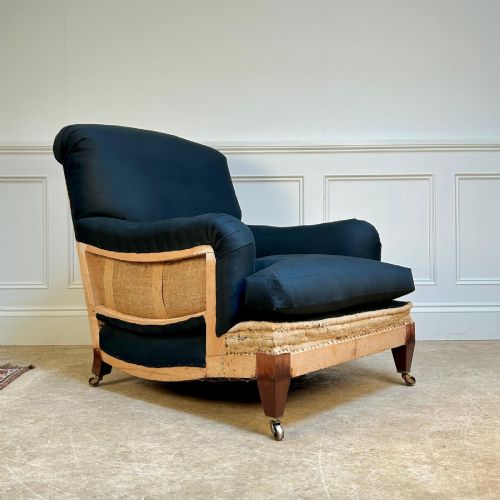
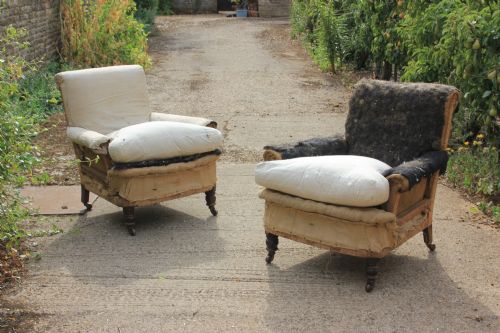
Upholstery techniques involved traditional stuffing over coil springs, secured with calico, cotton, and leather or fabric top layers. Button backing and deep seating added durability and comfort to nineteenth century frames.
Several armchairs arrive described simply as extremely comfy, proving that nineteenth century makers understood the art of relaxation just as well as we do.
What varies in quality
Quality rests upon the proportion of the timber frame and the integrity of the original mahogany work. Finer examples display crisp turning and substantial joinery that maintains rigidity over generations.
The execution of the upholstery and the retention of maker signatures or stamps distinguish standard workshop output from premier London houses.
Howard and Sons·Whytock and Reid·George Jack For Morris and Co·Gillows·Hampton and Sons·Holland and Sons·C Hindley and Sons
The Mahogany Leg Lounge Chair Glossary
- Mahogany
- A durable tropical hardwood prized for its deep reddish brown colour and fine grain. It forms the primary structural and decorative leg material for these lounge chairs.
- Calico
- A plain woven cotton fabric used traditionally as the inner lining and foundation layer beneath top upholstery. It holds the stuffing securely in place.
- Bergere
- An enclosed armchair with a wooden frame and woven cane panels on the back and sides. It often incorporates loose seat cushions.
- Slipper chair
- A low-set bedroom chair traditionally designed without arms to assist with sitting and dressing. They frequently feature buttoned backs.
- Show frame
- A wooden structural framework left exposed around the upholstered elements to display the polished timber. Gillows and other makers utilised this technique.
Mahogany Leg Lounge Chair: Frequently Asked Questions
What defines a mahogany leg lounge chair?
These pieces combine heavy upholstered seating with visible mahogany legs, frames, or supports dating from the nineteenth and early twentieth centuries.
They encompass diverse forms such as deep seated armchairs, tub library chairs, and chaise longues.
How do I identify a Victorian armchair?
Victorian armchairs typically exhibit buttoned backs, sprung upholstery, and turned or carved mahogany legs reflecting mid to late nineteenth century tastes.
Makers' stamps or specific upholstery webbing can also point to this period.
Where were these chairs used historically?
These lounge chairs served primarily in country house libraries, drawing rooms, and private parlours where comfort and status mattered.
Library chairs offered support for reading, while chaise longues provided spaces for daytime reclining.
How should I care for the mahogany legs?
Maintain the mahogany wood by dusting regularly with a soft cloth and occasionally applying traditional beeswax to nourish the grain.
Avoid placing timber legs in direct sunlight or near heat sources to prevent cracking.