


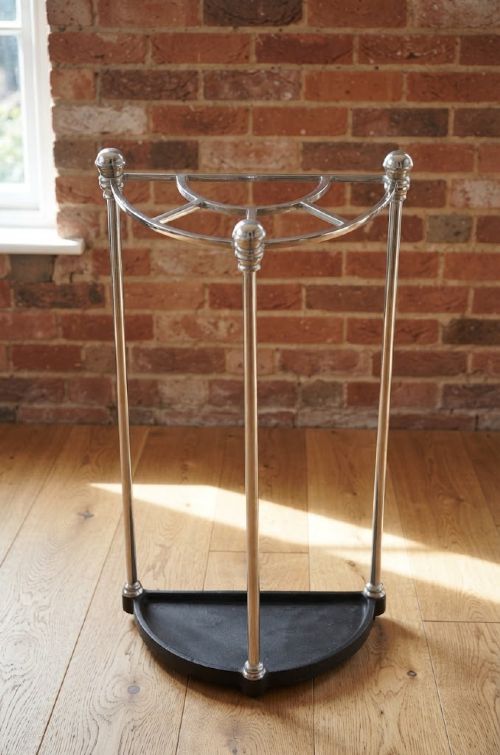
Vintage Umbrella Hall Stand
A vintage umbrella hall stand organises coats and walking sticks in an entrance hall.
Vintage Umbrella Hall Stand
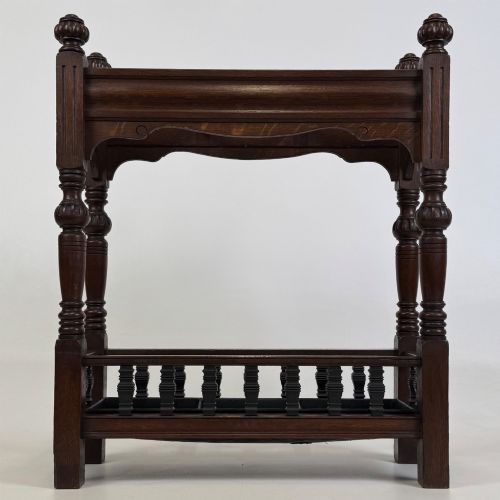
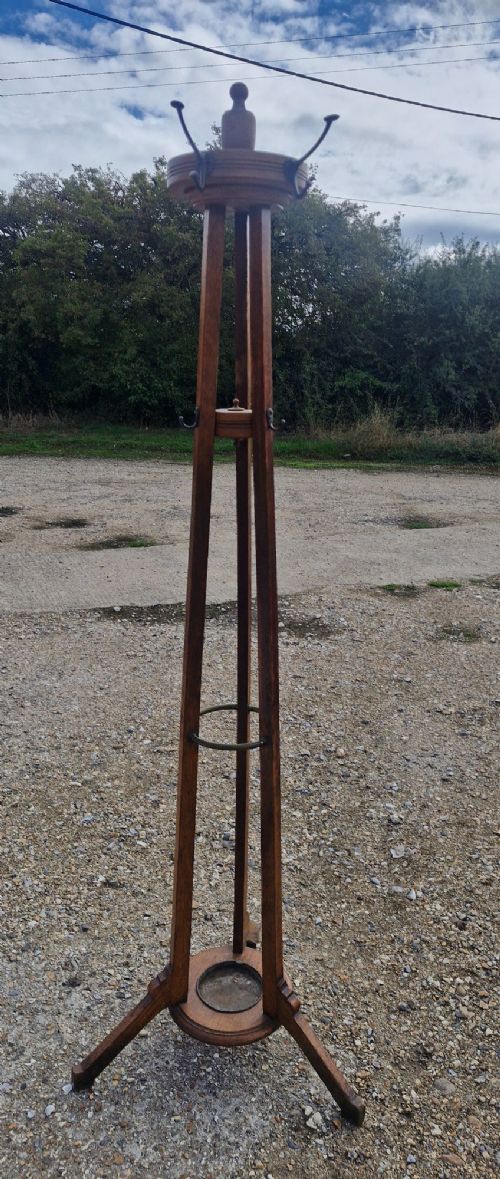
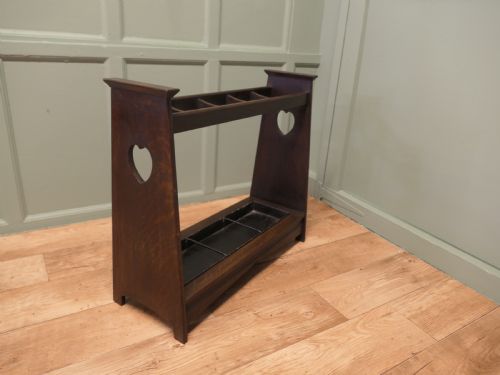
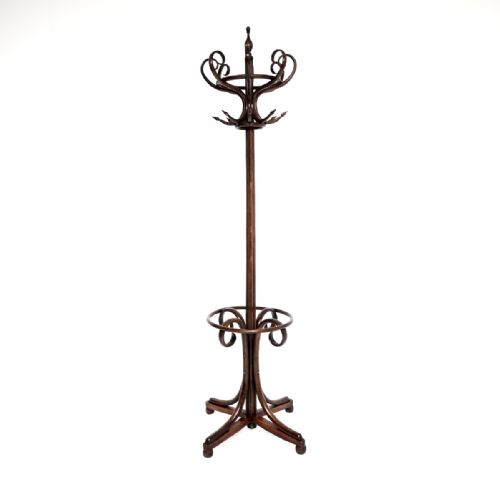
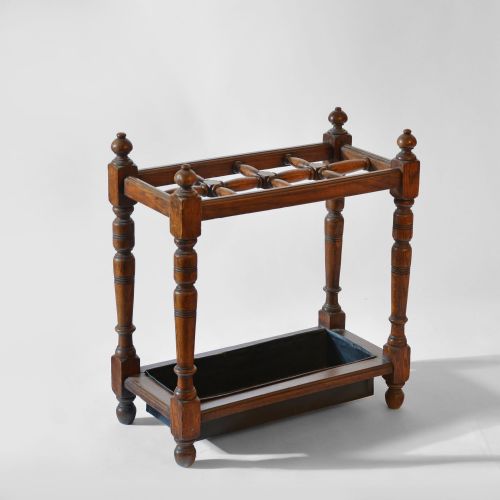
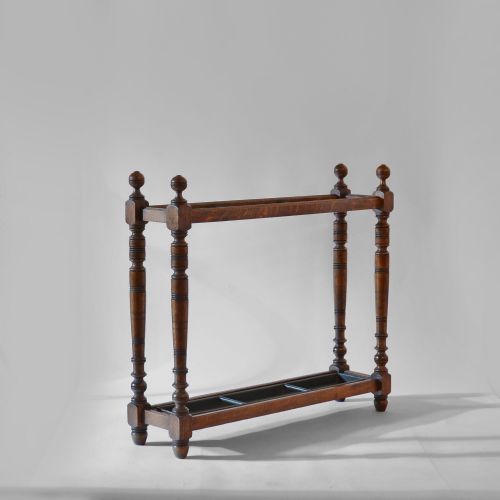
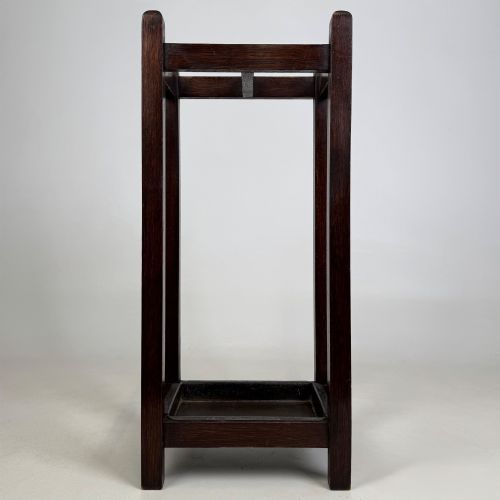
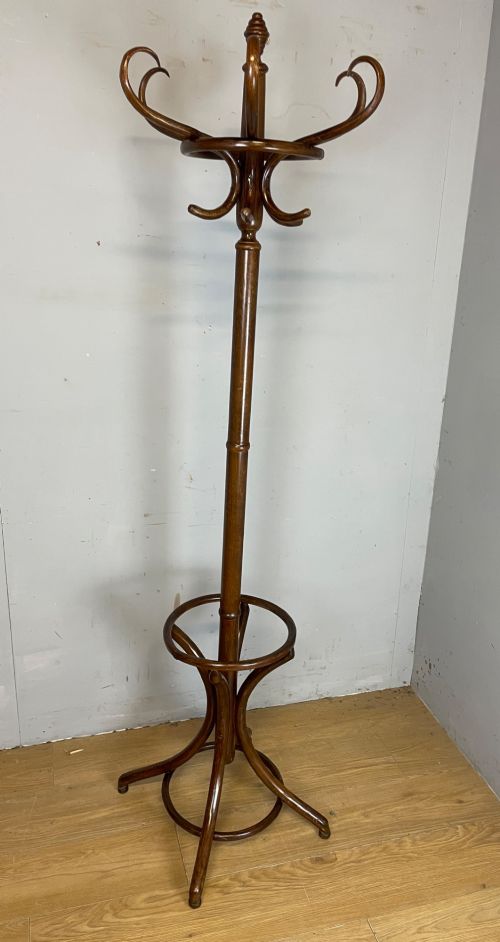
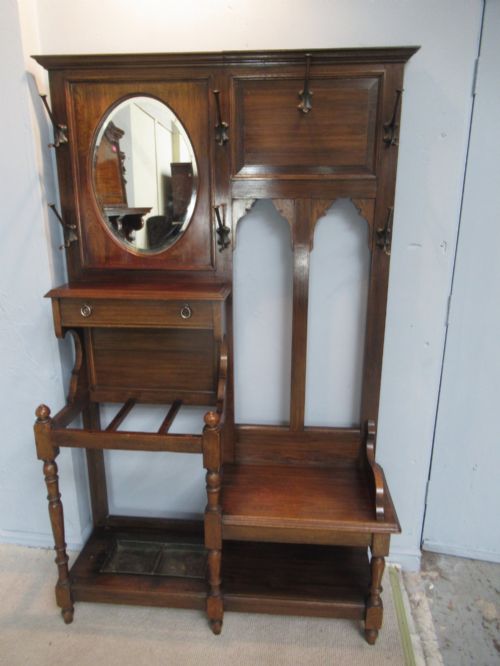
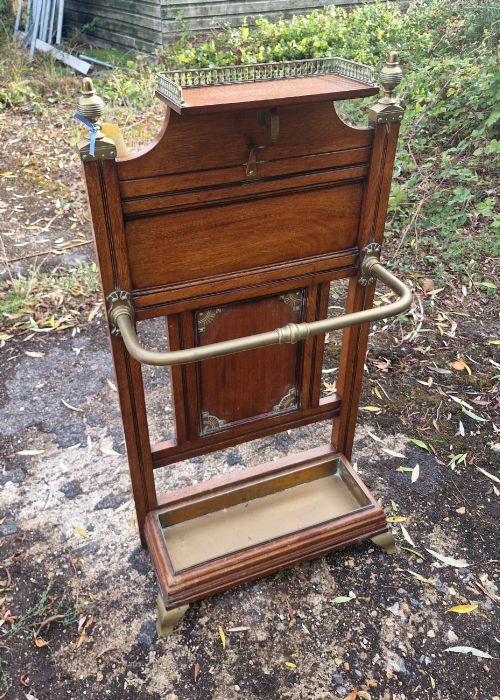
When searching for a vintage umbrella hall stand, buyers encounter entrance furniture designed to hold wet walking sticks and coats. These items combine hooks, mirror panels, seats, and drip trays in a single hallway piece. The version most commonly met on this page is the Edwardian or Victorian oak stand featuring dedicated umbrella divisions.
The domestic role of these stands remained practical throughout the Victorian and Edwardian periods, serving as the first point of entry for visitors. Halls required sturdy furniture to manage outer garments, hats, and wet umbrellas before guests entered the main rooms. Surviving examples reflect the domestic habits and spatial needs of period homes.
How they were made
Cabinet makers utilised solid oak, mahogany, and pine for wooden frames, often employing carved decoration in the Arts and Crafts or Aesthetic Movement styles. Bentwood furniture utilised steamed beechwood manipulated into curved forms for lightweight hat and coat stands. Coopered construction appeared in cylindrical oak and brass stick holders.
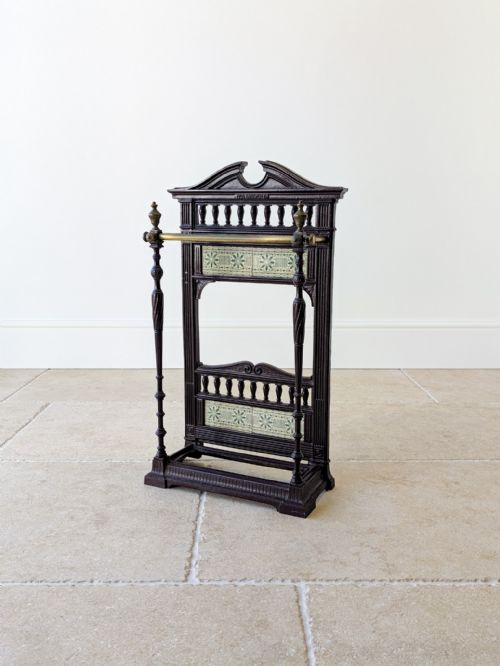
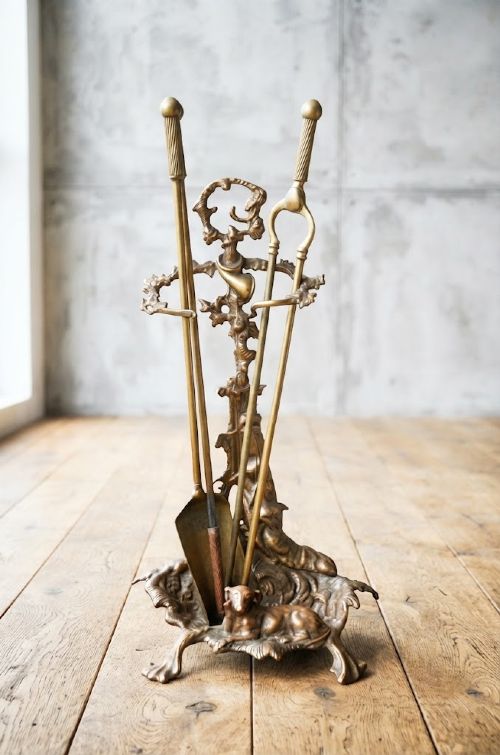
Foundries cast iron and brass into intricate frames, grilles, and fire companion pieces, sometimes applying white enamel finishes or nickel plating. Metal drip trays accompanied wooden and cast iron stands to catch moisture from wet umbrellas. Manufacturers integrated brass hooks and rails to support heavy coats and hats.
Listings feature oak, cast iron, brass, and bentwood spanning the Victorian, Edwardian, and Art Deco periods.
What varies in quality
Construction methods separate standard production items from finer workshop pieces, particularly in the joinery of hall seats and frames. The presence of original metal drip trays and matching hardware indicates a higher degree of preservation. Carved detailing and distinct stylistic influences, such as Liberty design, elevate individual examples above utilitarian models.
The integrity of materials dictates the longevity of each stand, especially where moisture affects wooden bases and iron components. Cast iron castings vary in crispness of detail, with superior foundry work displaying sharp relief in floral or Gothic motifs. Complete multi-functional units possessing integrated seats and mirrors represent the more ambitious end of the range.
Coalbrookdale
The Vintage Umbrella Hall Stand Glossary
- Drip tray
- A metal base insert designed to catch water from umbrellas and walking sticks. These trays prevent moisture from damaging wooden floors and hallway tiles.
- Bentwood
- Wood softened by steam and bent into curved shapes. This technique created lightweight and durable coat and hat stands during the nineteenth and twentieth centuries.
- Coopered
- Wood construction formed from tight staves bound by metal hoops, similar to barrel making. This method appeared in cylindrical oak and brass stick stands.
- Demi-lune
- A half-moon or semicircular shape. This profile allowed umbrella stands to sit flush against hallway walls.
Vintage Umbrella Hall Stand: Frequently Asked Questions
How were umbrella hall stands used?
Households placed these stands in entrance halls to manage outer garments and wet weather gear. Guests hung coats and hats on the provided hooks while placing umbrellas into the dedicated vertical divisions.
The integrated drip trays protected entrance flooring from water accumulation. Many designs included seats for changing footwear upon arrival.
What materials are common?
Oak is the predominant wood found in these hallway furnishings, alongside mahogany, pine, and bentwood beech. Cast iron and brass frequently form the structural frames or decorative insert panels.
Metal components appear regularly in the drip trays and umbrella divider rings. Nickel plating and enamel finishes also feature on later pieces.
How do I date a hall stand?
Stylistic indicators such as Aesthetic Movement carving or Arts and Crafts simplicity point to specific late nineteenth or early twentieth-century periods. Edwardian and Victorian designs often rely on distinct construction traits and heavier timber proportions.
Stamped manufacturer marks and registration numbers provide precise chronological markers. The evolution from heavy Victorian Gothic forms to lighter Edwardian oak reflects changing interior tastes.
Do they fit narrow hallways?
Compact stick stands and demi-lune umbrella holders occupy minimal floor space in restricted entrance areas. Slimmer configurations suit narrow corridors without obstructing movement.
Multi-functional pieces combining seats and coat racks require deeper clearance. Buyers should verify specific dimensions before placing larger hall furniture.