


Vintage Turkmen Carpet
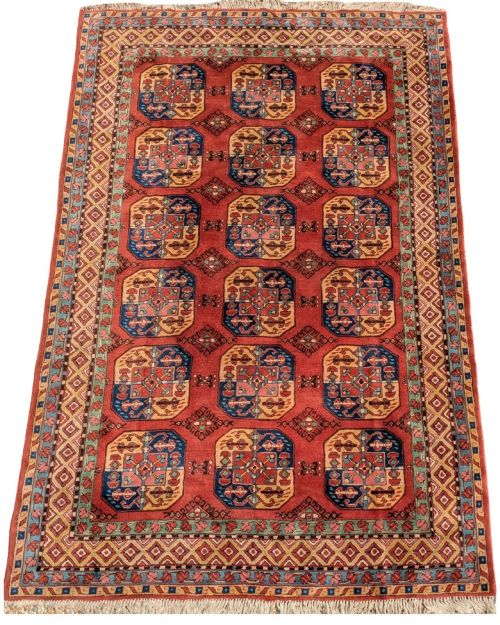
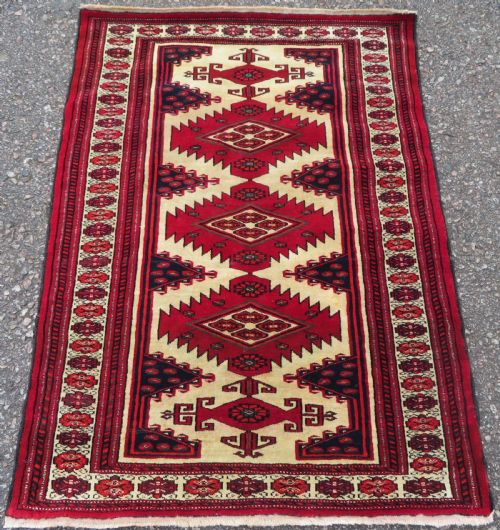
When buyers search for a vintage turkmen carpet, they seek tribal floor coverings defined by deep red fields and precise geometric guls.
Vintage Turkmen Carpet
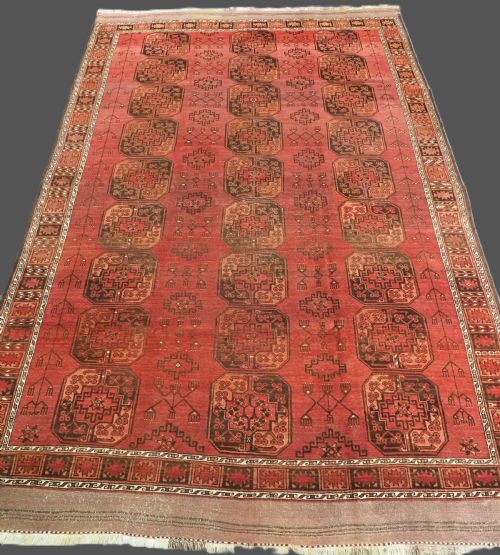
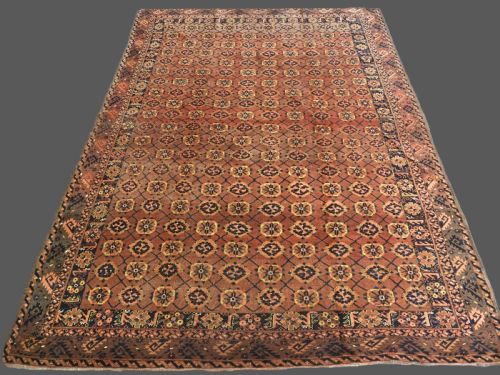
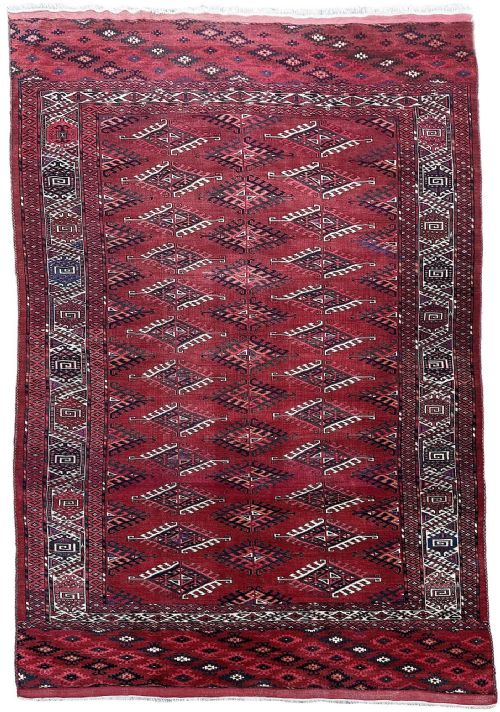
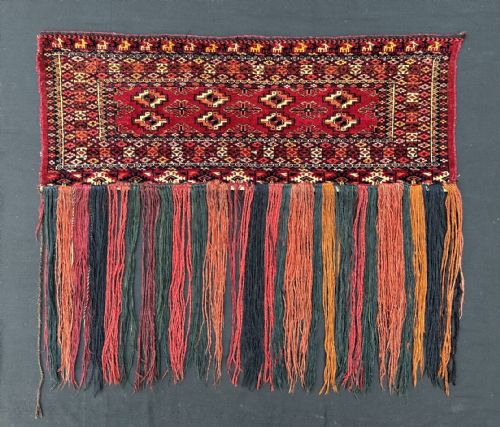
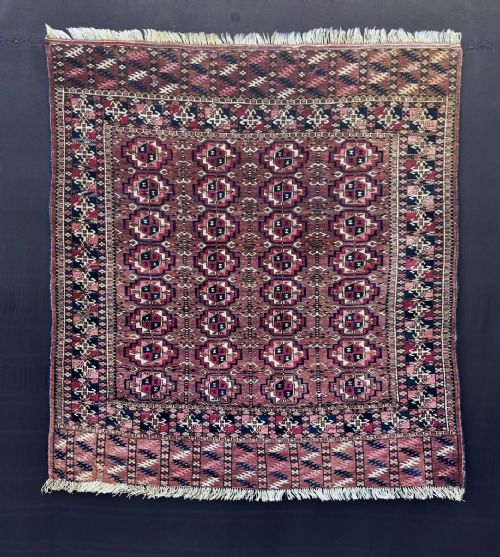
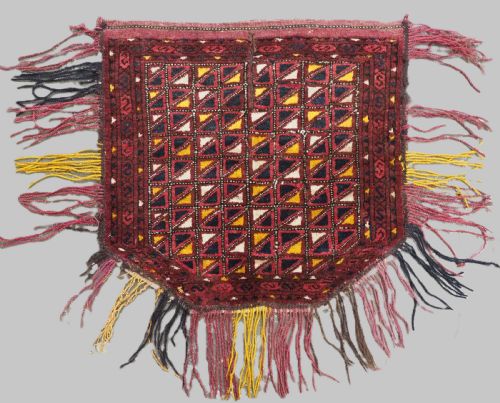
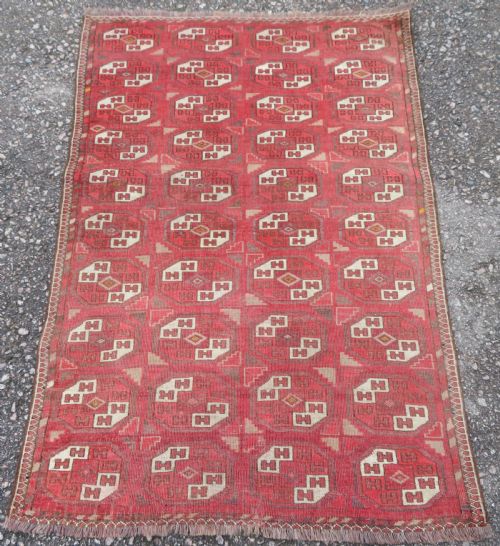
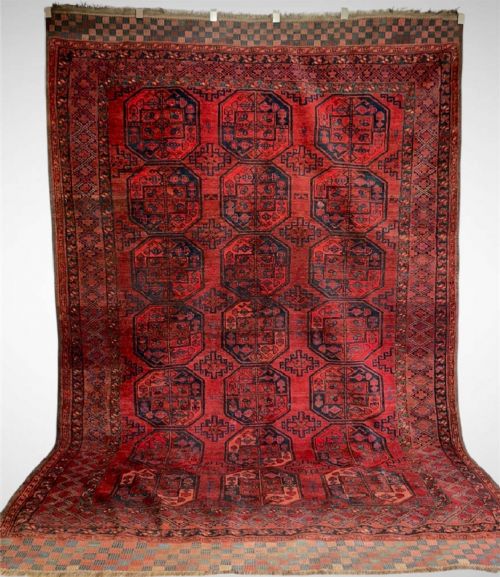
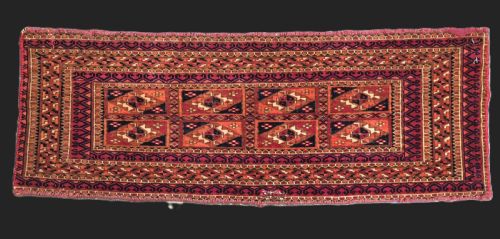
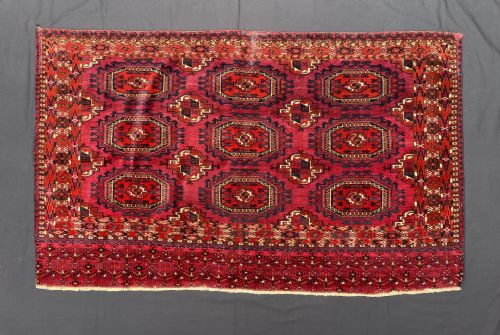
A vintage turkmen carpet encompasses large main carpets, smaller wedding rugs, and utility bags woven by nomadic and village groups across Central Asia. Pieces originating from the Tekke, Ersari, and Yomut tribes dominate this selection, frequently displaying repeating octagonal motifs known as guls.
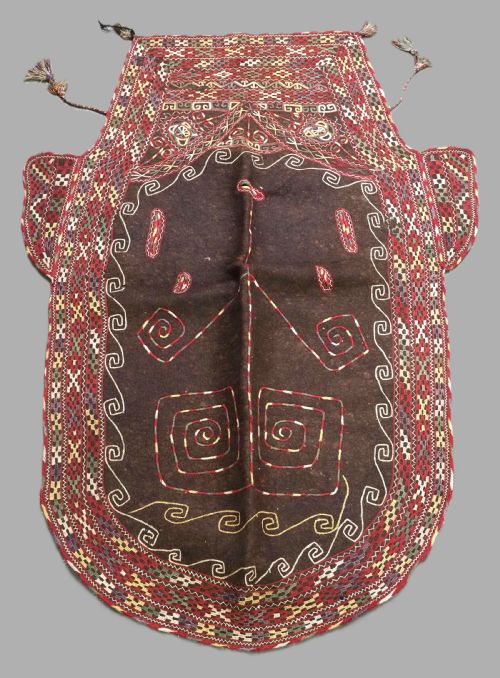
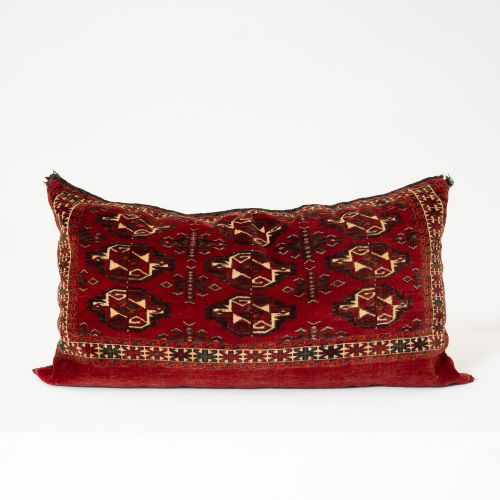
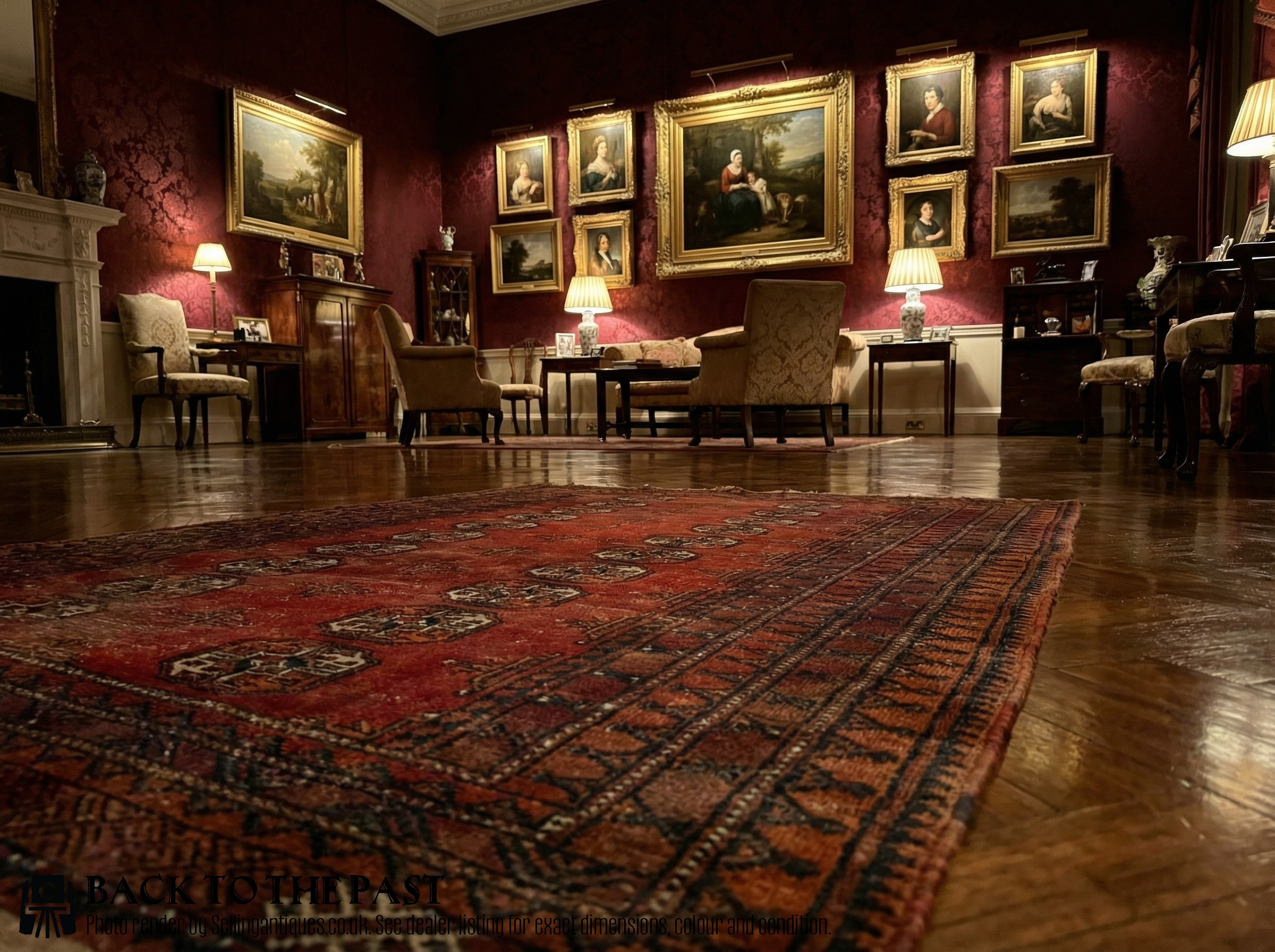
The inventory ranges from grand country house room-sized carpets down to square tent bags and horse covers. Buyers encounter formats intended for specific domestic and ceremonial functions within nomadic encampments and settlements.
Dated examples stretch from the mid nineteenth century into the early twentieth century. These textiles carry the distinct visual grammar of tribal weaving traditions anchored in Turkmenistan and wider Afghanistan.
Materials and construction methods
Weavers relied principally on hand-spun wool for the pile, foundations, and structural elements, occasionally incorporating cotton and felted wool. Natural dyes produced the characteristic deep madder reds, browns, and ivory grounds found across these tribal weaves.
Certain pieces integrate specialised materials such as silk thread highlights or wool pile on plain weave backs. Artisans constructed bags, tent door rugs, and floor coverings using tight knotting techniques alongside embroidery and flatweave methods.
Nomadic weavers occasionally included original tassels and felt backings, ensuring these textiles survived centuries of relocation across the Central Asian steppes.
Evaluating distinction and execution
Quality separates ordinary utility pieces from exceptional tribal examples through the precision of the knotting and the complexity of the gul design. Finer weaves display intricate secondary ornaments and balanced proportions across the field.
The choice of dyestuffs and the preservation of original tassels, plain weave backs, or side cordings dictate desirability. Surviving structural integrity enhances the standing of older nineteenth century formats.
The Vintage Turkmen Carpet Glossary
- Gul
- The repeating octagonal medallion motif that forms the primary decorative unit across Turkmen carpets. Different tribes utilised distinct gul shapes to signal lineage and origin.
- Torba
- A small storage bag produced by tribal weavers for domestic use inside tents. These faces often feature elaborate repeated gull patterns.
- Chuval
- A large tent bag traditionally used for storing household goods and bedding. They display carefully composed field designs akin to small carpets.
- Engsi
- A specialised carpet designed to hang over the doorway inside a yurt. They feature a distinct quartered cross design dividing the field.
- Kapunuk
- A decorative tent door surround placed around the entrance frame of a dwelling. These uncommon pieces display distinct architectural proportions.
Vintage Turkmen Carpet: Frequently Asked Questions
What are Turkmen guls?
Guls are the repeating octagonal medallions that structure the field design of these tribal carpets. Each tribal group utilised specific geometric variations to signify cultural identity.
Over generations, these motifs evolved into sophisticated graphic signatures unique to weavers from the Tekke, Ersari, and Yomut traditions.
How were tent bags used?
Nomadic families hung storage bags such as torbas and chuvals inside their yurts to hold personal belongings and textiles. Their flatweave backs allowed them to be secured against lattice walls.
Today, collectors appreciate these portable woven objects as compact expressions of major carpet aesthetics.
How do I care for an old rug?
Wool and natural dye textiles require gentle maintenance, including regular vacuuming without a rotating brush bar. Keeping them out of direct sunlight preserves the saturated madder reds and ivory grounds.
Professional cleaning tailored to antique pile carpets ensures the foundation wool remains supple over decades of display.
What is an engsi?
An engsi is a specialised rug hung across the interior doorway of a nomadic tent. Their layouts feature a central vertical axis dividing the field into four distinct panels.
This specific architectural function sets them apart from standard floor coverings and prayer formats.