




Vintage Tribal Floor Carpet
When you search for vintage tribal floor carpet, you enter a world of hand-knotted wool textiles shaped by Persian, Caucasian, and Turkmen traditions.
Vintage Tribal Floor Carpet
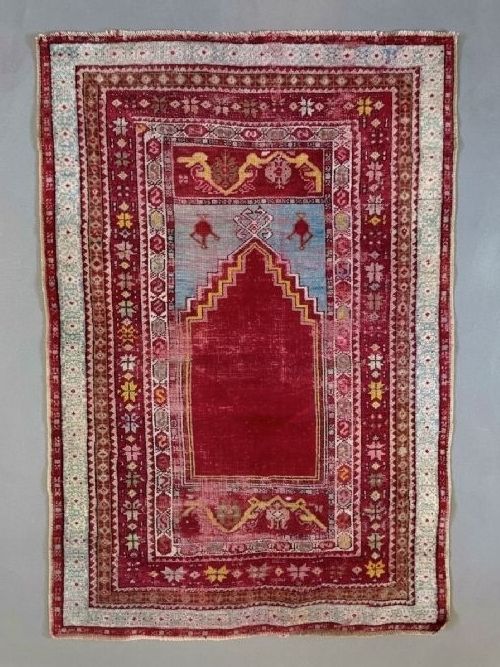
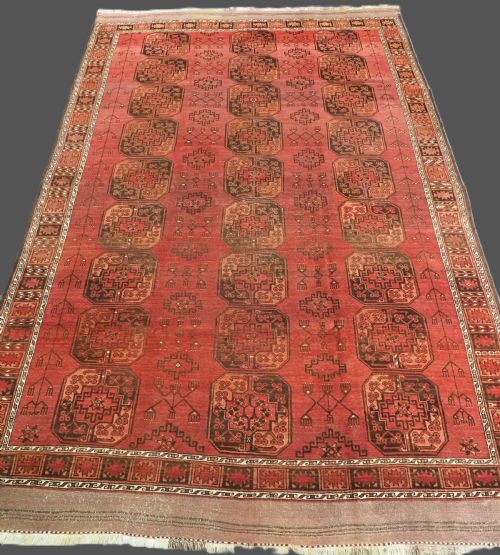
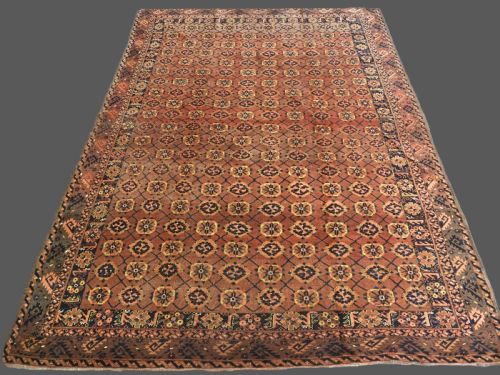
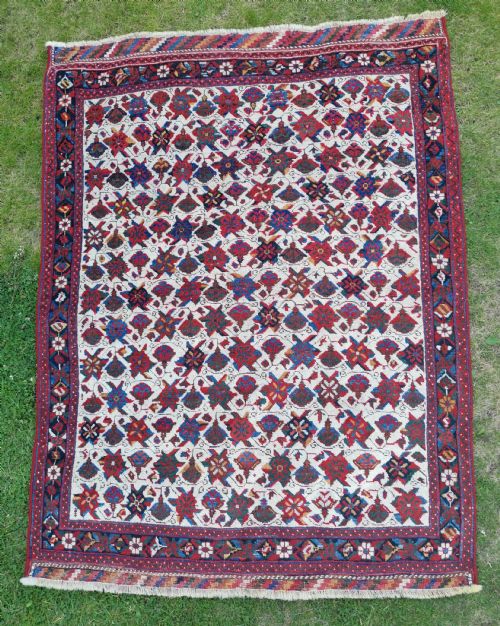
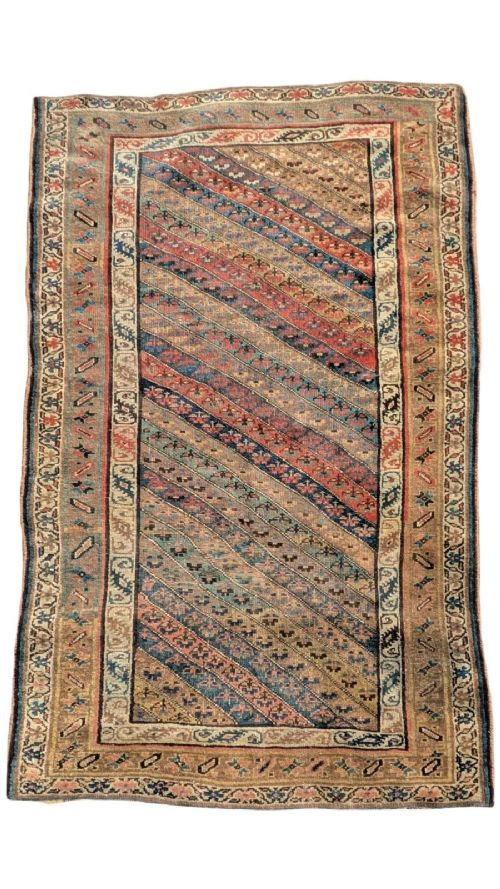
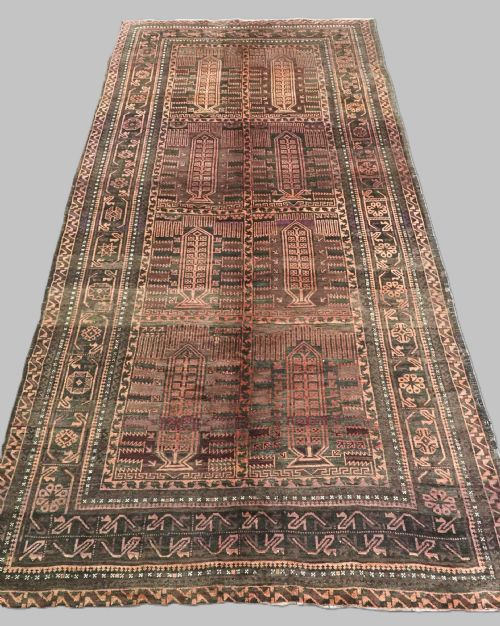
A vintage tribal floor carpet brings centuries of nomadic and village weaving traditions directly into domestic spaces. These textiles encompass regional formats ranging from compact area rugs to long hallway runners.
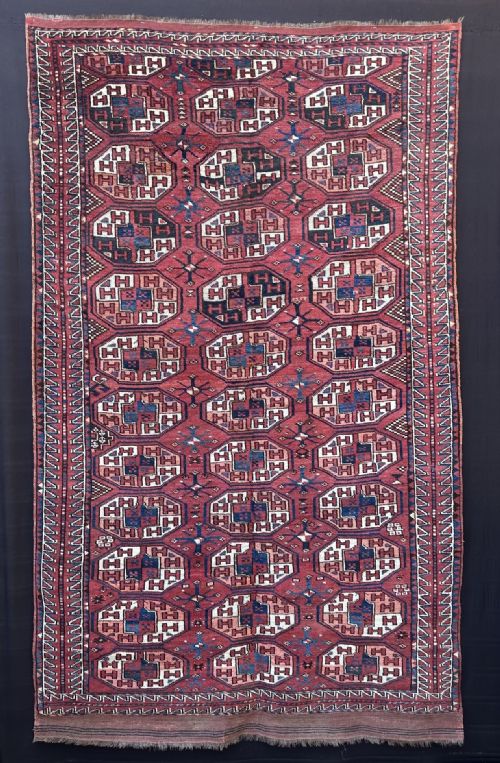
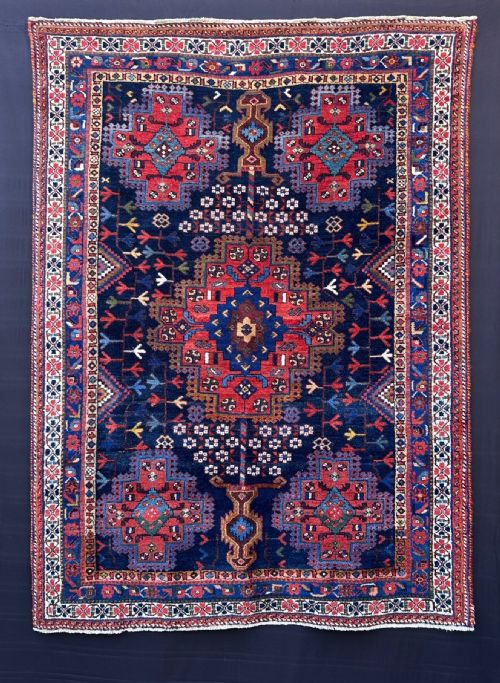
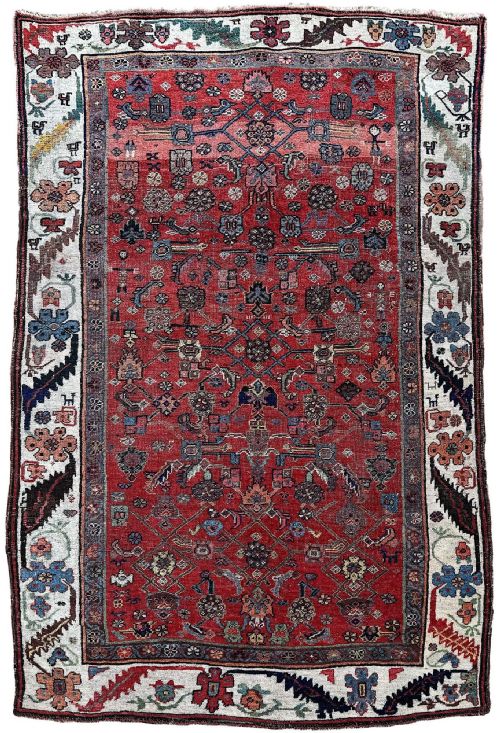
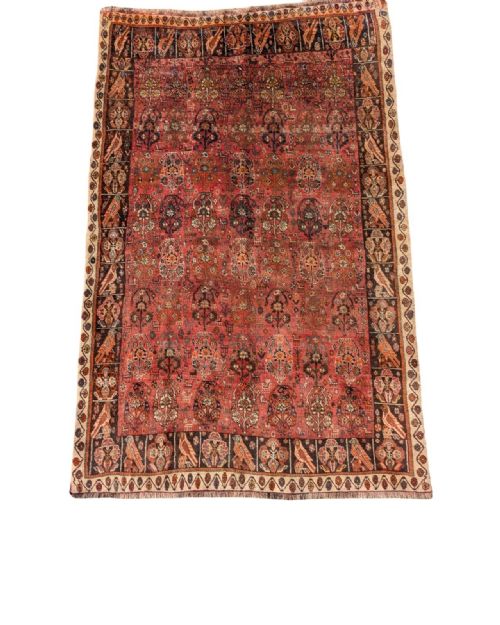
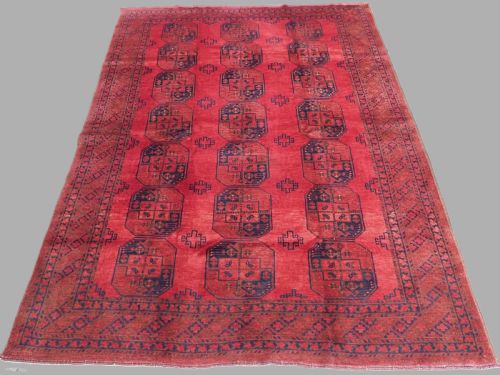
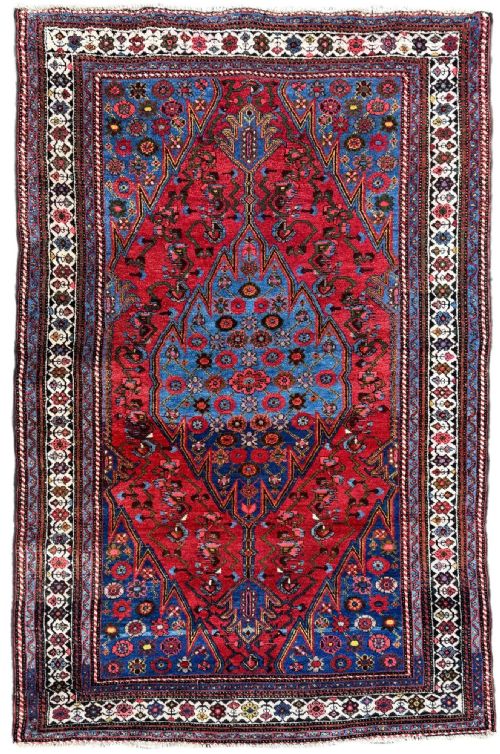
The selections span Persian tribal, Caucasian, and Turkmen styles produced from the late nineteenth century through the early decades of the twentieth century. Common examples include Kurdish, Afshar, Bakhtiar, and Qashqai rugs.
Makers utilised traditional patterns reflecting specific tribal identities and village workshops across Central Asia, the Caucasus, and Persia. Each piece functions as a durable floor covering carrying distinct geometric or floral motifs.
Materials and construction
Makers constructed these floor coverings primarily using hand-spun wool and cotton foundations tied in firm knots. Natural dyes provide the enduring palette observed across the pieces.
Weavers employed traditional hand-knotting and hand-weaving techniques passed down through generations within specific regions and tribes. These methods ensured structural integrity suited to everyday floor use.
Nomadic weavers occasionally incorporated whimsical animal figures or tiny accidental asymmetries into their strict geometric grids.
Judging the weave
Quality rests on the tightness of the knotting, the fineness of the wool, and the depth achieved by natural dyes. Tighter foundations generally indicate greater durability and meticulous craftsmanship.
Design clarity and the harmony of the regional palette distinguish finer examples from standard village production. The integrity of the original borders and edges also influences the overall standing of a piece.
The Vintage Tribal Floor Carpet Glossary
- Natural Dyes
- Colourants derived from plants, insects, and minerals rather than synthetic compounds. These substances yield rich, complex tones that age gracefully over decades.
- Hand-Knotted
- A construction method where individual strands of wool are tied by hand onto a warp and weft foundation. This technique creates a dense pile capable of withstanding heavy foot traffic.
- Runner
- A long, narrow carpet format designed specifically for hallways, corridors, or alongside beds. These pieces guide movement through interior spaces.
- Prayer Rug
- A specialised format featuring a central niche or arch design, historically used for individual devotion. The composition typically directs the eye toward a specific focal point.
- Warp
- The vertical threads stretched tightly on the loom that form the structural backbone of the carpet. The visible fringes at either end of a rug are extensions of these foundational threads.
Vintage Tribal Floor Carpet: Frequently Asked Questions
Where were these carpets made?
The pieces originate from regions across Persia, the Caucasus, and Central Asia, woven by various tribes and village communities.
Production centres include areas associated with Kurdish, Afshar, Bakhtiar, Qashqai, and Turkmen groups.
How do I care for my rug?
Regular gentle vacuuming without a rotating brush helps remove embedded dirt and protects the wool pile.
Professional cleaning tailored for antique wool textiles ensures the natural dyes and fibres remain preserved.
Can I use these in high traffic areas?
Traditional hand-knotted wool construction makes these carpets robust enough for everyday floor placement in hallways and living spaces.
Using an appropriate underlay helps secure the rug and reduces friction against hard flooring.
How do I identify different regional styles?
Distinctions rely on characteristic geometric or floral motifs, specific colour combinations, and particular knotting structures.
Persian tribal designs often feature medallions and boteh motifs, while Caucasian and Turkmen pieces lean toward bold geometric polygons.