

Vintage Travel Trunk
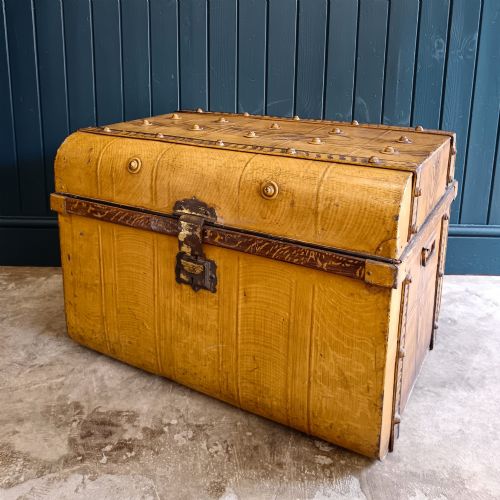
A vintage travel trunk brings robust craftsmanship and historical character into modern interiors, serving as both practical storage and a distinctive coffee table.
Vintage Travel Trunk
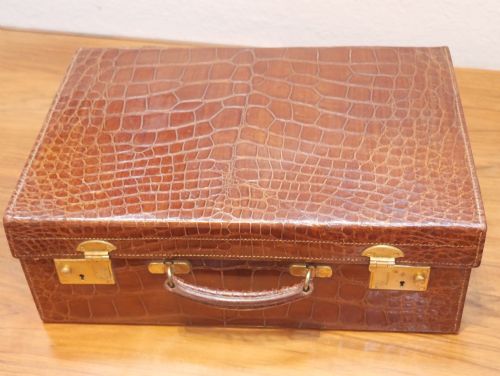
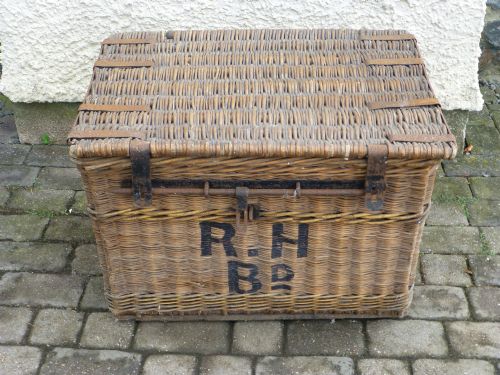
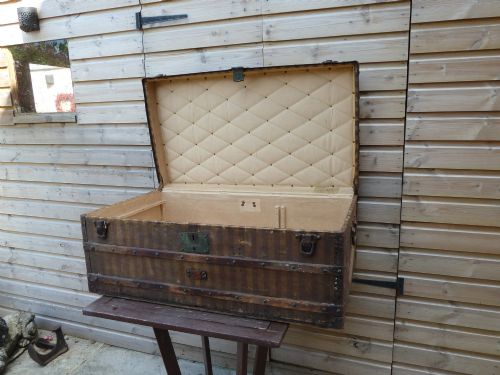
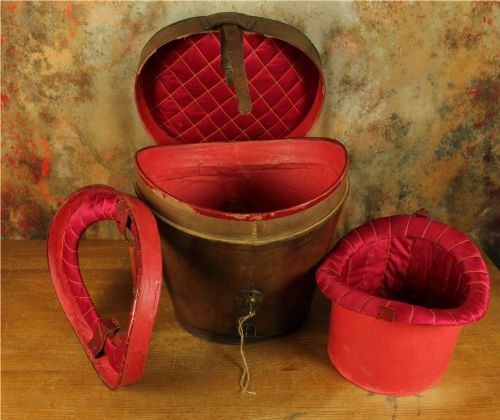
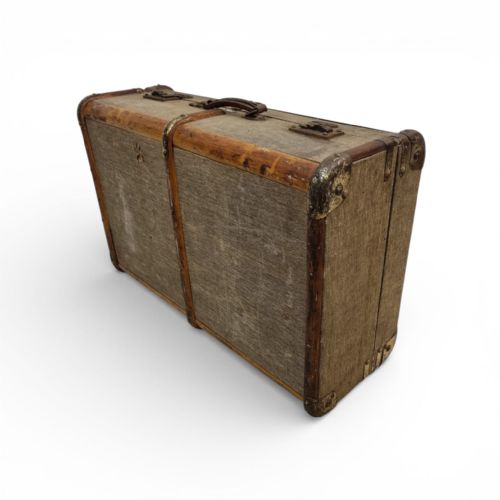
When you search for a vintage travel trunk, you are looking at utilitarian luggage evolved from historical journeys, ocean voyages and military campaigns. These pieces encompass sturdy chests, cabin wardrobes, hat boxes and suitcases designed to withstand long-distance transit.
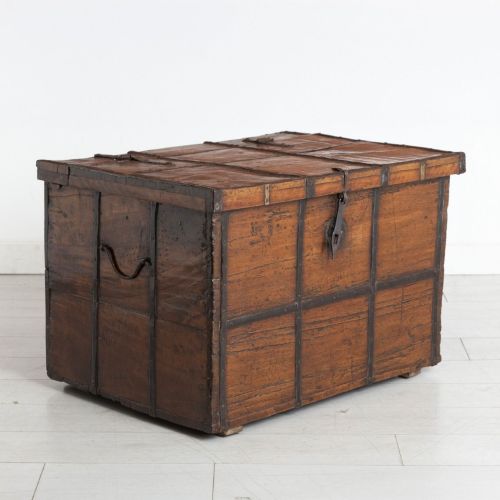
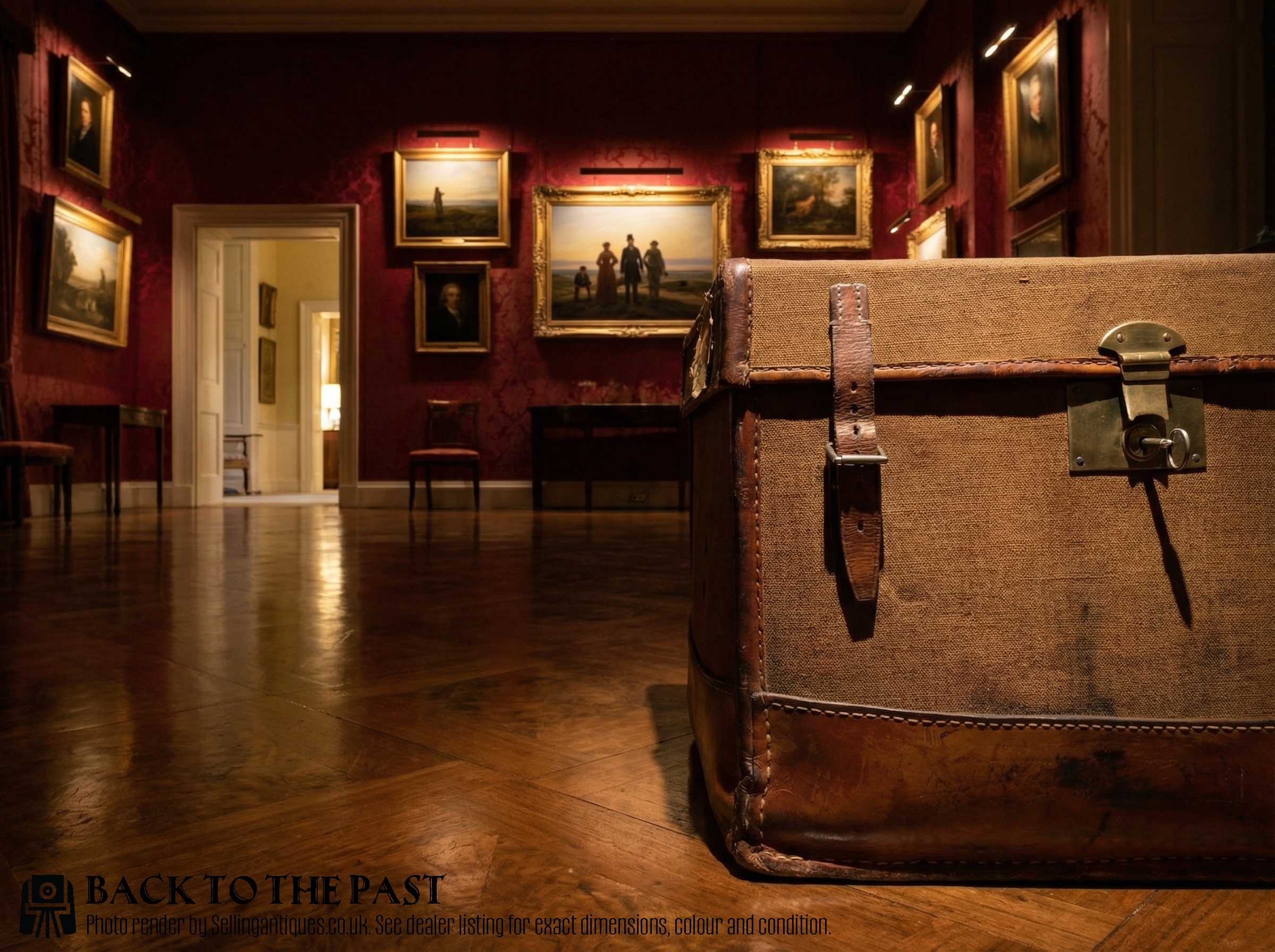
Beyond traditional luggage, many examples function naturally as interior furniture, serving as living room coffee tables or bedside storage. Their origins span British workshops, French makers and global trade routes, reflecting the practical needs of past travellers.
What Varies in Quality
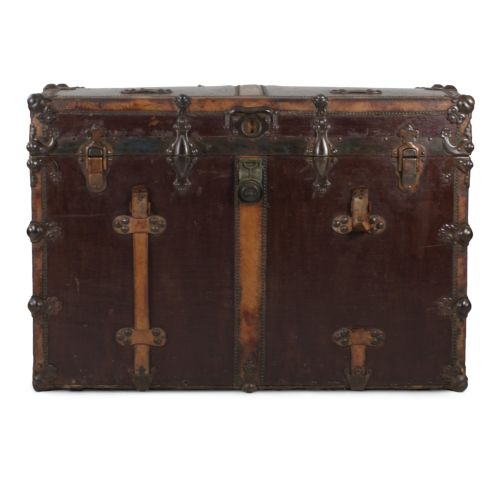
The distinction between ordinary utility luggage and exceptional pieces rests on the integrity of the materials, the robustness of the hardware and the reputation of the maker. Superior examples exhibit heavy brass mountings, tight joinery and intact original linings that have survived decades of movement.
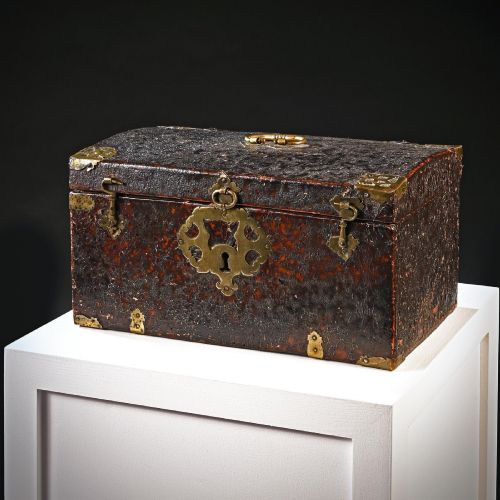
Maker marks, specialised locking mechanisms and high-grade hides or exotic leathers elevate certain pieces from basic transport boxes to collectible items. The survival of original travel labels, fitted trays and internal compartments also indicates a higher standard of original commissioning.
Vintage Travel Trunk Retail Price Guide 2026
Typical asking prices for vintage travel trunk among the pieces listed under this phrase on Sellingantiques today, from the lower quarter to the upper quarter. They describe what is for sale here now, not the wider market.
Camphor wood trunks retain their distinct natural aroma after more than a century, quietly keeping moths away from modern woolen jumpers.
Samuel Pratt·Wm Insall of Bristol·Louis Vuitton·Arthur Wannop·Lincoln Bennett·Seaward·Au Touriste Paris·Jones Bros·Mr Selfridge·Watajoy
The Vintage Travel Trunk Glossary
- Steamer trunk
- A lower-profile travel trunk designed to fit beneath a steamship berth. These pieces often feature flat tops for stacking and reinforced corners.
- Campaign trunk
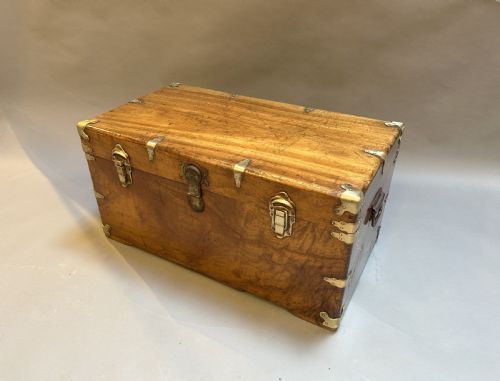
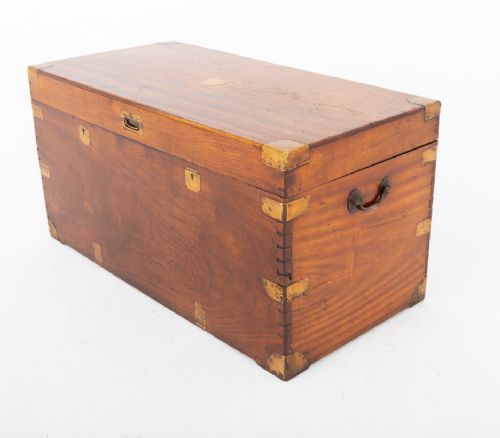
- A sectional storage chest built for military officers on the move. They typically utilise brass hardware, recessed handles and durable hardwoods like teak or camphor.
- Portmanteau
- A large travelling bag or suitcase that opens into two equal compartments. The term often describes structured leather wardrobe cases from the nineteenth and early twentieth centuries.
- Camphor wood
- An aromatic hardwood utilised in trunk construction to repel insects. Its distinct scent and durability made it popular for overseas military and trade chests.
- Studwork
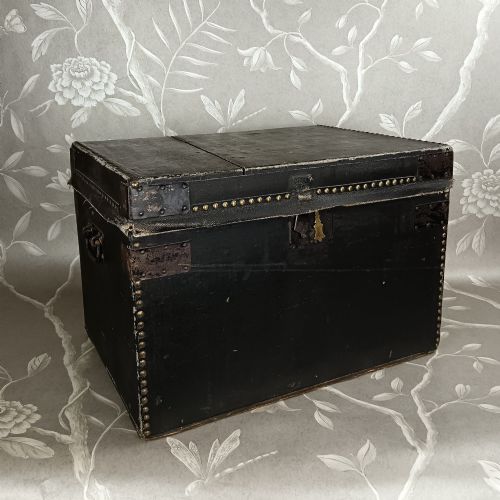
- Decorative or reinforcing metal pins driven into the exterior leather or wood of a trunk. This technique adds both structural strength and visual pattern to the piece.
Vintage Travel Trunk: Frequently Asked Questions
How do I use a vintage travel trunk at home?
These trunks adapt easily to modern rooms by doubling as coffee tables with internal storage or serving as blanket chests at the end of a bed. Their sturdy lids and flat tops make them practical surfaces for books and lamps while keeping clutter out of sight.
Larger cabin trunks and wardrobe cases also function well as standalone display pieces in hallways or living spaces, highlighting their historical hardware and patinated leather or canvas surfaces.
Were all steamer trunks used on ships?
While the term originally described low-profile luggage built to slide under steamship berths, many pieces served broadly for rail travel and international shipping. Their low height and reinforced corners made them versatile enough for various modes of historical transit.
Over time, the phrase expanded to describe standard travel chests and wardrobe trunks used by passengers on long journeys across land and sea alike.
How do I tell an Edwardian trunk from a Victorian one?
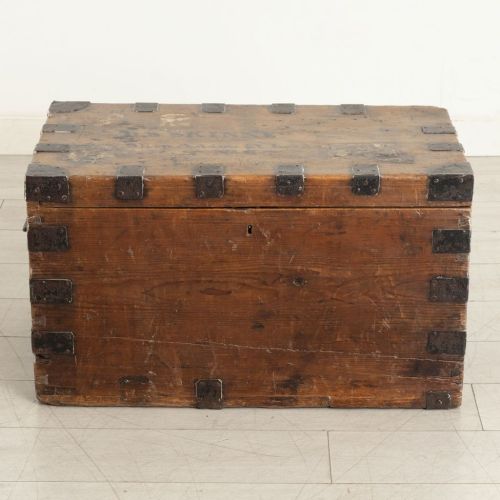
Victorian trunks often feature heavier iron mounts, domed lids, and robust brass studwork designed for rigorous nineteenth-century travel. Woods like pine and camphor wood were common during this era, alongside thick leather and hide coverings.
Edwardian examples frequently show lighter construction, flatter tops suited for modern transport, and more refined interior fittings like compartments and fitted trays. Maker stamps and canvas coverings also became more prevalent as travel methods modernised.