



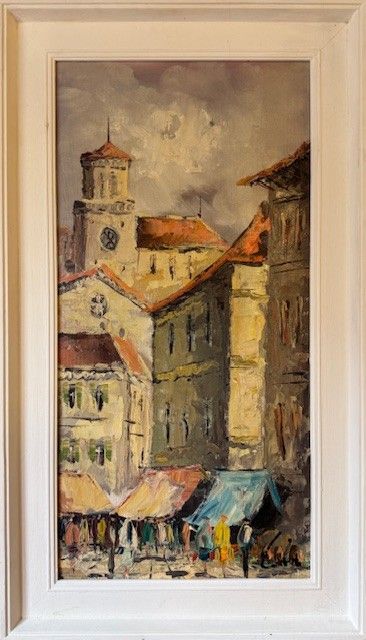


Vintage Townscape Painting
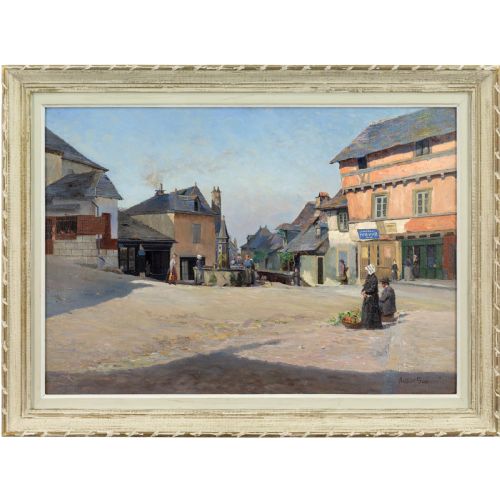
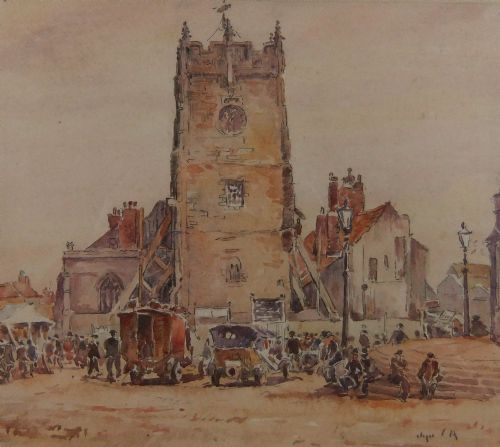
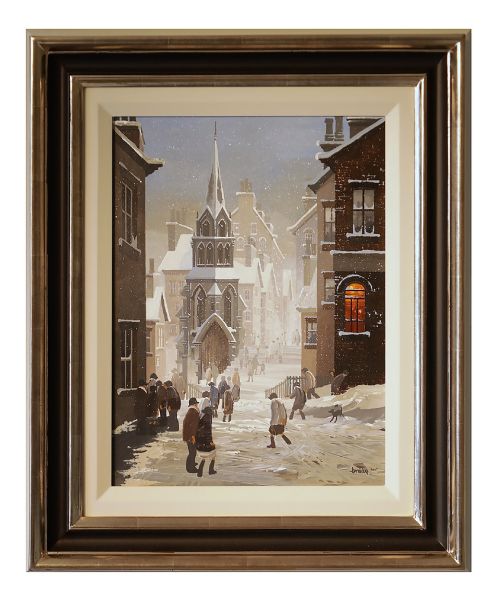
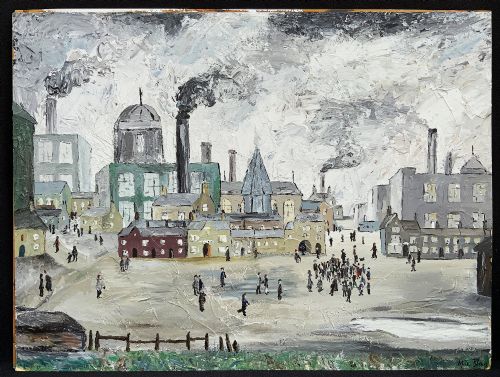
A vintage townscape painting captures streets, squares and quaysides across Britain and Europe through oils and watercolours spanning multiple decades.
Vintage Townscape Painting
A vintage townscape painting depicts urban scenes, market squares and architectural views, ranging from quiet provincial streets to bustling continental harbours. These works span from the late nineteenth century through to the mid twentieth century, reflecting shifting artistic responses to growing towns and historic quarters.
The selections on this page lean heavily towards watercolours and oil paintings on canvas, board or panel. Works vary from detailed topographical records by regional British artists to impressionistic impressions of French markets and Yorkshire market towns.
How They Were Made
Artists working on these townscapes relied primarily on watercolours on paper or oil paint applied to canvas, wood panels and boards. Ink and pencil drawings also appear, sometimes combined with watercolour washes to establish architectural details before colour is applied.
Support materials range from traditional primed canvas stretched over wooden frames to sturdy wooden panels and thick artist papers. Framing often includes period wooden surrounds that complement the palette and era of the painting.
Several watercolours preserve the exact day and month an artist stood sketching in a bustling European market square.
What Varies In Quality
Quality rests in the sureness of the brushwork and the artist's command of perspective, light and atmosphere within the urban environment. Stronger examples demonstrate confident handling of architectural geometry alongside lively treatment of figures and street life.
The depth of the pigment and the preservation of the paper or canvas surface dictate the visual impact of the piece. Works that retain their original vibrancy and show thoughtful composition stand apart from routine topographical sketches.
John Smith Atherton·Brian Shields Braaq·Paul Elie Gernez·William Manners·Joseph W Milliken·Edward Henry Holder·John Sanderson Wells·Angus Rands·Walter Emsley·George Willis Pryce·Fred Lawson·Ludwig Hermann·Annie L Lee·Josephine Haswell Miller·Donald Wood·Augustus William Enness·Letitia Marion Hamilton
The Vintage Townscape Painting Glossary
- Townscape
- A painting or drawing depicting urban architecture, streets, squares and public spaces. It focuses on the built environment rather than purely natural landscapes.
- Watercolour
- A painting method in which the paints are made of pigments suspended in a water-based solution. Paper serves as the primary support medium for this technique.
- Impressionism
- An art style characterised by relatively small, thin yet visible brush strokes and an open composition. It emphasises accurate depiction of light in its changing qualities.
- Panel
- A flat piece of wood used as a structural support for an oil painting. Artists often preferred panels for stability before stretched canvas became dominant.
- Provenance
- The chronology of the ownership or location of a historical object. Documented origins help confirm the attribution and history of a work.
Vintage Townscape Painting: Frequently Asked Questions
What is the difference between oil and watercolour townscapes?
Oil paintings utilise pigment suspended in drying oils applied to canvas or wood panels, offering rich textures and deep colour layering. Watercolours employ water-soluble pigments on paper, resulting in lighter, more translucent effects.
Watercolours generally require protective glass framing to prevent moisture damage and paper degradation. Oils remain more robust, though both benefit from stable environmental conditions away from direct sunlight.
Where were most of these townscapes painted?
The works originate from locations across Britain, including Yorkshire towns, Lincolnshire, Worcestershire and metropolitan streets. Continental European scenes from France also appear frequently in the selection.
Artists frequently travelled to paint specific market squares, quaysides and historic bridges, capturing local vernacular architecture. Inscriptions on the frame or reverse often record the exact town or region.
How should I frame and display these paintings?
Display paintings away from direct sunlight and fluctuating humidity to protect pigments, paper supports and wooden panels. Traditional wood frames suit the period aesthetic of these mid-century and earlier works.
Watercolour paintings require mount board and glass to prevent dust and moisture contact. Oil paintings on canvas or board breathe more easily but still require stable indoor conditions.