
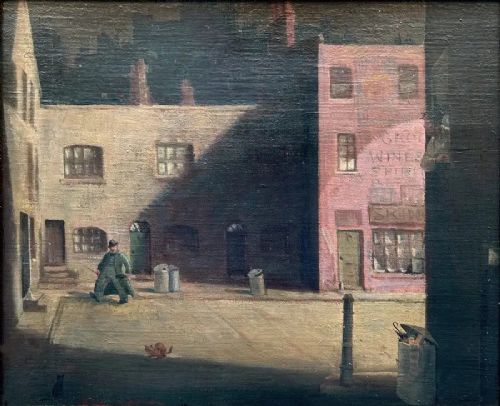
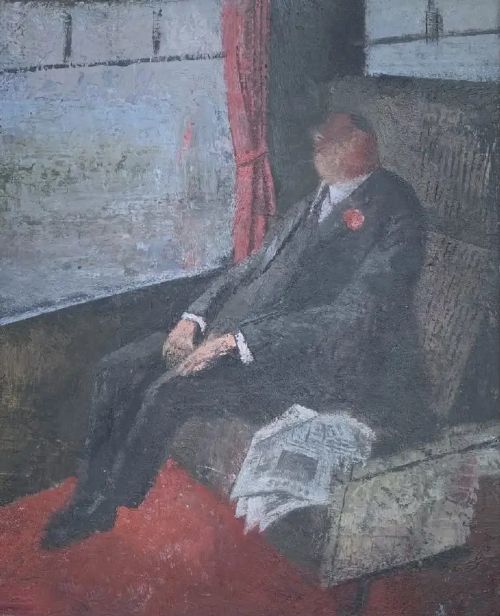
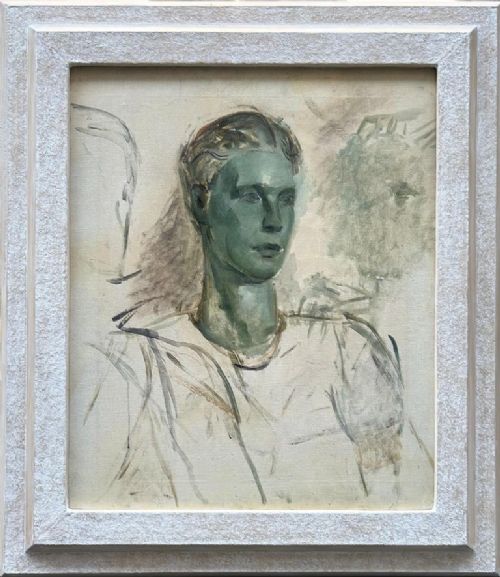
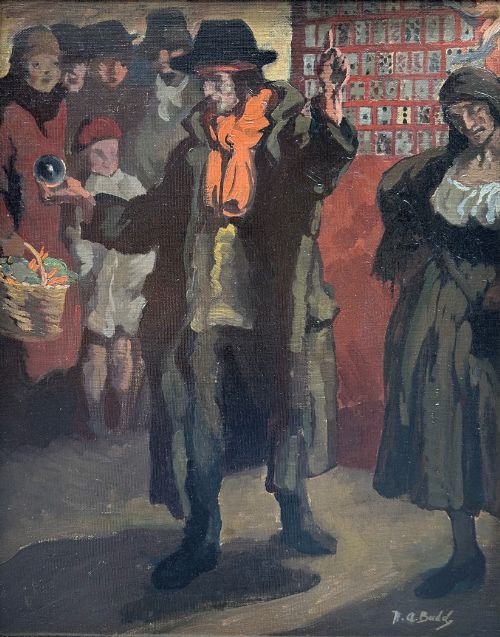
Original Figurative Oil Artwork
Original figurative oil artwork brings human presence and narrative depth into a room through pigment laid thick on canvas or board.
Original Figurative Oil Artwork
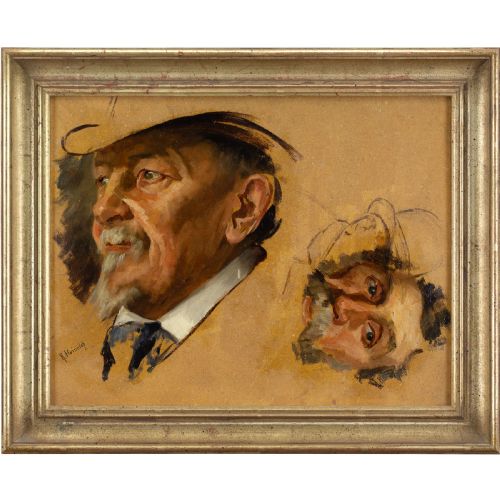
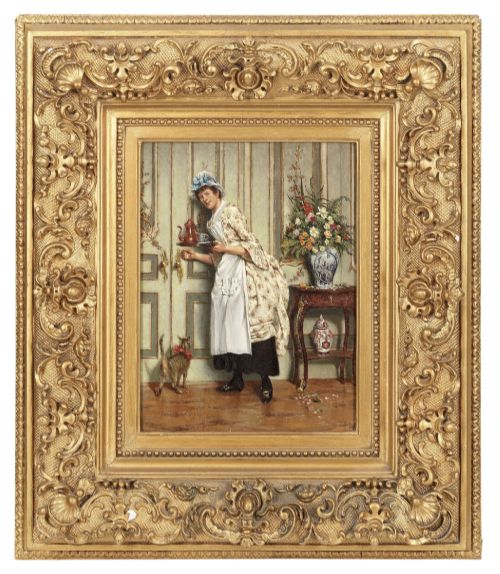
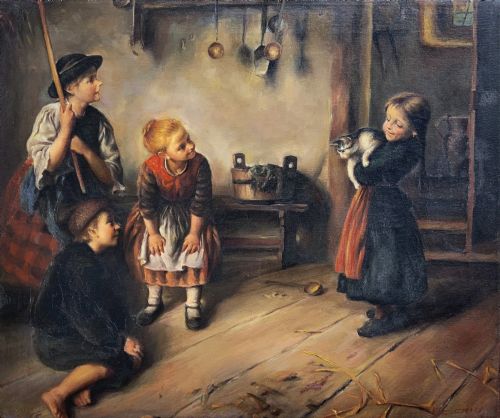
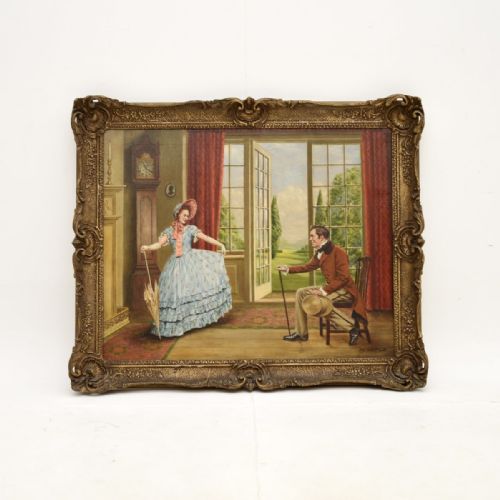
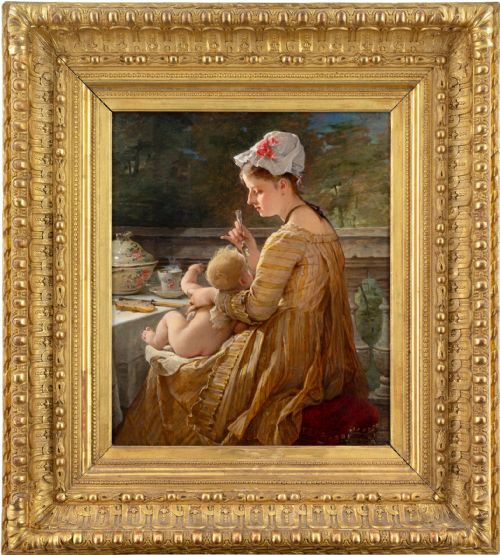
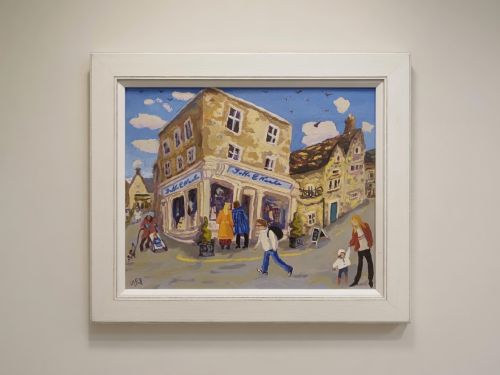
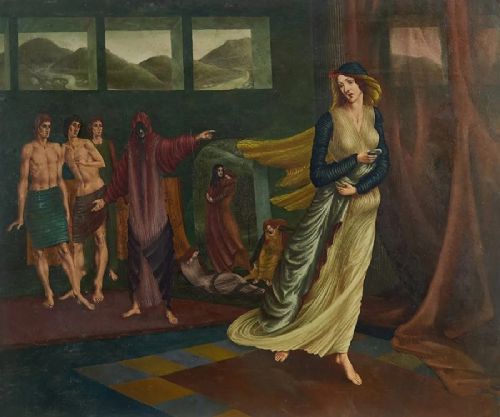
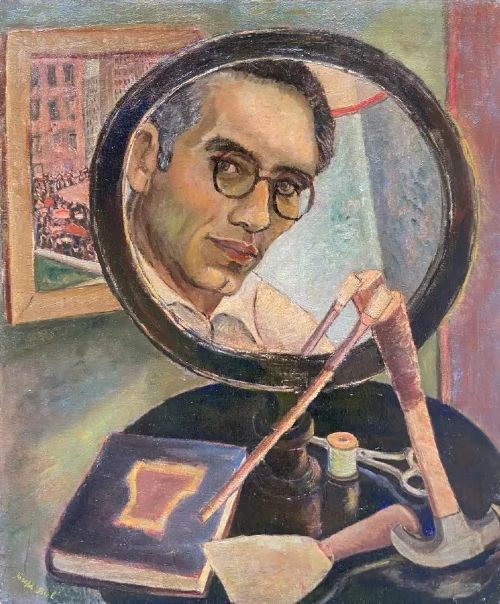
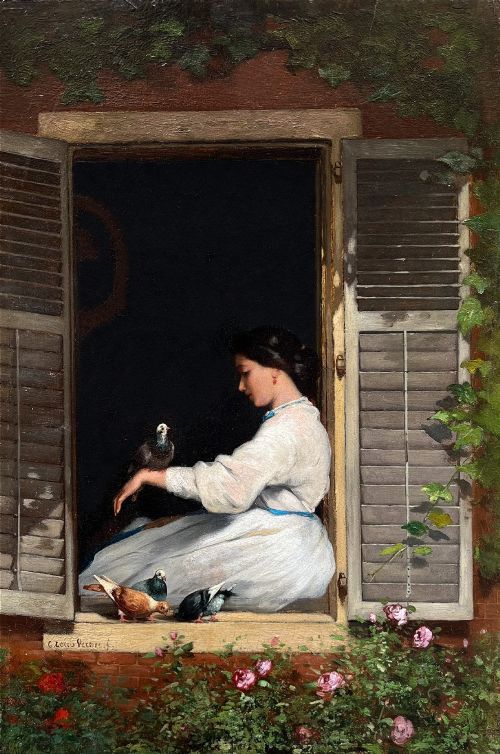
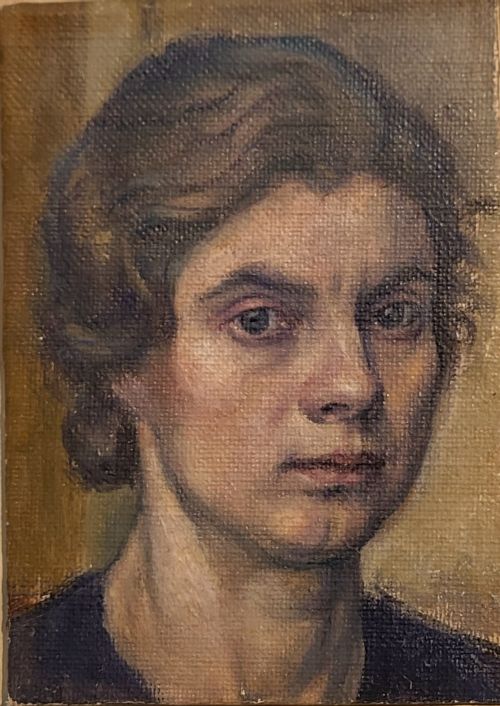
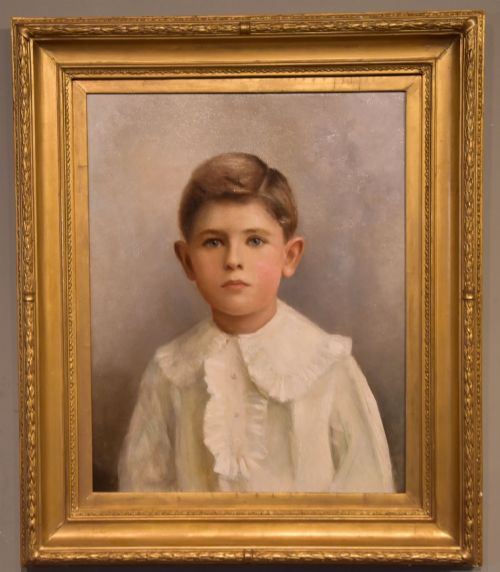
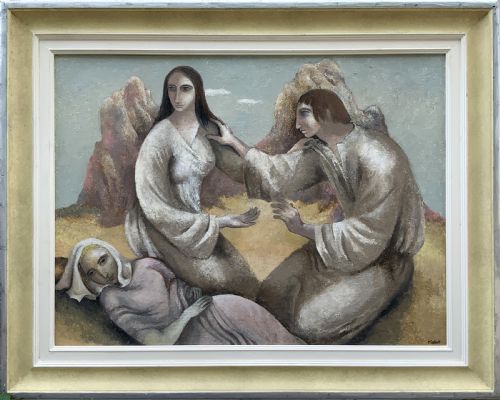
Original figurative oil artwork encompasses painted portrayals of people, domestic interiors, and social scenes created primarily during the nineteenth and twentieth centuries. When searching this phrase, buyers encounter portraits, genre scenes, and studies executed in oils on canvas, panel, or board.
The selections span distinct periods ranging from Victorian realism and Edwardian character studies to Mid-Century Modernism and Post-Impressionism. Portraits of individuals, children, and bathers appear alongside narrative compositions depicting everyday life across Britain and continental Europe.
How they were made
Artists built these compositions using oil paint applied to prepared canvas, wooden panels, or rigid board supports. Pigments were manipulated with brushes or palette knives, sometimes incorporating impasto techniques to build physical texture and depth onto the surface.
Many surviving pieces retain their period frames constructed from wood, gesso, and giltwood. These surrounds range from simple mouldings to heavily ornamented frames that complement the painterly style of the era.
Listings feature works spanning from the 1870s through the 1960s, executed across canvas, wood, board, and gesso.
What varies in quality
Quality rests upon the artist's command of anatomical proportion, spatial depth, and light distribution across the human subject. Masterly handling of brushwork and pigment creates vitality and psychological nuance, whereas lesser works rely on stiff execution and rigid lines.
The preservation of the paint layer and the integrity of the original support determine the enduring visual strength of a piece. Works that retain their unlined canvases and original gilded frames offer a more complete historical record.
Stephen Samuel Lewin·Alfred Lyndon Grace·Adelaïde Salles-Wagner·Lucy Pratt·Joseph Biel·Francisco Sancha·Herbert Ashwin Budd·Louis Charles Verwee·Henry Windsor Fry·Christine Nesbit·Charles James McCall·Umberto Volpato·Renato Moretti·Philip Naviasky·Lilian Colbourn·William Watt Milne·Ronald Ossory Dunlop·Thomas Kent Pelham·A McDonald·Raymond Moritz·Henri Vincent-Anglade·Frans Gailliard·Harry Freckleton·Attilio Toro·Allan Douglas Davidson
The Original Figurative Oil Artwork Glossary
- Impasto
- Paint applied thickly to a canvas or board, leaving prominent brush or knife marks that stand out from the plane. This technique adds tactile three-dimensional quality to clothing, water, or highlights.
- Genre painting
- Artwork depicting scenes from ordinary life, domestic interiors, or social gatherings rather than grand historical or mythological subjects. These works capture the daily routines and character of past eras.
- Giltwood
- Wood carved and coated with gold leaf or gold paint, frequently used for traditional picture frames. It provides a warm, reflective border that separates the canvas from the surrounding wall.
- Gesso
- A paint mixture consisting of a neutral binder mixed with chalk, gypsum, or pigment used to prepare wood panels or canvases. It creates a smooth, stable surface for oil painting.
- Post-Impressionism
- An art movement extending roughly from the late nineteenth century where painters rejected naturalistic depiction in favour of expressive use of colour and form. Practitioners focused on symbolic content and structural brushwork.
Original Figurative Oil Artwork: Frequently Asked Questions
What is figurative oil artwork?
Figurative oil artwork consists of paintings that represent human subjects, ranging from formal portraits and intimate domestic scenes to outdoor gatherings and character studies. Artists utilise oil-based paints on canvas or board to capture the likeness, posture, and expression of individuals.
These works draw their visual appeal from the tactile quality of the pigment and the ability of the painter to convey narrative and emotion. They serve as historical windows into past fashion, interior design, and social interaction.
How do I choose the right frame?
Selecting a frame involves balancing the period of the artwork with the architectural style of your interior space. Many pieces retain their original giltwood or moulded wooden frames, which harmonize naturally with the painting's age and palette.
If a piece lacks its period surround, a simple wooden or subtly gilded frame allows the canvas to remain the primary focus. Avoid overly ornate modern reproductions that might overpower delicate nineteenth-century brushwork.
Where should I hang an oil painting?
Oil paintings on canvas or board perform best in rooms with stable temperature and humidity levels away from direct sunlight. Excessive heat from fireplaces or prolonged exposure to strong UV rays can cause the paint layer to dry out or crack over time.
Positioning the artwork at eye level in a hallway, drawing room, or study ensures optimal viewing of the subject and brushwork. Adequate ambient lighting enhances the tonal variations within the oil medium.
How can I tell the period of a painting?
Dating an oil painting requires examining clues found within the subject's clothing, hairstyle, and surrounding domestic objects. Fashion changes and interior decor provide reliable chronological markers for Victorian, Edwardian, and mid-century works.
Additionally, the construction of the stretcher frame, the type of canvas or board support, and any artist signatures or inscriptions on the reverse offer further evidence. Comparing the handling of paint with documented styles from specific decades helps narrow the timeline.