




Impressionist Snow Painting
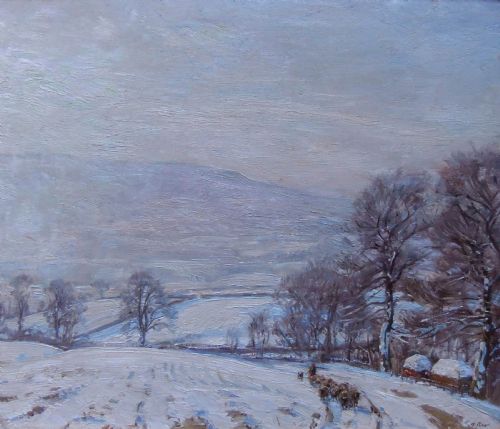
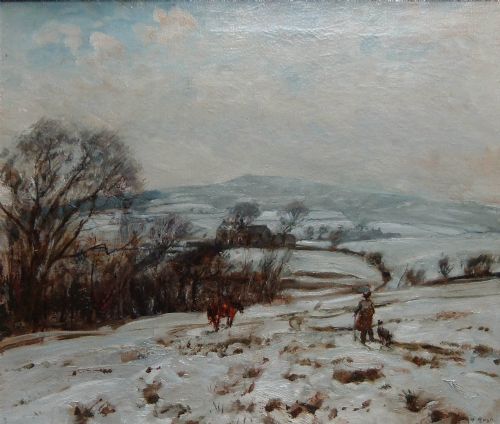
Impressionist snow painting works capture the quiet stillness of winter through loose brushwork and a subtle palette.
Impressionist Snow Painting
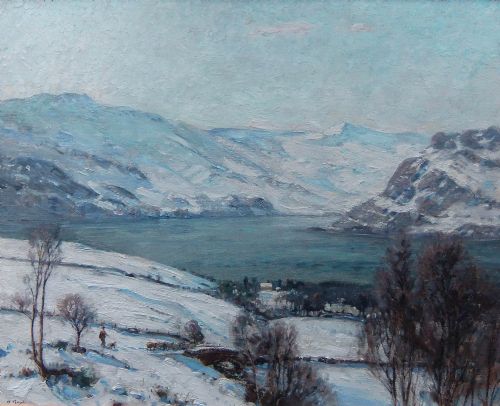
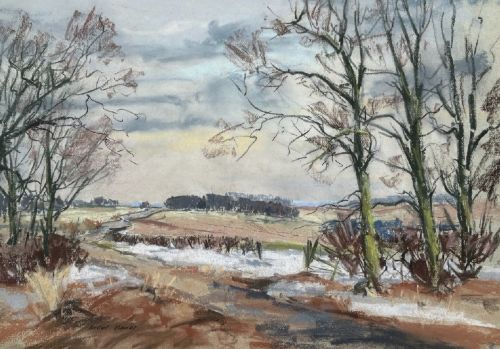
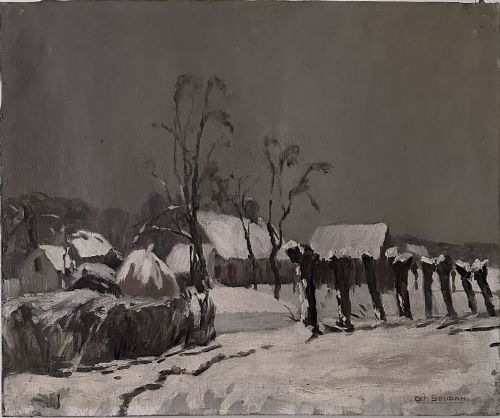
An impressionist snow painting records the transient light and cold atmosphere of the winter landscape. These works capture frozen fields, snow-covered villages, and frost-laden valleys across Britain, France, and Canada. You meet these pieces in oil paint, watercolour, and gouache on canvas, board, and paper.
The selections span the early twentieth century, with notable representation from the nineteen-tens, twenties, and thirties alongside mid-century examples. British Impressionism and the French School dominate the styles, showing rural scenes from Yorkshire dales to Montmartre. Many pieces record specific regional locations such as Wharfedale, Swaledale, and Wensleydale.
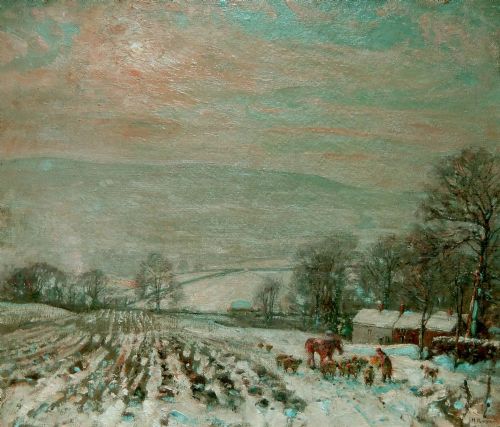
The most common formats are framed oils and watercolours depicting farmsteads, cottages, and figures gathering fuel in the snow. Artists employ rapid brush marks to render the heavy texture of snow and the pale light of a frosty morning. These paintings bring the stillness of the winter outdoors directly into domestic spaces.
Materials and technique
Artists built these scenes using oil paint or watercolour applied to canvas, wood panels, gessoed surfaces, and paper. Oil paint allowed makers to build thick, impasto textures that physically mimic the heavy drifts of fresh snow. Watercolours and gouache on paper capture a thinner, more translucent winter light.
The technique relies on broken colour and visible brushstrokes rather than rigid academic drawing. Painters used cool blues, greys, and crisp whites alongside warm earth tones to render shadows cast across frozen ground. Supports range from stretched canvas and wooden boards to heavy paper sheets.
Impressionist Snow Painting Retail Price Guide 2026
Typical asking prices for impressionist snow painting among the pieces listed under this phrase on Sellingantiques today, from the lower quarter to the upper quarter. They describe what is for sale here now, not the wider market.
Several artists braved freezing northern fields simply to paint sheep huddled together for warmth in the snow.
Distinctions in quality
Quality rests in the economy of the brushwork and the artist's ability to convey winter light with minimal strokes. Superior works capture the exact chill and low glare of a short winter day through confident handling of paint. Weaker examples lean on formulaic application without capturing the specific atmosphere of the frost.
The strength of the composition and the fidelity of the tonal range separate ordinary topographical records from accomplished impressionism. Works that integrate the texture of the gesso or canvas into the depiction of snow show a deeper mastery of the medium.
Herbert Royle·A McDonald·Gaston Cornil·Fred Lawson·Ernest Higgins Rigg·Emily M Paterson·William Cave Day
The Impressionist Snow Painting Glossary
- Impressionism
- A style of painting emphasising loose brushwork, the shifting effects of light, and ordinary subject matter. This approach prioritizes the overall visual sensation over minute academic detail.
- Impasto
- Paint applied thickly to a canvas or board, standing out in relief from the surface. In winter scenes, this technique renders the physical bulk of snow drifts.
- Gouache
- An opaque water-based medium that dries to a matte finish. Artists often combine gouache with watercolour on paper to add solid highlights of winter light.
- Gesso
- A plaster-like mixture applied to wood or canvas to prepare a smooth surface for painting. It provides a stable ground for both oils and watercolours.
Impressionist Snow Painting: Frequently Asked Questions
How do I care for an old oil painting?
Keep the piece away from direct sunlight and rapid fluctuations in household temperature to protect the canvas and paint layers.
Dust the surface gently with a soft, dry brush and avoid using liquid cleaners on either the painting or its frame.
What periods do these paintings cover?
The available works date primarily from the early twentieth century, spanning the nineteen-tens, twenties, and thirties.
Several pieces also extend into the nineteen-fifties, reflecting mid-century approaches to the winter landscape.
Are these works painted outdoors?
Many impressionist works began as direct studies completed in the open air to capture the exact light of a frosty morning.
Artists frequently translated these initial observations into finished compositions within the studio.
How do oils and watercolours differ?
Oils offer a heavy, buildable medium that captures the thick texture of snow through impasto application on canvas or wood.
Watercolours and gouache on paper rely on the white of the paper showing through transparent washes to suggest light and frost.