

Brown Tones Artwork
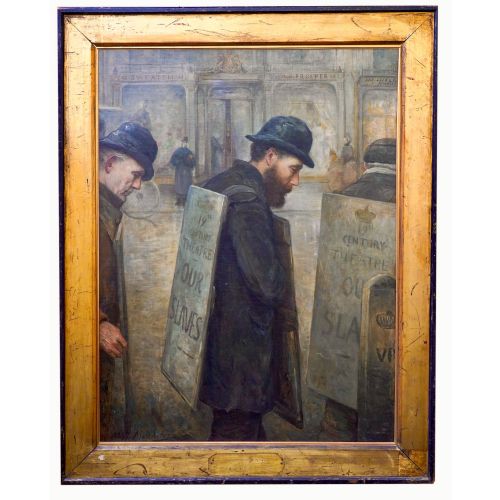
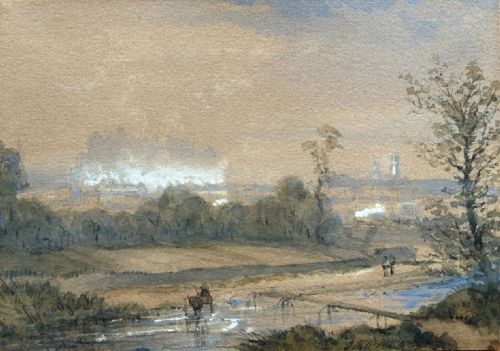
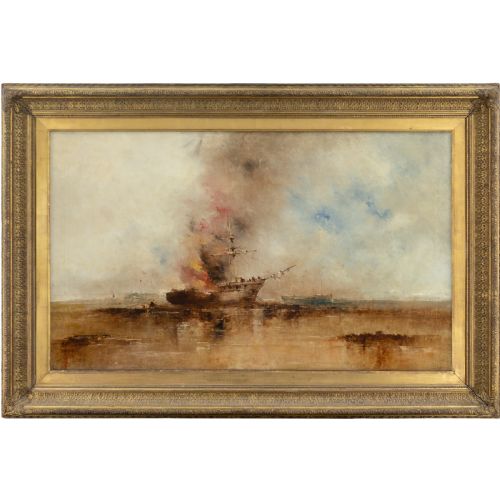
Brown tones artwork brings together centuries of painted landscapes, maritime scenes, and portraits rendered in rich earth hues.
Brown Tones Artwork
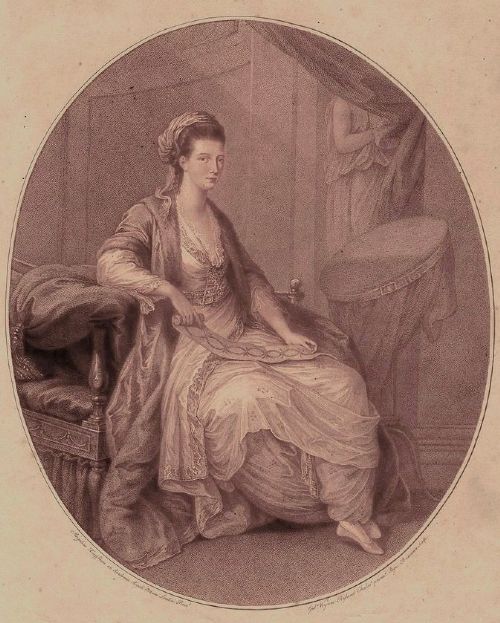
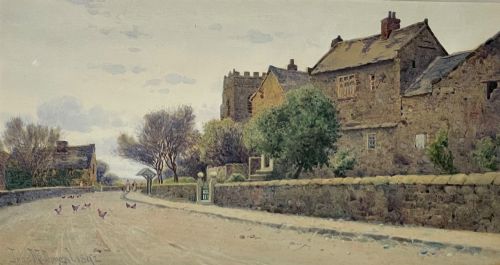
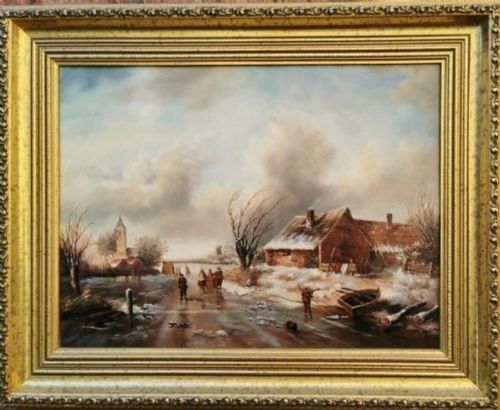
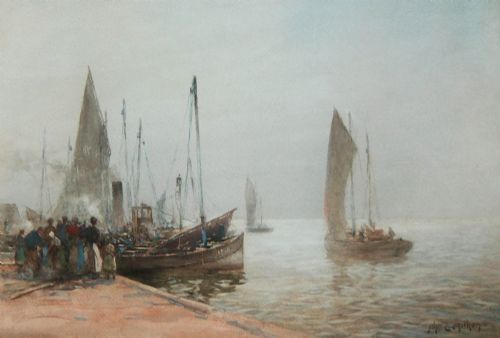
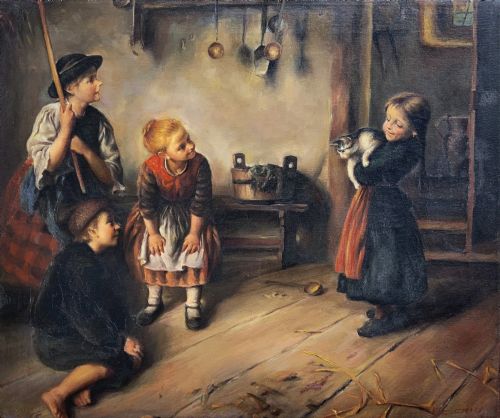
Brown tones artwork encompasses oil paintings, watercolours, and portrait engravings spanning from the seventeenth century through to the mid-twentieth century. Buyers searching this phrase meet a predominance of Victorian and early twentieth-century British and European landscapes, genre scenes, and portraiture.
How they were made
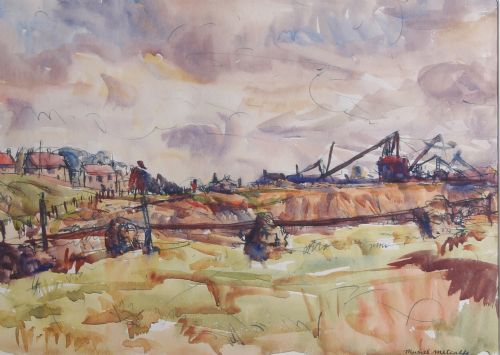
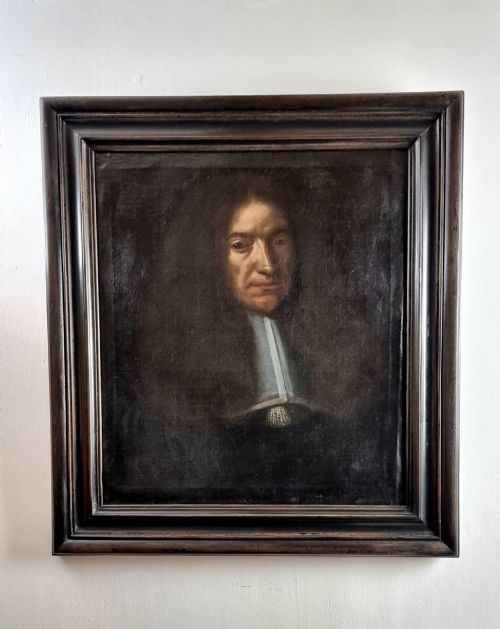
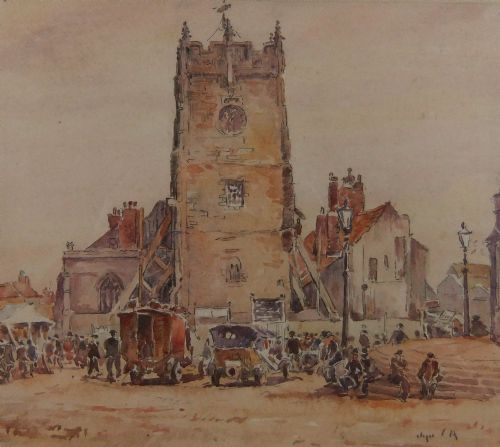
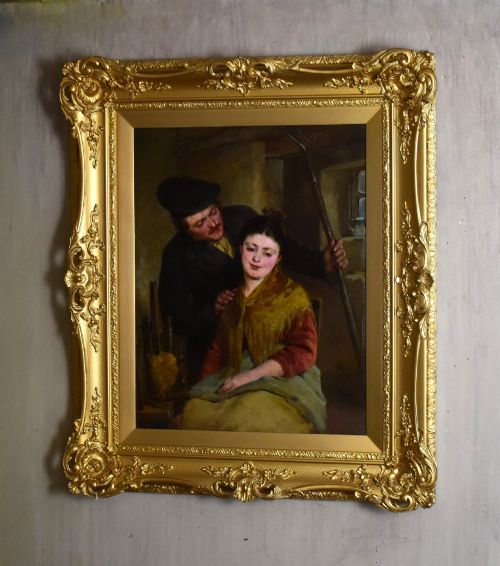
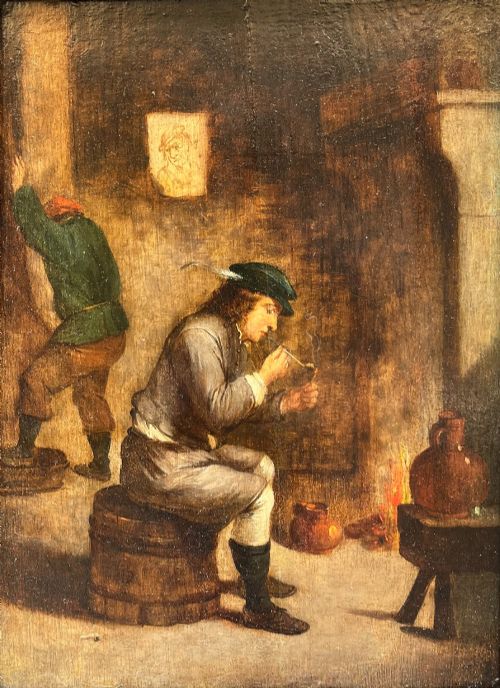
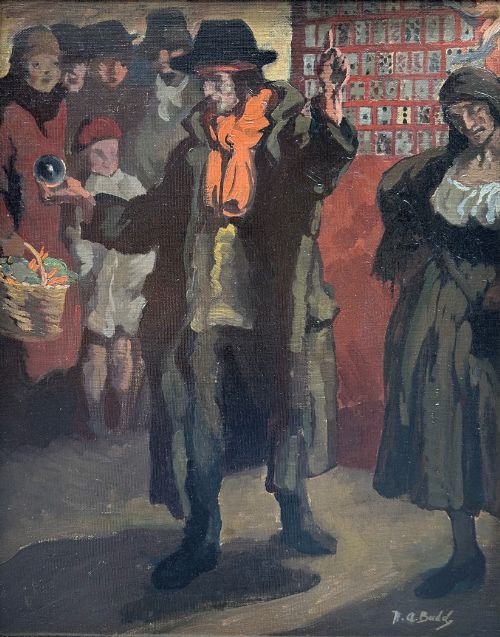
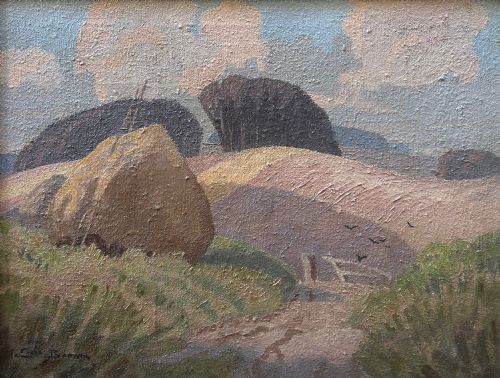
Artists applied oil paint to stretched canvas, wooden panels, or board, building up depth through layered earth pigments and varied brushwork. Watercolour and bodycolour works on paper utilise fluid washes alongside opaque highlights to construct fine topographical and figurative detail.
Engraved portraits and works on paper demonstrate precise linear techniques, utilising ink on prepared paper surfaces. Wooden panels and framed supports often retain their original structures, providing stable foundations for oil and watercolour layers.
Materials documented in these listings include canvas, oil paint, paper, wood, and watercolour across various centuries.
What varies in quality
The standard of an artwork rests upon the artist's command of light, shadow, and tonal transition within a restricted earth palette. Skilled handling of oil paint or watercolour brings texture and atmospheric depth to landscapes and figures, distinguishing accomplished pieces from rigid or flat compositions.
Condition and preservation of the support, whether canvas, paper, or wood panel, influence the integrity of the image. Strong provenance and authentic signatures by recorded painters elevate specific works above anonymous historical pieces.
George Sydney Shepherd·Felix Stone Moscheles·John R Prentice·Tom Campbell·William McAlpine·John McDougal·James E Aitken·Howard Helmick·David Teniers·Herbert Ashwin Budd·Eric Brown Haystacks·Florence Small·Paul Ehrenberg·William Watt Milne·Harry Brooker·Alfred George Morgan·James Tower·Gyrth Russell·Raimond Louis Lecourt·John Watkins Chapman·Gabriel Puig Roda·Owen Bowen·George Armfield·Vincenzo Irolli
The Brown Tones Artwork Glossary
- Bodycolour
- Watercolour paint mixed with a white pigment to render it opaque. This technique allows artists to add solid highlights and dense areas of colour to paper supports.
- Impasto
- Paint applied thickly to a canvas or board, leaving visible brush or palette knife marks. This method adds tangible texture and dimension to the surface of an artwork.
- Genre painting
- Artwork depicting scenes from everyday life, ordinary people, and domestic interiors. These pieces capture historical social customs and domestic narratives.
- Wood panel
- A rigid wooden support used by artists as an alternative to canvas. Panels provide a firm, stable base for early oil paintings.
- Provenance
- The documented history of ownership of an art piece. A clear provenance helps establish authenticity and historical attribution.
Brown Tones Artwork: Frequently Asked Questions
What periods do these artworks cover?
The selection spans from the seventeenth century through to the mid-twentieth century, encompassing seventeenth-century portraits, Victorian genre scenes, and mid-century modern abstract compositions.
Works from the nineteenth and early twentieth centuries are particularly well represented, reflecting traditional British and European painting styles and techniques.
How are these paintings supported?
Artworks utilise a variety of traditional supports including stretched canvas, heavy paper, wooden panels, and boards. Watercolours and drawings are typically executed on paper surfaces, while oil paintings utilise canvas or wood.
Selecting the right support depended on the chosen medium, with sturdy wooden panels frequently chosen for panel paintings and lighter paper used for watercolours and bodycolour.
Where did these subjects originate?
The pieces originate from across Britain and continental Europe, featuring locations such as Scottish highlands, Yorkshire landscapes, French provincial scenes, and Dutch winter views.
Subjects document specific towns, rural villages, and coastal harbours, alongside historical figures, domestic genre scenes, and portraits of notable individuals.
How should I display an antique artwork?
Antiques require placement away from direct sunlight and excessive moisture to protect delicate paper supports, watercolours, and oil on canvas surfaces. Proper framing preserves the structural integrity of the piece over time.
Maintaining stable environmental conditions in a home ensures that pigments, wooden panels, and canvas supports remain well-preserved for future years.