

Vintage Timekeeper
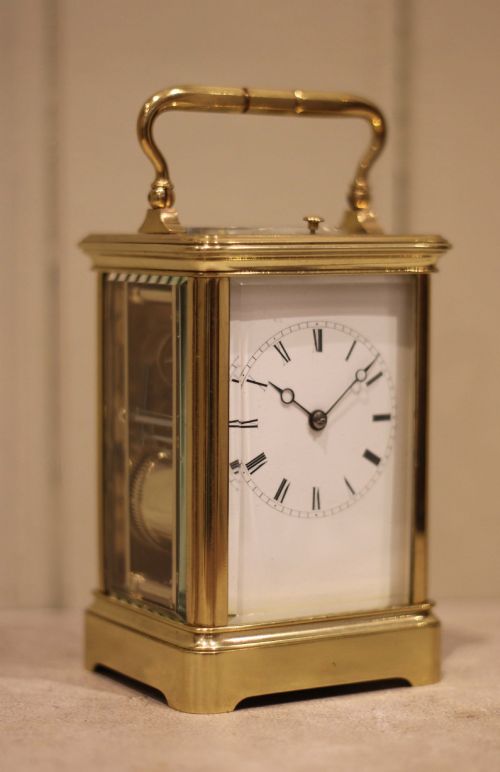
A vintage timekeeper gathers centuries of mechanical craft, from brass carriage clocks to railway pocket watches.
Vintage Timekeeper
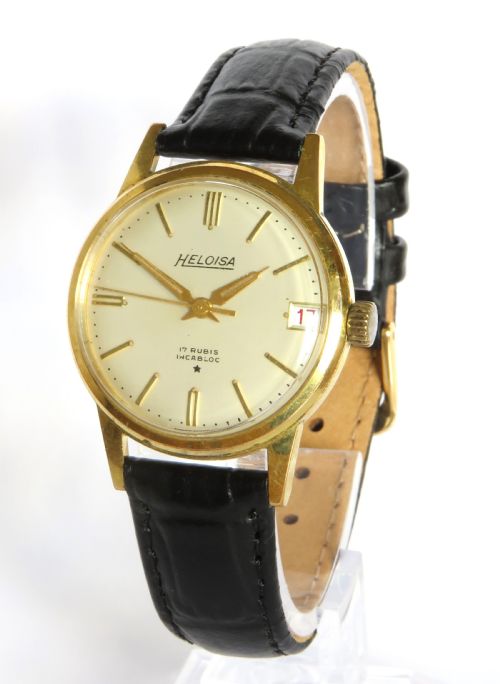
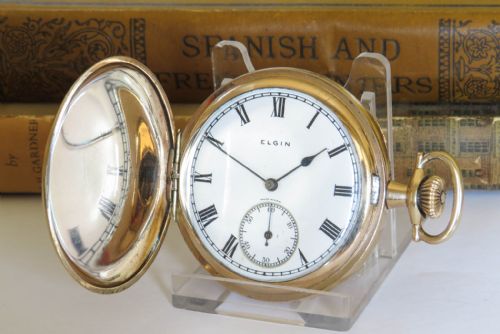
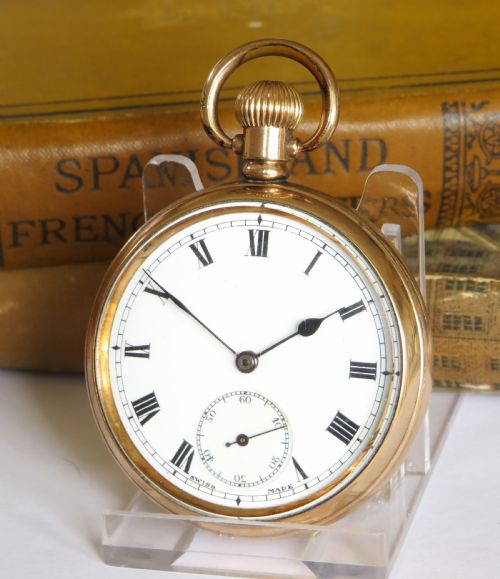
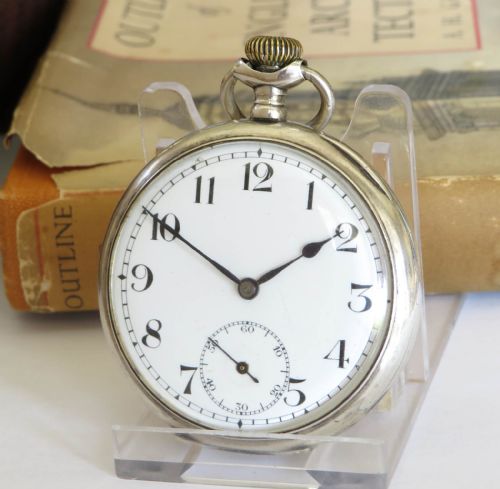
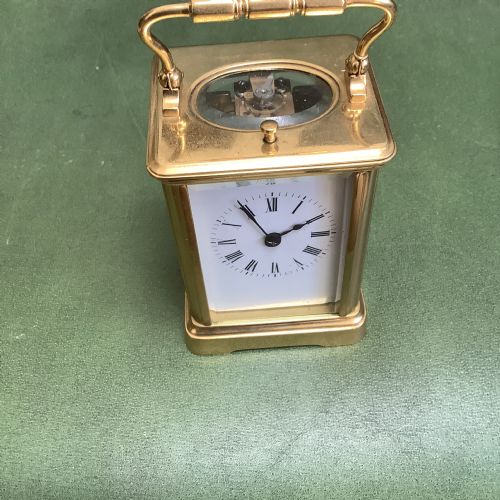
A vintage timekeeper covers portable pocket watches and wristwatches alongside domestic mantel, wall and carriage clocks. The selection spans the Victorian and Edwardian eras through Art Deco and Mid-Century Modern designs, originating from British, French and Swiss workshops.
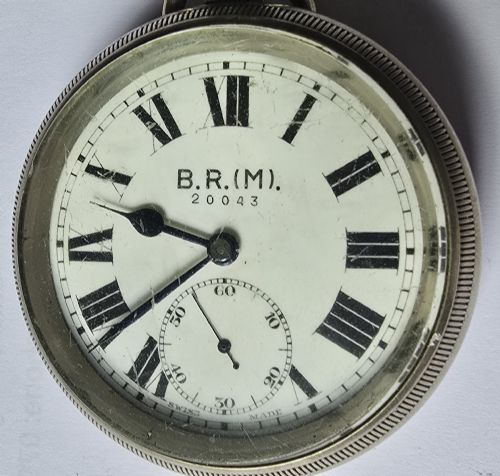
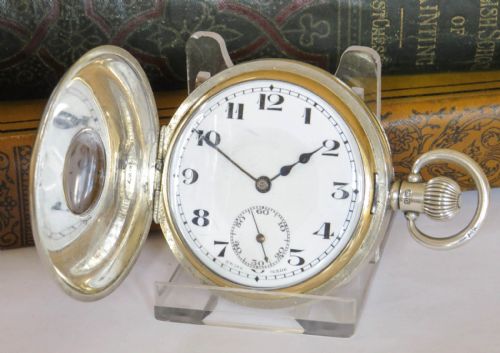
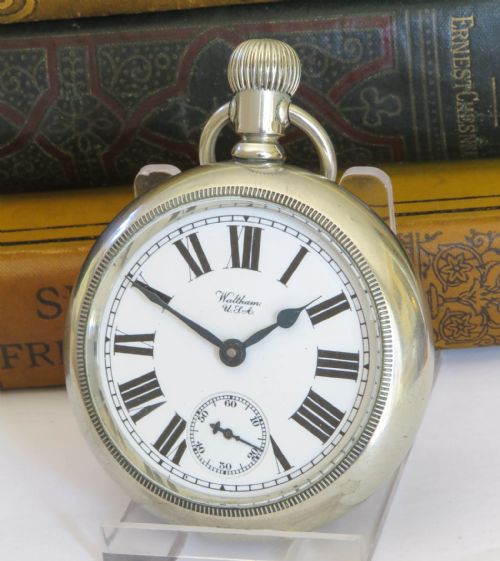
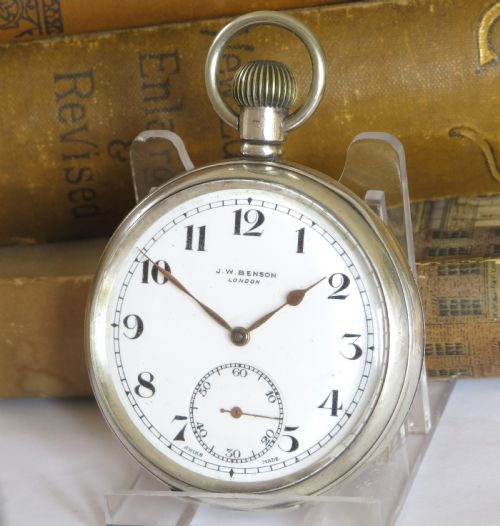
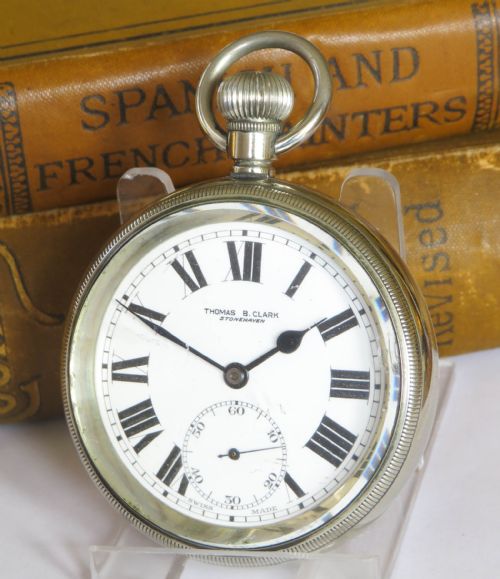
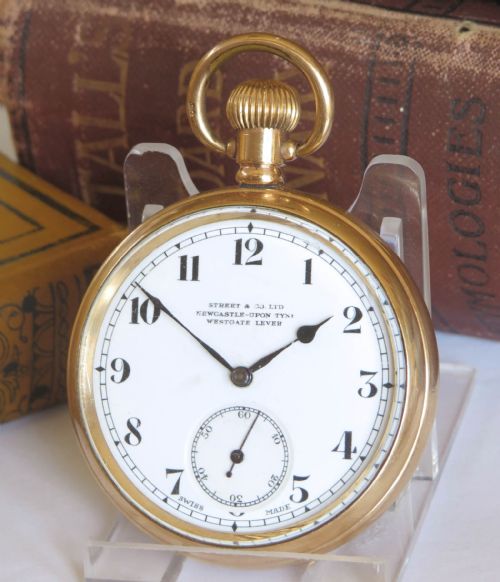
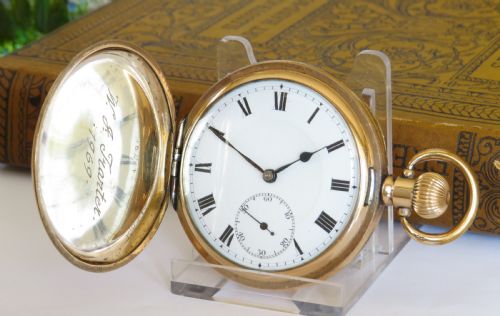
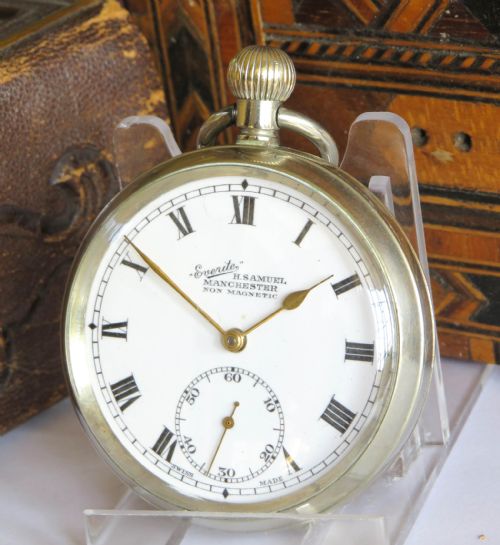
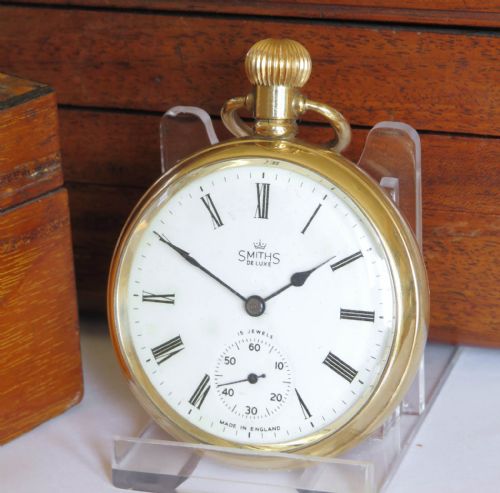
Pocket watches and robust carriage clocks dominate the offerings, often bearing railway service marks, presentation inscriptions or decorative enamel dials. Domestic timepieces appear in mahogany, oak, walnut and gilt brass cases reflecting their respective periods.
Buyers encounter everything from utilitarian railway timekeepers to decorative French striking clocks and miniature designs. Each piece reflects the functional requirements and stylistic tastes of its manufacturing era.
Materials and Construction
Metal forms the backbone of these pieces, utilising brass and gilt bronze for carriage clock frames alongside silver, gold plate and stainless steel for watch cases. Movement components rely on hardened steel gears, brass plates and jewelled bearings to reduce friction.
Cabinetmakers utilised mahogany, walnut, golden oak and bakelite for clock housings, frequently incorporating inlaid veneers, glass viewing panels and enamelled dials. Hourglasses integrate blown glass bulbs and wooden frames to contain fine sand.
Oddfellows pocket watches let fraternal members time their meetings with secret fraternal pride.
Distinctions in Quality
Quality rests in the precision of the movement, indicated by complex complications like striking mechanisms, repeating functions and higher jewel counts in watch escapements. Maker reputation and signed movements elevate a piece above standard utility items.
Material selection and decorative execution separate standard production models from exceptional examples. Heavy cast brass cases with hand engraving, quality timber veneers and undamaged enamel dials distinguish the finest examples.
Waltham·Cyma·Jaz·John Morley·Zenith
The Vintage Timekeeper Glossary
- Carriage clock
- A portable, spring-driven clock with a carrying handle, originally designed for travellers in the nineteenth century.
- Full hunter
- A pocket watch featuring a spring-loaded metal cover that protects the glass dial from scratches.
- Repeater
- A mechanical timekeeper that chimes the hours and quarters upon demand when a lever is activated.
- Escapement
- The internal mechanism that controls the release of power to maintain the motion of the clock or watch.
- Hallmark
- An official stamp applied to precious metals indicating the assay office, metal purity and year of testing.
Vintage Timekeeper: Frequently Asked Questions
How do I wind a mechanical pocket watch?
Wind the crown gently between your thumb and forefinger until you feel resistance, taking care not to force it past the stop point.
Most vintage pocket watches require daily winding to maintain accurate timekeeping throughout the day.
Were carriage clocks meant for travel?
Nineteenth-century travellers placed these spring-driven clocks inside fitted leather travelling cases to absorb the shocks of carriage journeys.
Over time, they transitioned into decorative domestic mantel timepieces rather than practical transit items.
How do I identify the production era?
Examine the casework styling, such as Art Deco geometric lines or Victorian mahogany inlays, alongside any visible hallmarks on silver and gold cases.
Maker signatures and serial numbers engraved on the internal movements provide further chronological reference points.
How should I care for a vintage clock?
Keep mechanical timepieces away from direct sunlight, damp environments and extreme temperature fluctuations to protect internal oils and wooden cases.
Professional servicing every few years ensures the delicate gear trains and escapements continue to function correctly.