



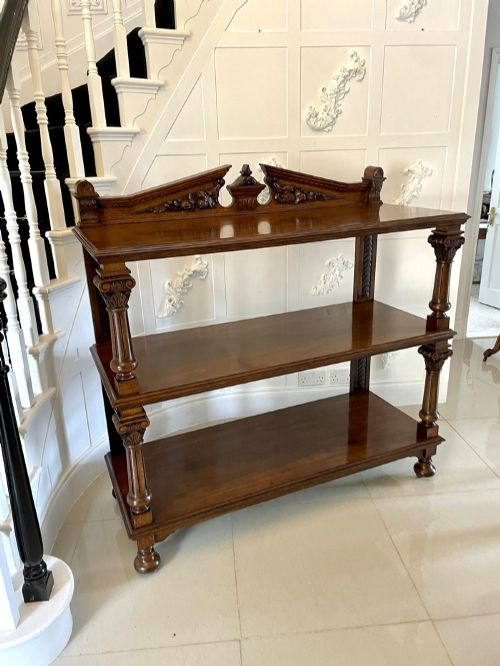

Vintage Tiered Side Table
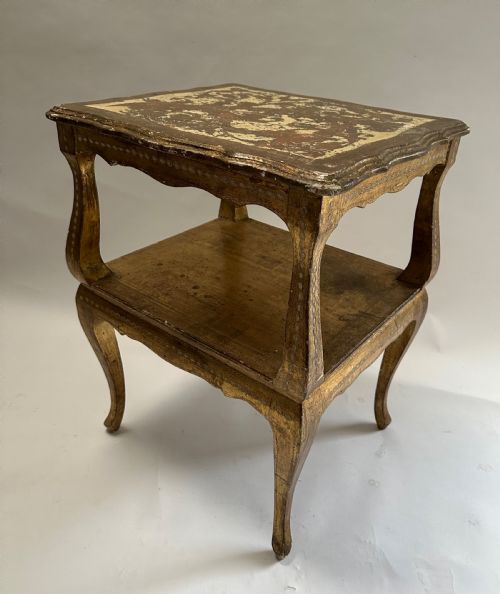
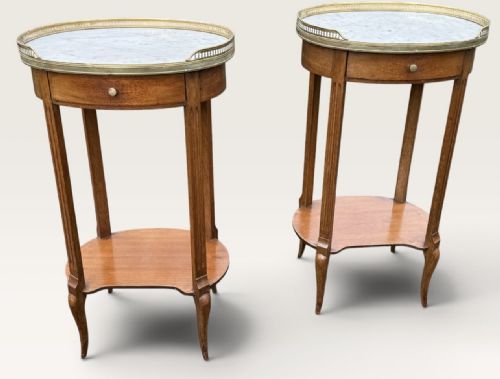
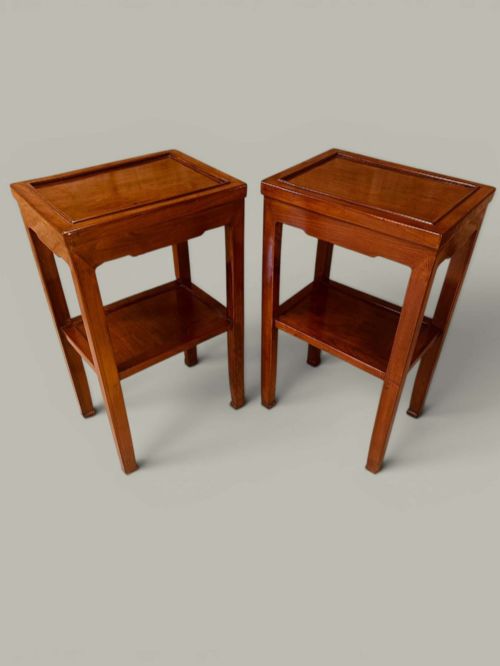
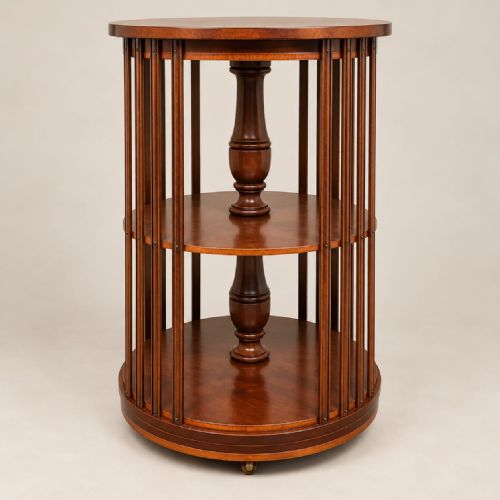
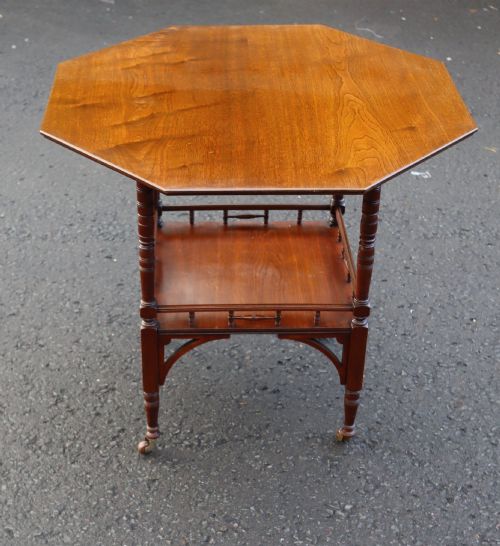
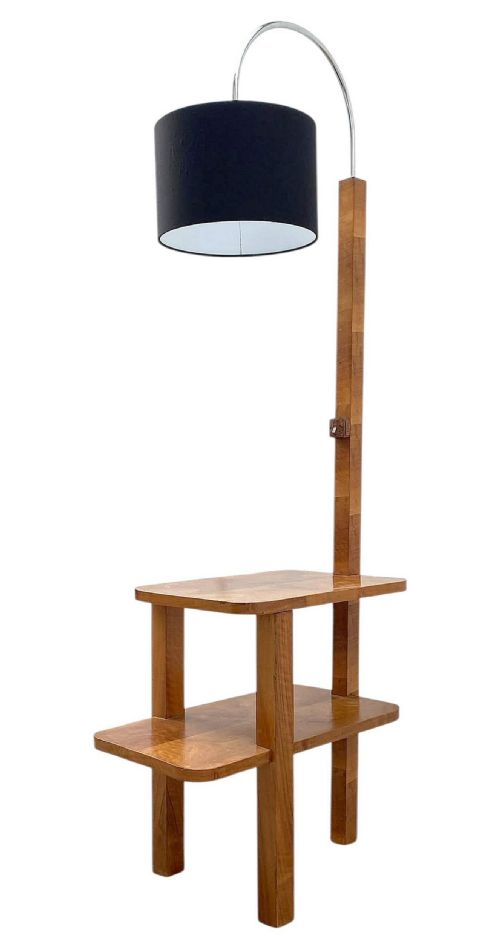
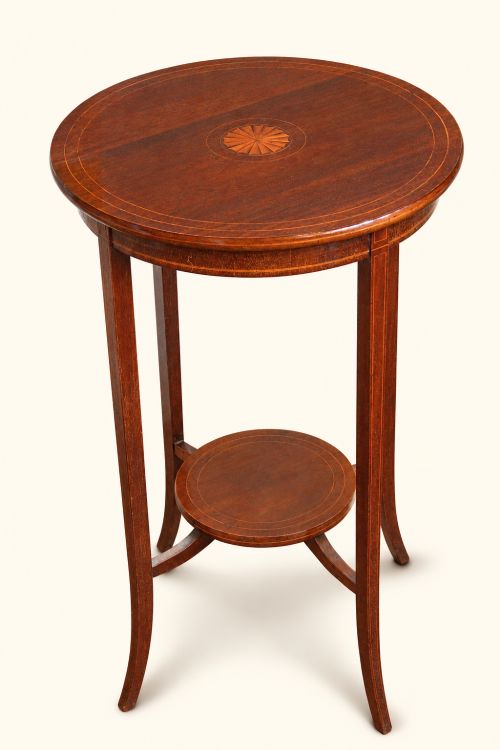
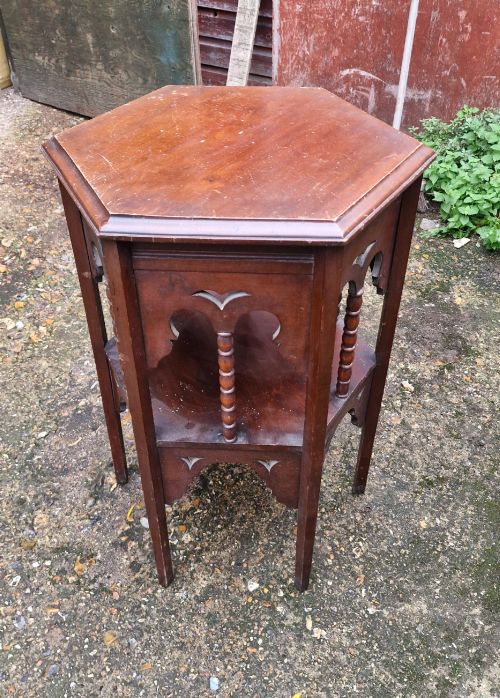
A vintage tiered side table brings stacked display space to a room, offering multiple levels of surfaces for lamps and objects in oak, walnut, or mahogany.
Vintage Tiered Side Table
A vintage tiered side table organises vertical space by providing two or more horizontal surfaces connected by upright supports. These multi-level designs appear in formats ranging from simple lamp tables and occasional pieces to trolley variants and etagucheres.
The selections available span multiple periods, with Edwardian and Art Deco pieces appearing frequently alongside Victorian and earlier examples. Buyers encounter forms constructed as plant stands, dumbwaiters, and compact bedside units with stacked shelves.
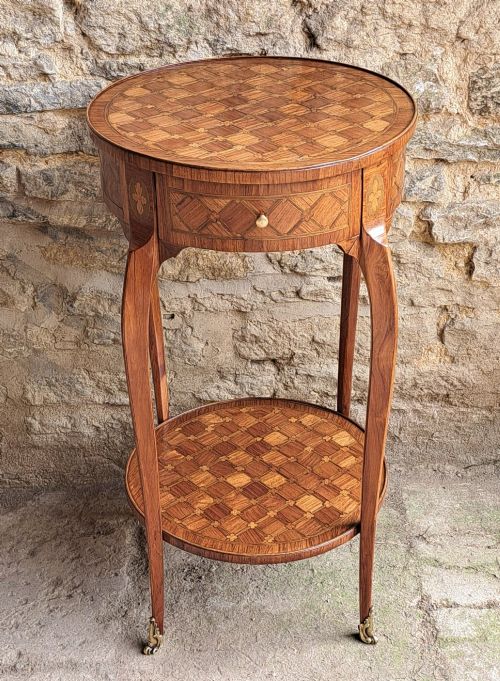
Origin and regional styles vary, encompassing English oak constructions, French walnut items, and Continental painted finishes. Each variant adapts the basic stacked principle to specific domestic uses such as holding tea, books, or lighting.
Distinctions in craftsmanship and materials
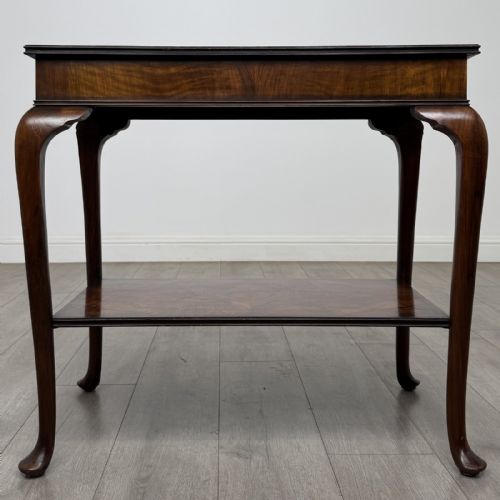
The grade of timber selection marks the primary difference across these tables, with figured walnut and dense mahogany setting a higher standard than plain secondary woods. Figured grains and symmetrical veneer matching indicate careful workshop selection during production.
Structural integrity depends on the rigidity of the upright supports connecting the tiers and the precision of the joints holding each shelf. Finer examples display clean lines without lateral movement, whereas lesser items rely on heavy secondary reinforcement.
Vintage Tiered Side Table Retail Price Guide 2026
Typical asking prices for vintage tiered side table among the pieces listed under this phrase on Sellingantiques today, from the lower quarter to the upper quarter. They describe what is for sale here now, not the wider market.
Even bamboo found a role in multi-tiered tables when Victorian makers embraced botanical whimsy.
The Vintage Tiered Side Table Glossary
- Étagère
- A piece of furniture consisting of a set of open shelves for displaying small objects. This form provides multiple tiers for storage and display.
- Dumbwaiter
- A multi-tiered stand historically used for serving food or holding tableware without the aid of a servant. These items feature graduated circular or oval shelves.
- Veneer
- A thin layer of superior wood glued to a base of common timber. Figured walnut veneer creates decorative grain patterns across table tops.
- Barley twist
- A type of turning shaped like a helix resembling a twisted rope. This detail often forms the vertical supports on Victorian stands and occasional tables.
- Plant stand
- A tall, narrow piece designed to hold potted plants at an elevated level. These items frequently incorporate multiple tiers to accommodate greenery.
Vintage Tiered Side Table: Frequently Asked Questions
What distinguishes a tiered table from a standard side table?
A standard side table provides a single horizontal surface at tabletop height for placement next to seating. Tiered versions add a second or third shelf below the main top to expand usable space.
This vertical stacking allows owners to place lamps on the upper surface while storing books or decorative objects on the lower tiers.
How do I identify an Art Deco tiered table?
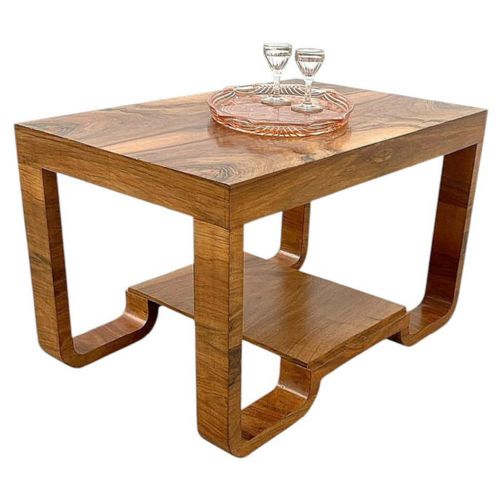
Art Deco pieces typically feature geometric forms, symmetrical layouts, and richly figured walnut or rosewood veneers. The construction dates from the early decades of the twentieth century and often avoids ornate carving.
Lines remain clean and smooth, sometimes accented with contrasting banding or limed oak finishes that emphasise the grain of the wood.
Were these tables used as tea trolleys?
Certain tiered designs incorporate handles and small wheels or castors, specifically functioning as tea trolleys or drinks trolleys. These mobile versions facilitated the transport of glassware and refreshments between rooms.
Stationary etagucheres and plant stands shared the multi-level format but remained fixed in one corner or beside a chair.
How do Edwardian tiered tables differ from Victorian ones?
Victorian examples frequently utilise heavier timbers like dark mahogany or bamboo, sometimes incorporating turned barley twist supports. The aesthetic tends toward ornate detail and eclectic revival styles.
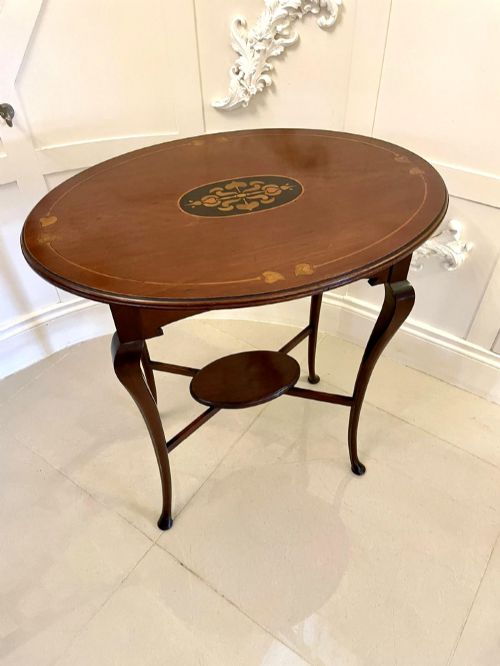
Edwardian versions often present lighter proportions in oak or rosewood, favouring simpler lines intended for smaller drawing rooms and updated domestic interiors.