
Vintage Tiered Lamp Table
A vintage tiered lamp table provides practical surface space across multiple levels, combining period character with functional design for modern rooms.
Vintage Tiered Lamp Table
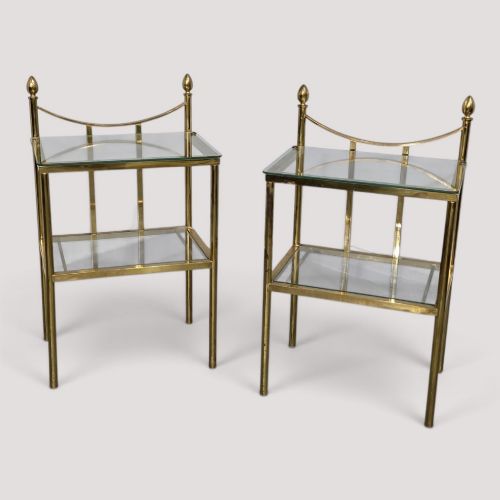
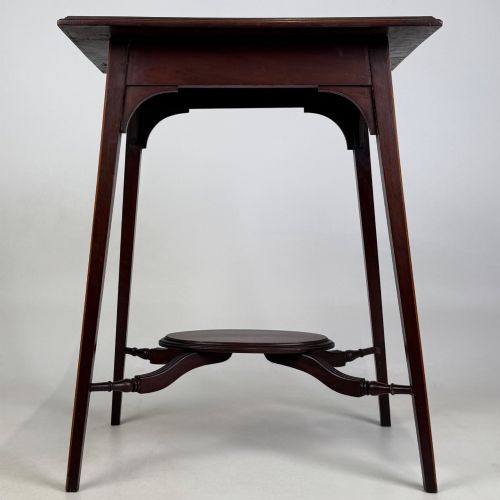
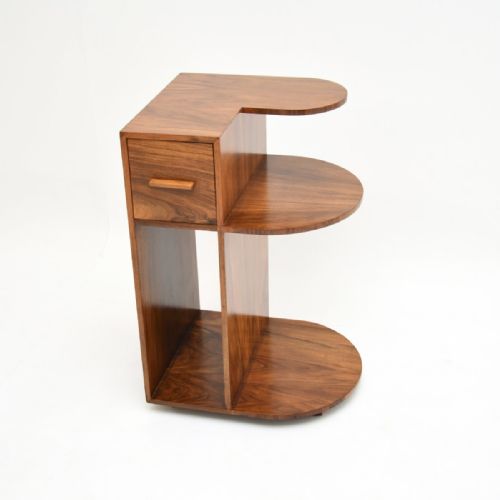
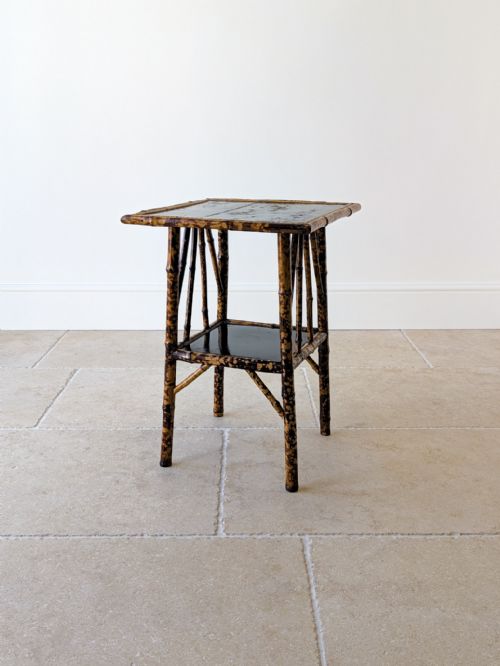
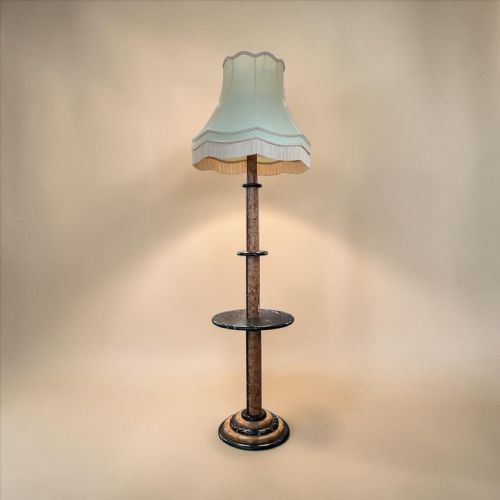
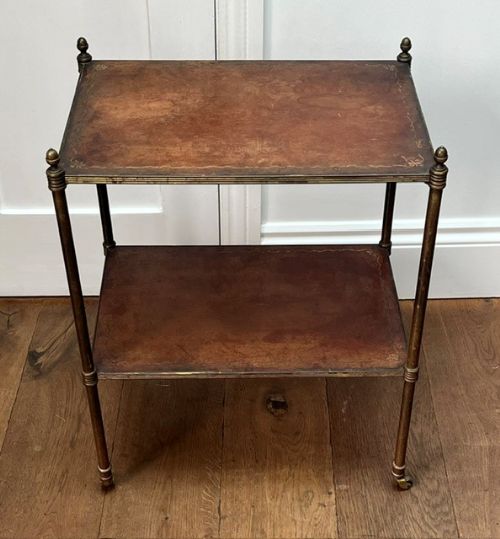
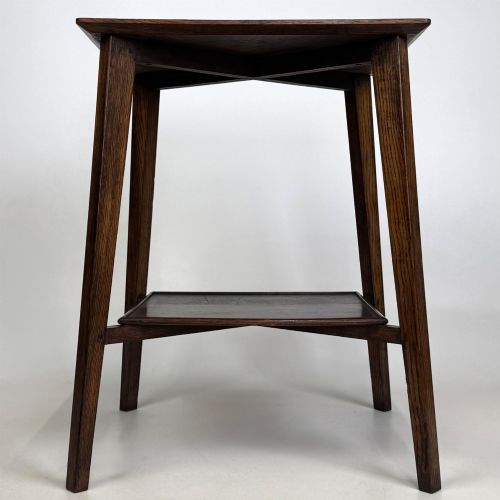
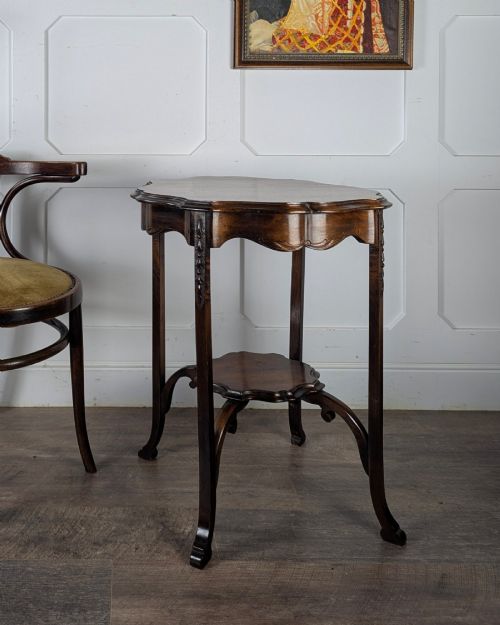
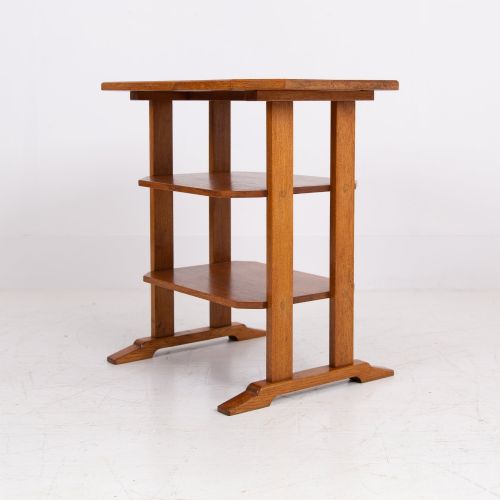
A vintage tiered lamp table serves as a functional multi-level surface designed to hold lighting and everyday objects within sitting rooms. When searching for a vintage tiered lamp table, buyers encounter forms spanning from the Edwardian period through to the Art Deco era.
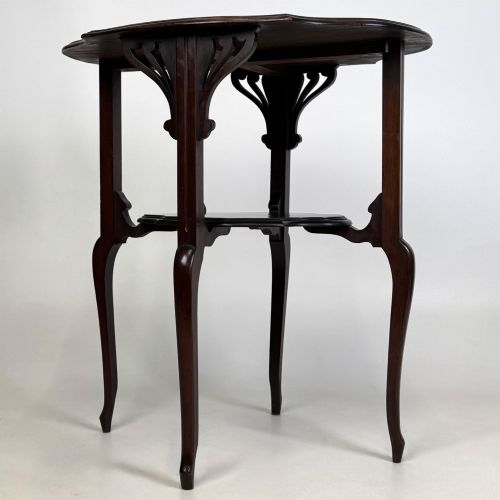
Edwardian and Art Deco examples dominate the selection, often taking the form of two-tier or three-tier occasional tables. These pieces utilise compact footprints to deliver maximum surface utility without crowding a room.
What varies in quality
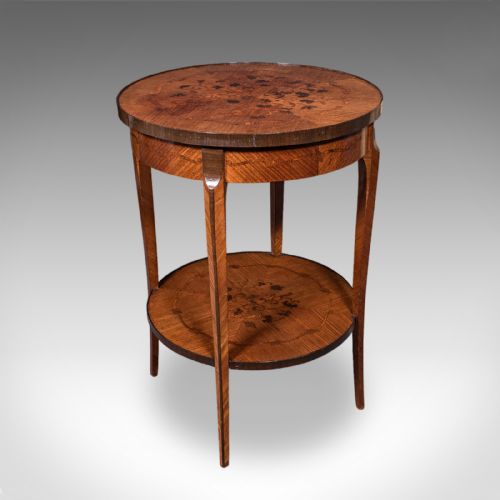
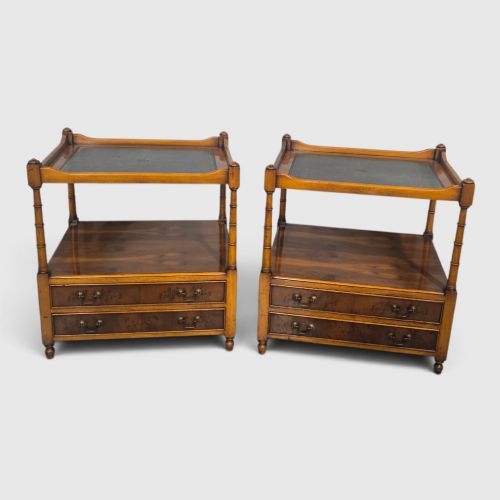
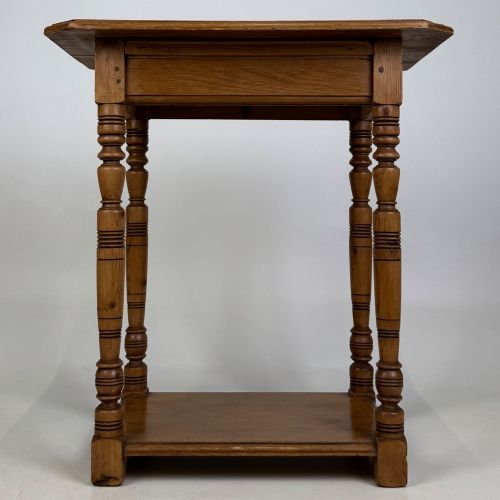
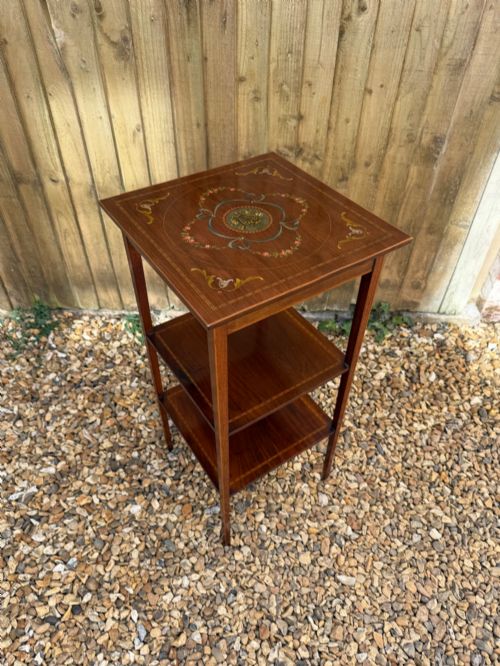
The sophistication of the timber selection and veneer work dictates the standing of an individual piece, with figured walnut and marquetry representing higher craftsmanship. The integrity of the tiers, the crispness of turned or bobbin legs, and the finish of metal mounts separate standard utility tables from finer decorative examples.
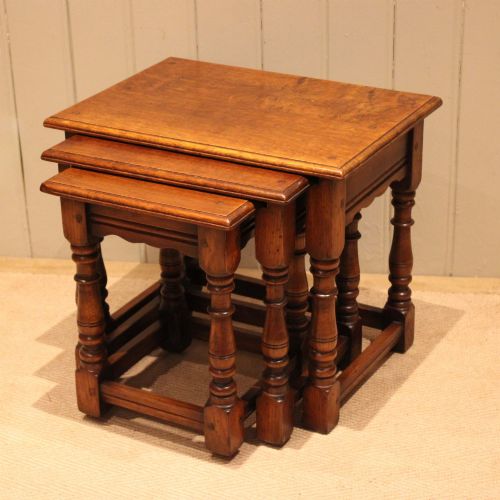
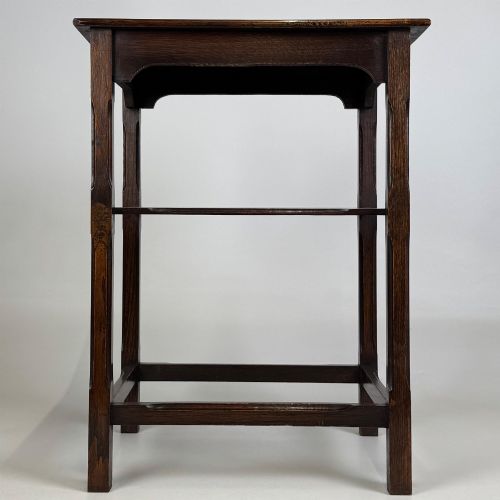
Design ambition also marks the distinction between ordinary production and superior workshop output, particularly in balanced proportions and integrated metalwork. Pieces showing thoughtful restraint in French polish or limed oak finishes demonstrate greater attention to period style.
The listings span from the nineteenth century through the Edwardian era and into the Art Deco period of the 1930s.
The Vintage Tiered Lamp Table Glossary
- Etagere
- A piece of furniture consisting of a set of open shelves for displaying small objects or lamps. These multi-tiered stands emerged in French interiors before becoming popular across British period homes.
- Marquetry
- Decorative inlay work where pieces of wood veneer are fitted onto a structural surface to form geometric or floral patterns. Craftsmen use contrasting timbers to create detailed pictorial designs.
- Cricket table
- A small, lightweight three-legged table with a circular top, traditionally built with an undertier for storage. This vernacular form dates back centuries and saw revival during the Arts and Crafts movement.
- Figured walnut
- Timber cut from walnut trees that exhibit complex, swirling grain patterns caused by growth knots or burls. Cabinet makers prize this material for tabletops to create striking visual movement.
Vintage Tiered Lamp Table: Frequently Asked Questions
What is a tiered lamp table used for?
These tables provide an upper surface for a lamp while lower tiers hold books, drinks, or small decorative items. Their multi-level design maximises surface area within compact floor spaces.
Historically placed beside seating or in corners, they keep everyday items within arm's reach while adding architectural interest to a room.
How do I identify an Edwardian tiered table?
Edwardian examples often feature satinwood banding, inlaid marquetry, or slender tapered legs supporting multiple open shelves. They frequently utilise mahogany, rosewood, or Edwardian satin birch.
Unlike heavier Victorian predecessors, Edwardian pieces lean towards lighter proportions and draw inspiration from French decorative styles of the period.
Are Art Deco tiered tables made of solid wood?
Art Deco designs frequently employ figured walnut veneer over a stable core timber to showcase bold geometric grain patterns. Solid oak, limed oak, and exotic hardwoods also appear alongside modern materials like chrome and glass.
The combination of wood veneers and metal components defines the sleek, streamlined aesthetic characteristic of the 1930s.
Can these tables support heavy lamps?
Most tiered tables easily support standard table lamps and decorative objects distributed across their reinforced platforms. Solid wood and metal-framed etageres offer robust structural stability for daily household use.
Distributed weight across multiple shelves helps maintain balance, though heavier marble-topped versions require careful placement on solid floors.