
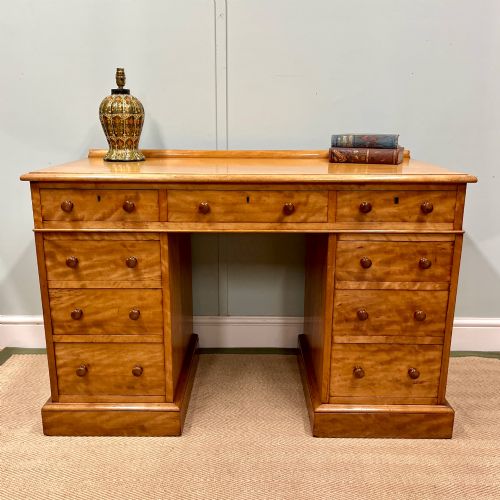


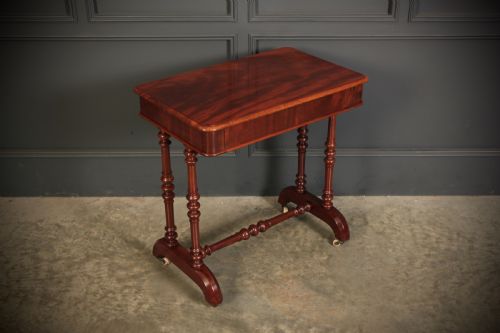


Heal and Son Table
These heal and son table pieces combine utility with quiet London craftsmanship, offering collectors sturdy nineteenth-century timbers and clean modernist lines.
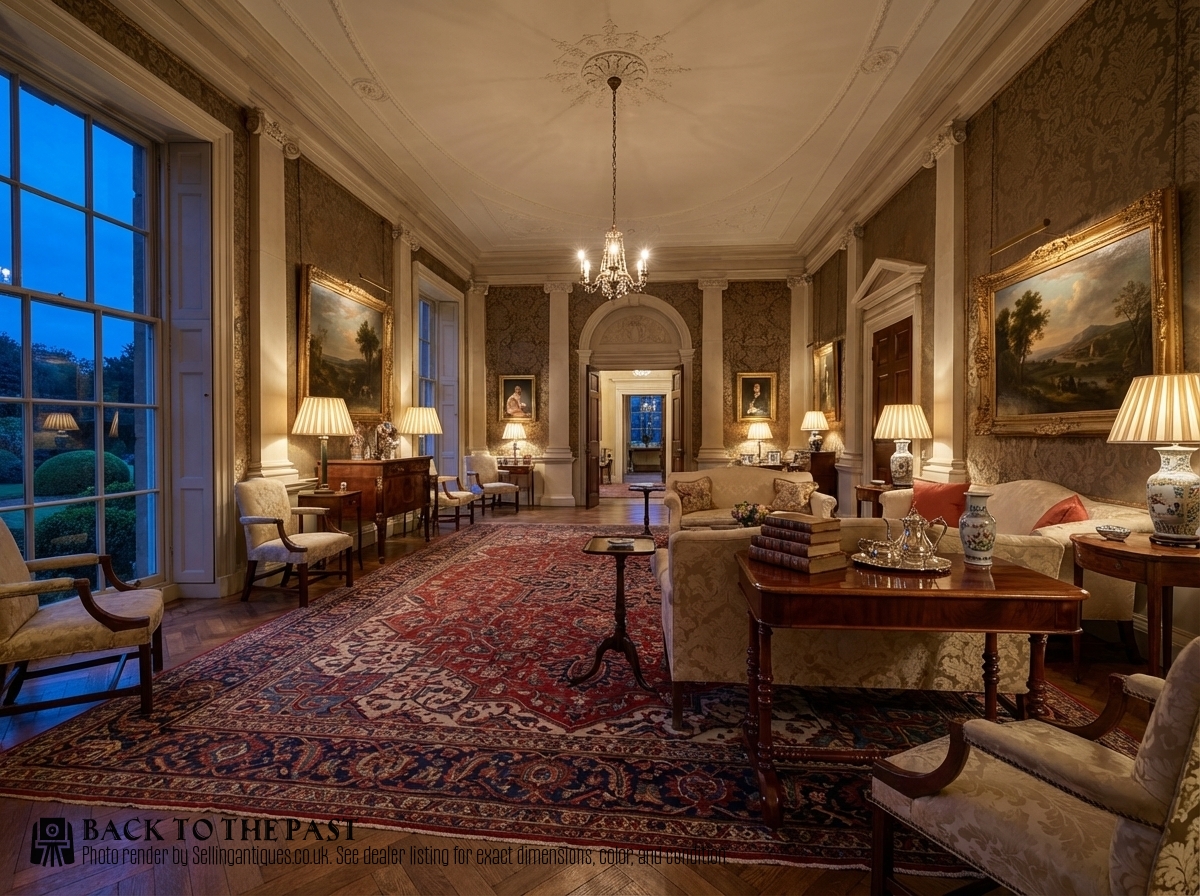
Heal and Son Table
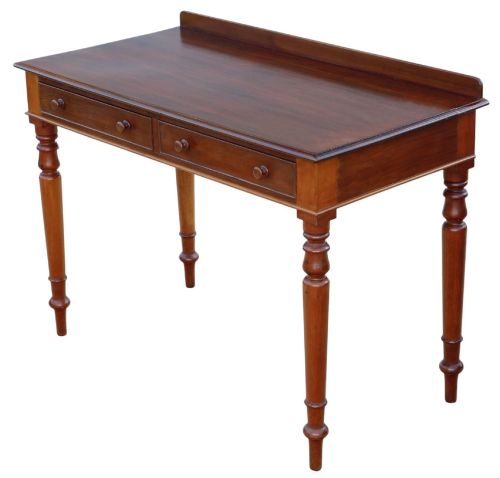
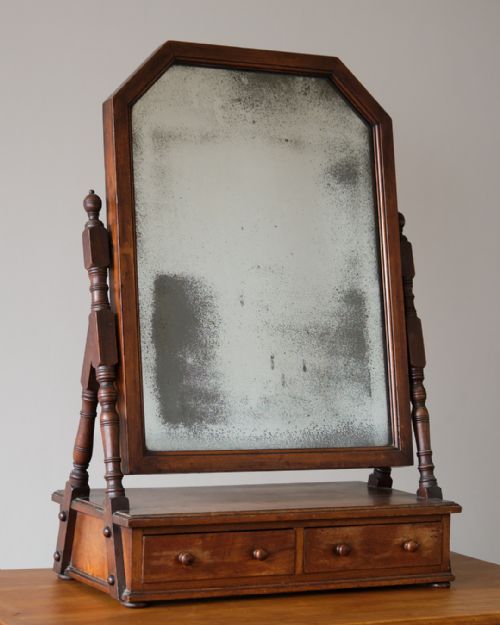
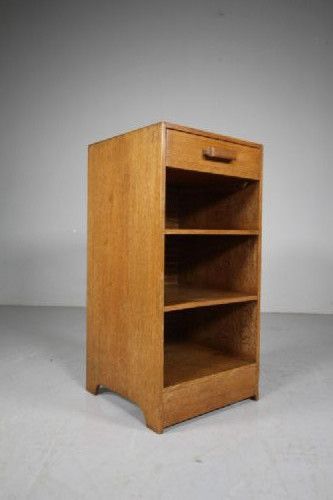
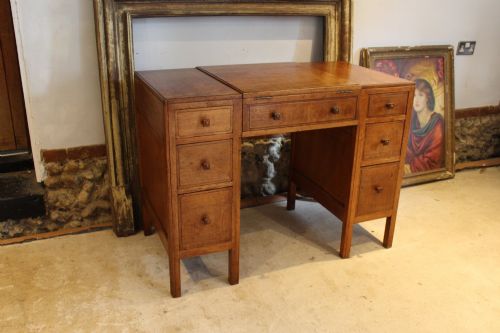
When searching for a heal and son table, buyers encounter a diverse selection of furniture spanning the nineteenth century up through the nineteen-thirties. The pieces on offer range from practical side tables and writing desks to specialised bedside cabinets and dressing furniture.
The most common formats met on this page are nineteenth-century side tables in mahogany or satin birch alongside nineteen-thirties oak pieces from the firm's modernist and Arts and Crafts output. These items reflect the transition from ornate Victorian designs towards simpler utility forms.
Materials and construction
Makers utilised solid timbers including oak, mahogany, walnut, and satin birch, often selecting the wood for its natural grain rather than heavy ornamentation. Brass mounts and glass elements appear selectively on mirrors and writing desks.
Joinery techniques follow traditional cabinet-making standards, visible in the solid construction of side tables, desks, and chests. Surfaces display simple polished finishes that highlight the natural figure of the timber.
The site's listings demonstrate a distinct shift from Victorian mahogany writing desks to nineteen-thirties oak bedside cabinets and modernist side tables.
Distinguishing quality
The distinction between standard production pieces and finer examples rests on the selection of timber and the crispness of the maker's stamp. Pieces featuring rarer woods like satin birch or walnut generally stand apart from ordinary pine or oak versions.
Proportion and restraint in design govern the upper tier of these tables. Simplicity of form combined with intact original brass hardware elevates a piece above simpler utilitarian equivalents.
Heal and Sons
The Heal and Son Table Glossary
- Heal and Son
- A London-based firm of furniture makers and retailers established in Tottenham Court Road. They became known for quality domestic furnishings through the Victorian, Arts and Crafts, and modern periods.
- Satin Birch
- A pale, lustrous hardwood sourced from birch trees, featuring a distinctive sheen. This timber was frequently utilised by nineteenth-century cabinet makers for desks and side tables.
- Kneehole Desk
- A writing desk featuring a central recess for the sitter's legs, flanked by pedestals of drawers. Edwardian and Victorian versions often incorporate small brass handles and inset leather tops.
- Arts and Crafts
- A design movement promoting handcraftsmanship and simple forms over mass production. Pieces from this tradition avoid excessive carving in favour of honest construction.
Heal and Son Table: Frequently Asked Questions
How do I date a heal and son table?
Dating relies upon timber choices, construction methods, and maker marks stamped into the wood. Victorian examples generally feature mahogany or satin birch, whilst later pieces utilise limed or plain oak.
Cabinet hardware and structural proportions also indicate the era. Earlier items display traditional nineteenth-century joinery, whereas nineteen-thirties pieces lean towards modernist simplicity.
Are these tables suitable for daily use?
These tables were built as functional domestic furniture, making them entirely practical for modern living. Writing desks, side tables, and bedside cabinets serve their original purposes without modification.
Placing them in rooms with stable humidity protects the antique timber. Regular polishing with appropriate wax maintains the historic finish.
What woods were commonly used?
Makers relied heavily on oak and mahogany across the nineteenth and twentieth centuries. Walnut and satin birch appear on finer Victorian and Edwardian items.
Pine and assorted timbers served for secondary components or utilitarian bedside furniture. The grain pattern dictated whether a timber received a clear polish or a limed finish.
How can I spot an authentic piece?
Authenticity is frequently confirmed by maker stamps found along drawer edges or structural framing. The quality of the timber selection and traditional joinery further support attribution.
Stylistic consistency with known catalogue designs helps separate genuine workshop output from general period furniture. Construction details should match the documented manufacturing practices of the era.