
Antique Dressing Vanity
An antique dressing vanity brings centuries of personal grooming history into the bedroom through fitted compartments, tilt mirrors, and fine timber construction.
Antique Dressing Vanity
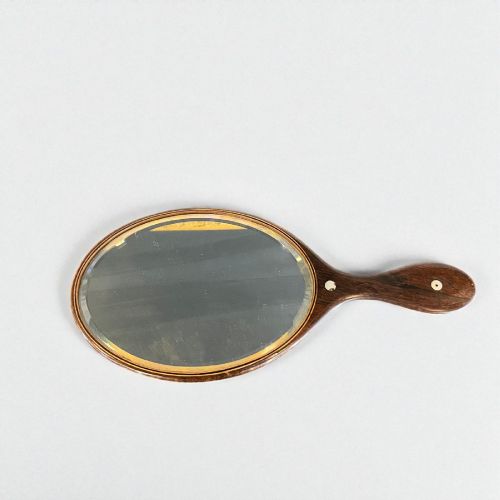
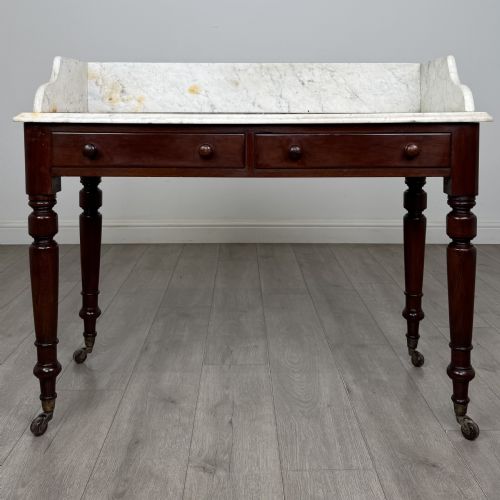
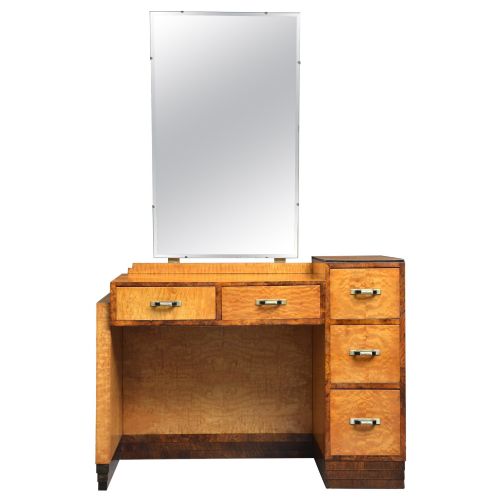
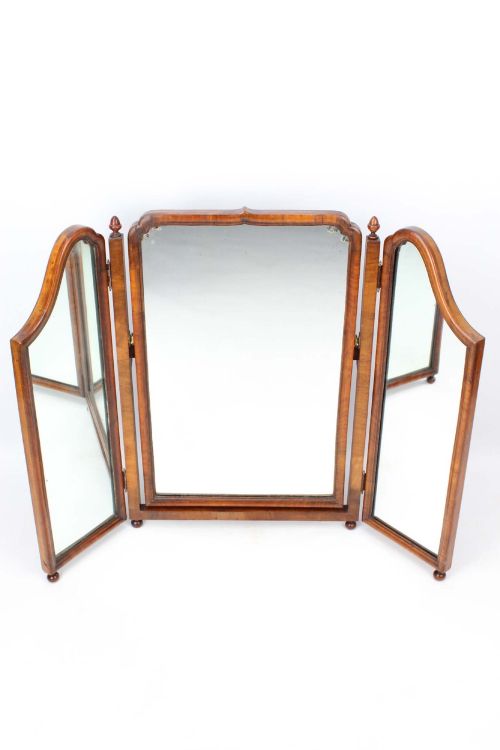
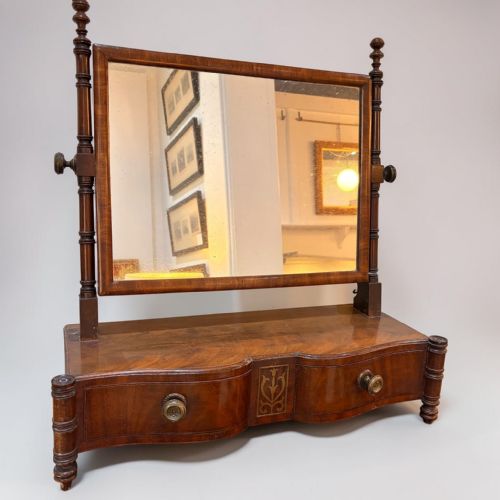
When searching for an antique dressing vanity, buyers encounter a diverse selection of furniture forms designed for morning preparation and personal care. The pieces range from compact tabletop swing mirrors and travelling vanity boxes to substantial pedestal dressing tables fitted with drawers and matching mirrors.
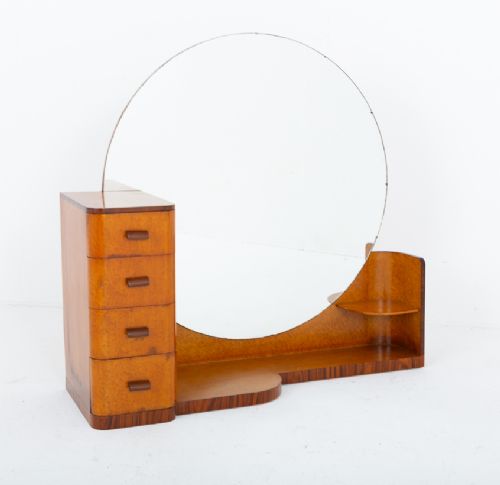
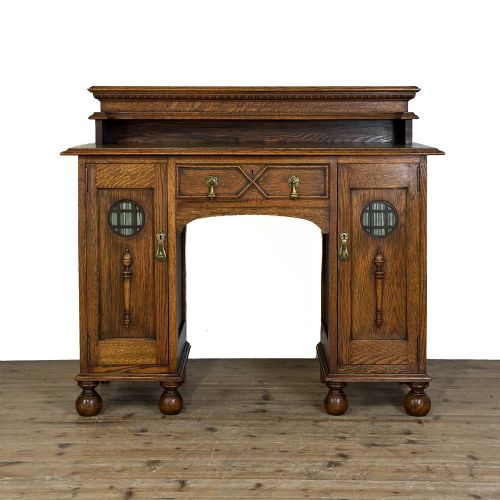
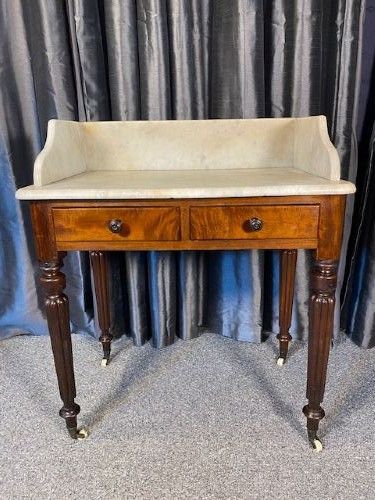
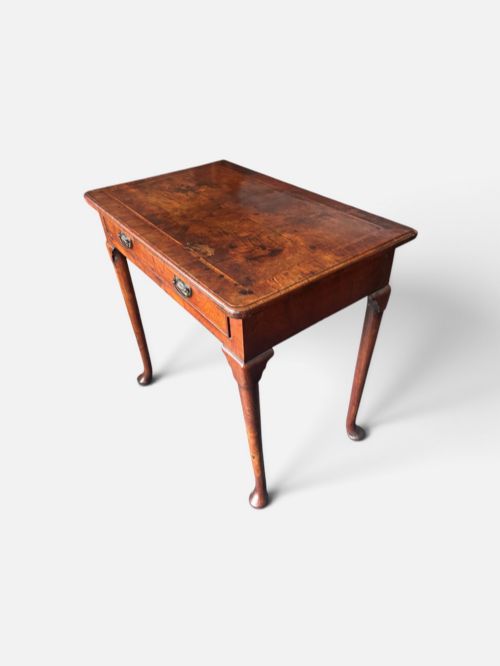
The selection on this page draws heavily from Victorian, Edwardian, and Art Deco periods, alongside earlier Georgian iterations. Mahogany, burr walnut, and oak dominate the foundational timbers, frequently paired with original glass, brass hardware, and specialised compartments for trinkets and cosmetics.
How they were made
Cabinet makers utilised dense hardwoods such as mahogany, walnut, and rosewood, often applying figured veneers to large surfaces like drawer fronts and pedestals. Solid timber construction provided the durability needed for daily bedroom use, while secondary woods like pine appeared in concealed structural areas.
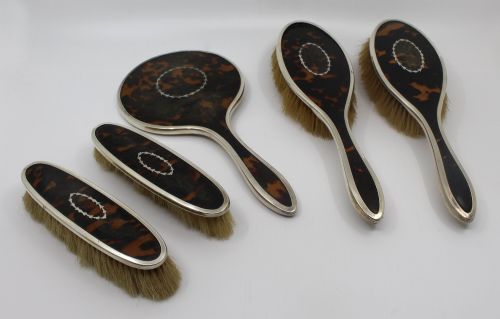
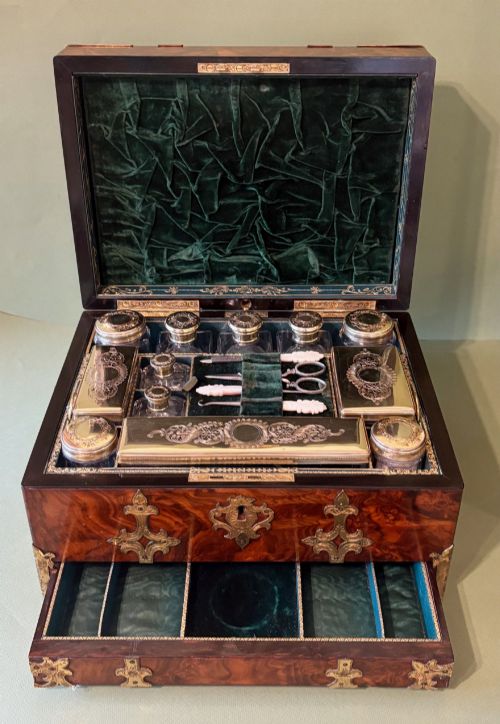
Glass was ground, bevelled, and silvered for swing mirrors, and fitted interiors relied on precise joinery to house sterling silver jars, cut glass scent bottles, and fabric-lined compartments.
What varies in quality
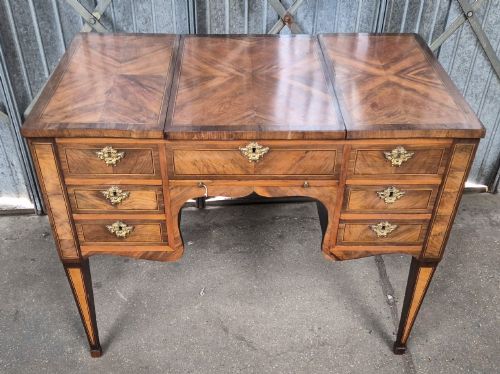
The distinction between standard pieces and the finest examples lies in the selection of timber veneers, the integrity of the original mirror glass, and the complexity of the interior fittings. Matched burr walnut figures and tightly executed dovetail joints indicate superior workshop production.
Makers known for high-end retail, such as Maple and Co. or Heal and Son, invested greater skill in custom hardware, secret drawers, and integrated silver or guilloche enamel accessories that remain intact.
Heal and Son·Tahan Paris·Dunhill London·A. J. Pepper and Co·Maple and Co·Waring and Gillow
The Antique Dressing Vanity Glossary
- Swing mirror
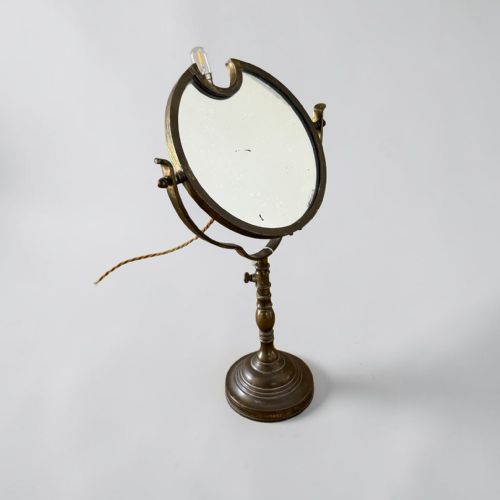
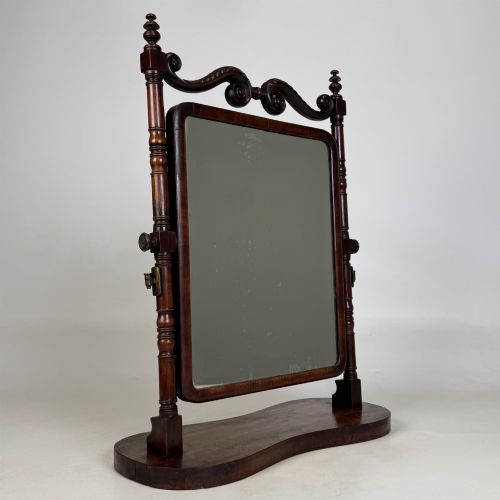
- A looking glass mounted on vertical pivots within a frame, allowing the user to tilt the angle during grooming. These are frequently found atop dressing tables or as standalone table-top units.
- Kneehole desk
- A writing or dressing table featuring a central recess for the legs, flanked by pedestals of small drawers. This form provides compact storage without sacrificing surface space.
- Trinket box
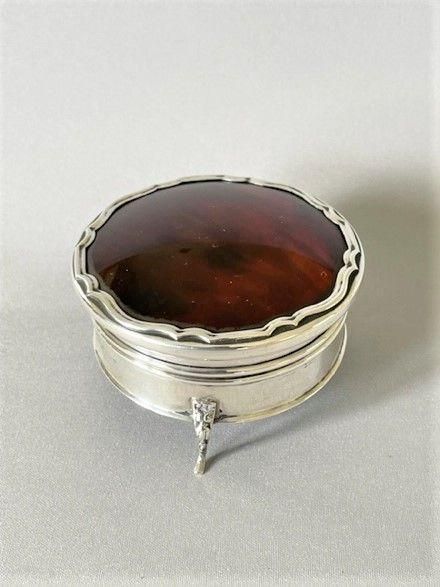
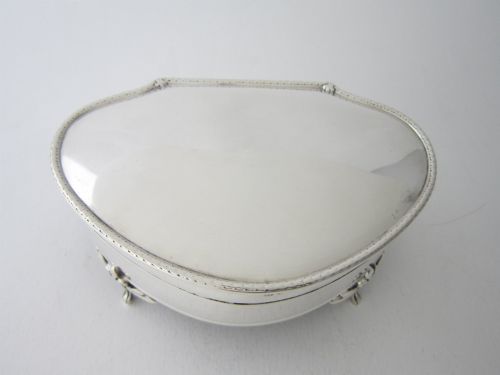
- A small lidded container designed to hold jewellery and small personal items, often mounted in sterling silver, tortoiseshell, or enamel during the Edwardian period.
- Guilloche enamel
- A decorative technique where a geometric pattern is mechanically engraved beneath a translucent layer of enamel colour. It appears frequently on twentieth-century vanity jars and brushes.
- Pedestal dressing table
- A large vanity form comprising two banks of drawers supporting a central table surface and an upright mirror. Burr walnut and mahogany examples are typical of the Victorian and Art Deco eras.
Antique Dressing Vanity: Frequently Asked Questions
What is an antique dressing vanity?
An antique dressing vanity encompasses various forms of bedroom furniture designed for grooming, including freestanding tables with mirrors, tabletop swing glasses, and fitted travel cases.
These pieces originate predominantly from the Georgian, Victorian, Edwardian, and Art Deco eras, constructed from traditional hardwoods like mahogany and walnut.
How do I date an antique vanity?
Dating relies on identifying stylistic markers, timber types, and construction methods characteristic of specific periods, such as Georgian proportions or Art Deco geometric veneers.
Makers' marks, original brass hardware, and mirror glass bevelling also offer concrete evidence for determining the decade of manufacture.
Were mirrors always attached to the tables?
Many dressing tables were manufactured with detachable swing mirrors supported by side arms, allowing the glass to be removed or adjusted independently.
Tabletop mirrors were also sold as standalone pieces to place atop existing chests of drawers or writing surfaces.
What timber was used most often?
Mahogany and walnut are the most prevalent primary timbers seen across these historical pieces, often selected for their rich grain and durability in domestic furniture.
Finer examples utilise figured burr walnut veneers, rosewood, or satinwood to create decorative patterns on drawer fronts and surfaces.