

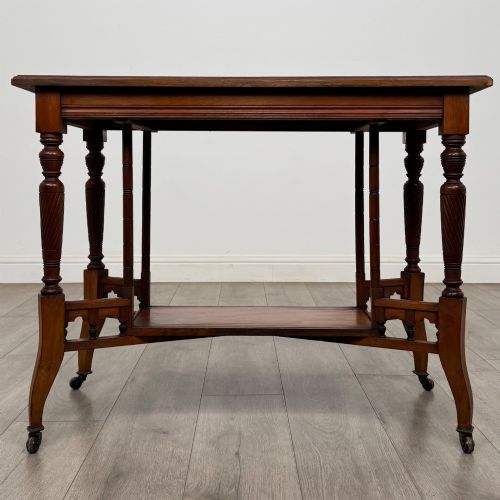
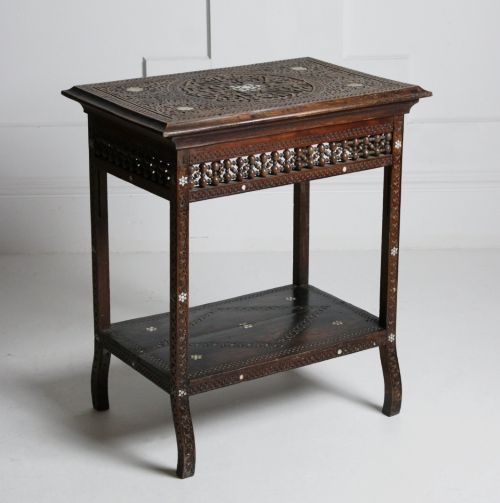
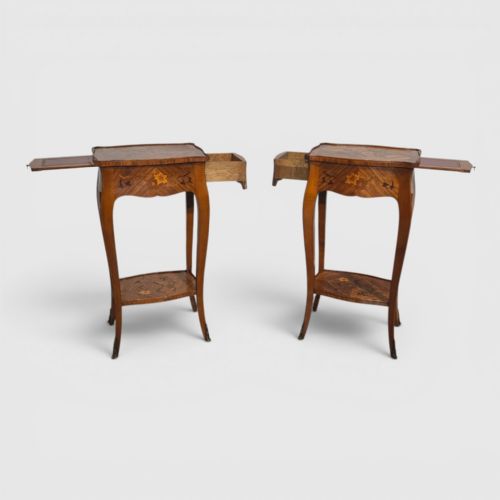


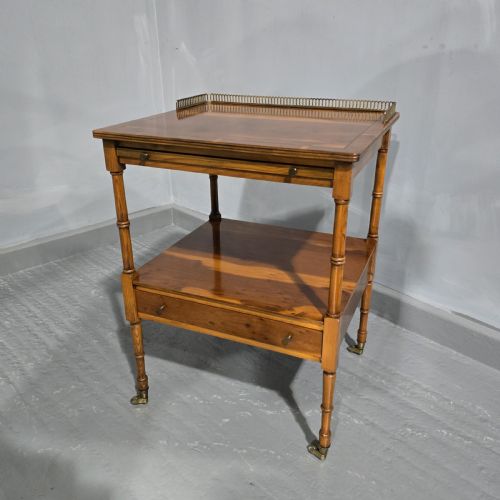
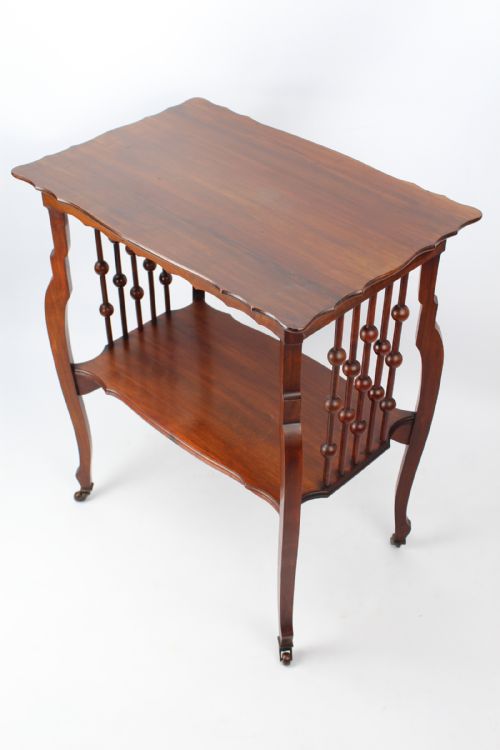
Tiered Wooden End Table
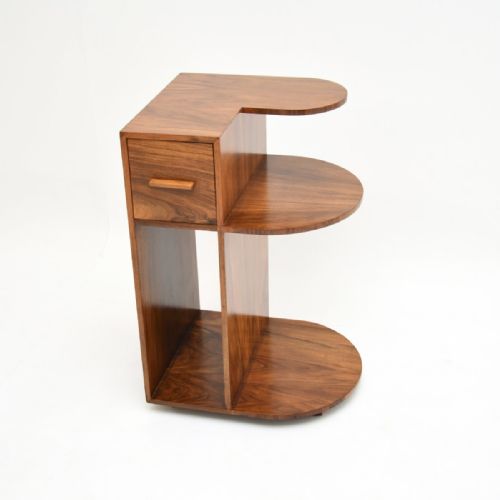
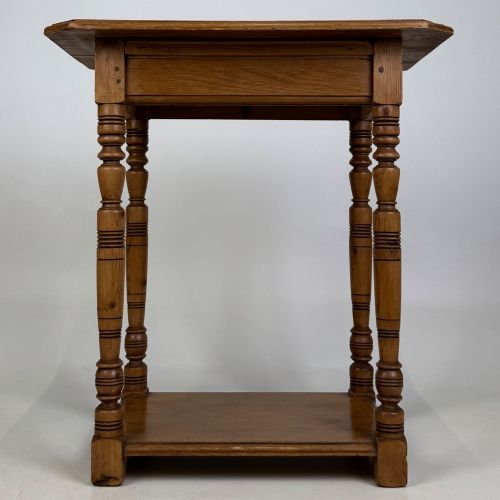
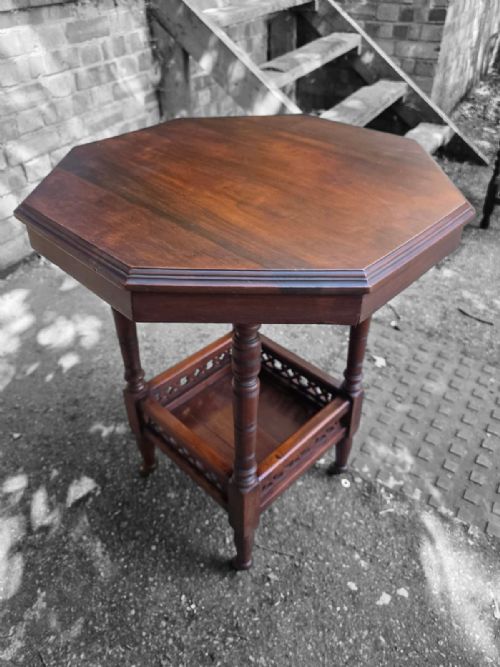
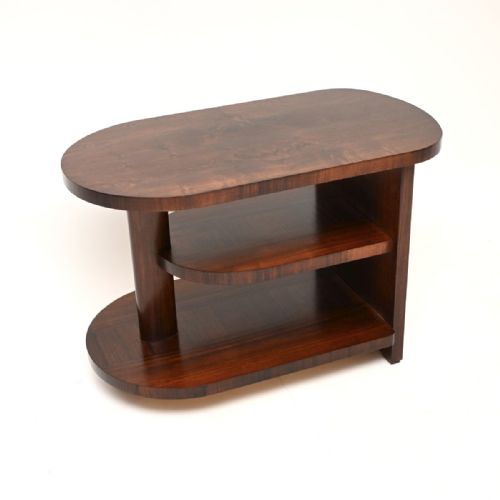
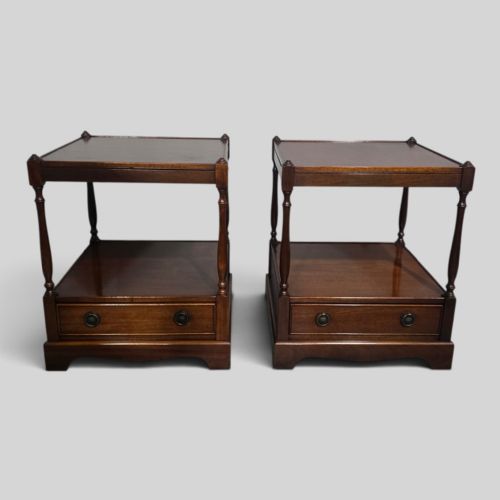
These tiered wooden end table pieces offer practical surface space and multi-level display across periods from the nineteenth century to Art Deco.
Tiered Wooden End Table
When you search for a tiered wooden end table, you encounter compact occasional, side, and lamp tables designed with multiple levels for display and daily use. The selections span Victorian, Edwardian, and Art Deco periods, alongside Arts and Crafts pieces and nineteenth-century designs.
You are most likely to meet Edwardian and Victorian mahogany or walnut examples featuring two or three tiers, alongside oak versions from the Arts and Crafts movement. These forms function as bedside tables, lamp surfaces, and small parlour tables.
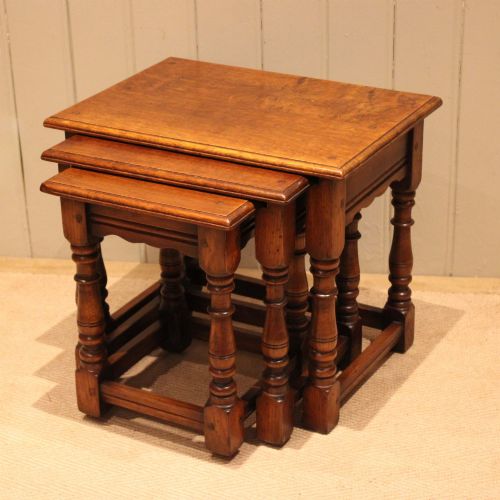
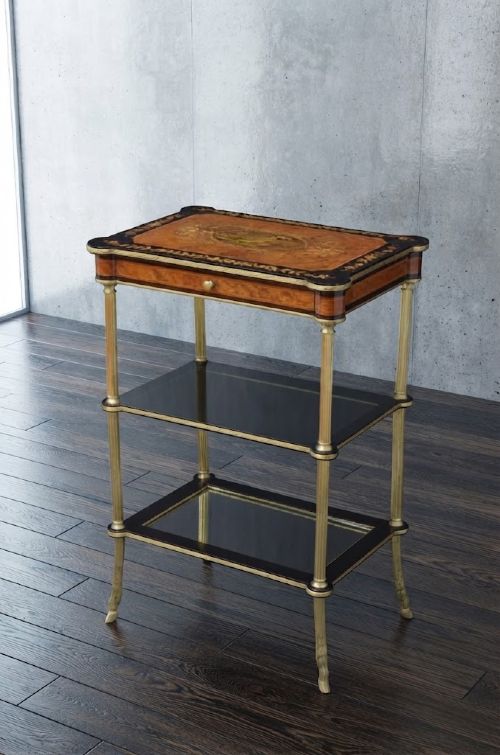
The inventory includes octagonal, oval, and rectangular formats, sometimes constructed as nests of tables or incorporating drawers and mirrored surfaces. Regional variations stretch from English country styles to French marquetry and Syrian craftsmanship.
How They Were Made
Cabinet makers utilised dense hardwoods such as mahogany, walnut, oak, and rosewood, often applying figured walnut veneer or satinwood inlay to enhance the primary surfaces. Brass fittings and hardware appear regularly on drawers and structural joints.
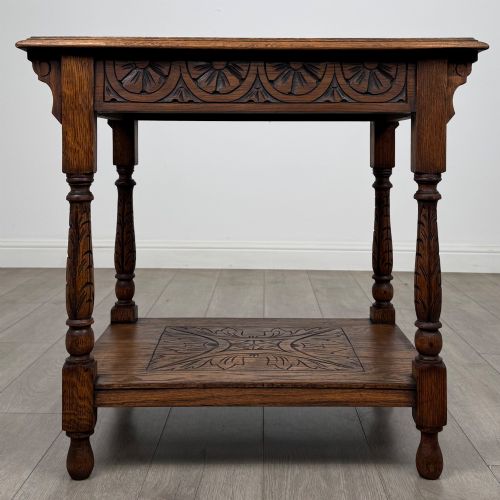
Construction techniques combine traditional joinery with decorative surface work like marquetry, ebonising, and hand carving. Some nineteenth-century and interwar pieces integrate specialised elements such as fretwork panels, mirrored tiers, or turned supports.
One extraordinary nineteenth-century piece incorporates actual deer antlers into its occasional table design.
What Varies in Quality
The standard of a tiered wooden end table depends upon the selection of timber and the precision of its grain matching, particularly on veneered walnut or rosewood surfaces. Finer examples display crisp, hand-carved details and deliberate inlay work rather than stamped or superficial ornamentation.
Structural integrity separates basic utility items from superior workshop output, showing in the stability of multiple tiers and the tight fit of joints. Pieces associated with established makers or specific design movements demonstrate greater refinement in proportion and material harmony.
Gilbert Rohde·Gillow
The Tiered Wooden End Table Glossary
- Occasional table
- A small, movable table designed for a specific, non-permanent function in a room. These pieces include lamp stands and bedside surfaces.
- Marquetry
- The art and craft of applying pieces of veneer to a structure to form decorative designs. This technique appears frequently on French and Edwardian surfaces.
- Ebonising
- A finishing process that makes a wood such as timber resemble ebony. It is seen on nineteenth-century decorative items.
- Tiered
- Having multiple levels or shelves arranged one above another. This configuration maximises display space within a compact footprint.
- Veneer
- A thin slice of figured wood applied to a secondary timber base. Walnut veneer is common on Art Deco and Victorian examples.
Tiered Wooden End Table: Frequently Asked Questions
How were these tables used originally?
These tables served primarily beside seating or beds to hold lighting, reading materials, or decorative ornaments. Their multi-tiered design allowed users to keep small items organised within easy reach.
In Victorian and Edwardian parlours, smaller occasional versions held tea sets or displayed prized ornaments and lamps.
How do I identify an Edwardian tiered table?
Edwardian tiered tables often feature lightweight mahogany frames, delicate inlay work, and tapered legs. They frequently incorporate two or three tiers connected by slender upright supports.
They tend to feel brighter and less massive than their Victorian predecessors, reflecting lighter domestic interiors of the early twentieth century.
How do I style a tiered end table today?
You can place a tiered wooden end table beside a sofa or armchair to hold a reading lamp and small daily accessories. The multiple levels allow you to balance functional items on top with books or decorative objects below.
Mixing these antique wood forms with modern seating creates contrast and highlights the grain and tone of the historical timber.