
Vintage Tiered Accent Table
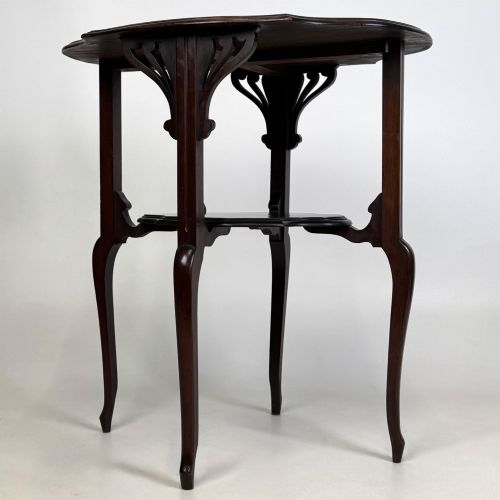
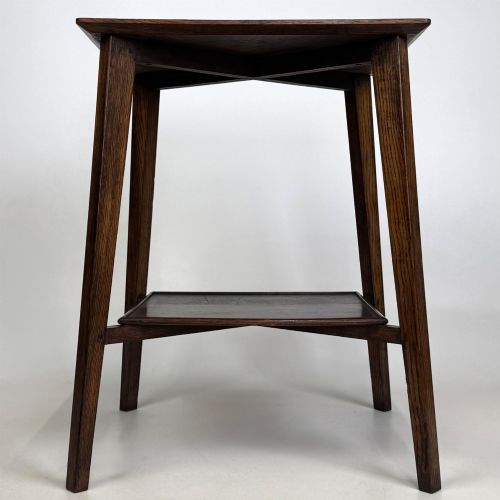
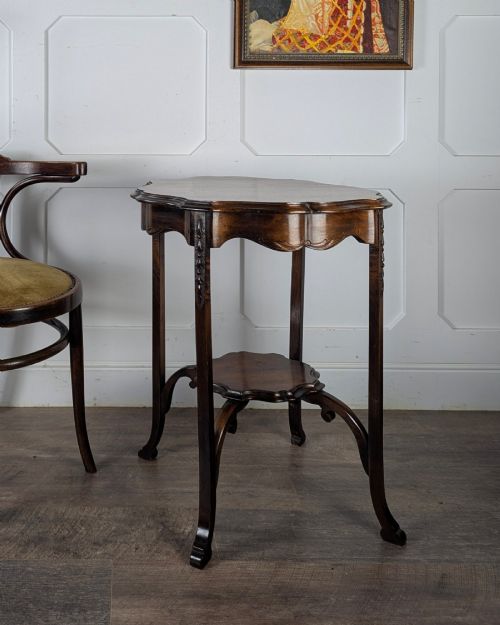
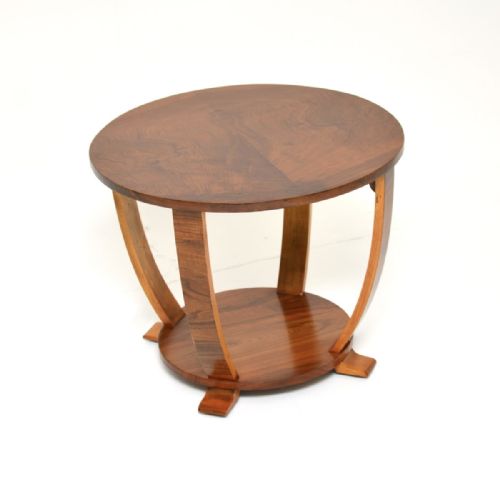
A vintage tiered accent table brings multiple levels of surface space into a room, drawing on periods from the Victorian era to Art Deco.
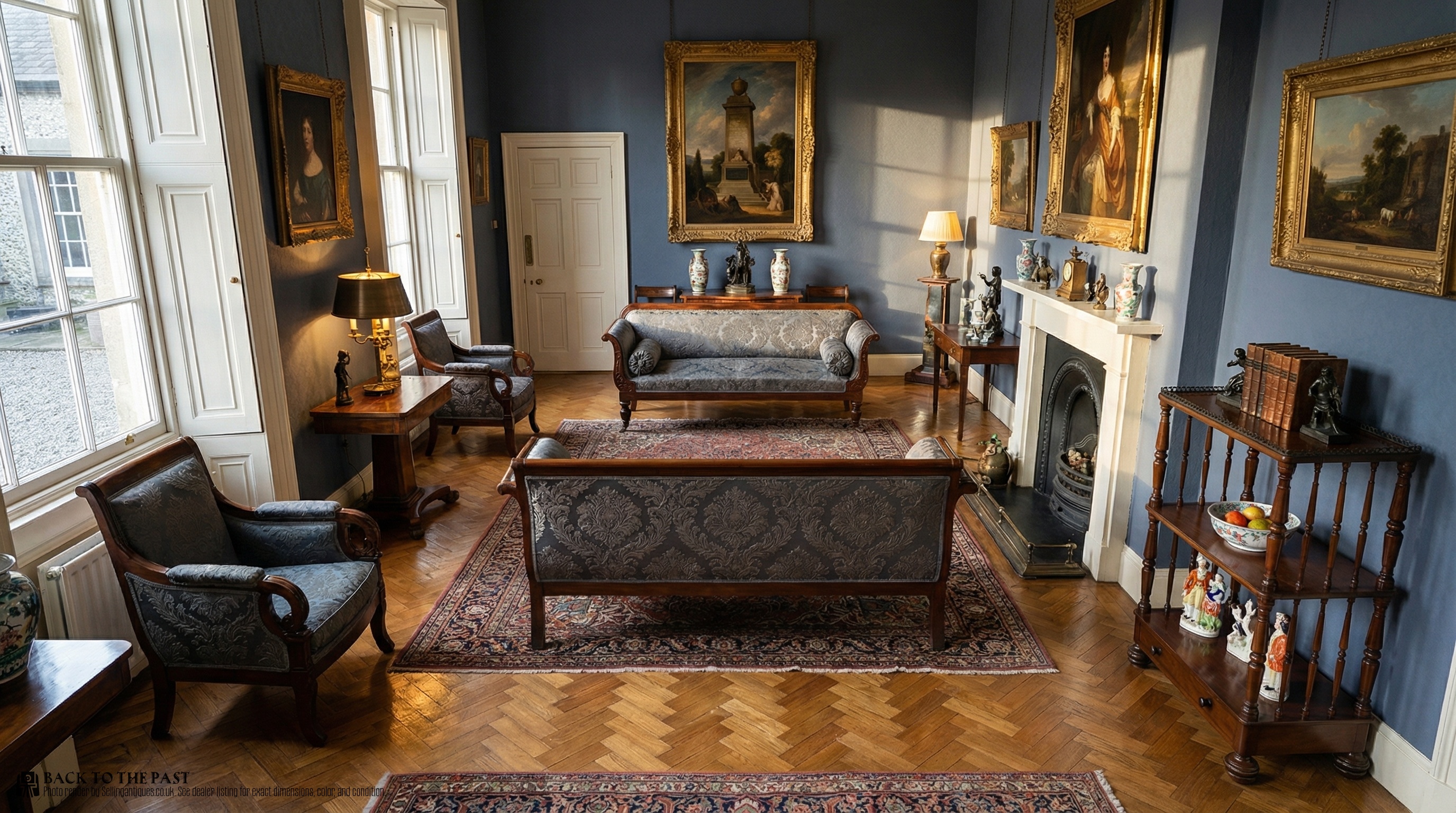
Vintage Tiered Accent Table
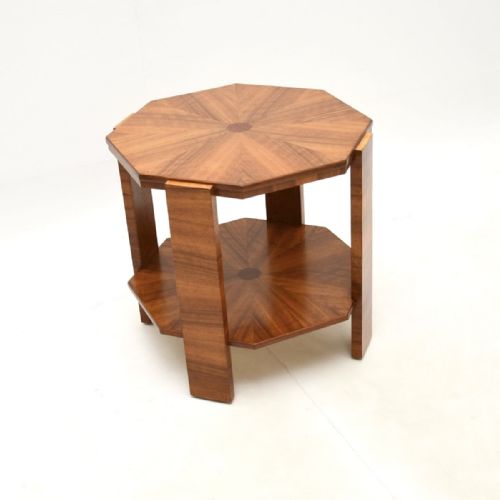
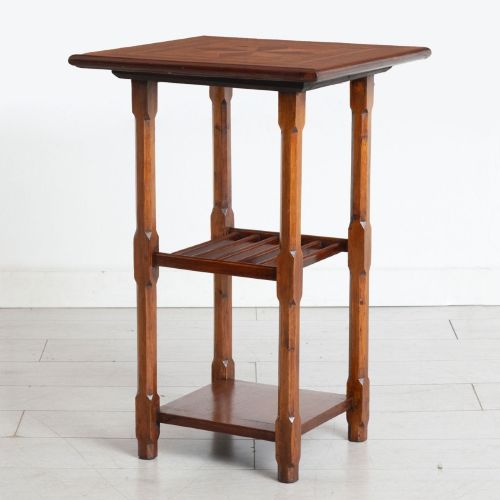
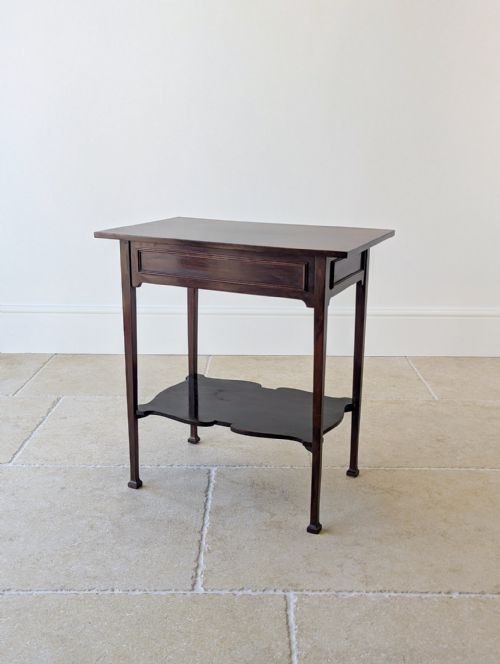
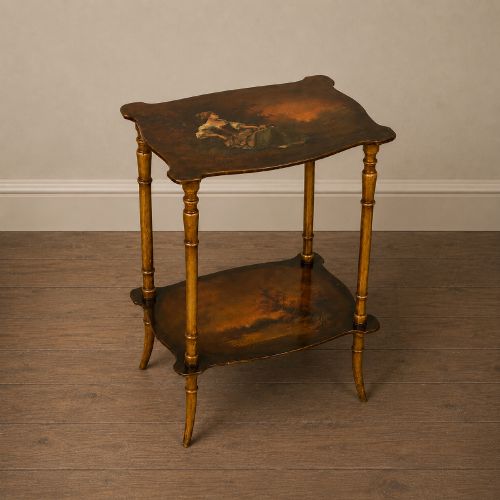
A vintage tiered accent table provides practical display levels for lamps, books, or decorative objects without consuming excessive floor space. These pieces span periods from the Victorian and Edwardian eras through to Art Deco and 1930s designs.
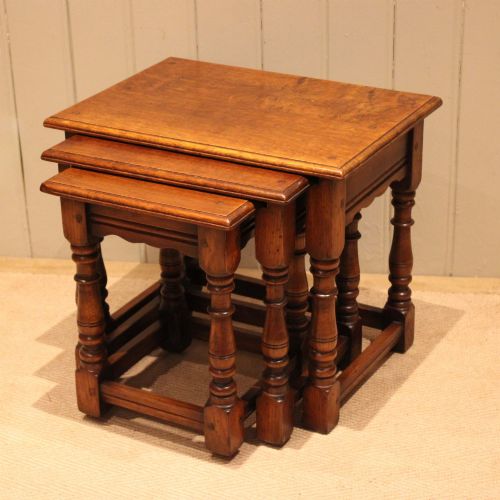
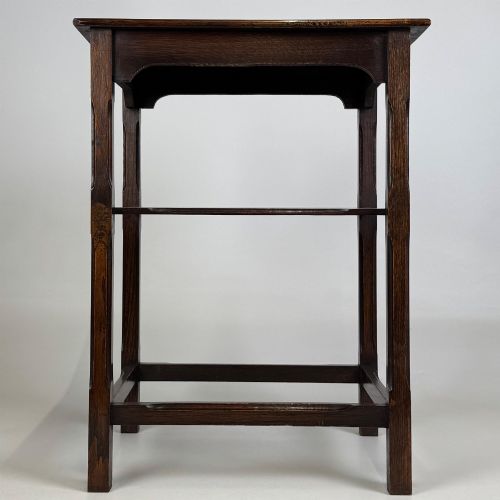
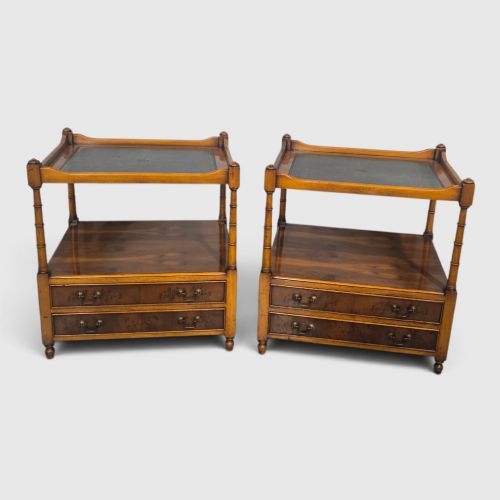
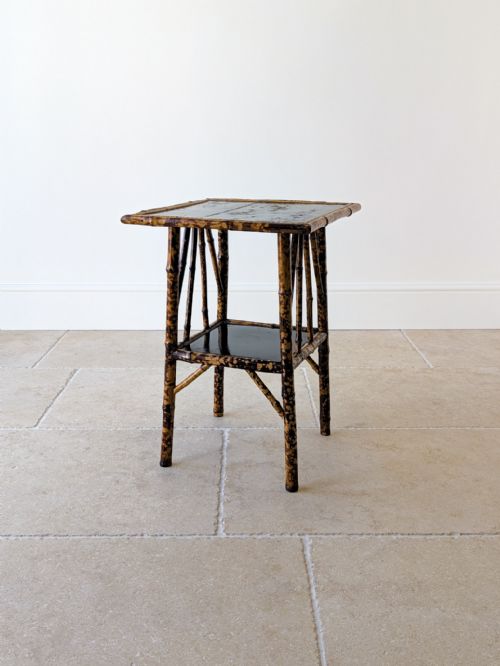
The selections on this page appear in various forms, including étagères, whatnots, side tables, and nests of tables. Oak, mahogany, walnut, and bamboo serve as the primary structural foundations across these historical designs.
Materials and Construction
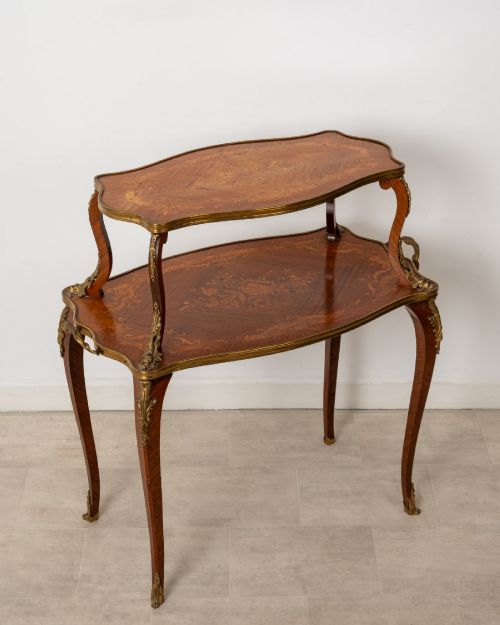
Cabinetmakers utilised solid timbers such as oak, mahogany, and walnut alongside decorative veneers like burr walnut and kingwood. Marquetry inlays and painted details often adorn French and continental pieces from the turn of the twentieth century.
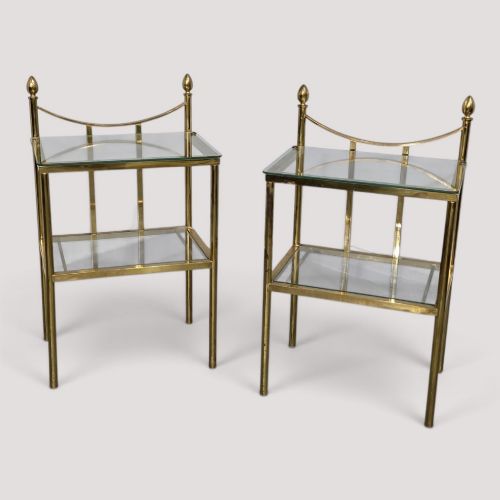
Metal elements including brass, ormolu, and chrome appear alongside glass inserts and turned wooden supports such as bobbin legs. Construction methods reflect the prevailing cabinetmaking standards of each respective period, from Arts and Crafts simplicity to revival styles.
Listings feature pieces spanning the nineteenth century through the 1930s, utilising walnut, oak, mahogany, brass, ormolu, and bamboo.
Assessing Quality and Craftsmanship
Quality rests in the selection of timber figure, the precision of marquetry inlay, and the structural integrity of joints across multiple tiers. Superior examples display thoughtful proportion and refined detailing rather than purely utilitarian assembly.
The integration of secondary materials such as ormolu mounts, cast brass, or specialist veneers separates standard production pieces from finer workshops. Original surface patination and uncompromised structural stability remain central to the standing of any piece.
Liberty of London·Dryad Leicester·François Linke
The Vintage Tiered Accent Table Glossary
- Étagère
- A piece of furniture consisting of open shelves or tiers for displaying small objects. French examples from the late nineteenth and early twentieth centuries frequently incorporate marquetry and ormolu mounts.
- Whatnot
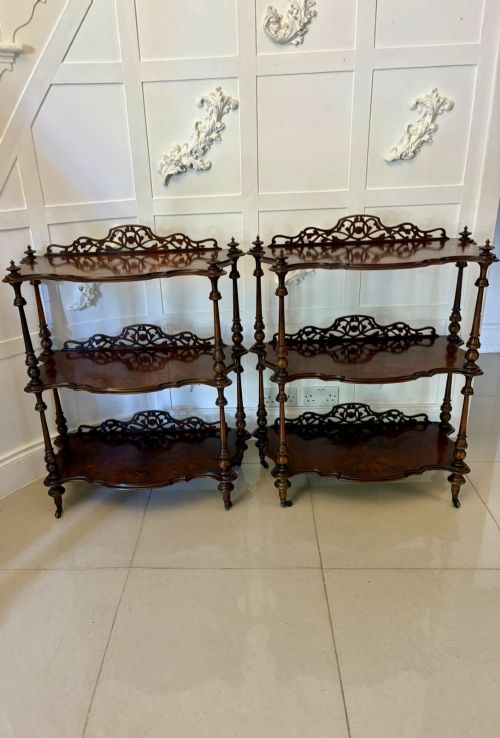
- A multi-tiered shelving unit or side table designed to hold ornaments or books. Victorian versions often utilise exotic timbers and turned supports.
- Marquetry
- Decorative veneer work forming pictures or geometric patterns using various coloured woods. This technique requires significant skill to cut and fit the thin wood pieces together.
- Ormolu
- Gilded bronze mounts applied to furniture, particularly popular in French revival styles. The finish provides a bright metallic contrast against dark woods like mahogany and kingwood.
- Cricket table
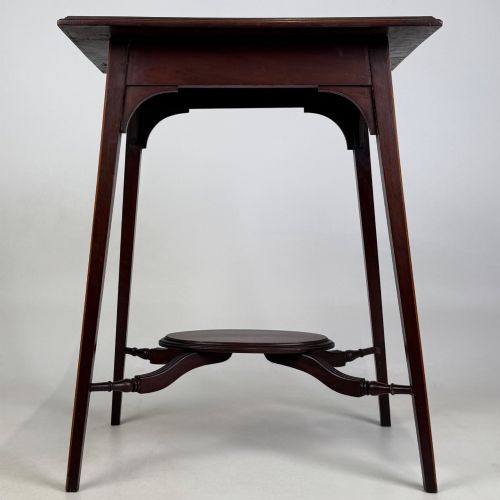
- A small, usually three-legged occasional table with a round top originating from domestic utility. Arts and Crafts interpretations often highlight exposed joints and plain oak construction.
Vintage Tiered Accent Table: Frequently Asked Questions
How were these tables used historically?
Historically, these small tables functioned as movable surfaces for tea service, reading materials, or lighting in parlours and drawing rooms. Their multi-tiered design allowed households to display ornaments and keep essentials close at hand.
Different formats, such as whatnots and étagères, suited specific rooms, from formal reception spaces to private bedrooms.
How do I style a tiered table at home?
Styling a tiered table involves balancing objects of varying heights across the available levels. Placing heavier or taller items on the lower tier grounds the arrangement, leaving the upper surface clear for lamps or smaller decorative pieces.
Matching the wood tone or metal finish to existing room elements helps integrate the table into modern or traditional interiors.
How do I tell Victorian tables apart from Art Deco pieces?
Victorian and Edwardian tables typically feature turned wooden legs, carved details, and traditional timbers like mahogany and walnut with rich patination. They often embrace revival aesthetics or straightforward domestic utility.
Art Deco and 1930s pieces lean towards geometric lines, figured veneers, chrome highlights, and streamlined silhouettes that reflect modernist design shifts.