






Turned Spindle Etagere Stand
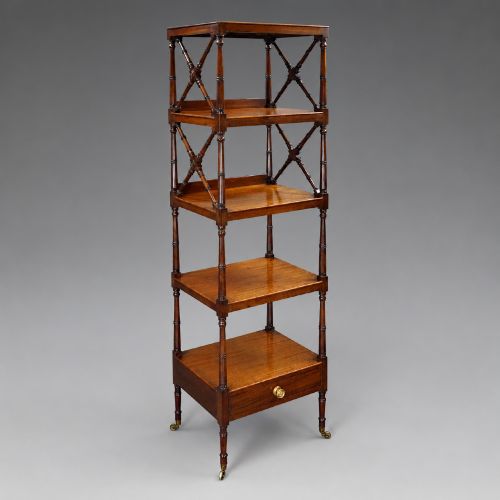
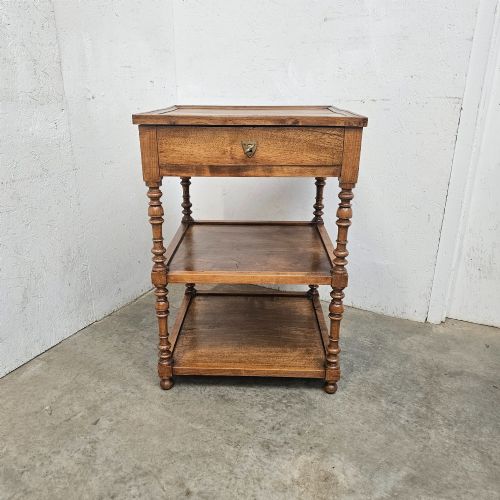
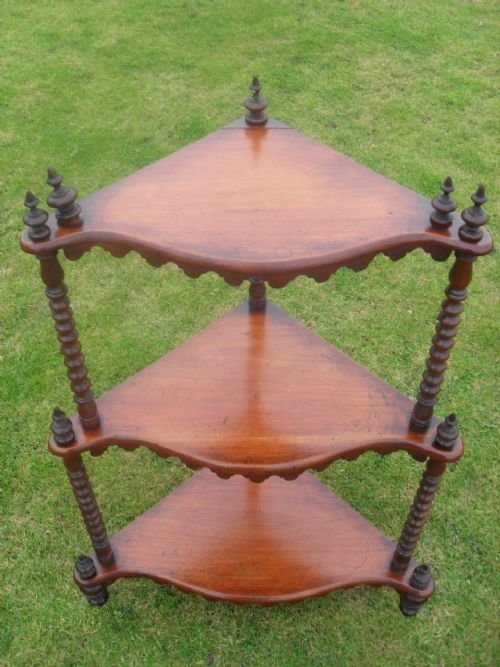
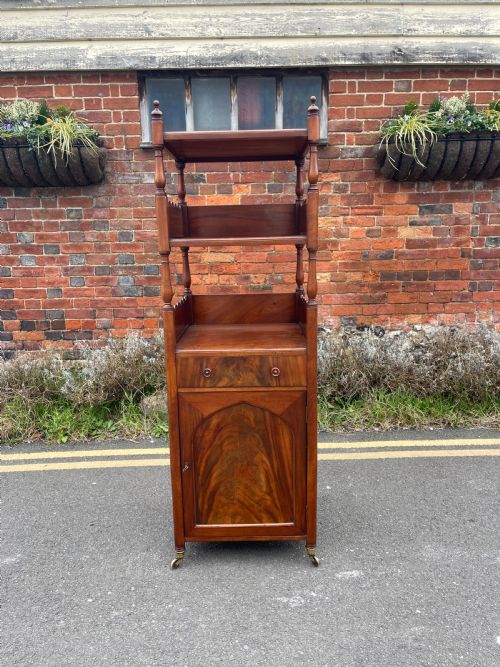
These turned spindle etagere stand pieces are multi-tiered display units built to hold books and ornaments with architectural turning.
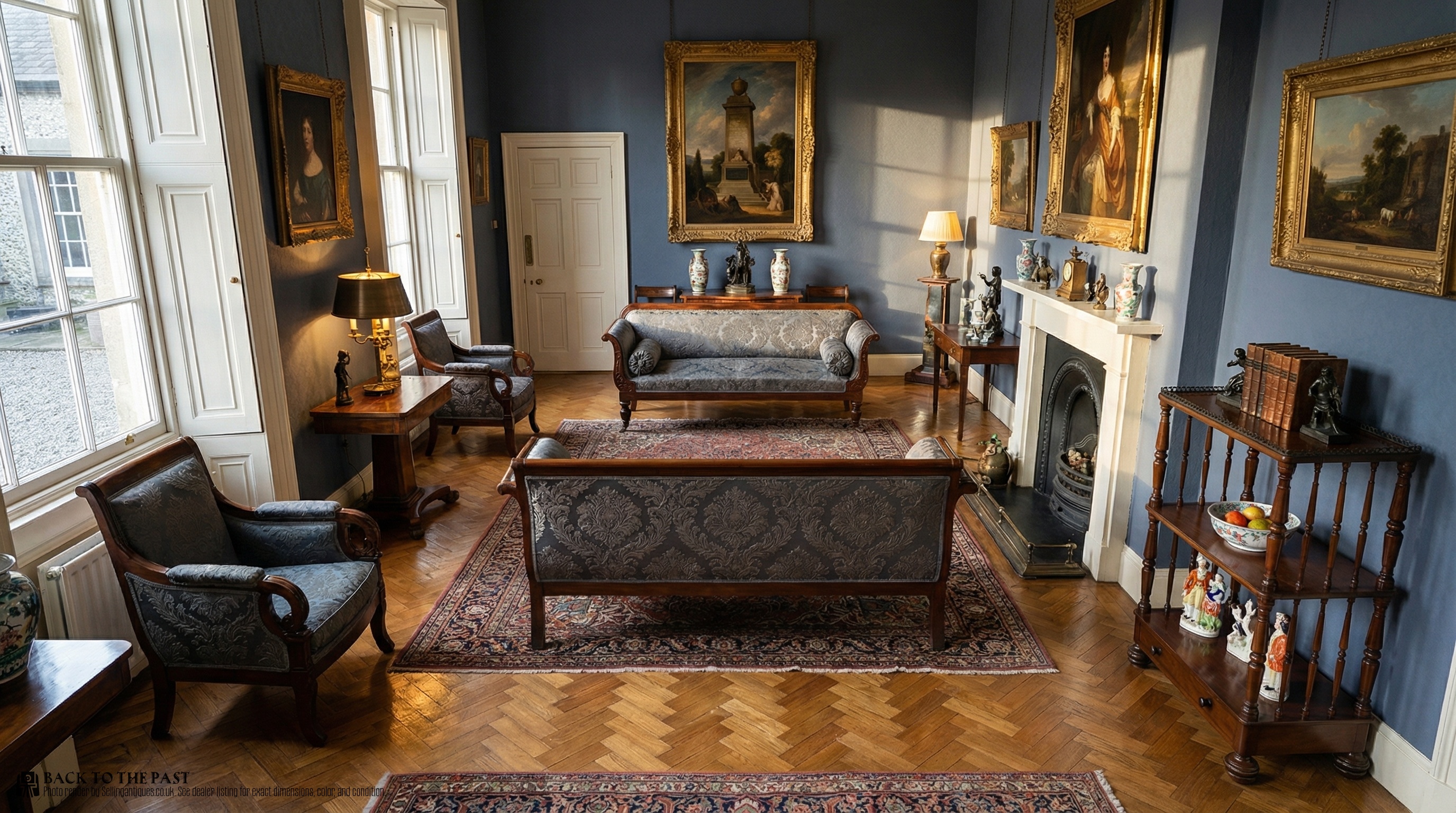
Turned Spindle Etagere Stand
When you search for a turned spindle etagere stand, you find multi-tiered shelving units known historically as whatnots or etageres. These pieces range from Georgian and William IV designs through to mid nineteenth century Victorian examples.
The form appears in several configurations, including three or four tier open shelving and versions featuring a cupboard base. Mahogany and rosewood dominate the listings, alongside walnut and brass accents.
How they were made
Cabinet makers constructed these multi-tier units using dense timbers like mahogany, walnut, and rosewood, shaping the upright supports with turned spindles. Brass fixtures appear as structural mounts or castors on the feet.
Joinery techniques focus on supporting multiple open tiers securely, sometimes incorporating a lower cupboard base enclosed by panelled doors. Serpentine fronts require precise timber shaping on the lower shelves.
Turned Spindle Etagere Stand Retail Price Guide 2026
Typical asking prices for turned spindle etagere stand among the pieces listed under this phrase on Sellingantiques today, from the lower quarter to the upper quarter. They describe what is for sale here now, not the wider market.
Known occasionally as a wot-not, these cheerful multitiered catch-alls saved Victorian drawing rooms from chaotic mantelpieces.
What varies in quality
Quality rests in the choice of timber figure and the precision of the turned spindle supports framing each tier. Pieces with serpentine front profiles and cupboard bases demand greater joinery skill than simple open shelves.
Proportion and timber matching across multiple tiers separate standard production from finer cabinet work. The presence of original brass castors and rich rosewood grain elevates the standing of an individual whatnot.
The Turned Spindle Etagere Stand Glossary
- Whatnot
- An open set of multi-tiered shelves used for displaying ornaments and small books. This form became popular during the Georgian and Victorian periods.
- Etagere
- A piece of furniture consisting of a number of open shelves for displaying articles. French Provincial examples often utilise walnut.
- Serpentine front
- A furniture front that curves inward in the centre and outward at the ends. This shape requires advanced woodworking skill.
- Spindle
- A cylindrical turned piece of wood forming the upright supports between tiers. These structural members define the visual rhythm of the shelving.
Turned Spindle Etagere Stand: Frequently Asked Questions
What is a whatnot?
A whatnot is a multi-tiered shelving unit designed for displaying small household objects and books.
These pieces were developed in the eighteenth century and remained popular throughout the Victorian era.
How many tiers do they have?
Most examples feature three or four open shelves supported by turned wooden columns.
Some variants include an enclosed cupboard base beneath the open tiers.
What timbers were used?
Cabinet makers utilised dense hardwoods such as mahogany, rosewood, and walnut for these shelving units.
Brass hardware often appears on the castors and structural joints.