
Vintage Tier Stand
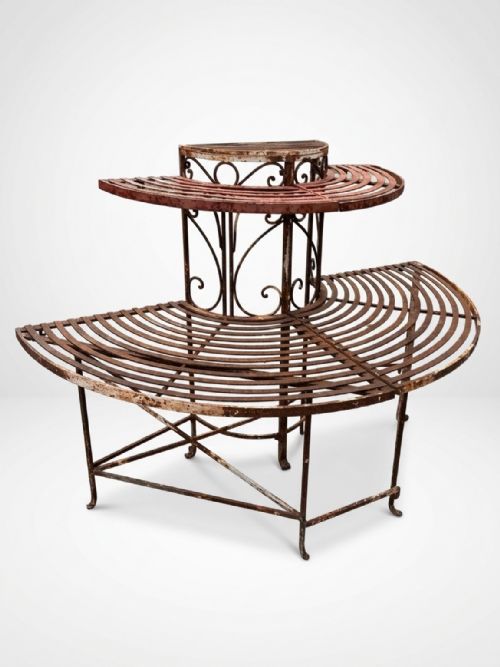
A vintage tier stand offers vertical display and tiered surface space, bringing practical charm to rooms through stacked timber or metal shelves.
Vintage Tier Stand
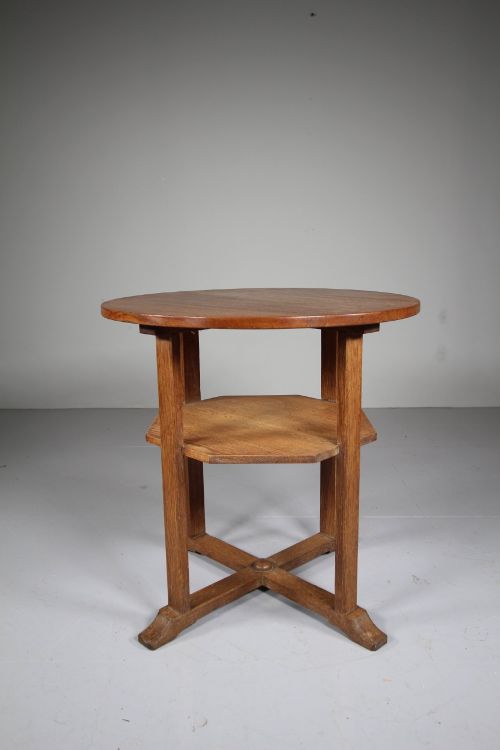
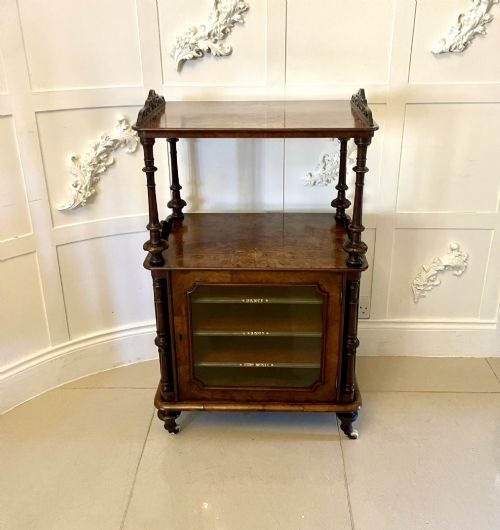
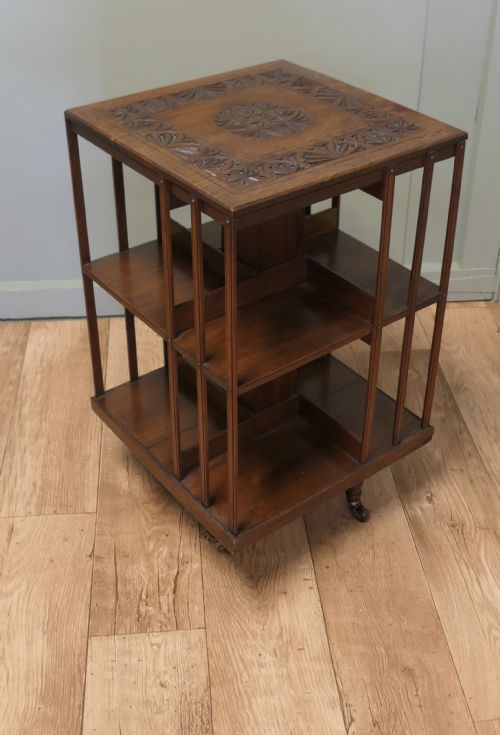
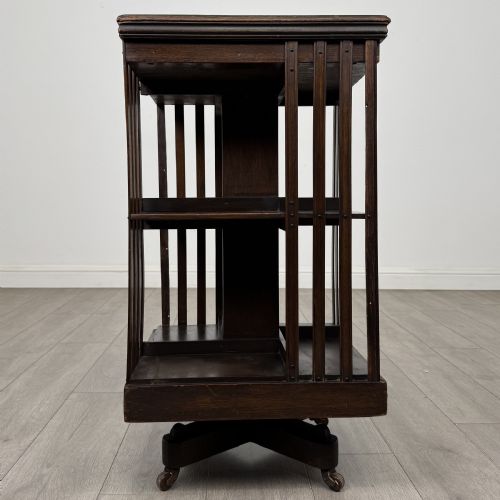
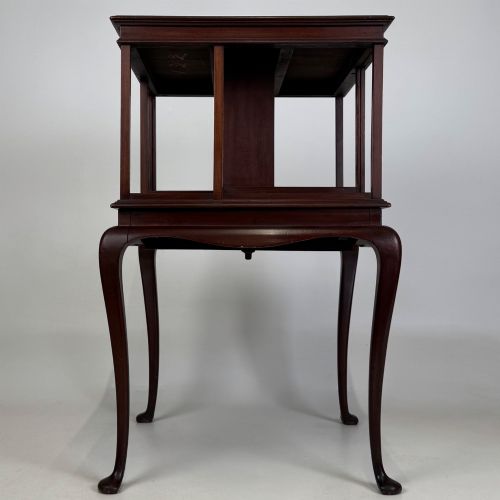
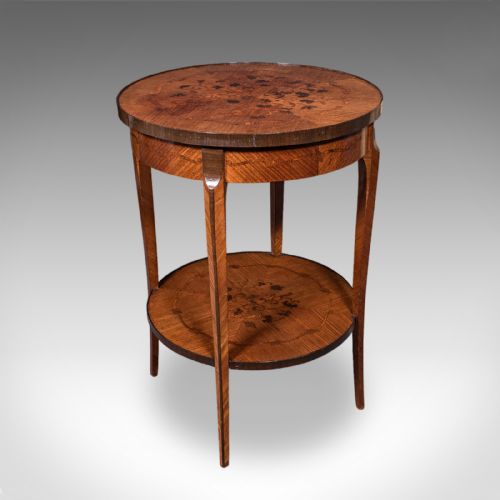
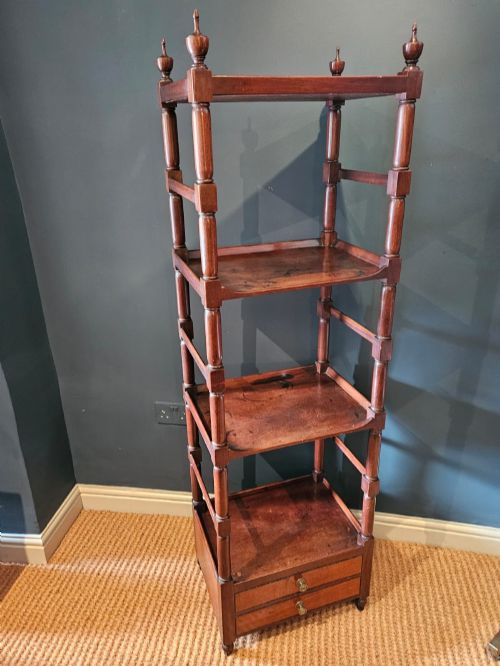
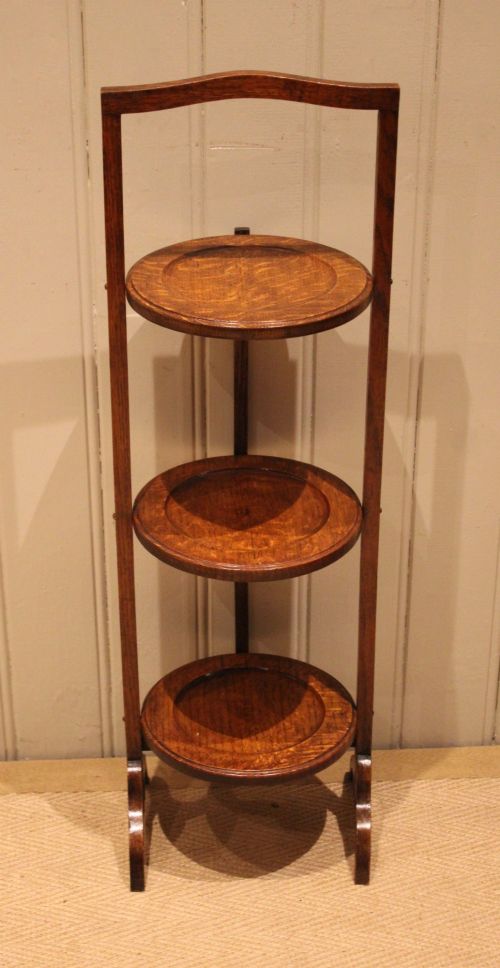
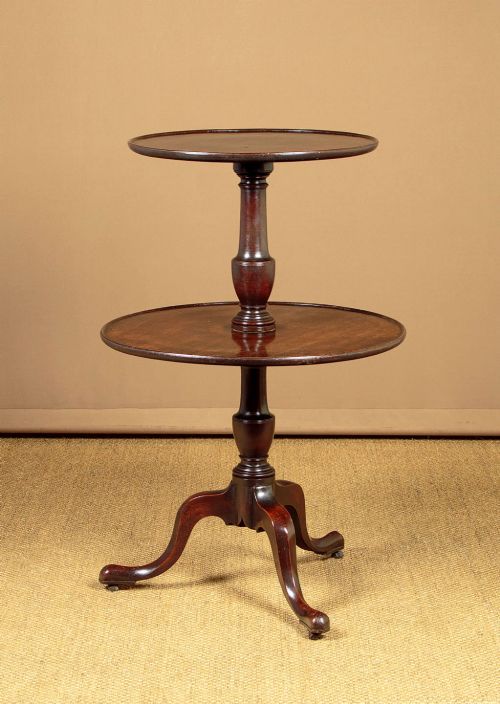
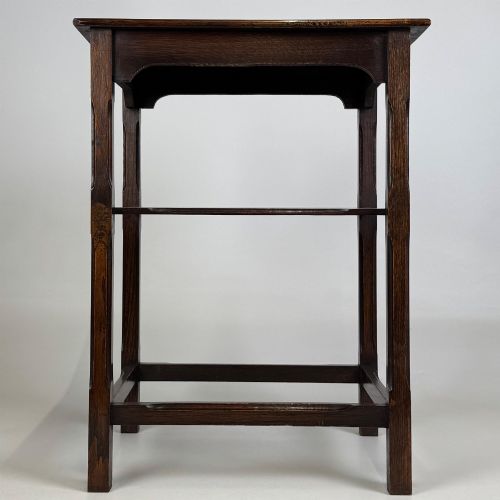
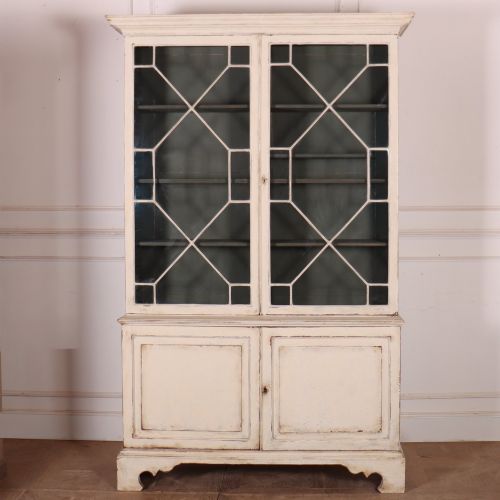
When you search for a vintage tier stand, you encounter a varied group of stacked shelving units, folding cake stands, whatnots and etageres spanning the Georgian, Victorian and Edwardian periods. These tiered pieces served various domestic duties from holding afternoon tea to displaying books, plants and decorative objects in the home.
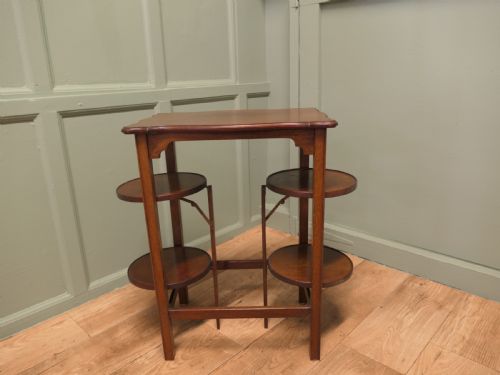
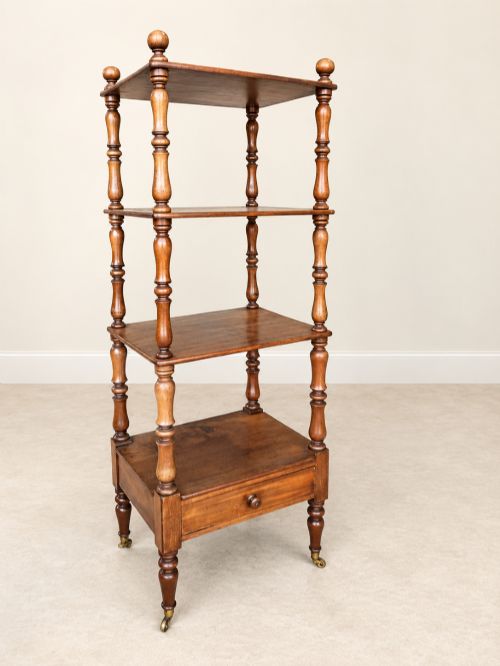
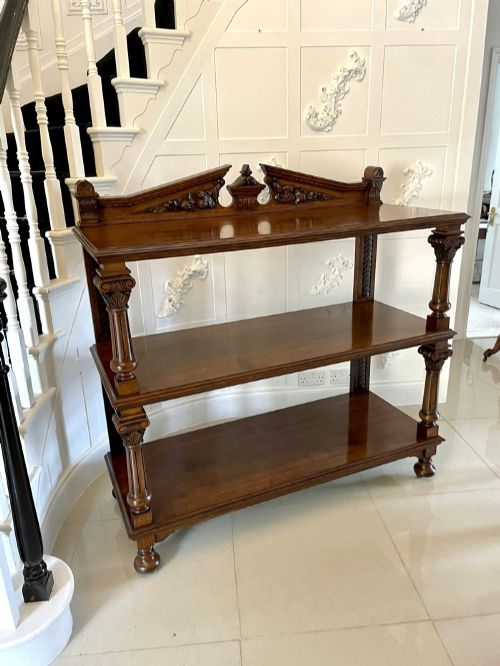
The most common examples on this page are Edwardian and Victorian creations in mahogany, oak or walnut, often featuring multiple graduated shelves supported by turned columns or barley twist uprights. Folding cake stands from the early twentieth century also appear frequently, designed for easy storage when not in use.
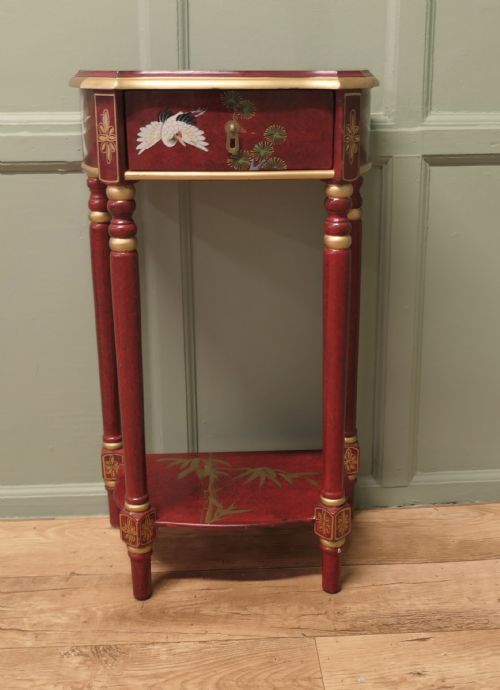
Heavier display items such as Regency mahogany what-nots and waterfall bookcases bring architectural presence, while smaller bamboo or painted occasional tables offer lighter surface arrangements. Each piece reflects the domestic priorities of its era, combining stacked utility with period craftsmanship.
Materials and construction methods
Makers relied heavily on solid hardwoods like mahogany, oak and walnut, frequently employing burr walnut veneers on display surfaces to catch the light. Timber sections were joined with traditional techniques such as mortise and tenon joints, ensuring stability across multiple rising tiers.
Turned wooden supports, barley twist columns and brass or plated metal fittings provided structural integrity while adding decorative detail to the uprights. Folding mechanisms on cake stands utilised clever hinged joints and brass brackets that allowed the tiers to collapse smoothly.
Surface finishes ranged from hand-polished French polish on mahogany to original paint or limed oak treatments seen in later Arts and Crafts and Art Deco pieces. These finishes protected the wood while highlighting the natural grain and figuring of the materials.
The furniture forms range from multi-tiered what-nots and waterfall bookcases to folding cake stands, plant stands and bedside tables.
Distinguishing quality across tiers
Quality rests in the choice of timber and the crispness of the turning on the upright supports. Superior pieces utilise figured mahogany, burr walnut or quarter-sawn oak with consistent grain patterns running through each stacked level.
Joinery execution dictates longevity in stacked furniture, where weight distribution matters across multiple levels. Better examples feature tight joints and solid brass hardware that hold each shelf rigid without wobble or tilt.
Proportion and balance separate standard utility pieces from finer salon furniture. The finest stands maintain graceful scaling between the tiers, ensuring that decorative mouldings and turned columns harmonize from top to bottom.
Marples and Company
The Vintage Tier Stand Glossary
- Etagere
- A piece of furniture consisting of a set of open shelves for displaying small objects. This French form became popular in various woods during the nineteenth century.
- Whatnot
- An open set of shelves used for displaying ornaments or books. These multi-tiered stands typically feature slender turned columns supporting each level.
- Barley twist
- A type of turning resembling a twisted rope used on furniture legs and upright supports. This decorative detail appears frequently on Victorian and Edwardian stands.
- Waterfall bookcase
- A set of open shelves where each tier steps back progressively from the one below. This stepped arrangement creates a cascading profile.
- Canterbury
- A low, multi-sectioned stand originally designed for holding sheet music, folios or newspapers. These pieces often incorporate lower drawers and occasional table tops.
Vintage Tier Stand: Frequently Asked Questions
What is a tier stand used for?
Tiered stands provided versatile display and storage space in historic homes, holding everything from books and plants to ceramics and silver tea services.
Today, they function as side tables or display ledges in living rooms and hallways, utilising vertical space without occupying a large footprint.
How do I date a tier stand?
Dating relies on identifying timber choices, construction methods and stylistic markers associated with specific periods like the Victorian or Edwardian eras.
For instance, heavy barley twist turnings and dark mahogany point to the nineteenth century, while lighter limed oak and simpler lines suggest the twentieth.
Are folding cake stands sturdy?
Folding stands utilise hinged brass brackets and scissor actions designed to lock the shelves securely into position when opened for use.
While they fold flat for convenient storage, well-maintained examples remain stable enough to hold afternoon tea services or decorative displays.
What woods were used for tier stands?
Cabinetmakers utilised native and imported hardwoods including mahogany, oak, walnut and occasional exotic veneers like burr walnut.
Auxiliary materials such as bamboo, brass fittings and painted finishes also appeared depending on the prevailing style and the date of manufacture.