

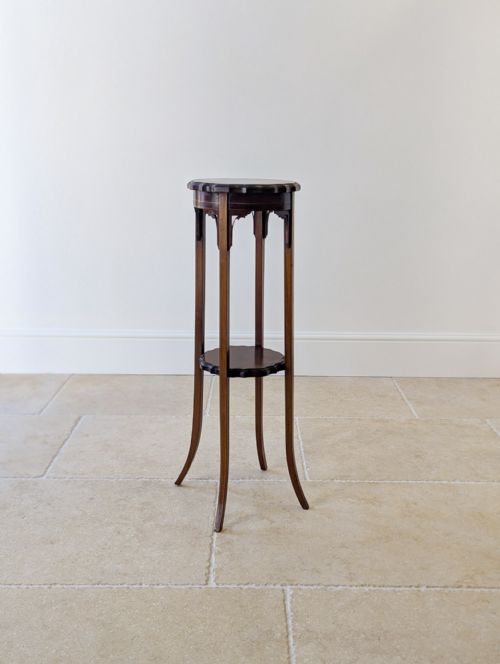
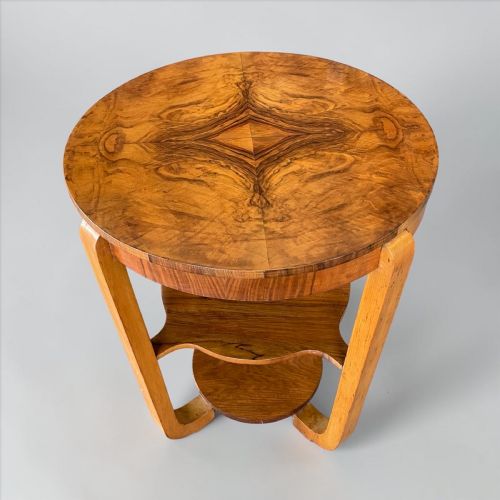
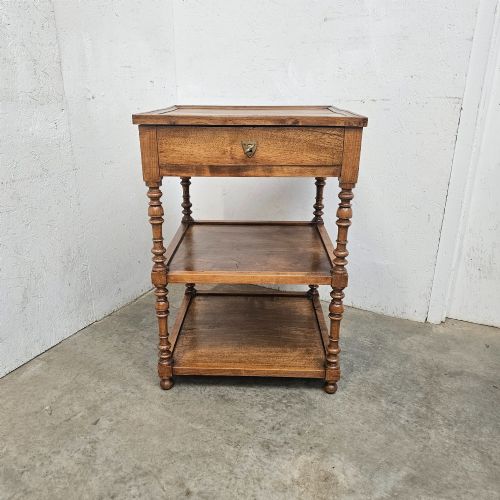
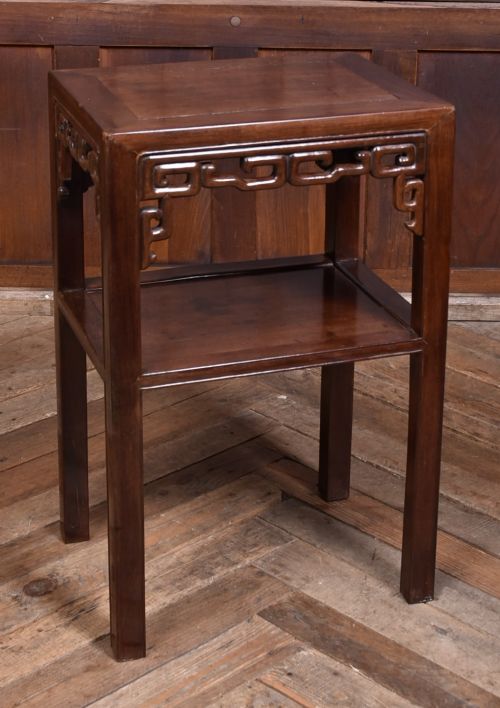
Tiered Plant Display Stand
A tiered plant display stand organises greenery across multiple levels, offering height and structure to domestic interiors.
Tiered Plant Display Stand
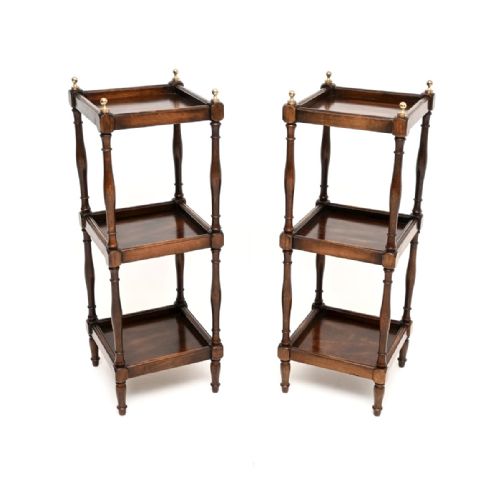
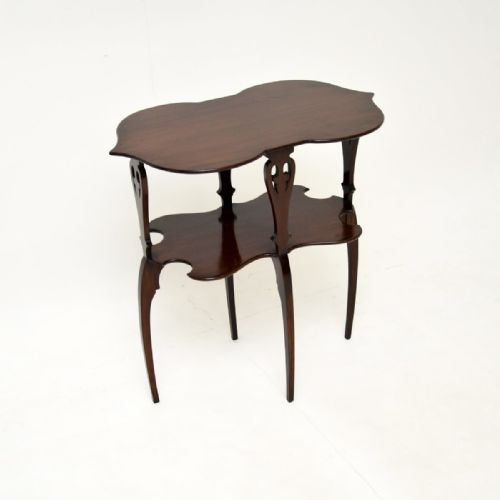
A tiered plant display stand serves to elevate greenery and decorative objects within a room, utilising vertical space effectively. These pieces range from compact two-tier designs to multi-level structures intended for pots and jardinières.
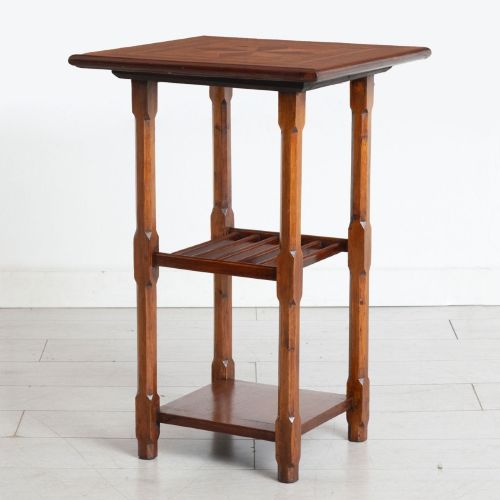
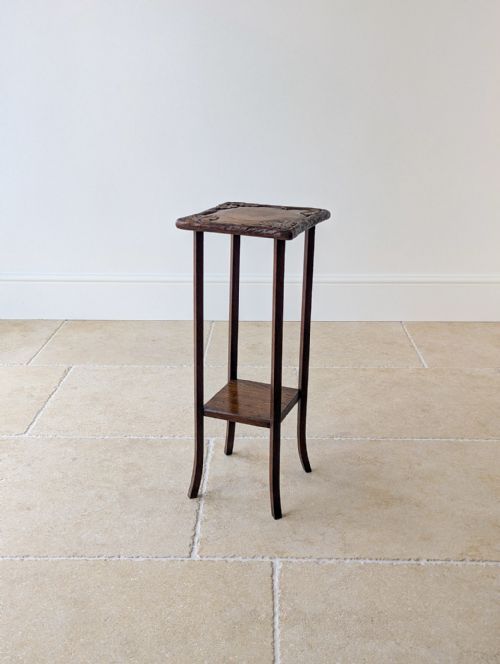
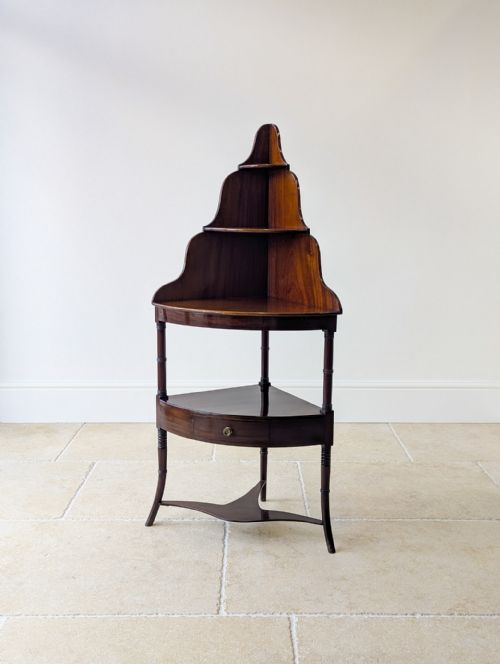
The versions met on this page emerge primarily from the nineteenth and early twentieth centuries, spanning Victorian, Edwardian, and Arts and Crafts periods. Common forms include corner stands, etagères, and specialised plant pedestals.
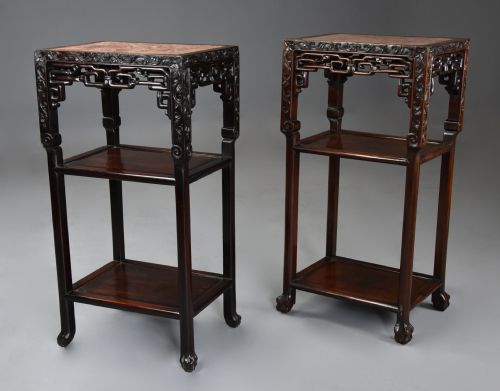
Materials span traditional timbers like mahogany and oak alongside bamboo, cast iron, and wirework. This variety reflects diverse stylistic influences, including Chinese hardwood stands, French provincial pieces, and British aesthetic movement designs.
How they were made
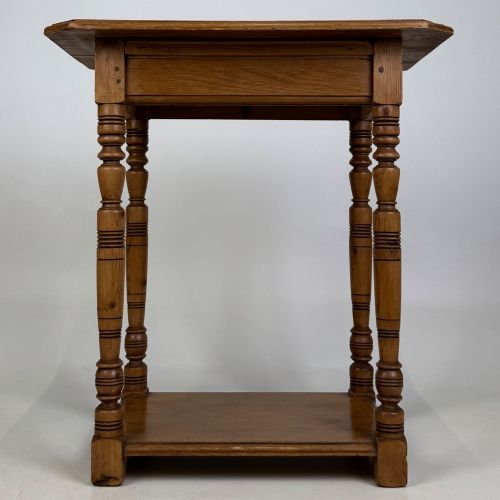
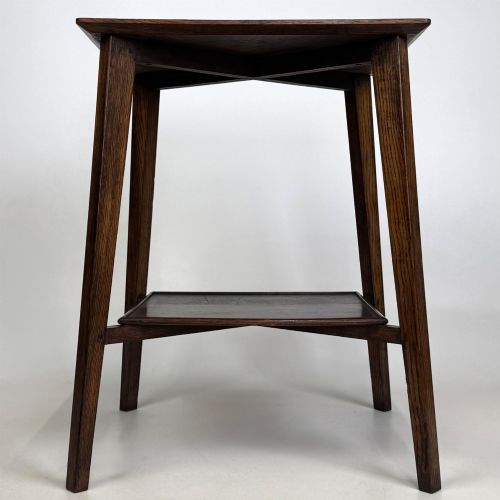
Makers utilised solid timbers such as mahogany, oak, walnut, and exotic hardwoods, often shaping them with turned legs or carved supports. Inlaid veneers, brass mounts, and marble inserts appear on finer examples from the nineteenth century.
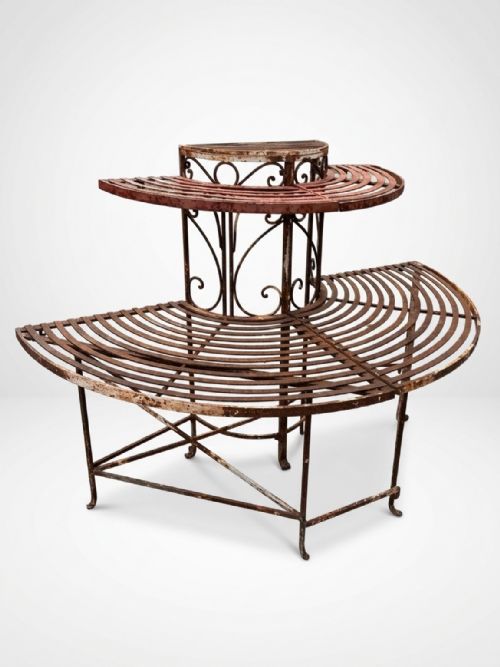
Alternative construction methods employed bent bamboo, wrought iron, wirework, and cast iron. These metal and organic materials allowed workshops to produce robust frames suited to holding heavy ceramic pots and damp planters.
Wirework planters brought Victorian conservatory gardening right into the parlour, saving drawing-room carpets from over-watered ferns.
What varies in quality
Construction methods and timber selection dictate the integrity of each stand, separating robust examples from simpler ones. Finer pieces demonstrate precise joinery, well-turned supports, and carefully matched wood grains or subtle inlay work.
The choice of secondary materials also signals quality, with cast brass mounts, heavy marble tops, and detailed hand-carved elements distinguishing more ambitious workshop production from utilitarian wirework or basic turned pine.
Liberty of London·Gabriel Viardot·Liberty and Co
The Tiered Plant Display Stand Glossary
- Etagere
- A piece of furniture consisting of a set of open shelves for displaying small objects. These tiered structures appeared frequently in nineteenth-century French and English interiors.
- Torchere
- A tall stand designed to support a lamp or candle, often adapted for display purposes. Examples from the Edwardian period frequently utilise slender mahogany columns.
- Jardinere
- An ornamental stand or container specifically intended for holding flowers or plants. They frequently incorporate waterproof liners or marble tops to handle moisture.
- Aesthetic Movement
- A late nineteenth-century design style emphasising visual beauty over narrative content. Furniture from this period often incorporates ebonised finishes and oriental motifs.
- Crossbanded
- A method of veneering where the grain runs at right angles to the border. This decorative technique appears on the tops of select nineteenth-century tables.
Tiered Plant Display Stand: Frequently Asked Questions
How were tiered plant stands used originally?
Victorians and Edwardians utilised these stands indoors to display potted ferns, palms, and flowering plants at varying heights. They brought greenery into drawing rooms and conservatories while protecting floor surfaces.
Beyond plants, households placed lamps, ornaments, and books on the accessible shelves. Their compact footprints made them adaptable for corners and window spaces.
What materials are common for these stands?
Timbers such as mahogany, oak, walnut, and exotic hardwoods form the backbone of wooden tiered stands. Bamboo and rattan also appear frequently in nineteenth-century examples.
Metal versions rely on cast iron, wrought iron, and brass-mounted frames. Marble and tile inserts frequently top plant stands to protect against water damage from pots.
How do I tell Victorian from Edwardian stands?
Victorian stands often feature darker timbers, heavier cast iron work, or ebonised surfaces with elaborate turnings. Bamboo and bamboo-turned wood are also hallmarks of late nineteenth-century production.
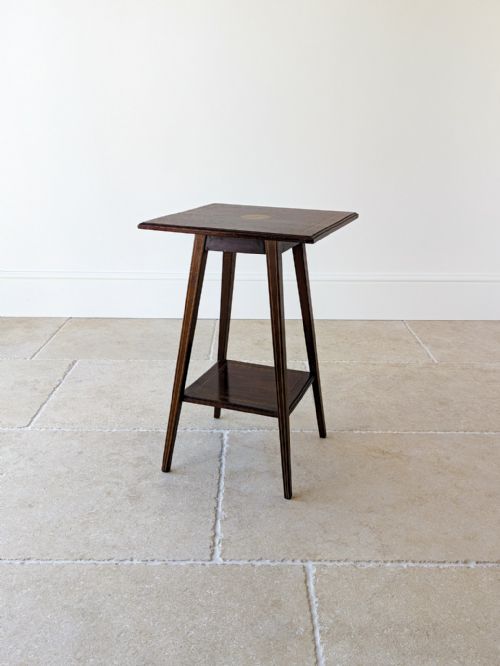
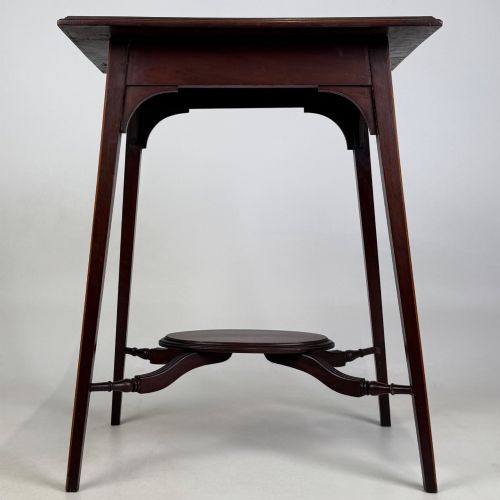
Edwardian pieces tend to display lighter mahogany, subtle string inlay, and refined Arts and Crafts influences. Their silhouettes generally appear more slender and restrained than their Victorian predecessors.
Are these stands suitable for heavy plants?
Sturdy hardwood, cast iron, and well-jointed oak stands easily support substantial pots and damp soil. The primary consideration is the weight distribution across the individual tiers.
Lighter bamboo or wirework designs suit smaller potted specimens or trailing plants. Checking the structural stability of the joints ensures safe display for heavier ceramic jardinières.