




Vintage Throne Chairs
Vintage throne chairs command attention through heavy timber frames and commanding backs, bringing historic seating presence straight into modern rooms.
Vintage Throne Chairs
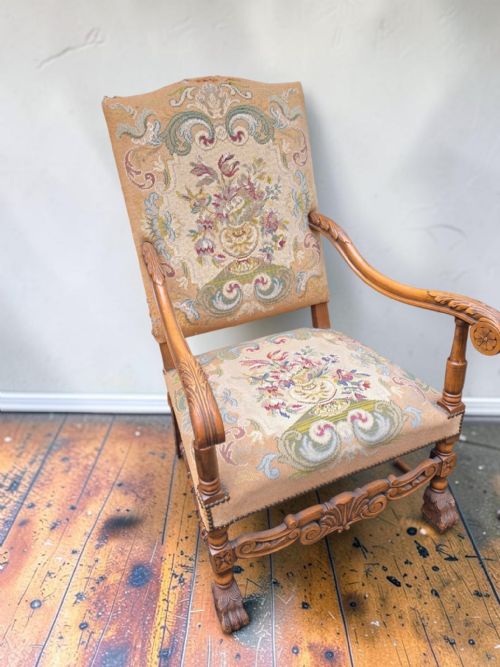
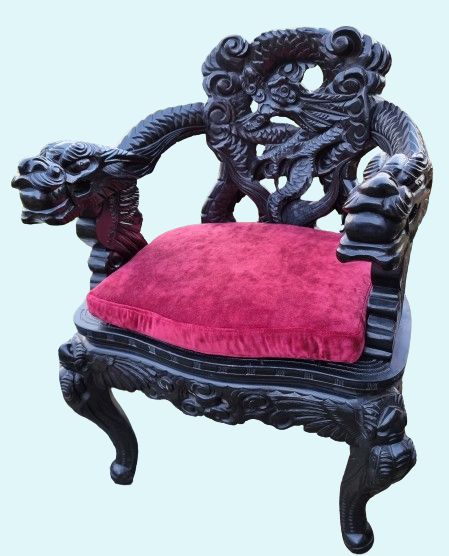
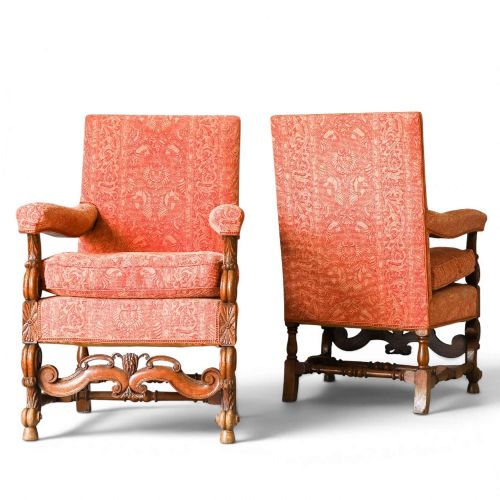
Vintage throne chairs encompass substantial armchairs and tall-backed seats originating primarily across the nineteenth and early twentieth centuries. When searching for vintage throne chairs, buyers encounter heavily carved wooden seating drawing directly on historical revival styles.
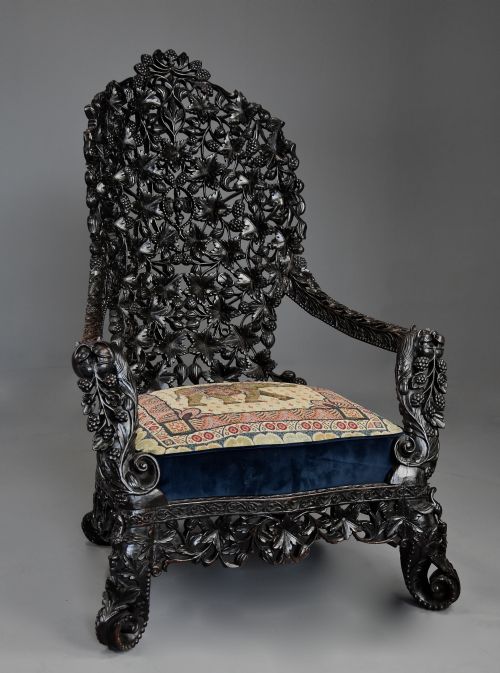
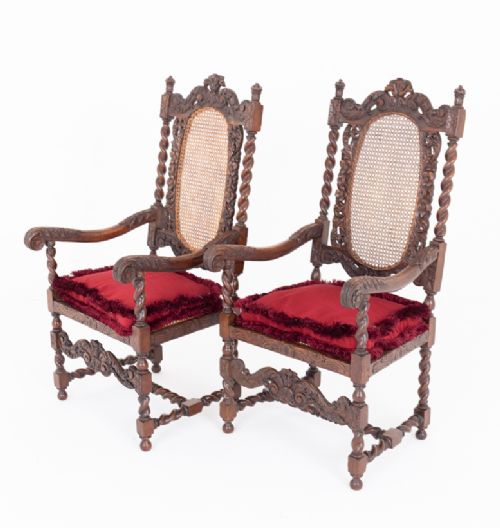
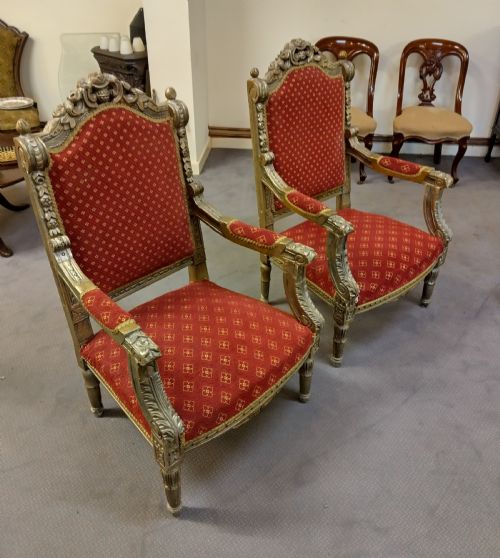
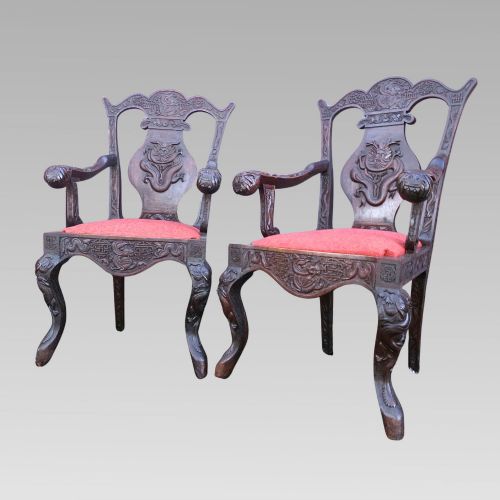
The selections span distinct regional aesthetics including English oak interpretations, French gilt frameworks, and intricate Chinese or Anglo-Indian carved hardwood creations. These seating forms served functional roles in libraries, halls, and formal rooms while projecting distinct authority.
Examples frequently display prominent stylistic details such as barley twist supports, panelled backs, and deep upholstery. Most pieces meet the eye as dark wood armchairs or lighter decorative accent chairs referencing Gothic, Renaissance, or Jacobean traditions.
Materials and construction methods
Makers constructed these chairs primarily from dense timbers including oak, walnut, teak, and various oriental hardwoods. These sturdy woods supported deep structural carving, pierced fretwork, and applied brass inlays without compromising overall frame stability.
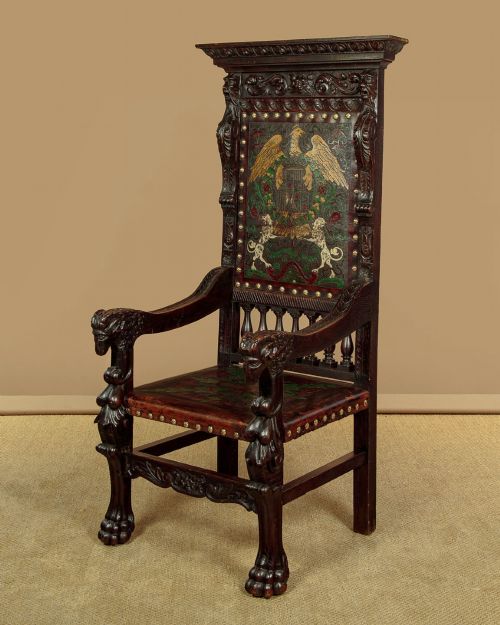
Upholstered versions relied on tactile textiles such as textured velvet, stamped leather, and woven tapestry panels. Craftsmen secured these coverings directly to heavy wooden frames using traditional tension methods suited to grand seating.
Distinctions in craftsmanship
Quality rests principally in the depth, crispness, and continuity of the hand-carved ornamentation across the timber frame. Superior examples display sharply defined foliage, figures, or geometric motifs rather than shallow or softened surface work.
The integrity of the underlying timber and the weight of the chosen hardwood dictate structural longevity. Finer pieces maintain tight joinery and substantial proportions that withstand the physical demands of high-backed seating designs.
The Vintage Throne Chairs Glossary
- Jacobean Revival
- A nineteenth-century stylistic movement mimicking seventeenth-century English furniture forms. It relies heavily on straight lines, dark oak, and geometric panel detailing.
- Barley twist
- A decorative turning technique resembling a twisted rope. This detail frequently appears on the vertical supports and leg stretchers of period armchairs.
- Savonarola style
- A type of folding chair formed from intersecting curved wooden slats. The design traces its origins to the Italian Renaissance.
- Wainscot chair
- An early form of wooden armchair constructed with panelled backs and solid wooden seats. These pieces typically utilise heavy oak construction.
- Fauteuil
- An open-armed upholstered armchair originating in France. This form balances carved wooden framework with padded armrests and seats.
Vintage Throne Chairs: Frequently Asked Questions
Where should I place a vintage throne chair?
These imposing seats suit spacious living rooms, studies, or entrance halls where their tall frames can anchor the surrounding layout. Placing them away from direct heat sources helps preserve the condition of antique timber and textile coverings.
Because of their substantial visual weight, they work well as single statement pieces rather than clustered seating. Pairing one with a simple side table lets the chair remain the main focus of the space.
How do I identify a revival style?
Revival pieces borrow specific decorative vocabulary from earlier centuries, such as Gothic tracery or Renaissance scrollwork. Examining the wood patination and construction joints helps distinguish these later interpretations from original early period furniture.
Many nineteenth-century makers enthusiastically combined historical motifs to create grand seating for domestic reception rooms. The choice of nineteenth-century timber finishes often reveals the true age of the piece.
Can these chairs be used daily?
Solid wooden construction makes these chairs sturdy enough for regular seating when joints remain tight and secure. Heavier frames support everyday use remarkably well if the underlying structure stays sound.
Checking the stability of the arms and legs ensures safe sitting. Professional conservation can reinforce older frames without altering their historic character.