
Vintage Textile Wall Panel
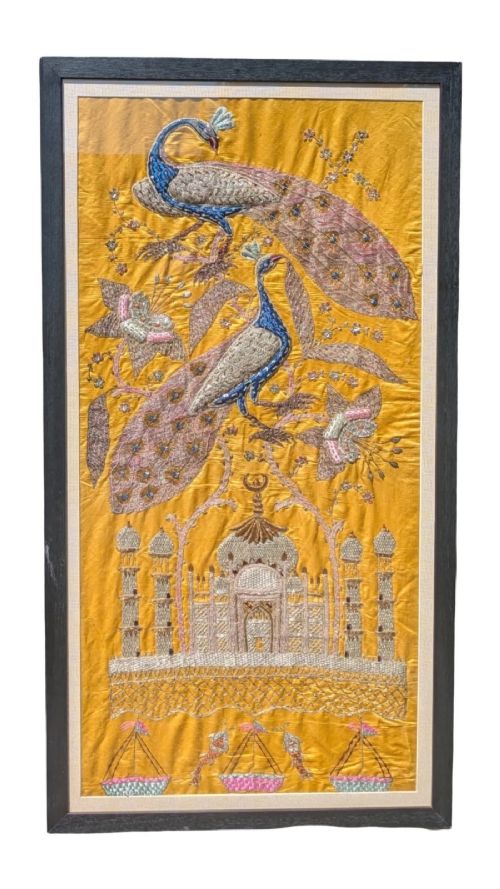
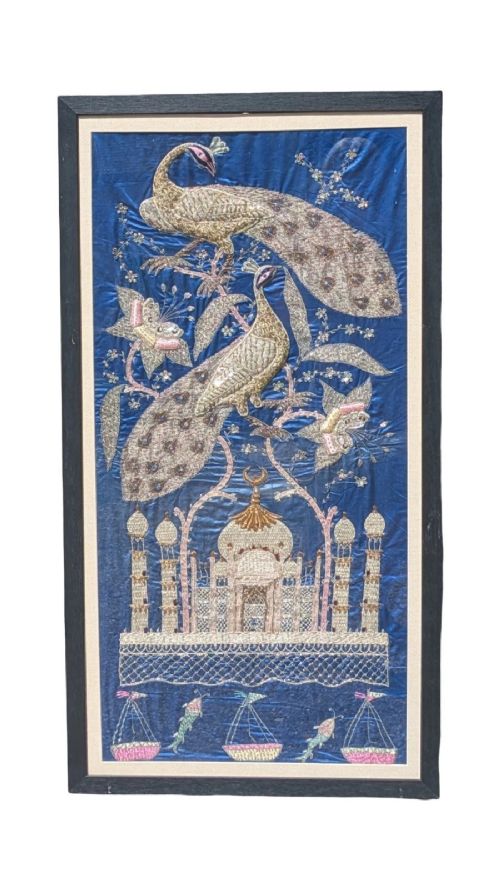
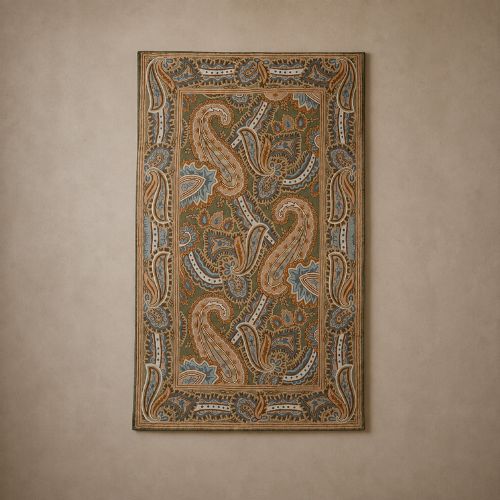
A vintage textile wall panel brings centuries of woven and embroidered history into a room, offering tactile warmth and complex colour.
Vintage Textile Wall Panel
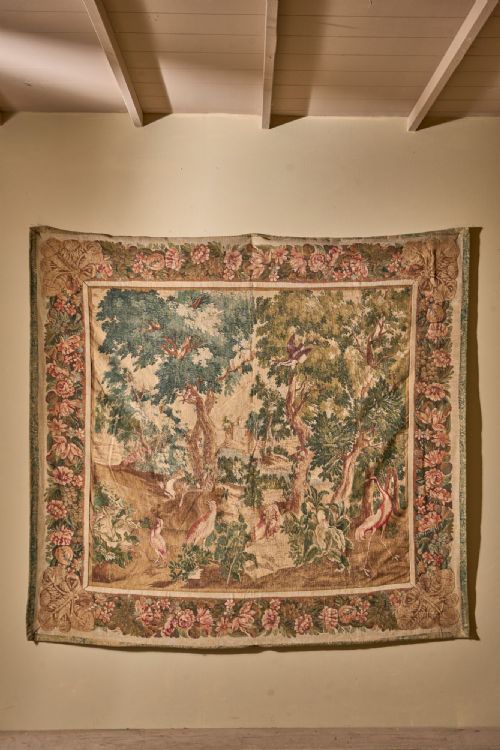
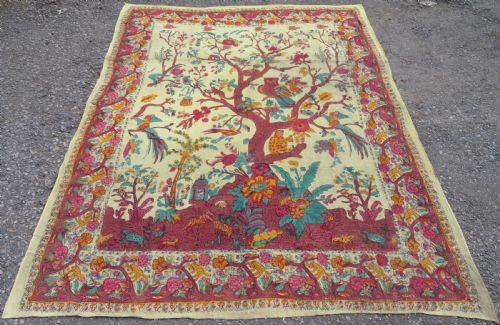
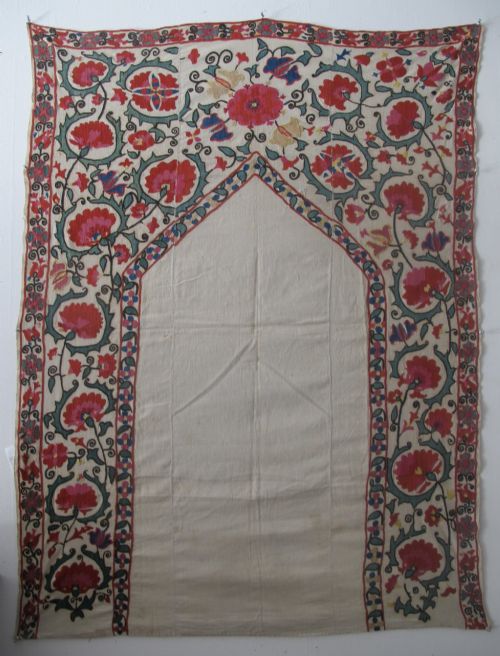
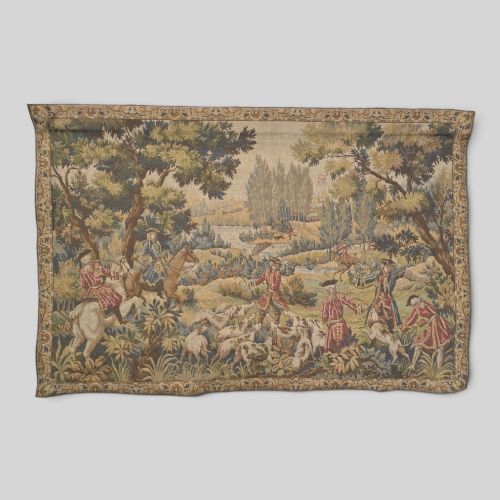
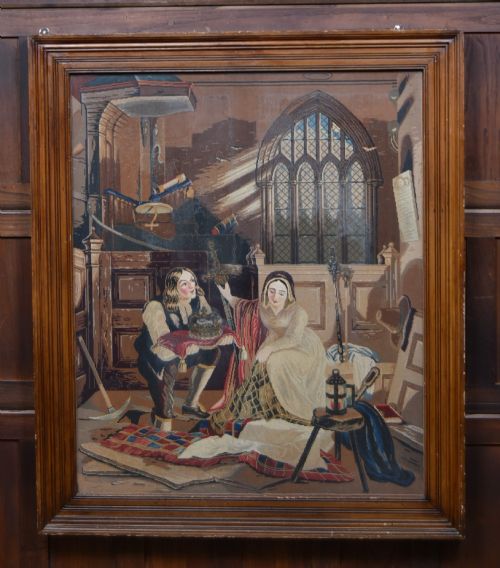
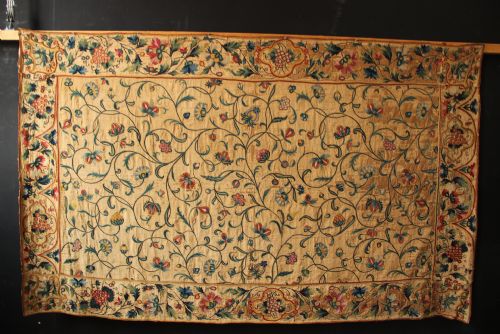
A vintage textile wall panel encompasses diverse wall hangings, tribal embroidery, and framed tapestry fragments originating from periods spanning the seventeenth century through to the mid-twentieth century. When searching for a vintage textile wall panel, buyers encounter everything from seventeenth-century English crewelwork and European verdure tapestries to Central Asian Suzanis and Indian silk embroidery.
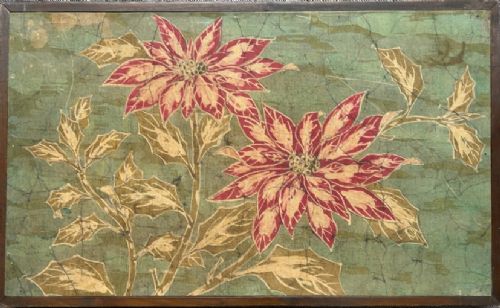
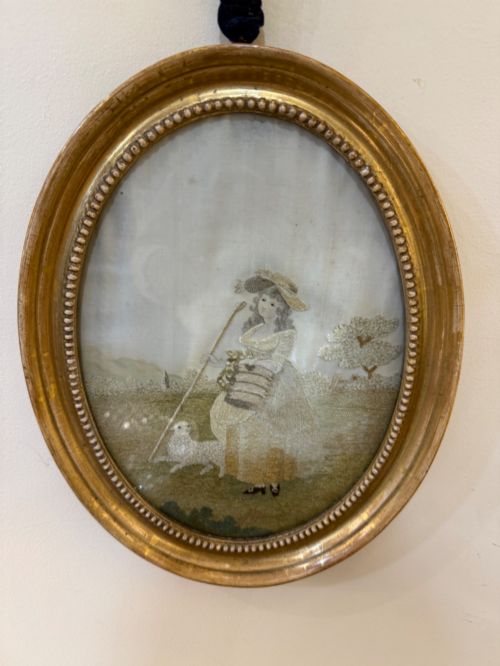
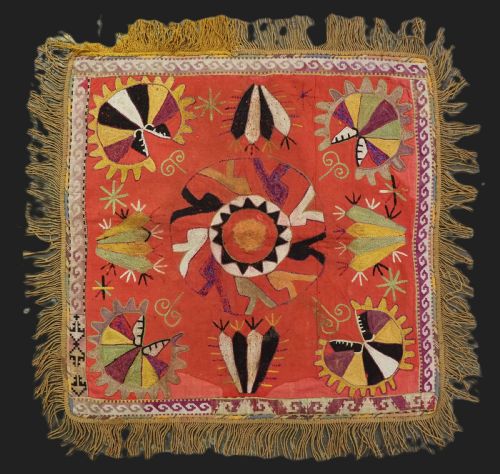
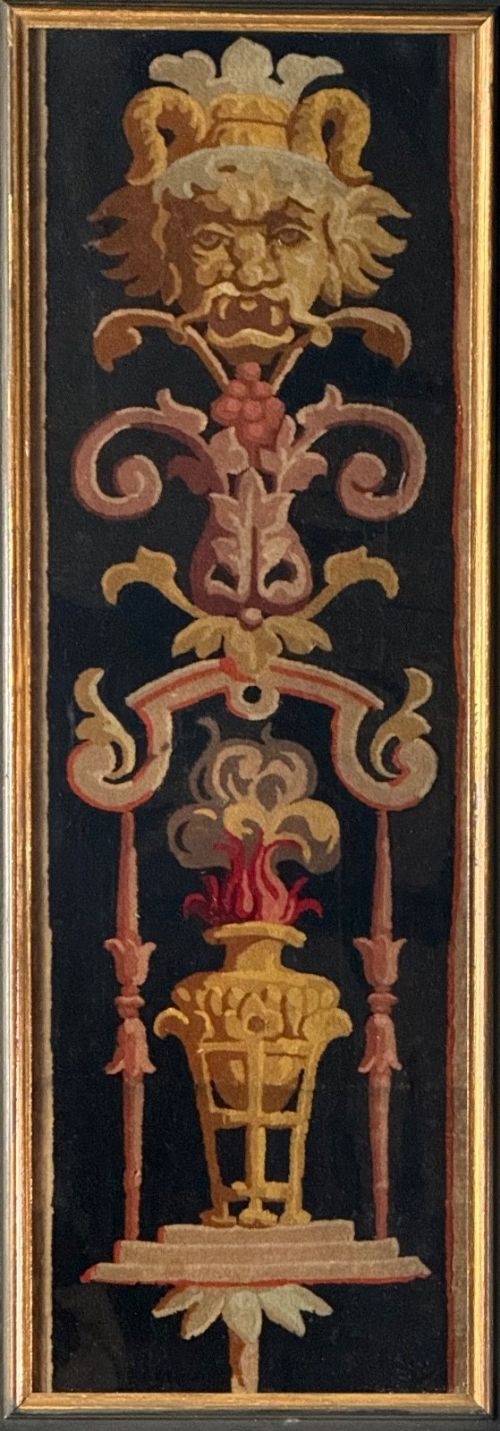
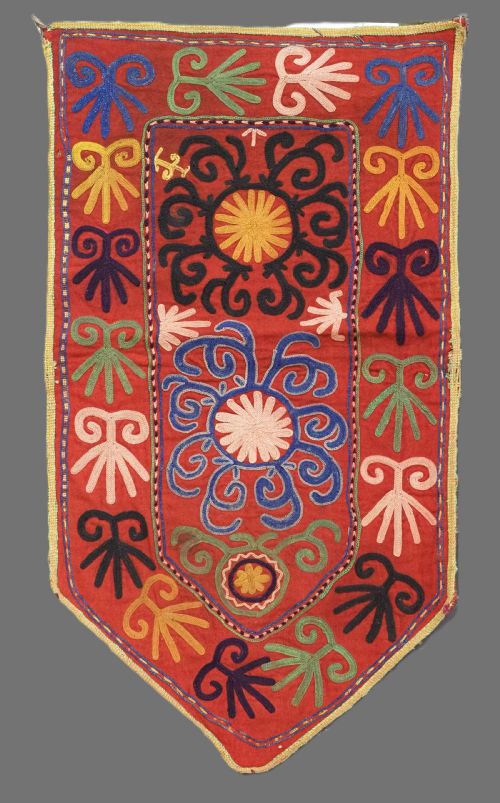
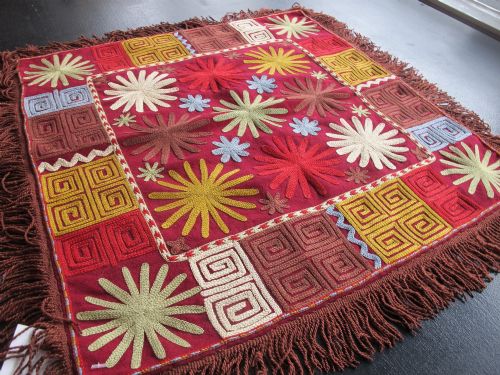
The selections on this page draw heavily from Central Asian tribal traditions, alongside French, English, and Continental European needlework. Pieces range from large architectural Suzanis and Lakai dowry embroideries to framed batik floral panels and classical embroidered fragments.
Origins shift between nomadic tribal tents in Turkmenistan and Uzbekistan, grand European workshops, and intricate Indian textile studios. This variety allows a buyer to select a piece matching specific historical periods, regional patterns, and decorative scales.
What varies in quality
Quality rests upon the density of the stitching, the intricacy of the design, and the survival of the original materials. Finer examples display meticulous needle control, sophisticated symmetry in tribal motifs, and vibrant saturation from natural dyes.
Condition and completeness also separate pieces, as certain items survive as full wall hangings while others exist as border fragments or mounted panels. The precision of the execution and the preservation of the fabric distinguish the upper tier of textile art.
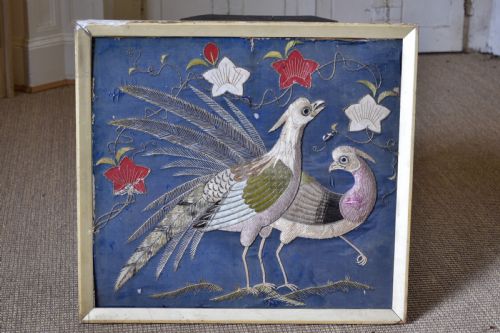
Several nineteenth-century wool works dedicatedly record fierce tigers and plump pheasants immortalised by diligent needlework.
The Vintage Textile Wall Panel Glossary
- Suzani
- An embroidered tribal textile from Uzbekistan and Central Asia, typically worked in silk on a cotton or linen ground with bold floral and architectural motifs.
- Crewelwork
- Embroidery executed with wool yarn on a heavy linen or cotton foundation, often seen in large-scale English panels depicting scrolling vines and fauna.
- Asmalyk
- A pentagonal trapping produced by the Yomut tribe of Turkmenistan, traditionally used to decorate camel caparisons during wedding processions.
- Verdure tapestry
- A European woven wall hanging dominated by lush landscape foliage, trees, and often birds or animals, frequently originating from French or Flemish workshops.
- Lakai
- A nomadic Turkic group in Central Asia known for dynamic, asymmetric dowry embroideries featuring hooked motifs and vibrant contrasting silks.
Vintage Textile Wall Panel: Frequently Asked Questions
How do I hang a textile panel safely?
Most textile panels require weight distribution across the top edge rather than direct pinning. Methods include mounting the fabric onto a padded wooden batten or stitching a sleeve for a concealed rod.
Larger tapestries and heavier crewelwork pieces often benefit from professional conservation framing behind glass or linen backing to prevent sagging and strain on the ancient fibres.
Where were Suzanis traditionally used?
Suzanis originated in Central Asia as domestic furnishings created by women for dowries and home decoration. Families hung them on interior walls or used them as bed covers and ceremonial textiles during major household events.
The large scale of these embroideries allowed them to serve as focal points within nomadic yurts and permanent town houses alike.
What is the difference between a Suzani and a crewelwork panel?
Suzanis hail from Central Asia, specifically Uzbekistan, and feature fine silk embroidery on cotton or linen foundations with characteristic medallion and floral layouts. Crewelwork has European roots, primarily English, utilising wool yarn on heavy linen grounds to form dense scrolling designs.
Each style relies on entirely different regional traditions, stitch types, and colour palettes.
How should I clean an antique textile panel?
Water cleaning risks running historical natural dyes and weakening fragile aged threads. Surface dust is best managed through very gentle suction using a low-powered vacuum through a mesh screen.
Any significant conservation or wet cleaning should be left entirely to professional textile conservators to avoid irreversible damage.