




Vintage Terracotta Ornaments
Vintage terracotta ornaments bring warmth and character to gardens and interiors through modelled clay figures, animals and architectural salvage.
Vintage Terracotta Ornaments
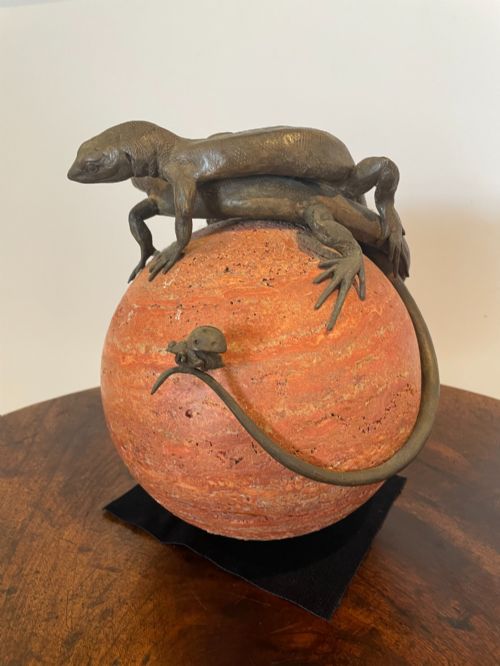
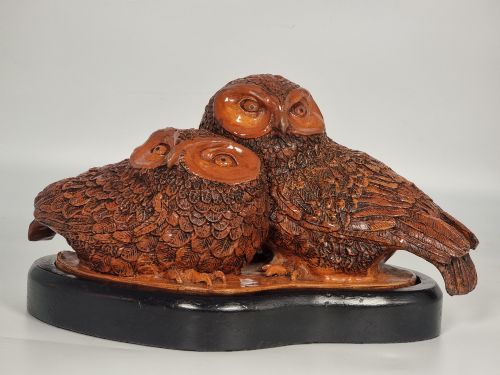
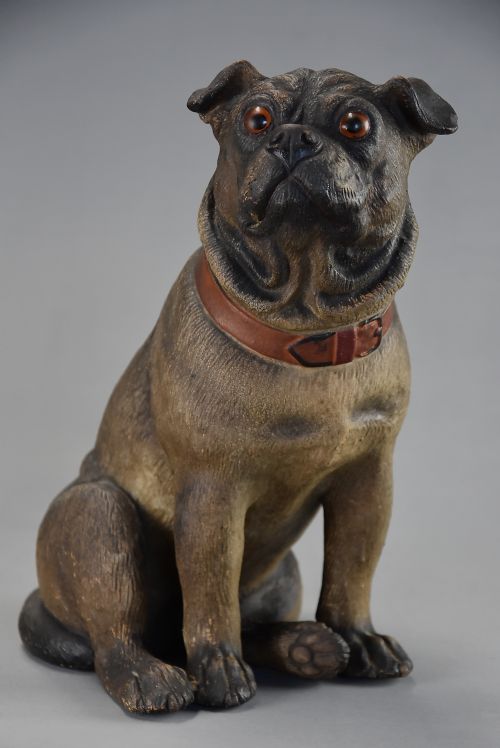
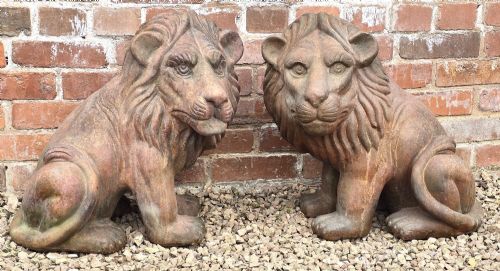
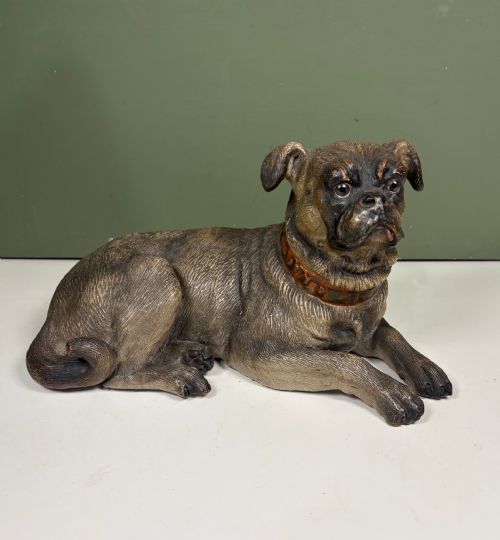
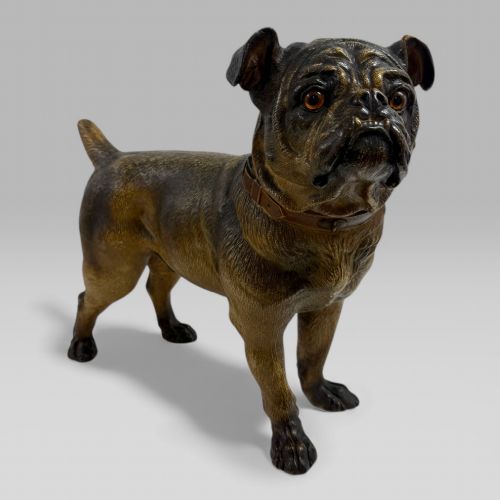
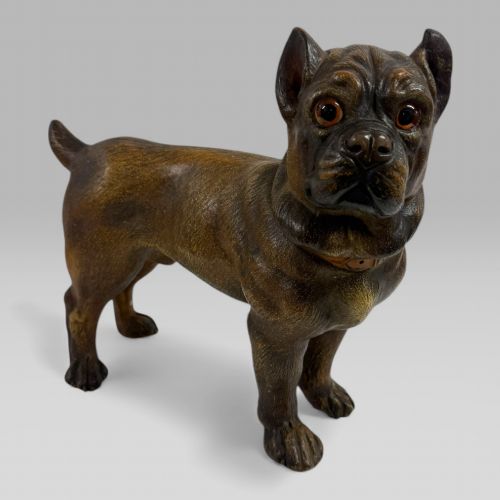
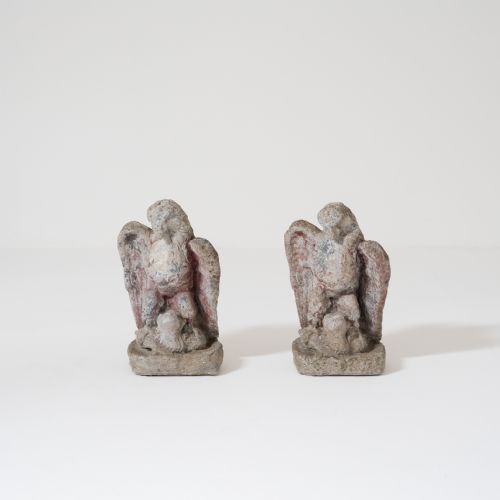
Vintage terracotta ornaments comprise a varied selection of fired clay objects, ranging from garden statuary and architectural salvage to animal figures and portrait busts. When exploring vintage terracotta ornaments, buyers frequently encounter life-size dogs such as pugs, stately pairs of lions, and decorative chimney pots originating from the nineteenth and early twentieth centuries.
The selection extends to European figures, Austrian animalier sculptures, and glazed earthenware pieces spanning Victorian, Art Nouveau, and Art Deco styles. These works served both functional and decorative purposes, moving seamlessly between interior display spaces and garden settings.
How they were made
These pieces rely primarily on terracotta, ceramic, and earthenware, shaped through hand modelling, casting, or sculpting before undergoing firing in a kiln. Artisans frequently applied surface paint, glazes, or ebonised finishes to enhance detail, particularly on figures and animal sculptures.
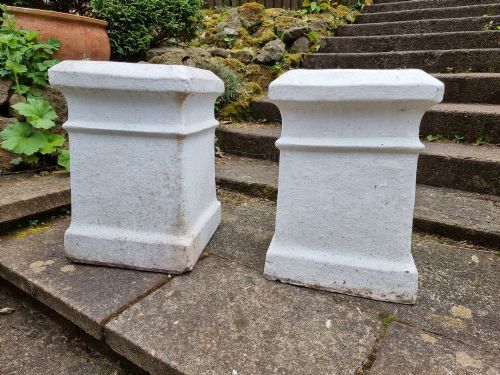
Architectural and garden elements utilised robust stoneware and terracotta mixes designed to withstand outdoor exposure, whilst interior figurines often employed finer ceramic bodies and painted decoration.
Listings feature terracotta, ceramic, glass, paint, porcelain, glazed earthenware, plaster, and earthenware across the nineteenth and twentieth centuries.
What varies in quality
Quality rests upon the crispness of the modelling and the sensitivity of the sculptural detail, particularly in facial expressions on animal figures and human busts. Pieces from established makers demonstrate superior anatomical proportion and surface finishing compared to simpler commercial wares.
The preservation of original surface treatments, whether painted details or natural weathered patination on garden pieces, significantly elevates the character and integrity of the object.
Ernst Whaliss·Royal Dux·Bernard Bloch·Bavent
The Vintage Terracotta Ornaments Glossary
- Terracotta
- A porous, unglazed or glazed fired earthenware clay of a brownish-red colour. This material forms the foundation of most garden statues and architectural ornaments.
- Animalier
- A nineteenth-century artistic genre dedicated to the realistic portrayal of animals. Sculptors in this tradition captured dogs, lions, and horses with careful anatomical precision.
- Chimney pot
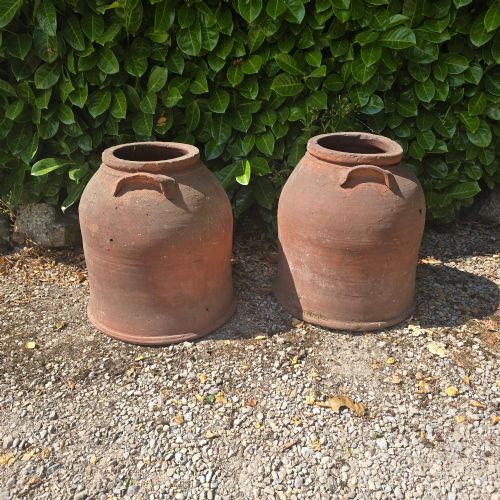
- A cylindrical clay structure placed atop a chimney to improve draught, often repurposed in the Victorian era as a garden planter or pedestal.
- Earthenware
- Pottery fired at lower temperatures than stoneware, remaining slightly porous unless glazed. It provides the body for many decorative figurines and ceramic busts.
- Sancai
- A traditional Chinese three-colour lead glaze technique, frequently seen on Tang Dynasty style pottery horses and figures. The glazes typically combine amber, green, and creamy white tones.
Vintage Terracotta Ornaments: Frequently Asked Questions
Where should I place a large terracotta lion?
Large terracotta lions suit entranceways, garden paths, or flanking a terrace where their scale creates a commanding focal point. They tolerate outdoor placement provided they are protected from standing water during freezing conditions.
Indoors, sturdy architectural pairs can anchor a large hallway or conservatory, provided the floor surface supports their considerable weight.
How do I clean antique terracotta?
Cleaning requires a soft brush to remove loose dust and surface dirt without disturbing the underlying clay or old paint layers. Avoid harsh chemical detergents or pressure washers that strip historic patination.
For stubborn outdoor grime, plain water and a gentle sponge suffice, allowing the piece to dry thoroughly afterwards.
Are these ornaments frost resistant?
Frost resistance depends on the density of the fired clay and the historic manufacturing technique. Denser nineteenth-century stoneware handles cold weather better than porous earthenware.
To prevent cracking during freezing winter months, move delicate figures and unglazed pots into a sheltered porch, shed, or greenhouse.
How do I identify a Victorian piece?
Victorian pieces often display characteristic nineteenth-century animalier subjects, such as life-size pugs or recumbent lions, modelled with high naturalistic detail. Formats like rhubarb forcers and chimney pots also point directly to this era.
Material composition, heavy terracotta bodies, and aged surface patination further help confirm nineteenth-century production origins.