


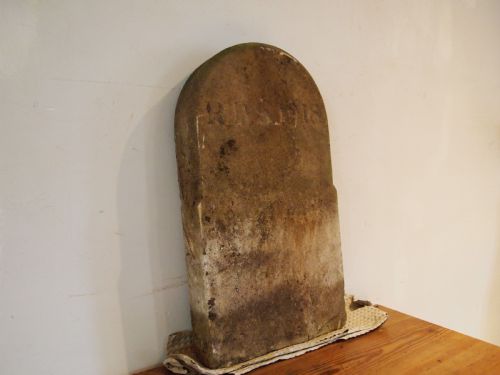


Edwardian Garden Ornaments
Edwardian garden ornaments bring enduring character to outdoor spaces through robust materials and classical forms.
Edwardian Garden Ornaments
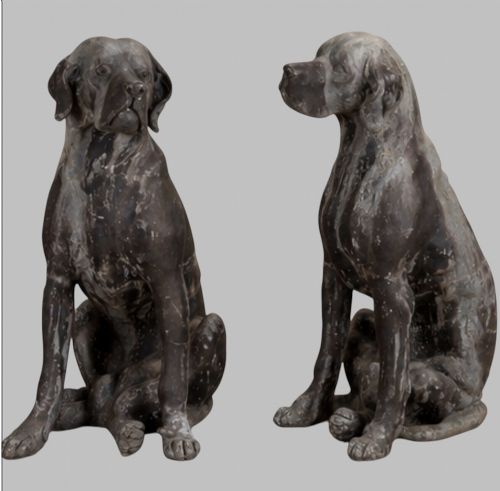
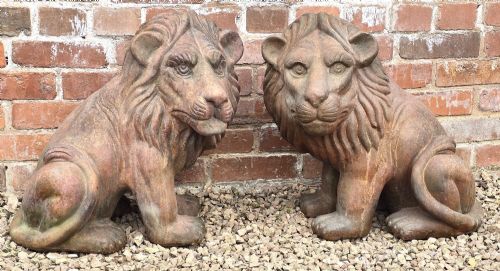
Edwardian garden ornaments encompass a diverse array of statuary, planters, and architectural elements designed to punctuate lawns, terraces, and pathways. Buyers searching for edwardian garden ornaments encounter functional vessels alongside purely decorative sculpture intended to weather the elements gracefully.
The objects span practical bird baths and campana urns to striking figurative bronzes and cast iron novelties. Stylistic influences draw heavily from neoclassical design, Italianate tastes, and traditional English country aesthetics.
Most pieces date from the early decades of the twentieth century, bridging late Victorian mass production with early modernist sensibilities. Surviving examples demonstrate how period landowners layered their grounds with both classical gravity and whimsical touches.
How they were made
Foundries utilised traditional casting methods to shape durable metals like cast iron, bronze, and lead into intricate figures and robust vessels. Molten material poured into moulds captured sharp surface details, from flowing drapery to animal fur.
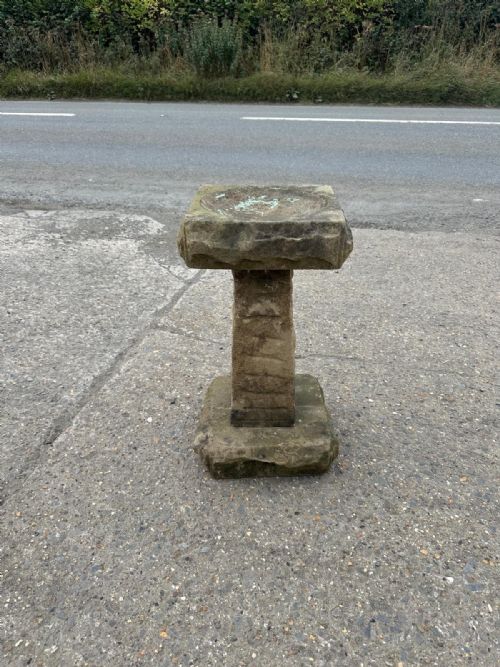
Masonry and sculptural works relied on hand-chiselled natural stone such as Purbeck limestone and York stone, alongside moulded reconstituted stone and terracotta. Artisans combined these tactile materials to withstand seasonal frost and outdoor exposure.
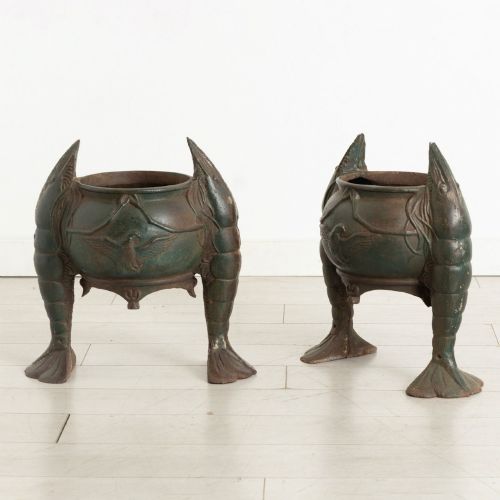
A cast iron shrimp provides unexpected maritime charm among standard classical garden urns.
What varies in quality
Quality rests upon the crispness of the original casting or carving and the integrity of the chosen medium. Finer examples display meticulous attention to anatomical proportion or architectural balance rather than rushed finishing.
The evolution of surface patina dictates visual success over decades of weathering. Pieces retaining thoughtful transitions of oxide, moss, and mineral staining hold greater aesthetic depth than those with uniform, modern coatings.
The Edwardian Garden Ornaments Glossary
- Campana urn
- A bell-shaped garden vessel originating from classical antiquity. These footed planters usually feature flared rims and classical relief decoration.
- Reconstituted stone
- A durable composite material made from crushed natural stone and a binder. It allowed makers to cast complex garden ornaments with greater uniformity.
- Terracotta
- Fired unglazed clay exhibiting warm reddish-brown earthen tones. It was favoured for Italianate pots and sculptural figures exposed to weather.
- Weather vane
- An architectural instrument mounted on pivots to indicate wind direction. Period examples often incorporate decorative copper or iron silhouettes.
- Architectural salvage
- Reclaimed building elements repurposed for ornamental landscaping. This category includes stone markers, pedestals, and structural fragments.
Edwardian Garden Ornaments: Frequently Asked Questions
Are these ornaments frost resistant?
Most metals and hard stones handle winter conditions well, though cast iron and terracotta require attention during freezing snaps. Proper drainage prevents moisture expansion from cracking stone vessels.
Elevating heavy pieces on small feet or timber blocks keeps them clear of standing winter water. This simple precaution preserves the structural integrity of older bases.
How do I clean bronze outdoors?
Gentle washing with warm water and mild soap removes surface grime without disturbing the natural oxide layer. Avoid harsh wire brushes or chemical strippers that strip away historical character.
Applying a light microcrystalline wax coating helps protect bronze surfaces from aggressive pollution. Regular rinsing maintains the depth of the metal finish.
How do I identify cast iron?
Cast iron is notably heavy and often displays parting seams from the original foundry mould. A magnet adheres firmly to iron surfaces, unlike lead or non-ferrous bronze.
Surface texture tends to show a slightly granular quality beneath layers of historic paint or rust. Unpainted iron develops a stable orange-brown oxide coat over time.