



Terracotta Garden Sculpture
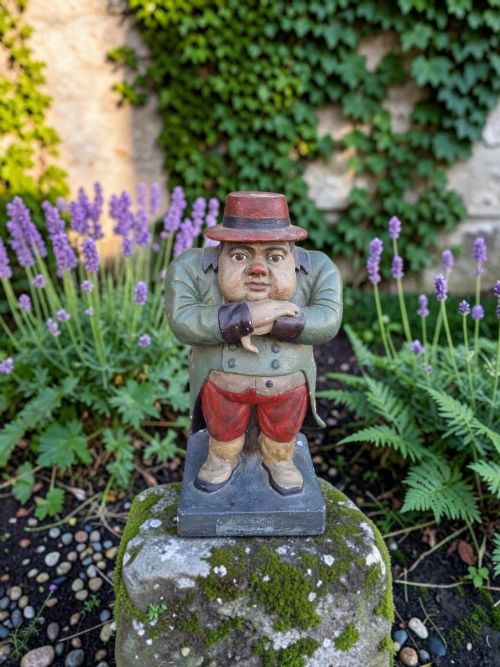
Terracotta garden sculpture brings classic presence to grounds and terraces, featuring grand lions, eagles, and busts shaped from durable earth.
Terracotta Garden Sculpture
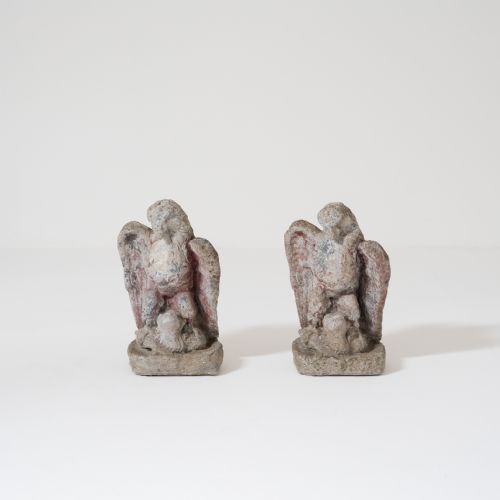
Terracotta garden sculpture comprises substantial ornaments and figures designed to weather the elements while gracing lawns, gates, and garden walls. When buyers search for terracotta garden sculpture, they encounter grand pairs of lions, watchful eagles, and striking busts spanning the nineteenth and early twentieth centuries.
The selections on this page lean heavily toward nineteenth-century Italianate and Victorian taste, featuring impressive scale and classical forms. Pieces range from lifesize dogs and ornamental crowns to robust salt glazed pottery and buff earthenware figures on dedicated bases.
Moulded or hand-sculpted from clay and allied earthen materials, these works reflect the enduring popularity of classical antiquity in British and European gardens. Each piece brings architectural weight and sculptural presence to outdoor spaces, whether rendered as a pair of sentinels or a single commanding portrait.
How they were made
The primary material is terracotta, alongside related compositions such as stoneware, salt glazed pottery, and standard earthenware. Artisans shaped these clays either by hand-sculpting intricate details or by pressing the material into large moulds before kiln firing.
Kiln firing transformed the raw clay into a durable, weather-resistant medium capable of standing outdoors for generations. Some works utilise buff-coloured terracotta or specialised salt glazes to achieve specific surface finishes and enhanced protection against frost.
Terracotta Garden Sculpture Retail Price Guide 2026
Typical asking prices for terracotta garden sculpture among the pieces listed under this phrase on Sellingantiques today, from the lower quarter to the upper quarter. They describe what is for sale here now, not the wider market.
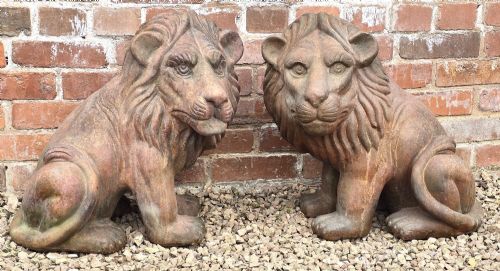
Nineteenth-century gardens frequently employed stern terracotta lions as silent guardians by the gates, keeping perpetual watch over the lawn.
What varies in quality
The durability of the clay body and the success of the kiln firing dictate how gracefully a piece withstands damp and frost over decades. Uniformity of the ceramic body and the absence of clumsy repairs separate ordinary yard ornaments from superior sculptural works.
Hurlford Kilmarnock
The Terracotta Garden Sculpture Glossary
- Terracotta
- Fired clay used for pottery and garden ornaments, prized for its warm reddish or buff colour and porous nature.
- Salt Glazed Stoneware
- Pottery coated with common salt during the kiln firing to produce a durable, glossy, and impervious finish.
- Italianate
- A stylistic influence drawing upon Italian Renaissance and classical garden traditions, frequently seen in nineteenth-century statuary.
- Earthenware
- Pottery fired at lower temperatures than stoneware, forming a robust base material for traditional garden sculptures and busts.
Terracotta Garden Sculpture: Frequently Asked Questions
How do I protect terracotta sculpture in winter?
Terracotta is porous and can absorb moisture that expands during freezing temperatures, potentially causing cracking or surface flaking.
To prevent frost damage, raise the sculptures off the ground using stone feet and consider covering them or moving unglazed pieces into a sheltered shed during severe winter months.
What periods do these garden sculptures come from?
The pieces listed predominantly originate from the nineteenth century and the early twentieth century, spanning periods like the Victorian and Edwardian eras.
Styles from this timeframe often reflect Neoclassical or Italianate influences, drawing heavily on classical antiquity for garden ornamentation.
Are these sculptures solid or hollow?
Most large garden sculptures and architectural figures are hollow-cast or built with thick walls rather than solid clay.
Hollowness reduces the overall weight for transport and ensures the piece heats and cools evenly during the kiln firing process without exploding.
How do I clean moss off terracotta?
Gentle cleaning with a soft bristle brush and warm water is usually sufficient to remove accumulated dirt, green algae, and light moss without harming the fired surface.
Avoid high-pressure washers and harsh chemical treatments, as these can erode the outer skin of the terracotta and accelerate weathering.