




Vintage Terracotta Carpet
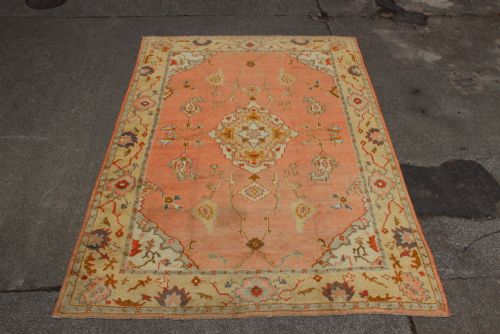
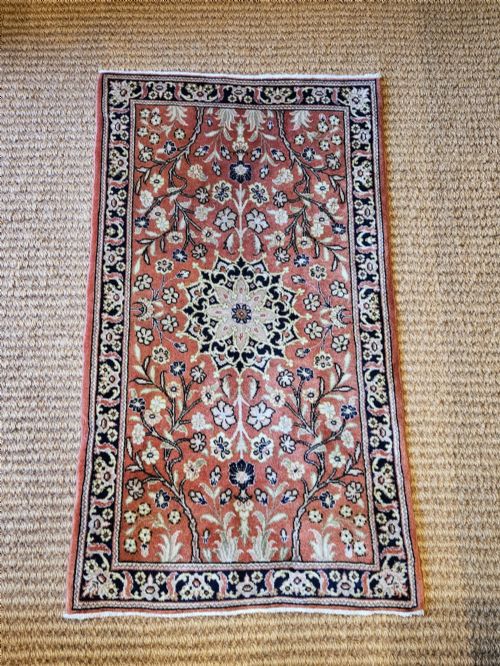
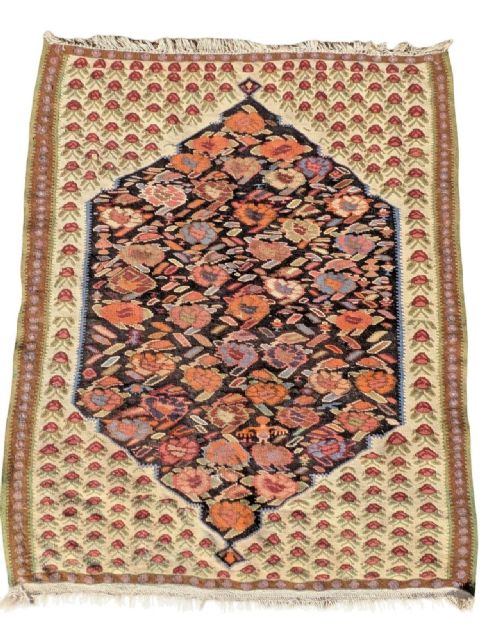
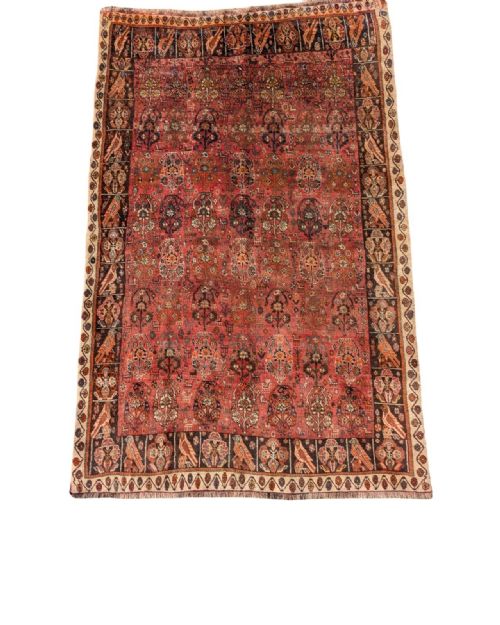
A vintage terracotta carpet brings warmth and deep earthy pigment to a floor, offering durable hand-knotted wool and geometric motifs from village workshops.
Vintage Terracotta Carpet
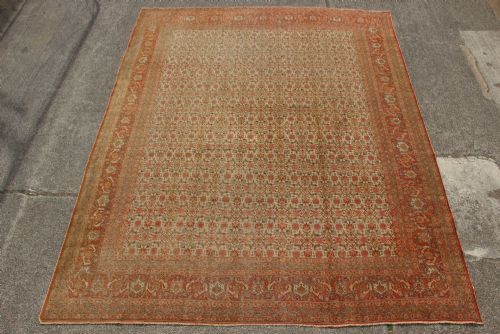
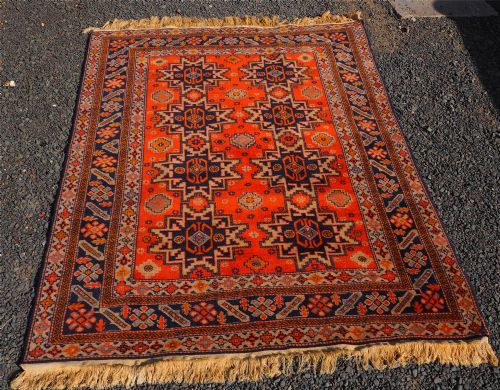
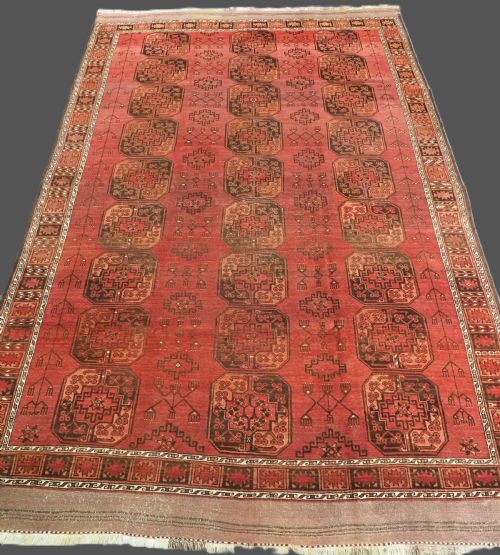
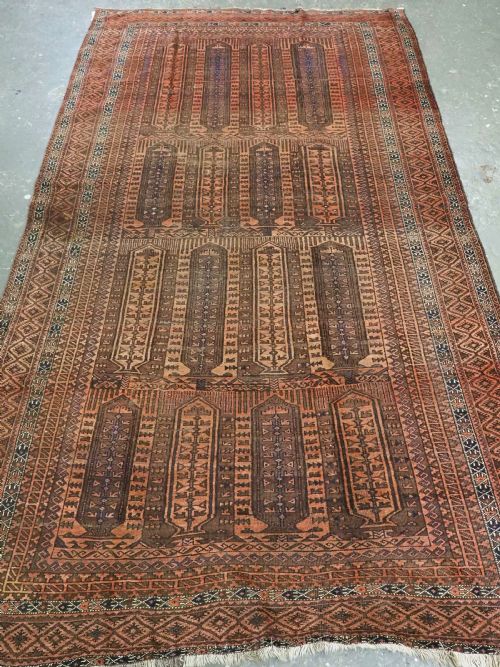
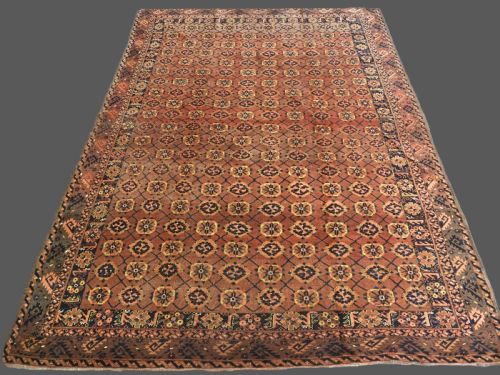
A vintage terracotta carpet encompasses woven floor coverings distinguished by warm reddish-brown clay tones, spanning room-sized carpets down to hearth-sized mats and long narrow runners. Buyers searching for a vintage terracotta carpet encounter pieces originating from Persian, Caucasian, Turkmen, Turkish, Kurdish, and Afghan weaving traditions.
The selections date predominantly from the late nineteenth century through the early twentieth century, taking forms such as tribal rugs, village carpets, and prayer rugs. Common structural formats include large Heriz and Oushak carpets alongside smaller Baluch, Afshar, and Bakhtiari tribal pieces.
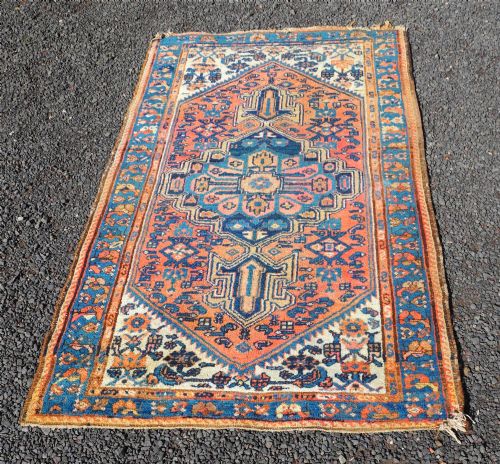
Makers utilised traditional formats including geometric medallions, all-over tribal patterns, and directional prayer designs. These floor coverings served nomadic, village, and town households, resulting in varied pile depths and structural densities.
How they were made
Weavers constructed these carpets primarily using wool, hand-spun wool, and cotton foundations, occasionally incorporating silk, camel hair, or felt for specific pile sections or structural support. Natural dyes provided the characteristic terracotta palette, utilising plant and insect extracts to achieve deep reddish-brown and earth-toned hues.
The creation process involved hand-knotting wool piles onto cotton or wool warp and weft threads on upright looms. Artisans employed traditional knotting techniques specific to their region, such as Turkish or Persian knots, ensuring dense and resilient structures designed to withstand decades of heavy domestic use.
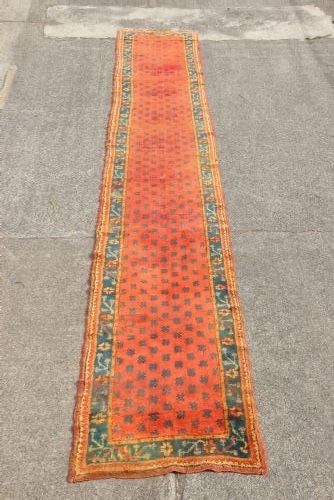
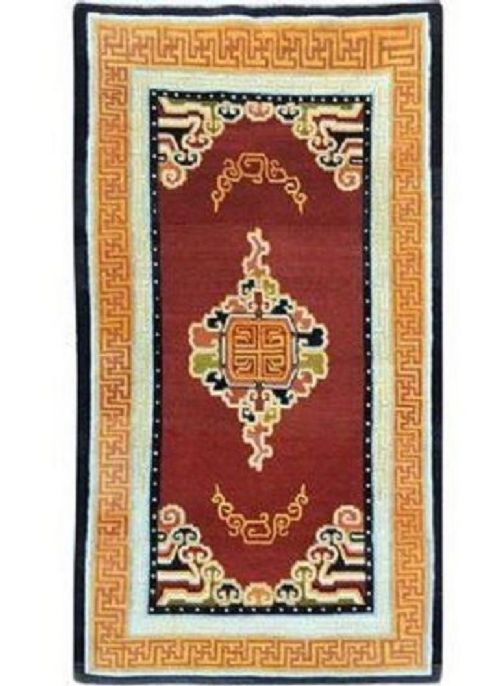
Geometric medallion designs, runner formats, and square mats appear alongside traditional Persian, Caucasian, and Turkmen tribal styles.
What varies in quality
Quality in these floor coverings rests upon the integrity of the materials and the precision of the hand-knotting density across the foundation. Finer wool selections and tightly packed knots yield greater structural resilience and sharper delineation of geometric or curvilinear motifs.
The depth and permanence of the natural dyes distinguish superior examples, as high-grade vegetable colourants age gracefully with subtle abrash variations. The harmony of the design layout and the balance of the terracotta ground against contrasting borders reflect the skill of the original workshop or nomadic weaver.
The Vintage Terracotta Carpet Glossary
- Abrash
- Natural tonal variation within a field of colour caused by changes in dye batches or hand-spun yarn lots. This subtle striping effect indicates genuine natural dyeing.
- Warp
- The vertical foundation threads stretched tightly on the loom before knotting begins. Weft threads pass horizontally through these warp threads to secure the knots.
- Medallion
- A central ornamental design motif placed in the middle of the carpet field. These central figures often feature geometric or floral configurations typical of Persian and tribal workshops.
- Prayer Rug
- A small format carpet featuring a mihrab or arched niche design at one end. Historically, worshippers used these portable rugs to kneel upon during daily prayers.
- Runner
- A long, narrow carpet format designed for hallways, corridors, or staircases. These pieces measure significantly longer than they are wide to fit linear spaces.
Vintage Terracotta Carpet: Frequently Asked Questions
How do I clean an antique carpet?
Gentle surface brushing and regular light vacuuming without a beater bar help maintain the wool pile. Professional specialist cleaning remains essential for removing deep dust and preserving natural dye stability.
Water exposure requires immediate blotting rather than rubbing to prevent pile distortion. Proper ventilation and occasional rotation ensure even wear across the room floor.
What is a tribal rug?
A tribal rug originates from nomadic or semi-nomadic groups rather than city workshops. These pieces feature geometric memory patterns and personal tribal symbols passed down through generations.
The weavers utilised locally sheared sheep wool and vegetable dyes, resulting in rustic charm and sturdy construction well-suited for everyday living.
How do I date an old carpet?
Dating relies on examining material wear patterns, structural dyes, and stylistic construction details. Natural dye palettes, hand-spun wool textures, and specific village motifs point toward late nineteenth or early twentieth-century origins.
Edge finishes, selvedge construction, and wool consistency provide further clues to confirm whether a piece belongs to the 1800s or 1900s.
Can I place these carpets in high-traffic areas?
Wool and natural dye construction provides inherent durability suitable for hallways and living rooms. Dense hand-knotting allows the pile to withstand regular foot traffic without losing structural integrity.
Using a quality underlay prevents slipping and cushions the wool foundation against hard flooring surfaces, extending the lifespan of the textile.