
Vintage Teak Furniture
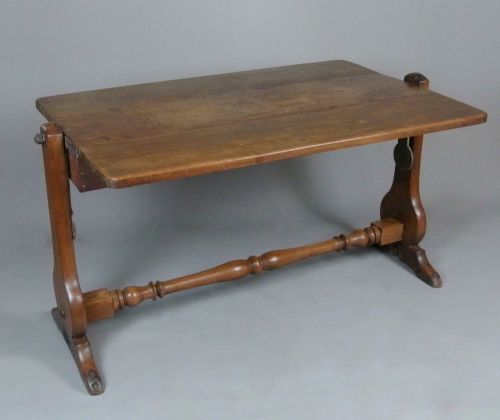
These vintage teak furniture pieces span campaign chests, garden benches, and heavily carved tables originating from British colonial trade and domestic production.
Vintage Teak Furniture
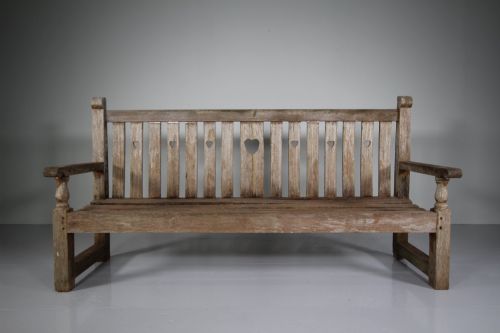
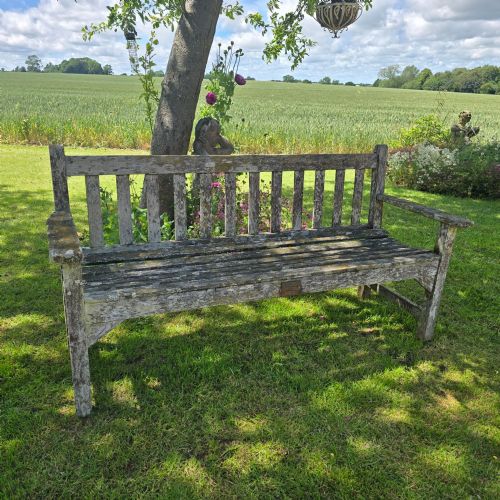
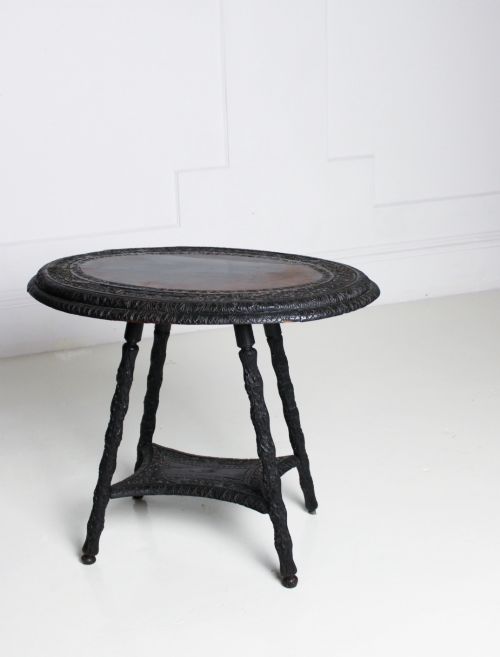
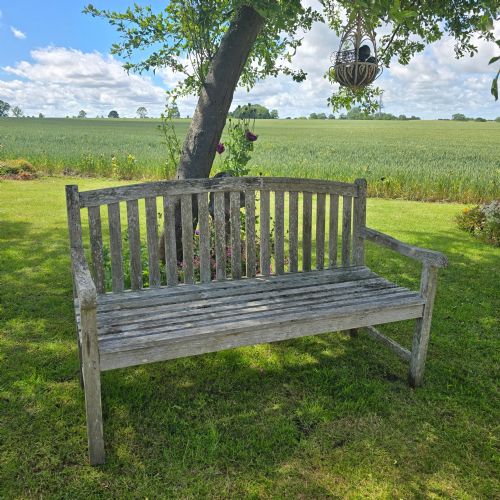
Vintage teak furniture encompasses a broad spectrum of imported and domestic utilitarian items, most frequently appearing here as robust garden benches weathered by the elements, alongside intricate Anglo-Indian tables and storage pieces.
The material's natural durability made it the primary choice for colonial campaign furniture designed for transport, as well as heavy outdoor seating intended to withstand British weather without rotting.
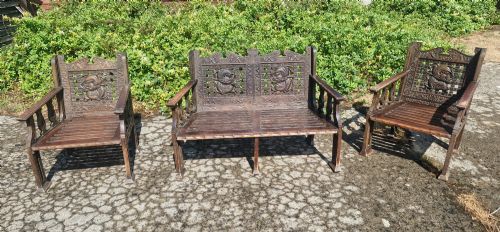
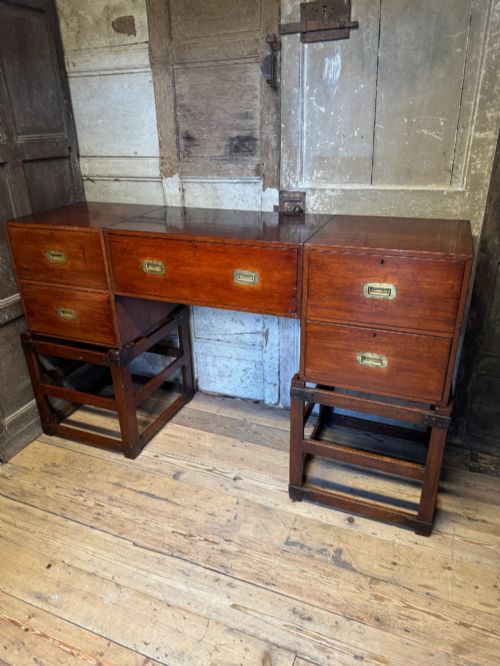
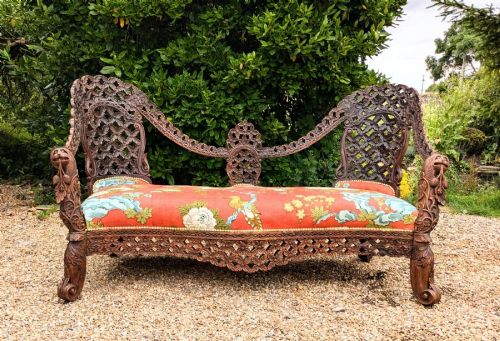
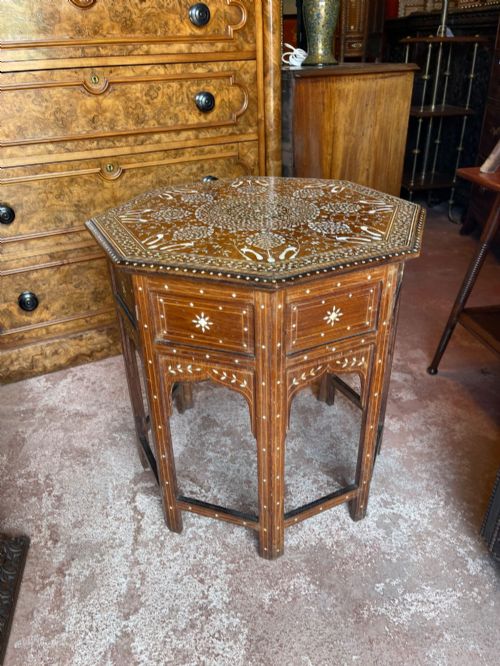
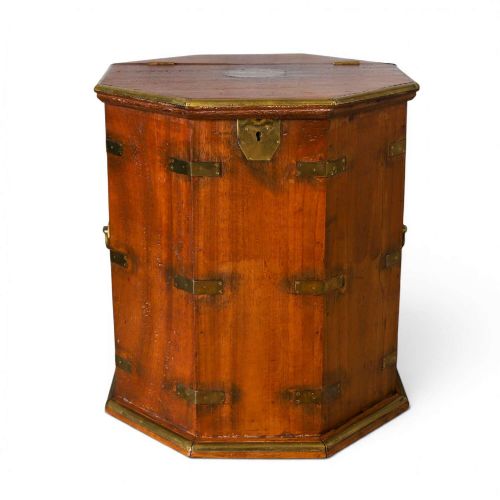
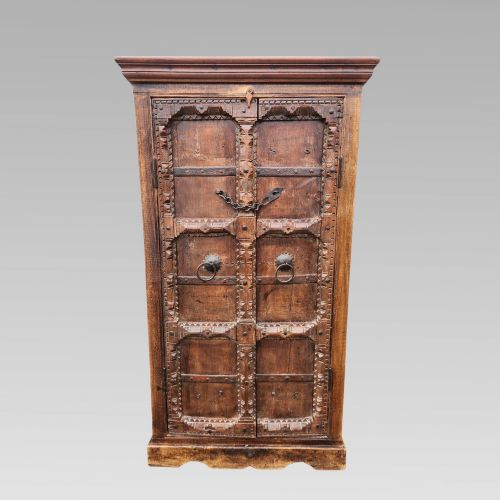
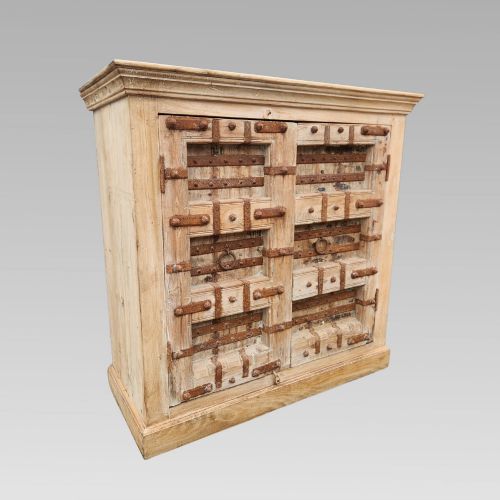
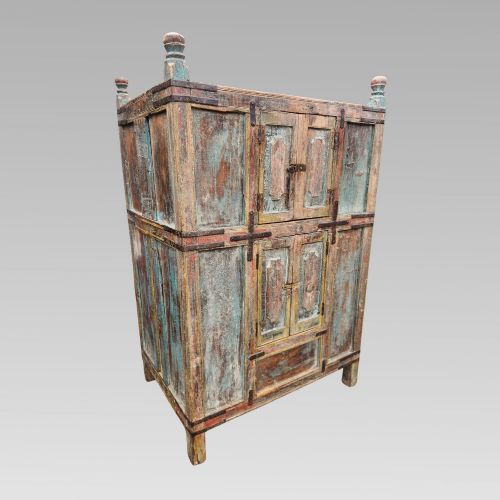
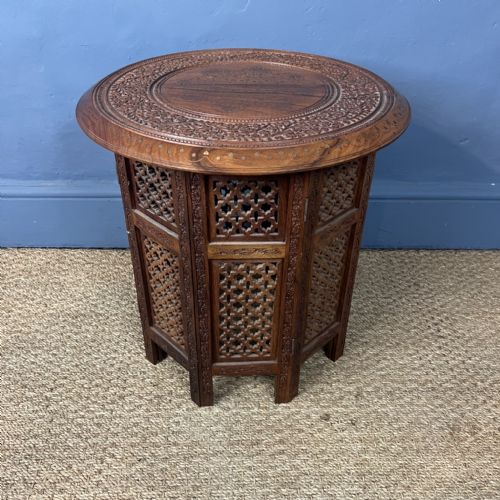
Buyers seeking vintage teak furniture will encounter items ranging from plain, brass-bound military chests built in two parts to highly ornate, hand-carved armchairs, almirahs, and octagonal occasional tables rooted in nineteenth and early twentieth-century traditions.
What varies in quality
Quality in vintage teak furniture rests primarily on the crispness and depth of the hand-carving on regional pieces, or the structural completeness of original brass hardware on military campaign chests.
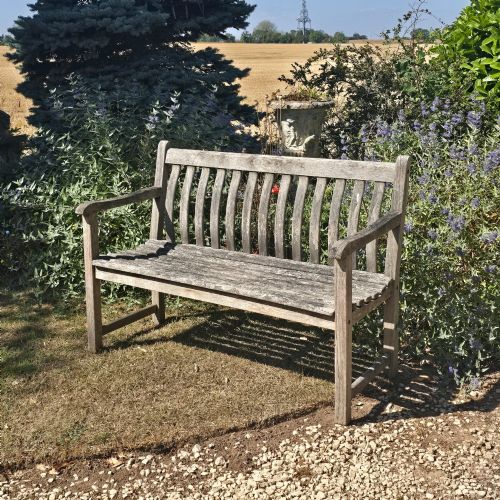
The integrity of the timber grain and the uniformity of the weathered patina dictate the appeal of garden benches, where excessive splitting or replaced slats alter the original surface harmony.
Pieces bearing identifiable maker marks or specific regimental provenance demonstrate superior workshop execution compared to anonymous vernacular items of the same period.
Several cupboards retain the secretive compartments once utilised for dowries and hidden ledgers.
Heals·Army & Navy
The Vintage Teak Furniture Glossary
- Campaign chest
- A sectional storage chest built in two or more parts with recessed brass handles and corner brackets, designed for military officers on the move.
- Almirah
- A regional term for a freestanding cupboard or wardrobe, often constructed with heavy panel doors and traditional hardware.
- Hoshiarpur
- A style of woodwork originating from Punjab, characterised by dense chip-carving inlaid with materials such as bone or brass.
- Damchiya
- A traditional low dowry chest or storage cabinet featuring heavily carved panels and compartment interiors.
- Weathered teak
- Timber that has lost its original warm oil tone through exposure to sun and rain, developing a protective silver-grey surface layer.
Vintage Teak Furniture: Frequently Asked Questions
How do I care for vintage teak furniture?
Teak contains natural oils that protect the wood, so indoor pieces require little more than occasional dusting with a dry cloth. Avoid placing them near direct heat sources to prevent timber splitting.
For outdoor garden benches, allow the natural weathering process to continue without applying heavy varnishes. If you prefer to maintain the original brown tone, apply a specialised teak oil annually.
What is a campaign chest?
A campaign chest is a portable set of drawers made in sections so that military officers could transport their belongings easily during the nineteenth century. They feature recessed brass corners and flush handles to prevent snagging during travel.
These chests typically separate into a top and bottom half, resting upon removable turned feet. The solid teak construction ensured the contents remained protected from humidity and rough handling.
How can I date vintage teak pieces?
Dating relies on examining construction methods, hardware materials, and stylistic influences from the Victorian and Edwardian eras. Campaign pieces often feature hand-cut dovetails and specific brass stamps inside the drawers.
Regional decorative items often correspond to exhibition periods or trade influences from the late nineteenth and early twentieth centuries. Comparing the style of carving and joinery to dated examples helps narrow the decade of production.
Are these items suitable for modern homes?
Vintage teak pieces offer exceptional durability and practical storage solutions that integrate easily into contemporary interiors. Their robust nature makes them ideal for daily use in hallways, living rooms, and studies.
Items like octagonal tables and side cabinets add textural warmth and historical contrast to minimalist spaces. Garden benches transition well from patios to conservatories or boot rooms.