


Timber Garden Bench
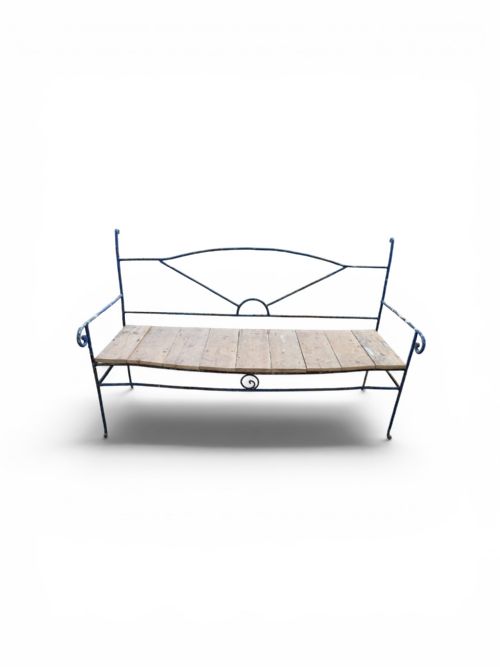
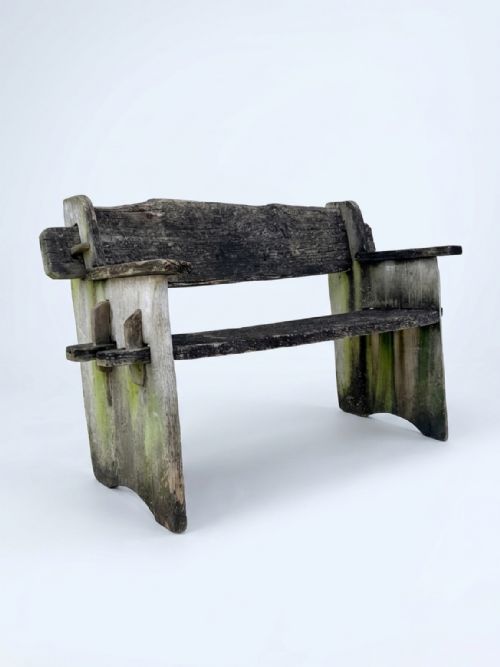
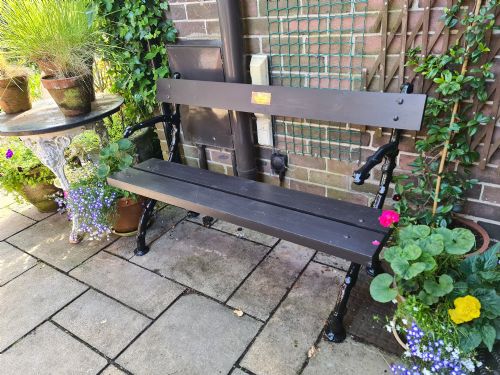
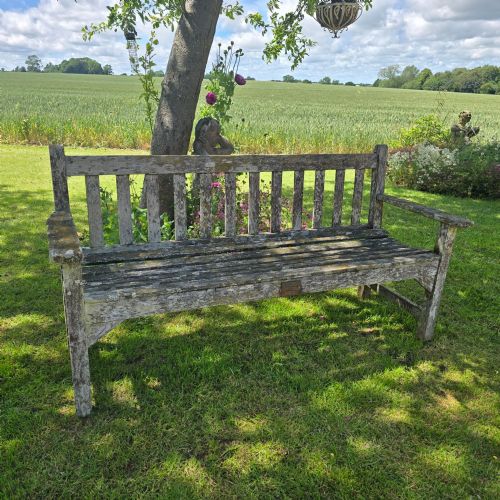
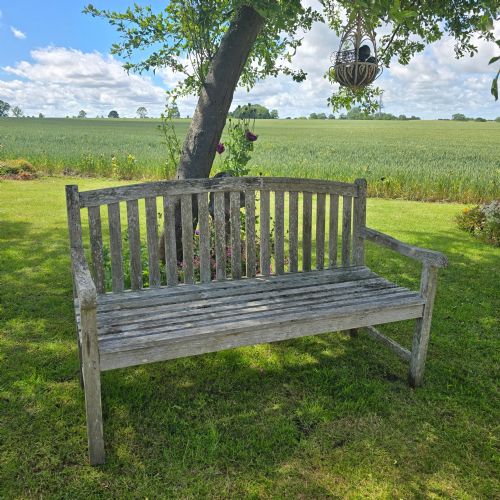
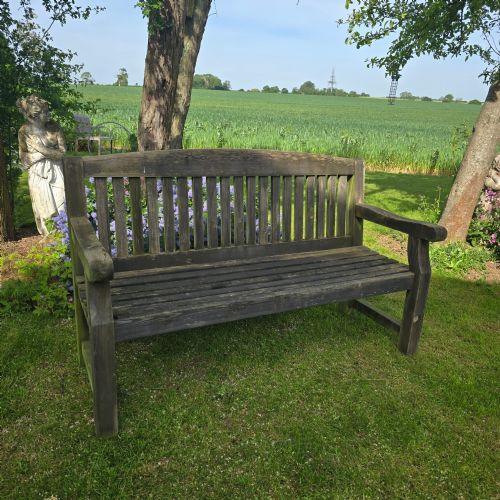
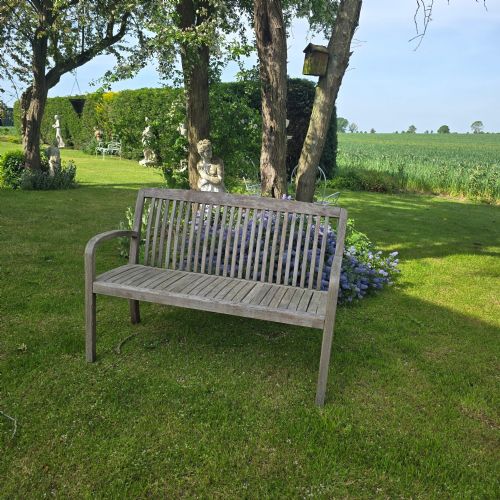
A timber garden bench provides a sturdy outdoor seat, bringing enduring function and period character to lawns, patios and terraces.
Timber Garden Bench
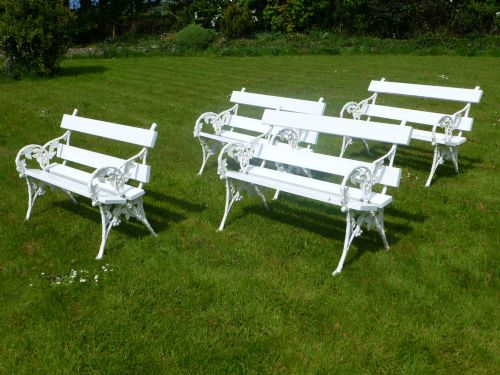
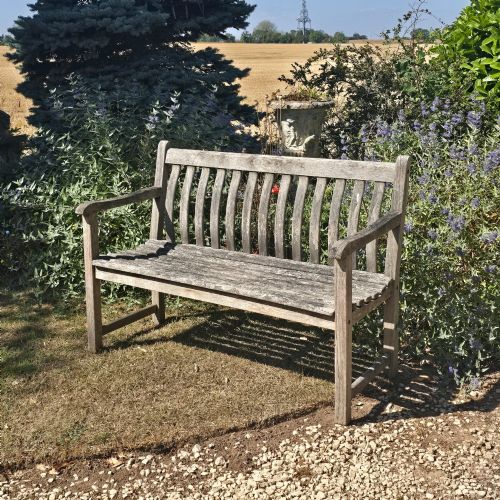
The selections span distinct periods including the Victorian era, the Edwardian period and the early twentieth century. Common forms include classic slatted seats, rustic country designs and sturdy railway station benches bearing origin stamps.
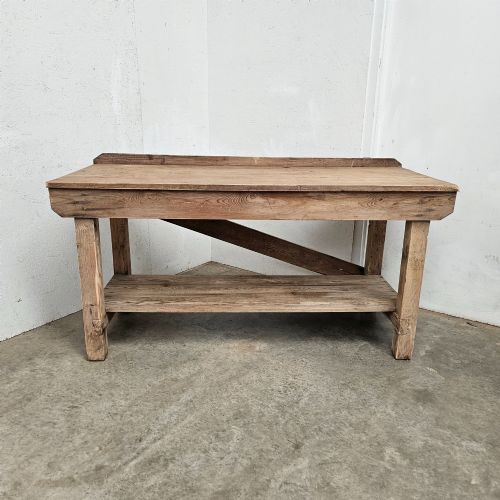
Makers and foundries utilised durable materials intended to withstand the elements while developing a pleasing silvered patina over decades of weathering outdoors. These pieces range from simple pine potting tables and benches to elaborate cast iron and timber compositions.
How they were made
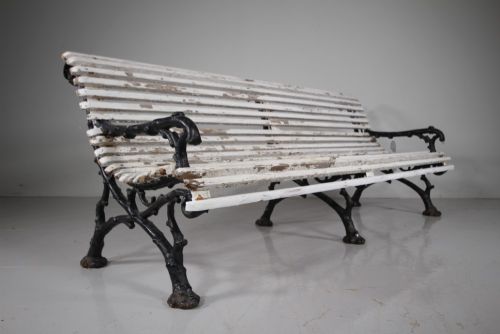
Makers constructed these garden seats using durable hardwoods and softwoods such as teak, pine, elm and oak, frequently combining timber slats with robust cast iron or wrought iron frameworks. Cast iron components often featured intricate botanical motifs like blackberry and leaf patterns.
Joinery methods relied on sturdy fixings and natural timber properties to ensure structural integrity in outdoor environments. Over time, exposure to weather transformed raw wood into well-silvered and weathered surfaces.
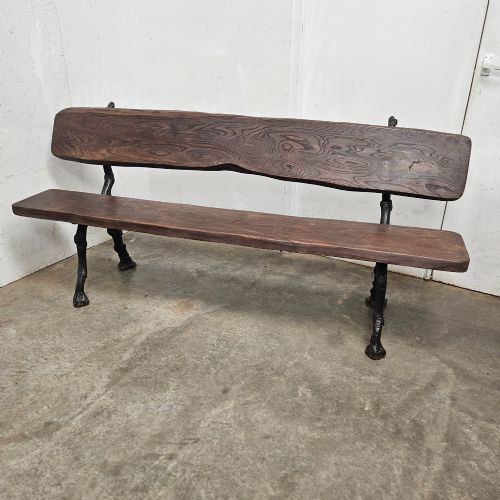
Railway station benches carry the secret commuter history of old destinations carved right into their heavy timber seats.
What varies in quality
Quality in these benches rests upon the selection of timber and metal components, with dense hardwoods like teak offering superior longevity compared to lighter softwoods. The integrity of the original construction and the survival of early cast iron frames distinguish finer examples.
The degree of honest weathering and the preservation of original timber slats further influence the character of each piece. Variations in decorative detail, such as faux bois finishes or foundry markings, add distinction.
Falkirk foundry
The Timber Garden Bench Glossary
- Faux bois
- Imitation wood. This technique involves shaping iron or concrete to resemble natural timber branches and grain.
- Silvered teak
- Teak wood exposed to weather. Ultraviolet light and moisture turn the original golden brown into a pale silvery grey.
- Railway station bench
- A long public seating form. These sturdy benches were utilised on railway platforms and typically feature significant length.
- Rustic pattern
- Naturalistic decorative styling. This design approach incorporates branches, leaves and rough-hewn timber forms into the frame.
Timber Garden Bench: Frequently Asked Questions
How do I care for a weathered teak bench?
Weathered teak requires minimal maintenance because the natural oils protect the wood from decay. Simply wash the surface occasionally with water to remove dirt.
Applying oils is optional and mainly serves to alter the silvered appearance back to a golden brown tone.
Can these benches stay outdoors all year?
Hardwood and cast iron garden benches are built to withstand outdoor conditions throughout every season. The materials naturally adapt to changing weather.
Covering them or storing them under shelter during severe winter months helps preserve the original timber joints.
How do I identify a Victorian garden bench?
Victorian examples often feature heavy cast iron frames combined with timber slats, displaying period decorative motifs. Foundry marks and specific bolt construction provide clues to the era.
Stylistic elements like rustic branch forms and substantial proportions point towards nineteenth-century production.
What is a faux bois garden bench?
A faux bois bench uses materials like iron or concrete shaped to mimic the appearance of natural tree branches. This French country style was popular for garden seating.
The technique creates durable furniture that harmonises visually with natural garden surroundings.