



Traditional Park Bench
A traditional park bench brings enduring form to the lawn, offering a solid seat shaped by decades of weather.
Traditional Park Bench
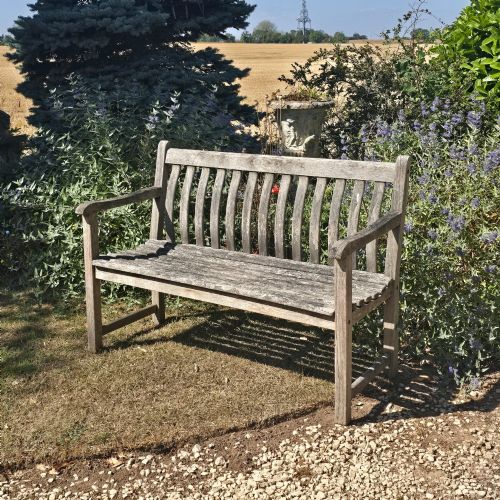
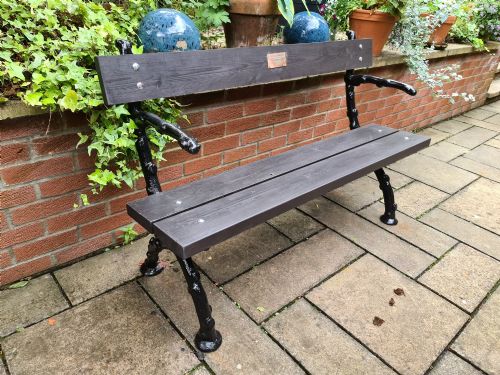
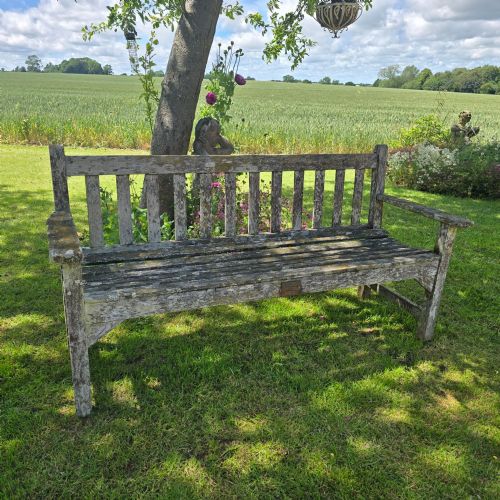
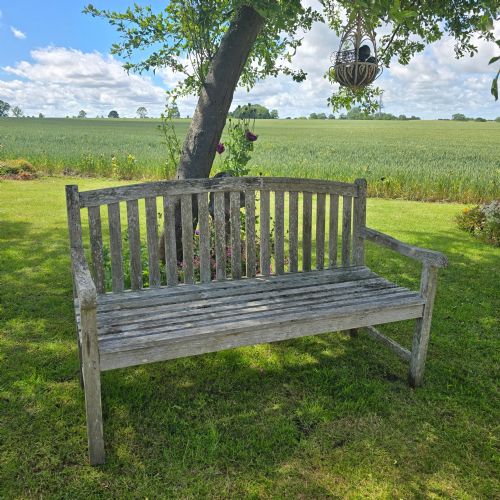
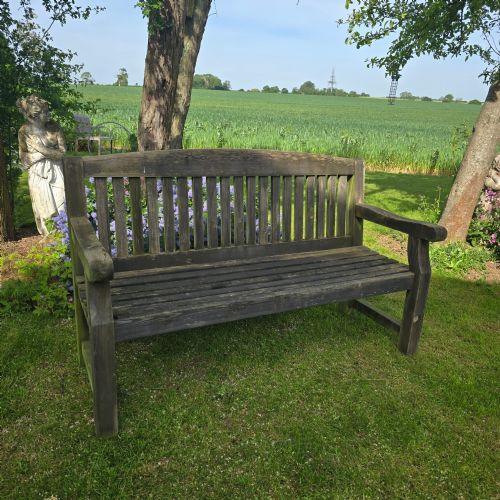
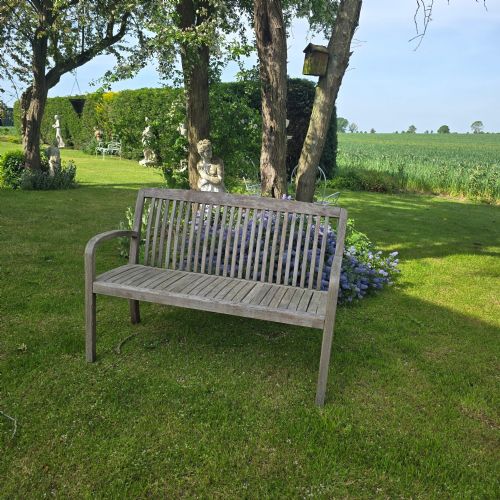
A traditional park bench combines sturdy outdoor seating with classical garden design, taking the form of robust garden benches spanning the Victorian, Edwardian, and mid-twentieth-century eras. The examples most frequently met on this page pair durable timbers like teak and weathered wood with heavy cast iron or wrought iron supports.
These garden seats reflect English country house and rustic garden traditions, appearing in styles ranging from formal Victorian castings to simpler English country garden timbers. Such pieces served historically as resting places on estates and in public parks, designed to withstand permanent outdoor exposure.
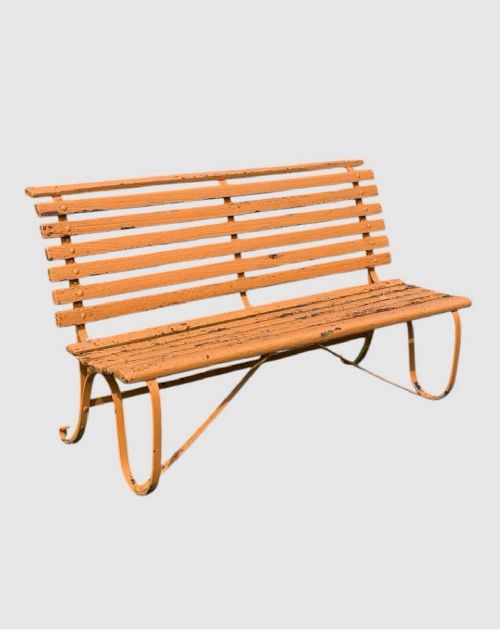
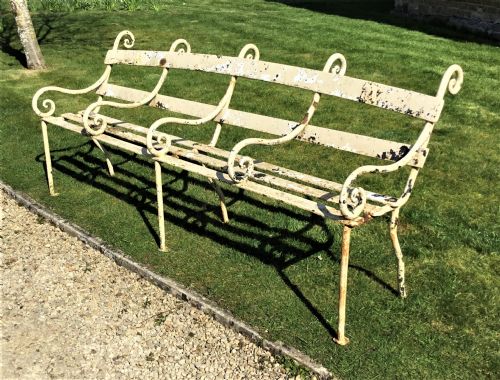
Makers and manufacturers utilised robust structural elements, pairing timber laths with strap work and decorative cast-iron ends. The selection available encompasses both long four-seater garden seats and standard two-seater benches suitable for modern patios or lawns.
How they were made
Makers constructed these benches using a combination of dense timbers and heavy metal framing, selecting teak, general wood, and timber for the slats and seat bases. These wooden components were secured to robust cast iron or wrought iron frames designed to anchor the seat firmly to the ground.
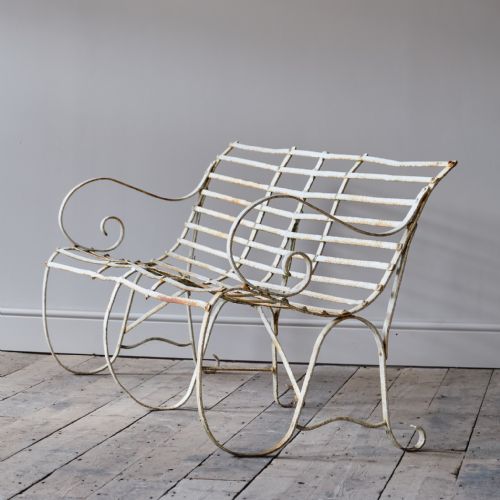
Metal components often featured intricate strap work and structural side panels produced through traditional foundry casting techniques. Wooden elements were left to weather naturally or finished with protective paint, developing distinct patinas over decades of exposure.
Several benches carry decades of quiet garden dampness within their joints, ready for a fresh chapter of outdoor tea.
What varies in quality
Quality in a traditional park bench rests upon the integrity of its primary materials and the original weight of the metalwork. Heavier castings and dense, well-weathered teak denote superior production compared to lighter, more utilitarian alternatives.
The degree of original craftsmanship shows in the refinement of the iron strap work and the precise fitting of the wooden slats to the frame. Pieces that retain their balanced proportions and structural soundness through decades of weathering demonstrate the highest tier of manufacture.
The Traditional Park Bench Glossary
- Cast Iron
- An iron-carbon alloy poured into moulds to create rigid, decorative bench ends and structural supports. This heavy material provided stability and allowed for ornate Victorian patterns.
- Wrought Iron
- Iron heated and worked by hand into durable shapes, commonly utilised for strap work and secondary framing. It offers distinct flexibility and strength compared to cast alternatives.
- Teak
- A dense, oil-rich tropical timber prized for outdoor furniture due to its natural resistance to decay. It ages to a characteristic silver-grey patina when exposed to the elements.
- Strap Work
- A decorative metal technique forming interlaced bands or flat strips, frequently seen on Victorian bench backs. This method added structural rigidity alongside visual interest.
- Weathered Wood
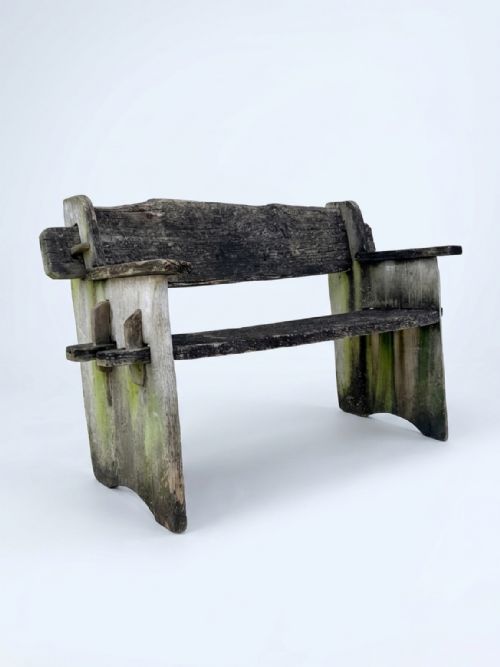
- Timber that has lost its original colour through prolonged exposure to sun and rain, developing a silvery tone. Collectors value this natural ageing process for its authentic appearance.
Traditional Park Bench: Frequently Asked Questions
Can I leave my bench outside all winter?
These benches were built specifically for outdoor use and withstand seasonal weather changes without structural harm.
Dense timbers like teak and heavy iron frames naturally endure frost and rain, developing deeper patinas over time.
How do I date an old garden bench?
Dating relies on observing the combination of materials, fastener types, and stylistic motifs present in the ironwork and woodwork.
Victorian pieces often feature ornate castings, whereas later twentieth-century examples tend toward simpler timber construction.
What is the best way to clean weathered teak?
Washing the timber gently with water and a soft brush removes surface dirt without stripping the natural protective layers.
Avoid harsh chemical treatments that alter the historic silvered appearance prized in older garden seating.
Are these benches suitable for small patios?
Sizes vary from standard two-seater garden benches to longer four-seater options designed for expansive lawns and parks.
Checking the overall length ensures the chosen seat fits comfortably within more compact outdoor spaces.