



Country Garden Bench
A country garden bench brings rustic character to outdoor spaces, offering enduring seating shaped from timber, teak, pine, and iron.
Country Garden Bench
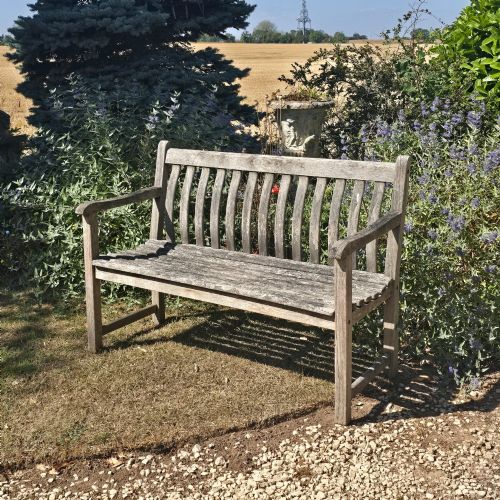
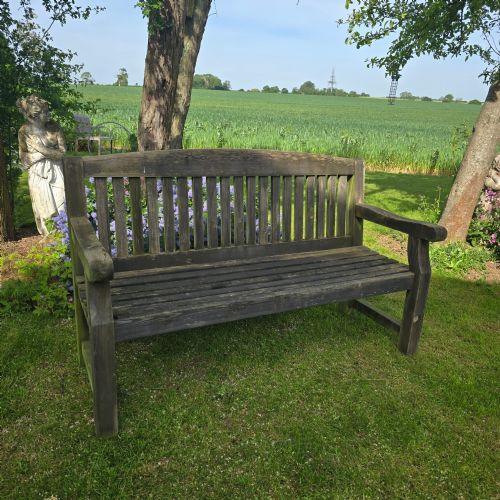
A country garden bench provides functional outdoor seating that bridges practical garden use and decorative rustic styling. These pieces appear in forms ranging from simple nineteenth century pine and softwood benches to substantial Edwardian and 1930s teak designs.
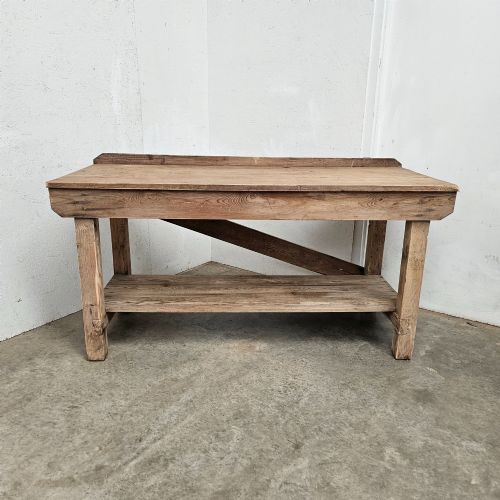
The version most commonly encountered on this page is the traditional wooden or timber garden bench, often showing the effects of weathering over decades. Alongside standard seating, the inventory occasionally includes related forms such as potting tables, conservatory suites, and even watercolour paintings depicting garden seats.
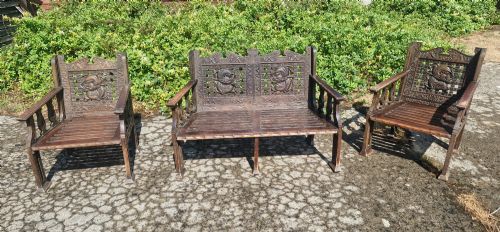
Origins span English country styles, French rustic traditions, and Anglo-Indian designs, reflecting diverse domestic and conservatory settings. Buyers will find nineteenth century examples alongside pieces dated to 1900, 1920, and 1930.
How they were made
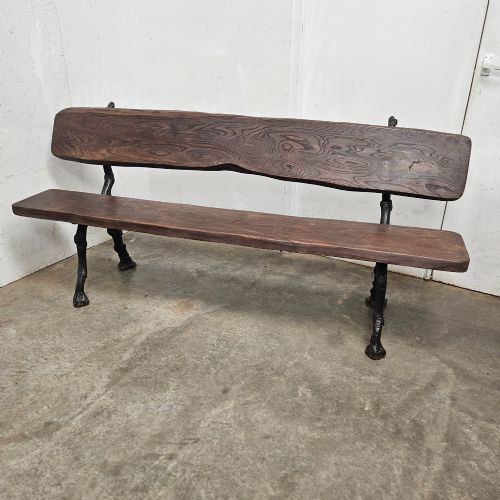
Construction relies heavily on durable timbers such as teak, pine, elm, and softwood, selected for their resilience against outdoor elements. Many pieces incorporate cast iron supports or faux bois elements, combining metal strength with natural wood aesthetics.
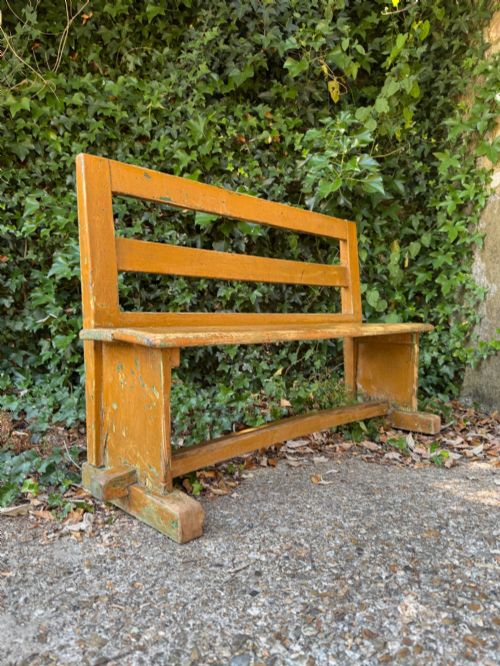
Surfaces frequently display layers of historic paint, verdigris copper, or naturally weathered wood resulting from decades of exposure. Traditional joinery and carving techniques secure the structural frames of both grand scale country house suites and simpler potting tables.
Country Garden Bench Retail Price Guide 2026
Typical asking prices for country garden bench among the pieces listed under this phrase on Sellingantiques today, from the lower quarter to the upper quarter. They describe what is for sale here now, not the wider market.
One unexpected bench arrived accompanied by a vintage watercolour painting of the very same seat.
What varies in quality
Quality in a country garden bench is determined by the selection of primary materials, particularly dense hardwoods like teak versus softer pine or timber. The integrity of the construction, from heavy curved hardwood frames to simpler slatted designs, dictates structural longevity.
The aesthetic appeal of the surface patina, whether through genuine weathered wood, historic paint finishes, or verdigris copper details, separates standard items from finer examples. Provenance and stylistic attribution, such as English country house or French rustic origins, further distinguish the pieces.
The Country Garden Bench Glossary
- Teak
- A dense, durable tropical hardwood prized for outdoor furniture because of its natural resistance to moisture and decay.
- Faux Bois
- A decorative technique mimicking wood grain, seen here in French elm and iron garden furniture combinations.
- Verdigris
- A green patina that forms naturally on copper or brass surfaces through atmospheric weathering over time.
- Potting Table
- A functional utility table designed for gardening tasks, often featuring a lower shelf for storage and a durable work surface.
Country Garden Bench: Frequently Asked Questions
What is a country garden bench?
A country garden bench is a sturdy outdoor seat constructed from timber, teak, pine, or cast iron, designed for gardens, conservatories, and patios.
These pieces reflect traditional English, French, and Anglo-Indian rustic styles, dating from the nineteenth century through the early twentieth century.
How do I care for a weathered wooden bench?
Weathered wooden benches require minimal intervention if the timber has developed a protective silvered patina over decades.
Keep the wood clean from debris and store under cover during harsh winter months to preserve the historic structure.
Are these benches suitable for outdoor use?
Most benches on this page were built specifically for outdoor or conservatory environments using durable materials like teak and cast iron.
Some delicate or painted pieces benefit from sheltered placement on a veranda or inside an orangery.
How can I tell the age of a garden bench?
Age is indicated by the construction materials, joinery methods, and the natural weathering of the wood or metal components.
Nineteenth-century and Edwardian examples often feature heavier framing and distinct patination compared to later 1930s productions.