




Grey Wooden Seat
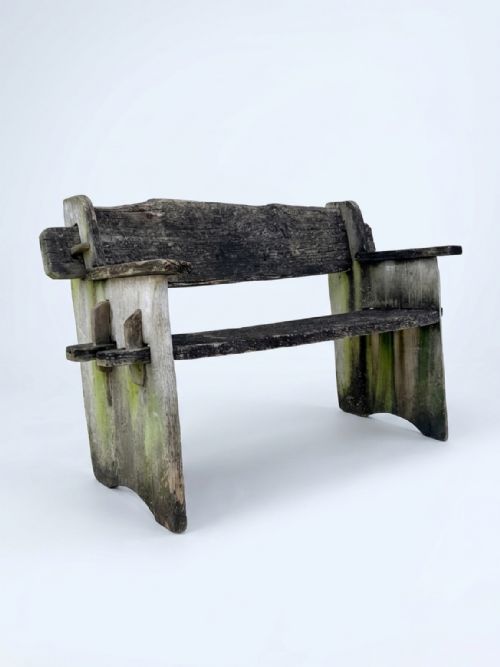
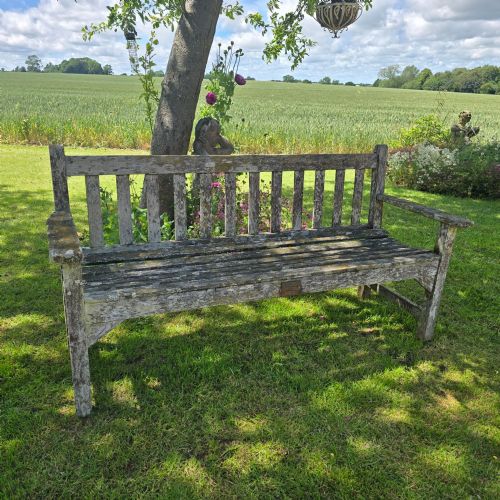
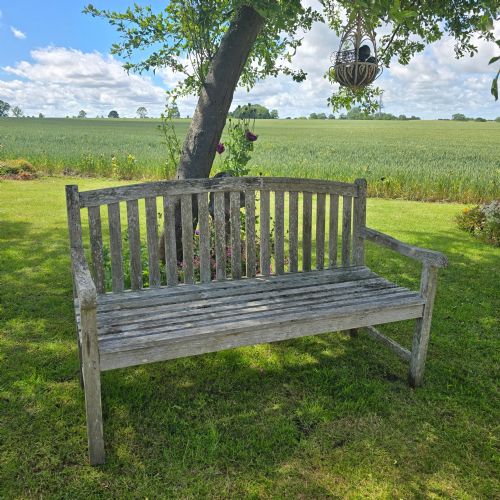
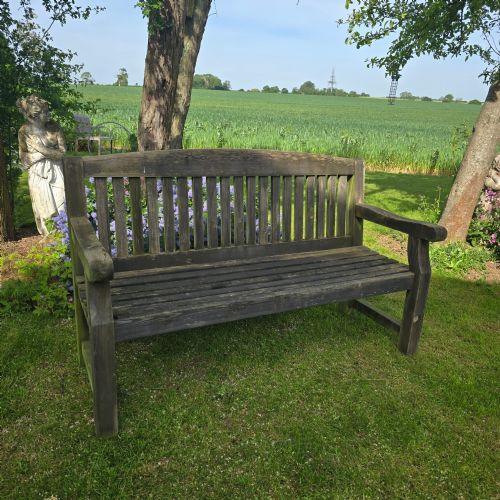
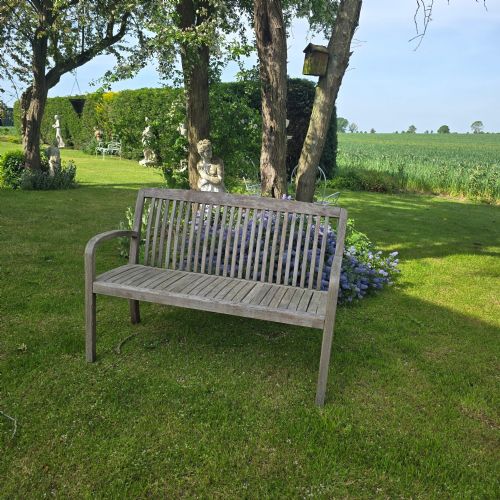
A grey wooden seat brings calm structure to a room, offering functional comfort through painted wood, weathered teak and period upholstery.
Grey Wooden Seat
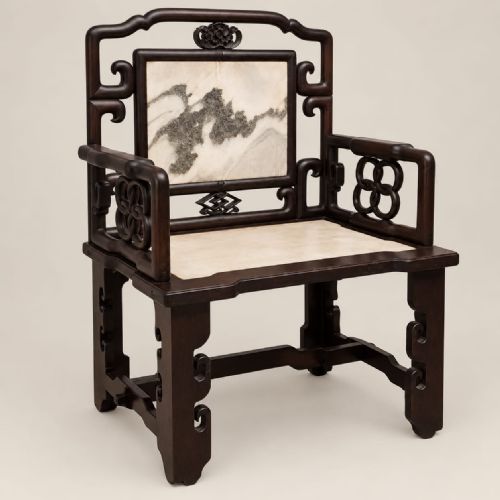
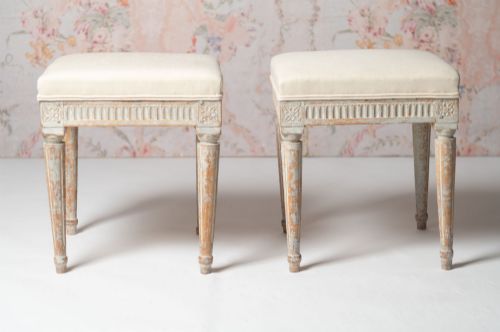
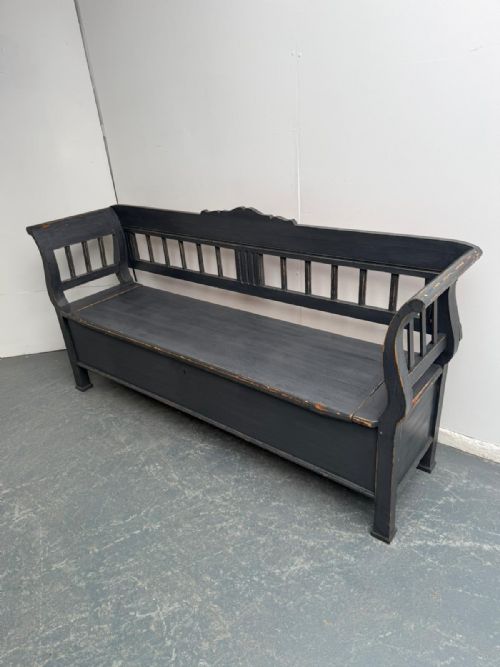
A grey wooden seat encompasses a diverse range of forms, from rustic garden benches and country settles to refined French Provincial armchairs and Gustavian stools. When searching for a grey wooden seat, buyers encounter everything from unpretentious pine box benches to elegant Louis XVI style settees finished in neutral paint.
The pieces span several centuries, drawing heavily from eighteenth-century Swedish design, Victorian English vernacular furniture, and early twentieth-century garden traditions. They function equally well as welcoming hall seating, decorative salon chairs, or enduring outdoor resting places.
Materials and construction methods
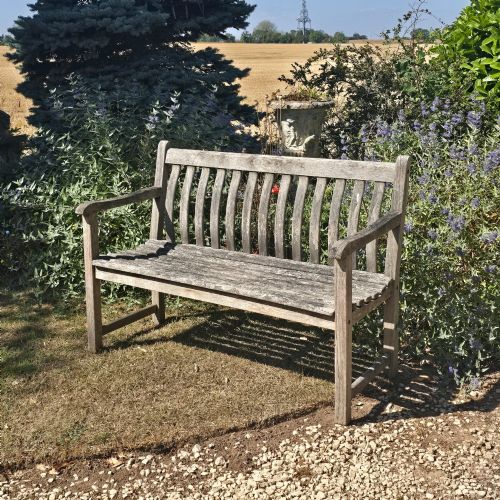
Makers utilised a variety of solid timbers including beech, pine, oak, walnut and teak, selecting each wood for its specific structural strength and grain pattern. Joinery relied on traditional methods such as mortise and tenon frames, ensuring durability across heavy domestic settles and garden benches alike.
Surfaces were frequently treated with layers of paint, liming, or left to weather naturally in the elements until the wood turned silver. Upholstered variants integrated supportive webbing, horsehair, and needlepoint or linen coverings to provide comfortable padding for daily use.
One exceptional nineteenth-century Victorian armchair arrives daringly upholstered as a tweed jacket.
Distinguishing quality across pieces
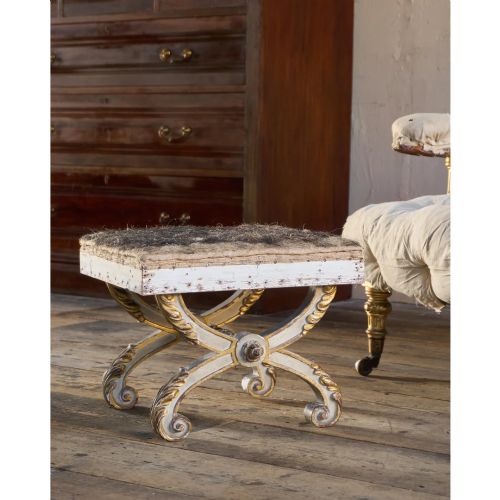
Quality rests in the integrity of the original timber frame and the authenticity of the surface finish, whether that is aged garden weathering or period decorative paint. Hand-carved details, such as those found on French Provincial armchairs and nineteenth-century stools, display a crispness and depth that separate finer workshop output from simpler vernacular work.
The retention of original upholstery panels, period fabric, and untouched structural joinery elevates a piece above those that have undergone extensive modern rebuilding. Subtleties in proportion and the harmonious balance of painted surfaces define the upper echelon of these seating forms.
Miles & Edwards
The Grey Wooden Seat Glossary
- Gustavian
- A Swedish neoclassical design style characterised by restrained classical carving, pale painted finishes, and elegant proportions.
- Settle
- A traditional wooden bench featuring high backs and solid arms, often incorporating a box compartment beneath the seat for storage.
- Fauteuil
- An open-arm armchair with wooden arms, typically originating from French decorative traditions of the eighteenth and nineteenth centuries.
- Silvered
- A descriptor for timber, particularly teak, that has weathered outdoors over many years to a pale grey tone.
- Needlepoint
- A form of counted thread embroidery traditionally used to cover the seat panels and backs of period armchairs.
Grey Wooden Seat: Frequently Asked Questions
How do I maintain a weathered teak garden bench?
Weathered teak requires very little intervention, as the natural oils protect the wood from decay. Simply wash the surface occasionally with mild soapy water to remove accumulated dirt.
Avoid using harsh chemical sealants or aggressive pressure washers, which strip the protective silvered patina. Allowing the timber to age naturally preserves its characteristic grey tone.
Where should I place a painted box settle?
A painted box settle works exceptionally well in an entryway or hallway, providing both a practical spot to sit and concealed storage for shoes or linens. The high back also helps to block draughts in older properties.
Ensure the piece is placed away from direct heat sources, such as radiators, which can cause older painted wood to dry out and crack over time.
How do I distinguish French Provincial from English country seating?
French Provincial seating often displays refined cabriole legs, subtle carved floral motifs, and lighter painted finishes inspired by court styles. These pieces lean towards decorative elegance and salon use.
English country alternatives, such as tavern benches or vernacular settles, prioritise sturdy functional construction, heavier timbers, and straightforward utility over elaborate ornamentation.
Can these antique chairs be used daily?
Most pieces are structurally robust enough for regular use, provided the joints remain tight and the timber is sound. Period frames built from solid beech or oak handle everyday sitting comfortably.
Upholstered salon chairs and antique stools benefit from gentle treatment to protect fragile nineteenth-century textiles and delicate hand-carved painted surfaces.