


Traditional Garden Bench
These traditional garden bench pieces bring enduring form to outdoor spaces, offering solid resting spots rooted in nineteenth and twentieth-century craft.
Traditional Garden Bench
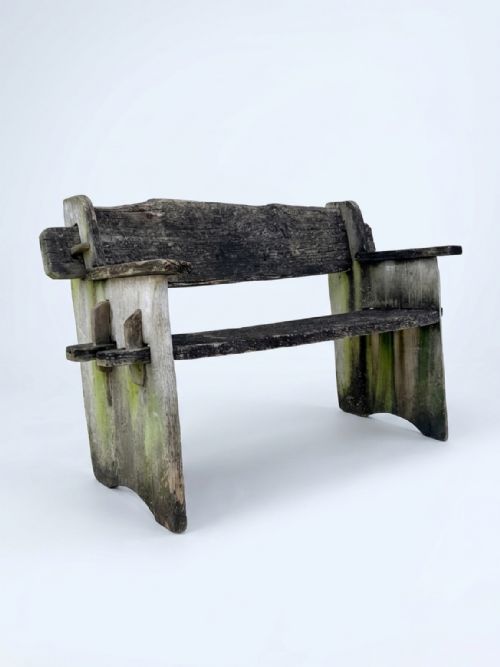
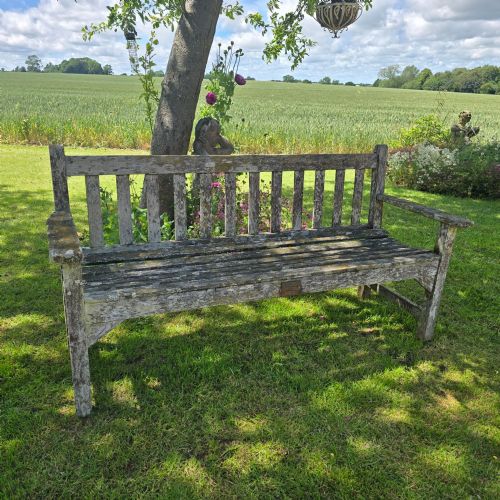
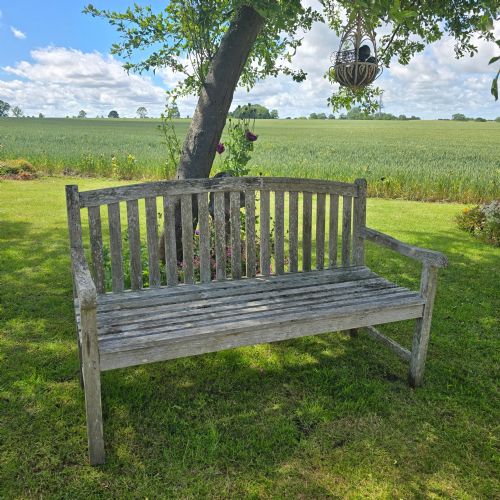
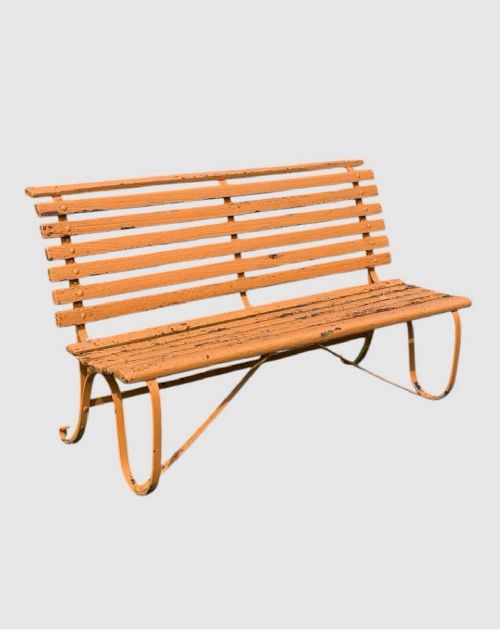
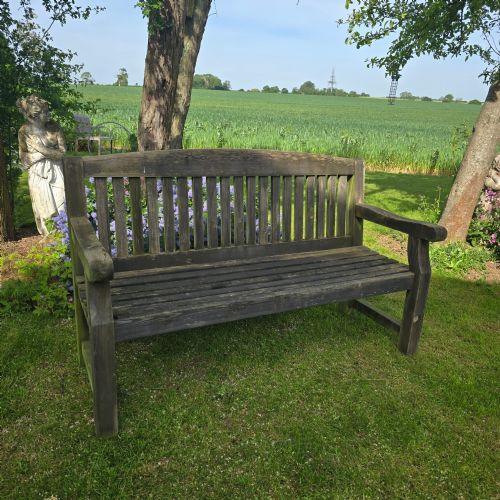
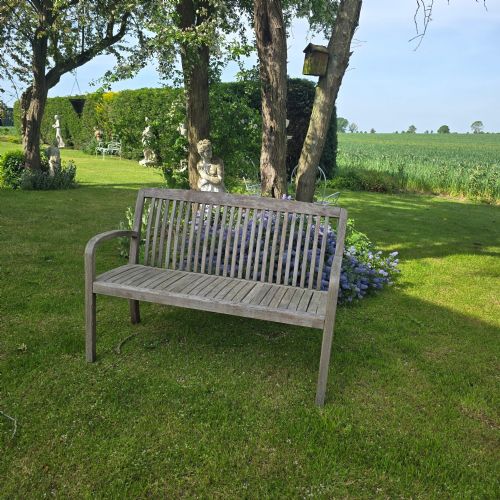
A traditional garden bench serves as a functional outdoor seat, shaped by historical periods ranging from the Victorian era into the twentieth century. These pieces appear in forms such as park benches, tree seats, and orangery benches.
The versions met most frequently on this page combine timber slats with metal supports or present entirely in weathered wood. Originating from English country houses and gardens, they bring established outdoor utility to modern settings.
Makers produced these seats using durable outdoor materials suited to withstand changing weather. The resulting forms range from rustic country designs to formal Victorian strapwork patterns.
How they were made
Craftsmen built these seats using robust timber species like teak, oak, and pine alongside durable metals including cast iron and wrought iron. Teak provided natural weather resistance, while iron components offered structural framing.
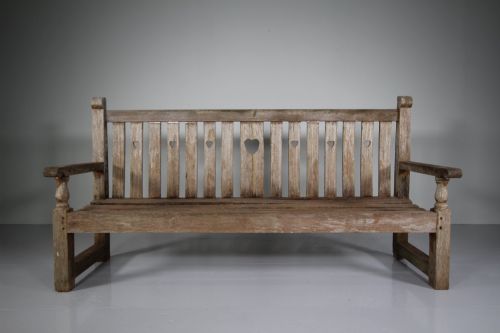
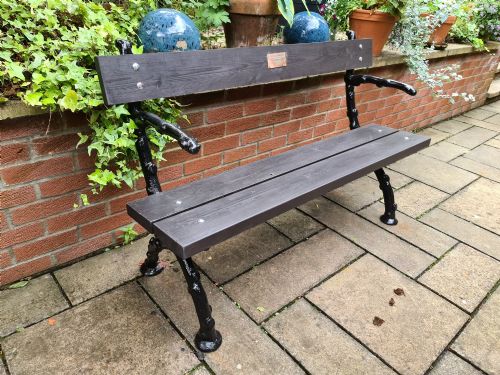
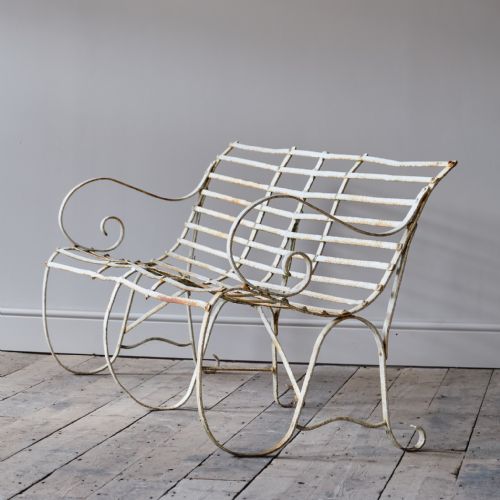
Metal elements were cast or forged into decorative strapwork and side supports, often featuring heart motifs or structural bracing. Wooden slats were then fitted to these metal frames or combined with timber legs using traditional joinery.
Materials across these listings concentrate heavily on teak, cast iron, and weathered wood spanning from the Victorian era into the 1930s.
What varies in quality
The distinction between items rests in the integrity of the materials and the complexity of the ironwork. Heavy cast iron frames and dense teak or oak construction indicate higher manufacturing standards.
Proportion and decorative detail further differentiate the pieces, from simple slatted timber forms to intricate Victorian strapwork designs. Weathering and silvering of the wood surface also reflect age and material exposure.
The Traditional Garden Bench Glossary
- Teak
- A dense tropical hardwood prized for outdoor use due to its natural oils and weather resistance. This material ages to a characteristic silvered grey finish.
- Strapwork
- Flat strips of wrought or cast iron arranged in decorative geometric patterns. This technique provided sturdy armrests and end supports on nineteenth-century seats.
- Tree Bench
- A circular or polygonal seating structure built to surround the trunk of a mature tree. These forms allowed observers to sit shaded beneath the canopy.
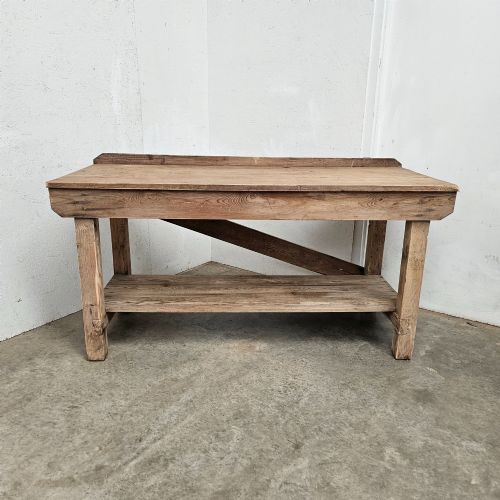
- Potting Table
- A functional wooden work surface equipped with a shelf used for gardening tasks. These utility items often accompanied outdoor seating areas.
- Orangery Bench
- An elongated seating form designed for sheltered garden rooms or glazed conservatories. These examples often display unusual proportions or lighter timber construction.
Traditional Garden Bench: Frequently Asked Questions
How do I care for a weathered teak bench?
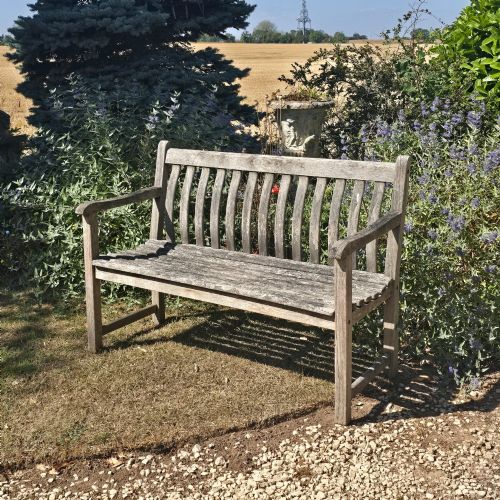
Teak naturally develops a silvered patina when exposed to outdoor elements, requiring minimal maintenance to retain its structural integrity.
Cleaning the surface gently with water and a soft brush removes dirt without stripping the natural oils.
Can these benches stay outside all winter?
Most traditional garden benches utilise durable materials like cast iron and teak designed to withstand seasonal weather changes.
Positioning the legs on paving slabs rather than bare soil helps prevent moisture absorption during colder months.
What is the difference between cast iron and wrought iron?
Cast iron is poured into moulds to create rigid decorative ends and heavier structural frames with distinct patterns.
Wrought iron is hammered and bent into strapwork designs, offering a different textural quality to the seat supports.
How do I date a wooden garden seat?
Dating relies on observing material choices, construction methods, and stylistic cues such as Victorian strapwork or Edwardian heart motifs.
The degree of wood weathering and the specific fastener types also provide clues regarding the period of origin.