

Rustic Garden Seating
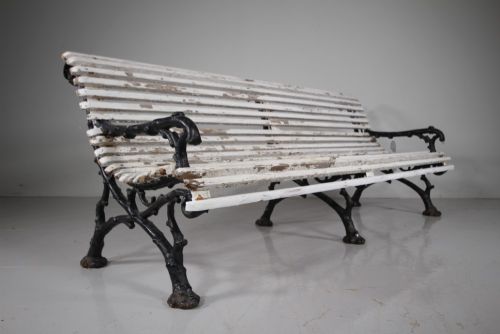
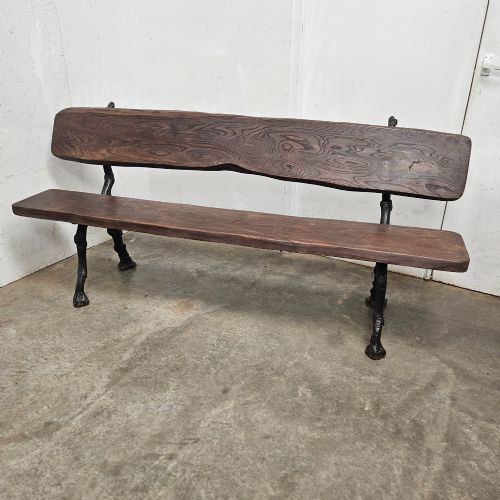
These rustic garden seating pieces bring heavy cast iron and weathered timber straight from 19th-century grounds into modern outdoor spaces.
Rustic Garden Seating
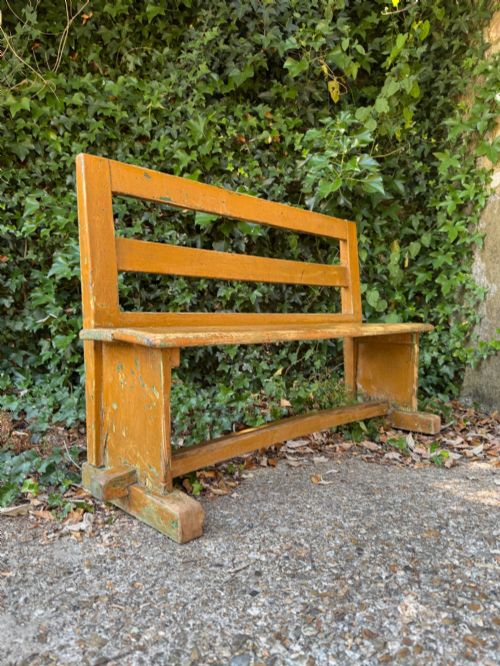
When buyers search for rustic garden seating, they encounter practical garden benches, chairs, and tree seats designed for outdoor placement. The selection spans the nineteenth century through the Edwardian era and the nineteen-twenties, showing how outdoor furniture evolved from formal park seats to domestic garden lounging.
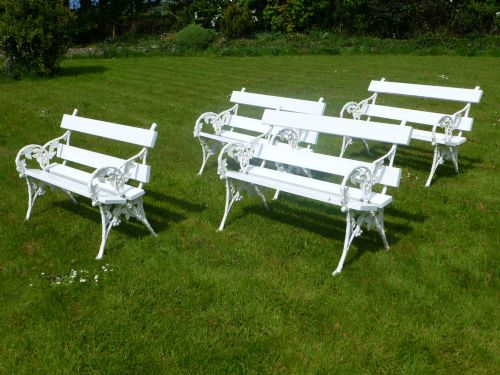
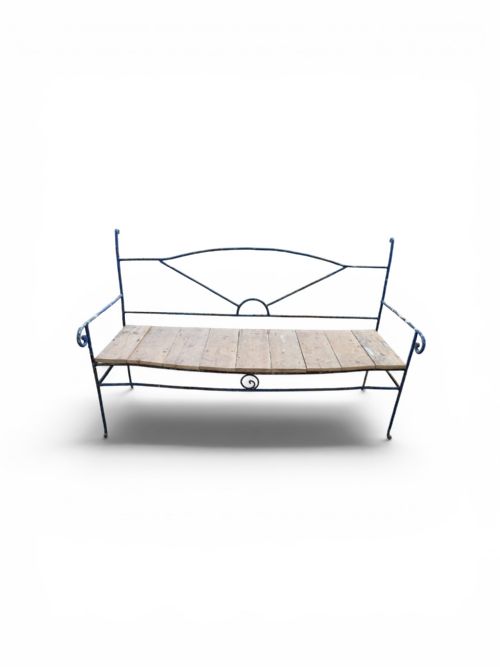
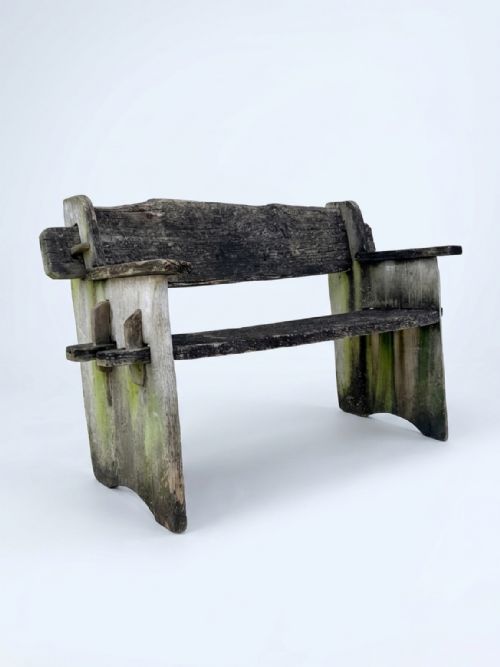
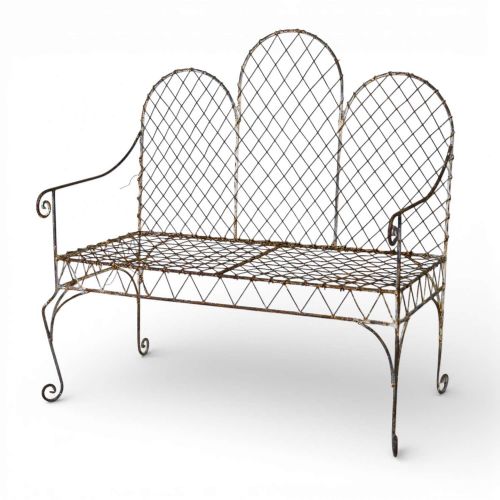
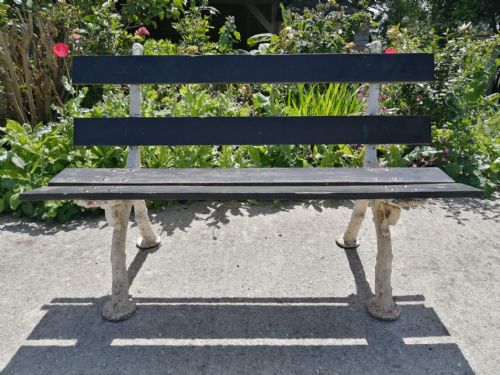
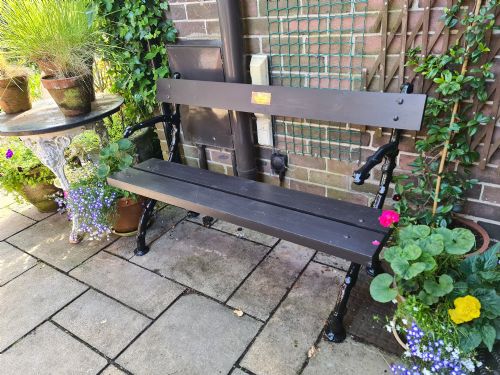
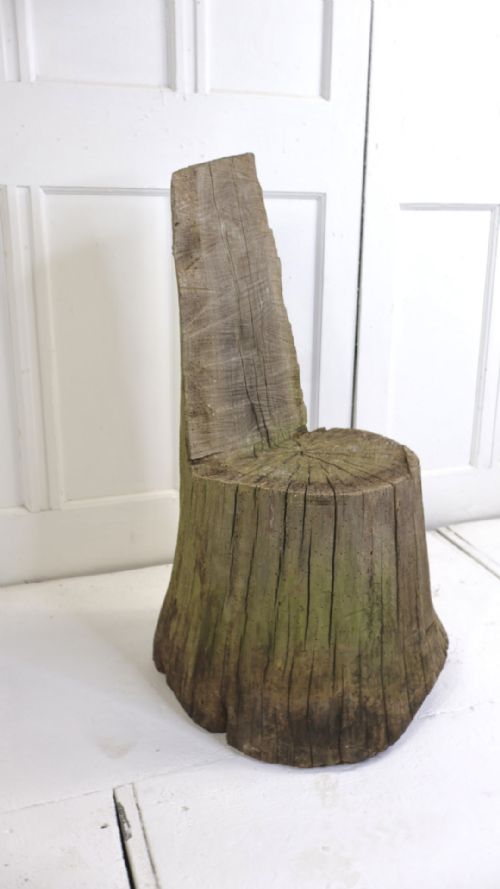
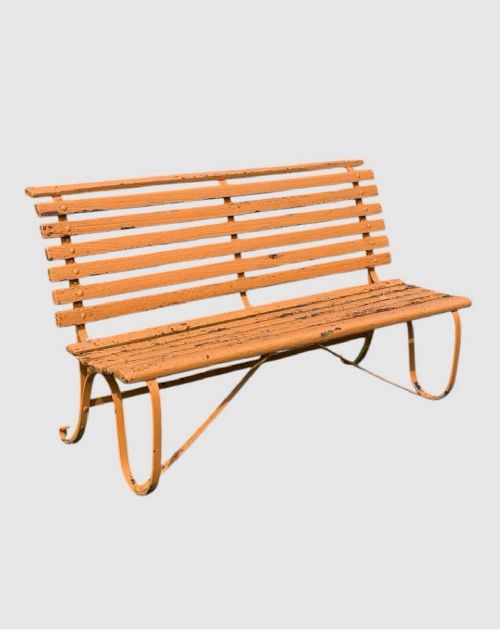
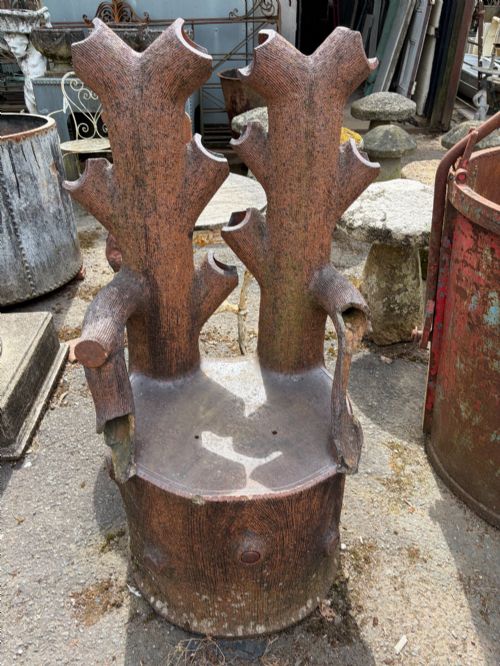
The most common forms on this page are sturdy timber benches paired with cast iron ends, alongside sculptural faux bois designs that mimic natural branches. French and English country styles appear frequently, ranging from simple slatted wood to ornate iron scrollwork.
Makers and foundries stamped their identities on specific ends or frames, giving collectors distinct pieces to trace. Whether dealing with a simple pine bench or a complex tree seat wrapping around a trunk, these items retain the practical purpose of outdoor rest.
What separates the finest pieces
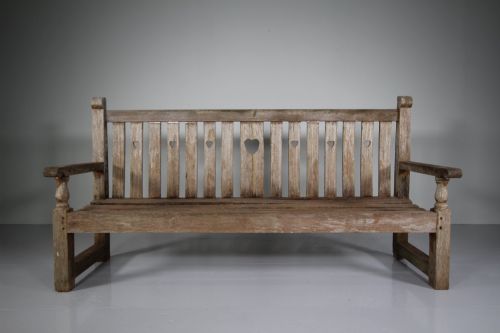
Quality rests on the integrity of the original materials, where dense, well-weathered teak or heavy cast iron outlasts softer woods and thin metal stampings. The presence of authentic maker attributions, such as recognised foundry marks on iron ends, elevates a piece significantly above unmarked workshop output.
Design ambition separates standard seating from exceptional works, visible in sculptural faux bois execution or complex structural forms like circular tree seats. Preserved layers of original paint and untouched patination indicate how well a bench has survived decades outdoors.
Some nineteenth-century designers expected trees to grow right through the furniture, building circular seats that treated living trunks as structural partners.
Falkirk Foundry·Coalbrookdale
The Rustic Garden Seating Glossary
- Faux bois
- Imitation wood. This technique shapes iron, concrete, or other materials to resemble natural branches, bark, and logs, appearing frequently in nineteenth-century garden seats.
- Tree seat
- A circular bench. These structures surround the trunk of a mature tree, providing a shaded place to sit while accommodating natural tree growth.
- Bench ends
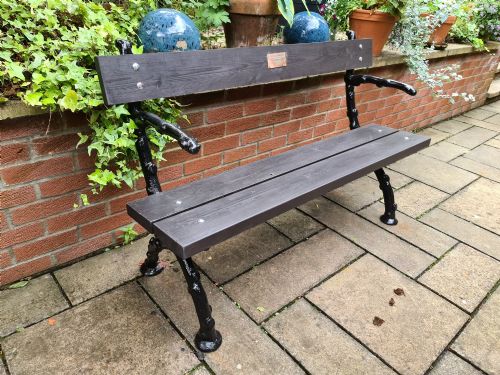
- The structural side supports. Made from cast or wrought iron, these panels hold the wooden slats and often display maker marks or botanical patterns.
- Arras
- French iron furniture. Originating from the town of Arras, these pieces feature distinctive metalwork and folding designs produced for parks and gardens.
Rustic Garden Seating: Frequently Asked Questions
How do I maintain old wooden garden benches?
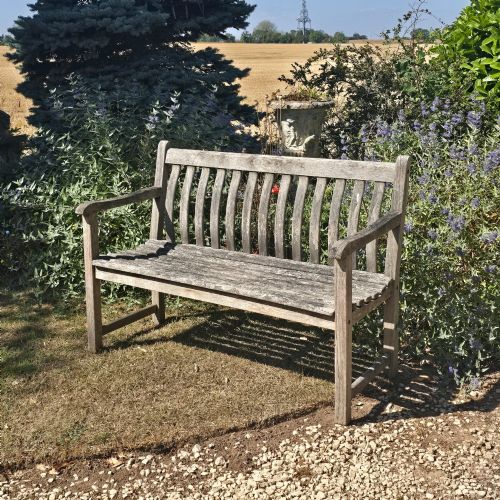
Allow teak and oak to weather naturally outdoors, as exposure to the elements creates a silvered surface patina without requiring heavy chemical treatments. Clean organic debris regularly from the slats to prevent moisture retention.
Store vulnerable pine or painted items undercover during harsh winter months to protect the original timber and surface coatings from frost damage.
Can cast iron garden seats stay outside all year?
Heavy cast iron frames withstand year-round outdoor conditions easily, provided the metal retains a protective layer of paint or stable rust patination. Check the fixing bolts where wood meets iron to ensure moisture does not pool in the joints.
Position iron benches on paved surfaces rather than directly on damp soil to minimise ground moisture absorption during winter.
How do I identify a 19th-century garden bench?
Examine the construction methods, noting heavy cast iron side panels, hand-cut wooden slats, and traditional fixings like slotted screws. Nineteenth-century pieces often display foundry registry marks or distinct botanical casting patterns.
Look for deep weathering in the timber and multiple layers of aged paint that indicate decades of outdoor exposure.