



Wooden Tree Bench
A wooden tree bench wraps nature in timber, offering a shaded seat around a garden trunk.
Wooden Tree Bench
A wooden tree bench is a garden seat built in a circle or polygon to encircle the trunk of a mature tree. These pieces turn a growing tree into the structural centrepiece of a lawn or terrace.
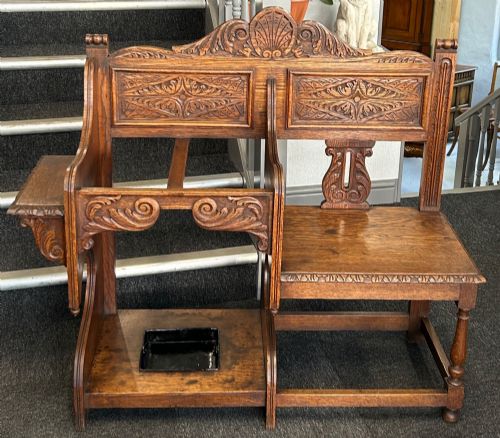
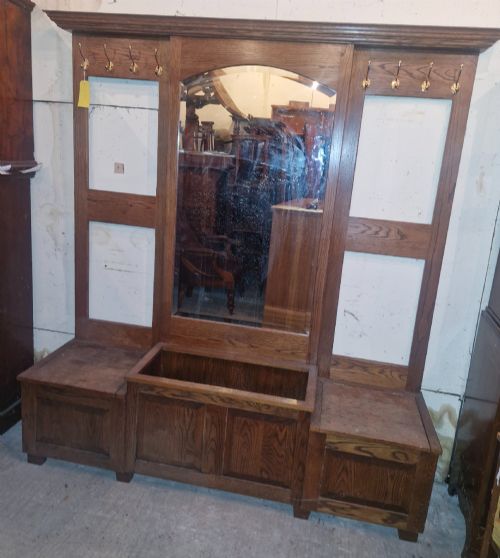
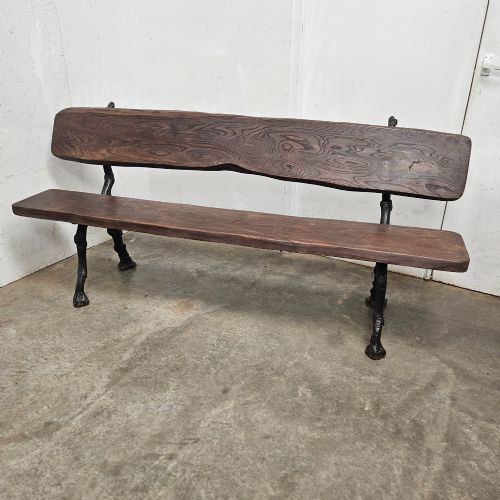
The selections available here lean heavily toward other garden and hallway forms rather than standard encircling garden seats. Buyers encounter rustic seating, slatted garden benches, and faux bois designs alongside indoor oak hall stands.
Makers construct these items from durable timbers that weather the elements or stand grandly inside hallways. Oak, teak, elm, and mahogany dominate the construction materials across the inventory.
How they were made
Carpenters shape sturdy hardwoods like oak, teak, and elm into curved slats and supporting frames to withstand outdoor conditions. Traditional joinery secures the segments together around a central void.
Makers combine timber with cast iron and brass components, particularly in pieces that bridge indoor hall furniture and garden seating. Natural root forms also appear, utilising the organic shape of the wood itself.
Wooden Tree Bench Retail Price Guide 2026
Typical asking prices for wooden tree bench among the pieces listed under this phrase on Sellingantiques today, from the lower quarter to the upper quarter. They describe what is for sale here now, not the wider market.
Materials listed range from traditional timber like oak and elm to glass, brass, cast iron, and teak.
What varies in quality
Quality rests upon the selection of timber and the ambition of the carving. Dense hardwoods like teak and old oak outlast softer woods exposed to garden moisture.
Design complexity elevates certain pieces above standard utility furniture. Natural root formations and detailed carving show greater artisanal skill than plain slatted construction.
Ellen E. Houghton of Minton
The Wooden Tree Bench Glossary
- Faux bois
- Imitation wood. Makers sculpt concrete or metal to mimic the natural grain and texture of timber.
- Teak
- A dense tropical hardwood. It resists moisture and decay naturally, making it ideal for outdoor garden furniture.
- Elm
- A tough British hardwood. Cabinet makers utilise its interlocking grain for seats and structural components.
- Victorian
- A nineteenth-century period. Pieces from this era often feature heavy ornamentation and dark polished hardwoods.
Wooden Tree Bench: Frequently Asked Questions
Where do I place one?
These benches fit around mature garden trees with straight trunks that allow the polygonal frame to encircle the wood securely. They transform an empty lawn area into a social focal point.
Alternative pieces in the inventory, such as hall stands and children's stools, suit indoor entryways and sheltered porches rather than open gardens.
What woods are used?
Makers utilise durable hardwoods capable of enduring outdoor environments or heavy indoor use. Oak, teak, mahogany, and elm appear frequently across the listings.
Iron and brass accents often provide structural support or decorative contrast to the natural timber grains.
How do I date them?
Dating relies on stylistic clues and material choices from specific eras like the nineteenth century or the Victorian period. Faux bois and natural root forms often point toward nineteenth-century rustic designs.
Construction techniques, such as hand carving versus later manufacturing methods, help distinguish older items from twentieth-century examples.