
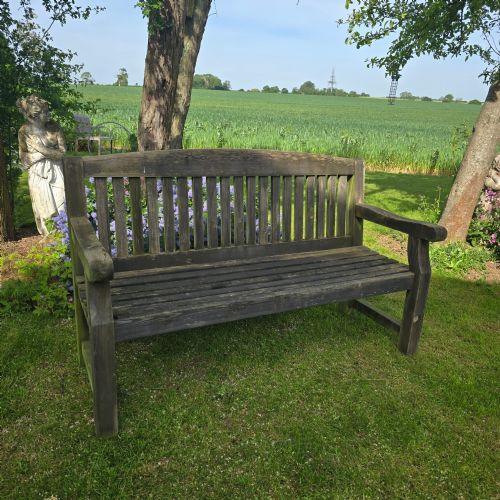
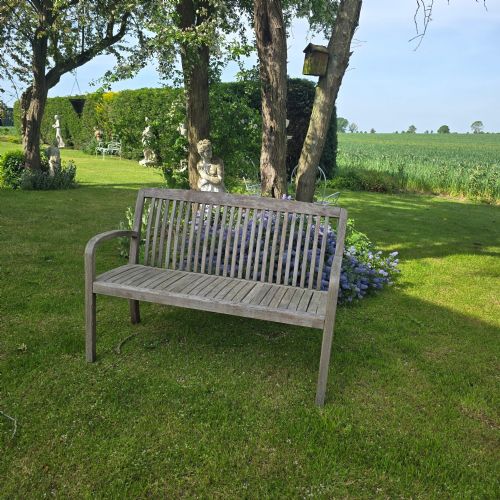


Outdoor Wooden Bench
An outdoor wooden bench brings enduring structure to a garden, offering a quiet place to sit among the planting.
Outdoor Wooden Bench
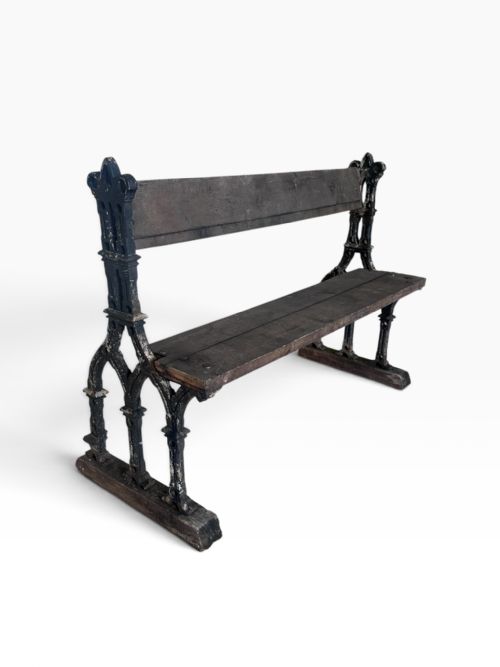
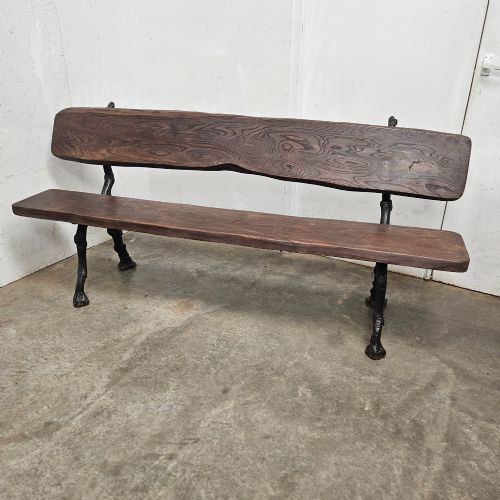
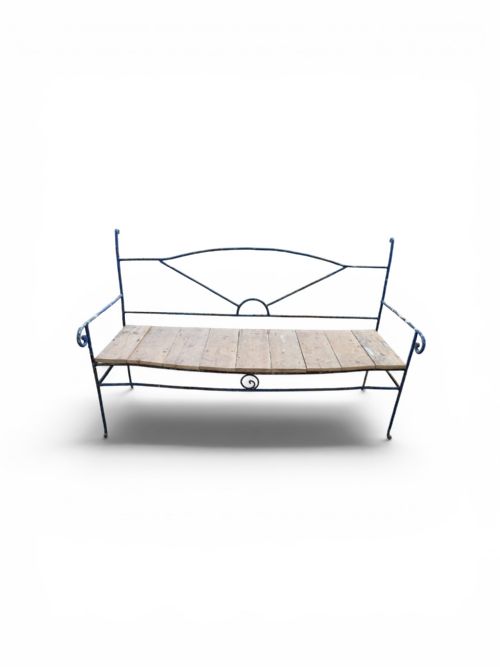
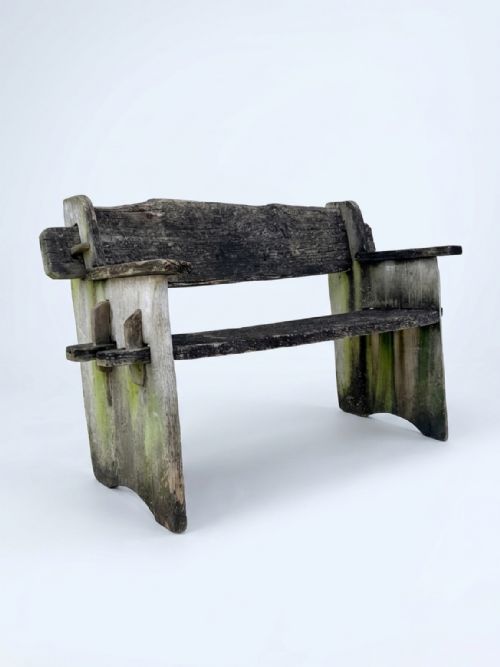
When you search for an outdoor wooden bench, you encounter seating designed for lawns, patios and conservatories from across the nineteenth and twentieth centuries. These pieces combine timber slats with metal supports, taking forms that range from simple rustic designs to decorative Gothic patterns.
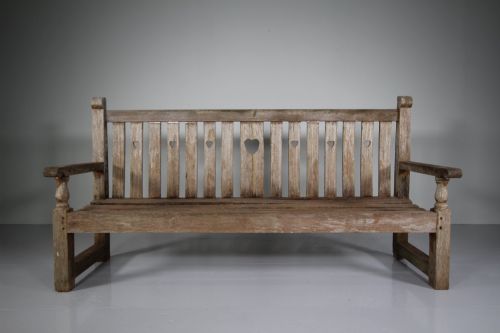
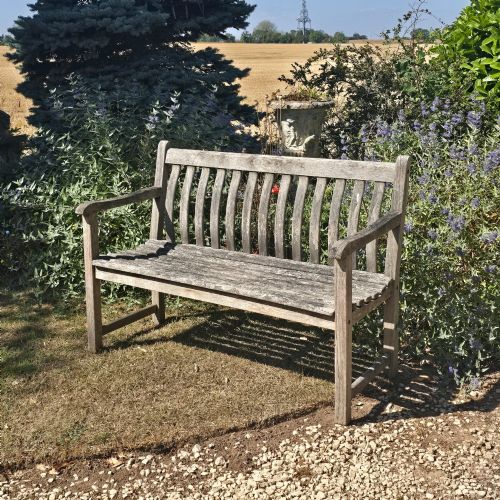
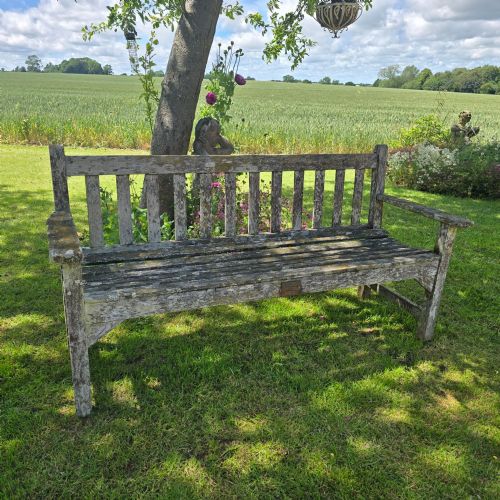
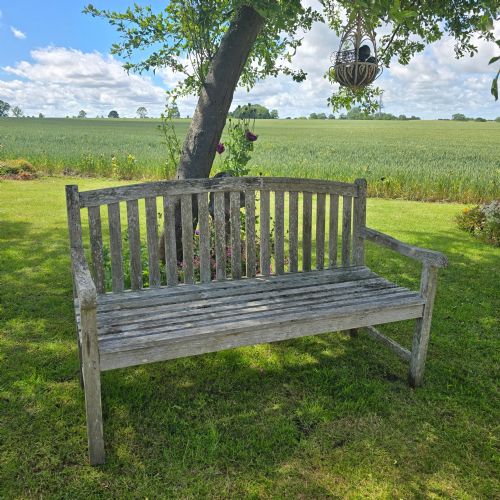
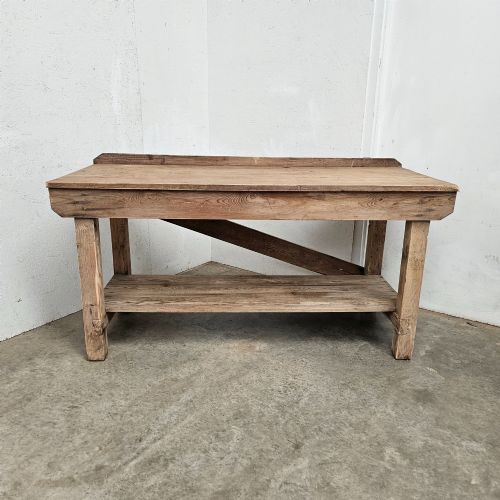
The most common examples you meet here are made from durable teak or pine, often showing a weathered silvered patina from years outdoors. You also find specialised forms like tree seats, railway benches and potting tables alongside traditional garden chairs.
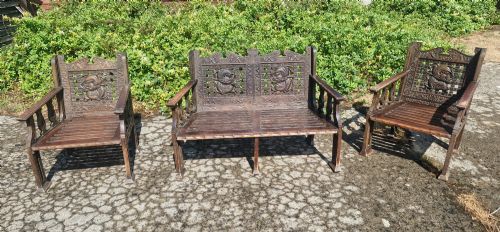
Originating in periods from Victorian times through the Edwardian era up to the nineteen-thirties, these benches reflect both formal estate landscaping and informal cottage gardens. English and French country styles sit alongside pieces with influences from further afield, including Burmese and Anglo-Indian designs.
How they were made
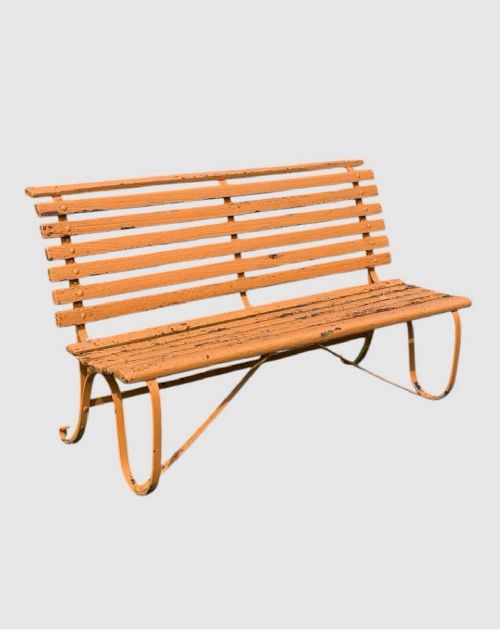
Makers constructed these garden seats using durable timbers such as teak, elm, oak and pine, chosen for their ability to withstand the elements. Teak naturally resists moisture and decay, while elm and pine often received protective coats of paint.
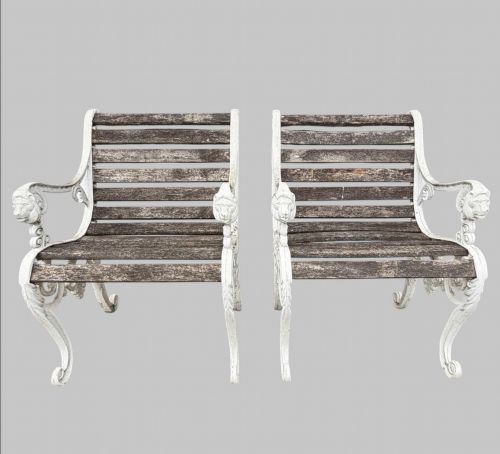
Metal components played a crucial role in the construction, combining cast iron and wrought iron for frames, side supports and decorative motifs. Foundries produced robust end standards and intricate details like lion masks or heart patterns to secure the wooden slats.
Materials recorded across the selection include teak, cast iron, elm, oak, pine and painted timber.
What varies in quality
The distinction between ordinary utility seating and finer examples lies in the integrity of the timber selection and the precision of the joinery. Superior benches utilise dense, well-seasoned teak or quarter-sawn oak that resists warping and maintains structural rigidity through seasonal changes.
Decorative ambition also separates standard production from exceptional work, seen in crisp castings of iron frames and hand-carved details on motifs or armrests. Better workshops employed thoughtful construction methods that allowed water to drain rather than pool in joints.
The Outdoor Wooden Bench Glossary
- Teak
- A dense, oil-rich tropical hardwood prized for outdoor use because it resists moisture and weathering without chemical treatment.
- Cast iron
- An iron-carbon alloy poured into moulds to create rigid, ornate bench ends and structural supports with detailed surface patterns.
- Silvered patina
- The pale grey colour that exposed timber develops after prolonged exposure to sunlight, wind and rain.
- Tree seat
- A circular or polygonal bench built around the trunk of a tree to provide shaded seating within a garden.
- Faux bois
- A technique where artisans shape concrete, plaster or iron to imitate the natural texture and appearance of wood.
Outdoor Wooden Bench: Frequently Asked Questions
How do I protect an outdoor wooden bench?
Most durable timbers like teak require very little maintenance and can remain outside through winter without treatment, gradually developing a silvered surface.
For painted or softer woods, storing the seat in a shed during the harshest months or using a breathable cover helps preserve the finish.
Are these benches comfortable to sit on?
Traditional garden seating relies on curved slats and angled backrests designed to support the body naturally without cushions.
Adding loose canvas or weather-resistant squabs can increase comfort for longer periods spent sitting outdoors.
How do I date an antique wooden bench?
Dating relies on examining the construction techniques, such as the type of fixings, joint methods and the wear patterns on the timber.
Cast iron end standards often bear registration marks or stylistic traits characteristic of Victorian or Edwardian design periods.
Can I leave a teak bench outside all year?
Teak contains natural oils that protect the wood from rot, making year-round outdoor exposure standard practice for these pieces.
Over time, the sun will lighten the original warm brown tone to a uniform silvery grey without weakening the structure.