




Weathered Grey Seat
A weathered grey seat brings garden benches and statuary shaped by time and elements directly into domestic or outdoor spaces.
Weathered Grey Seat
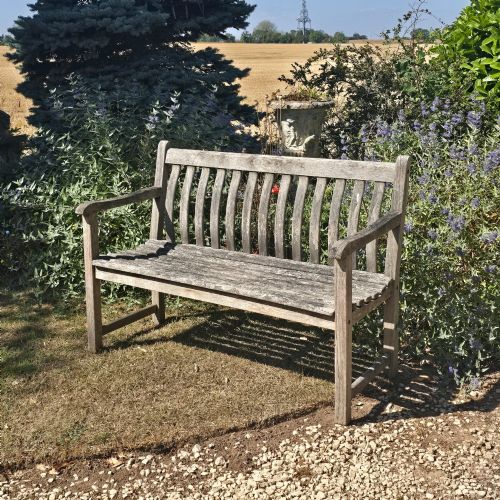
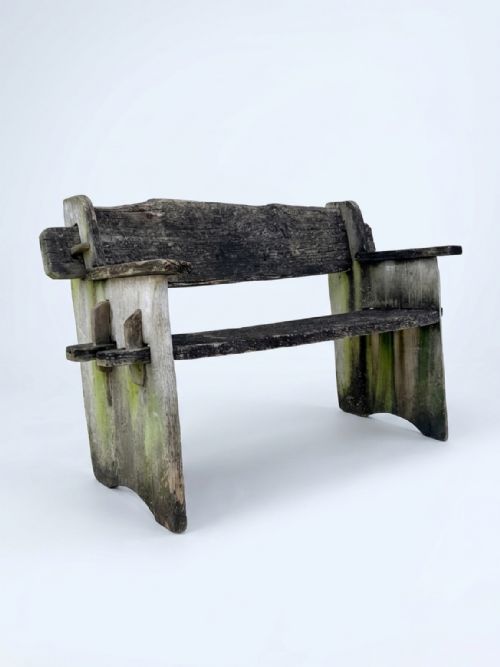
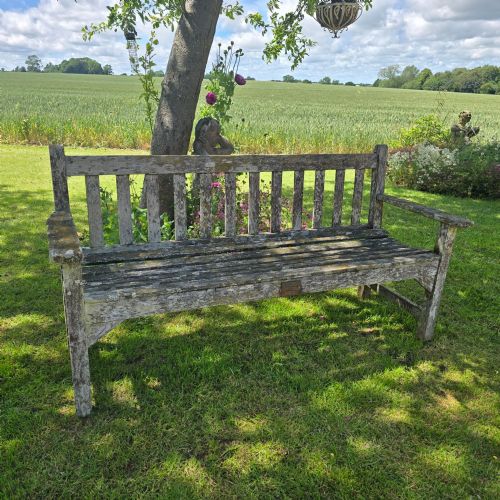
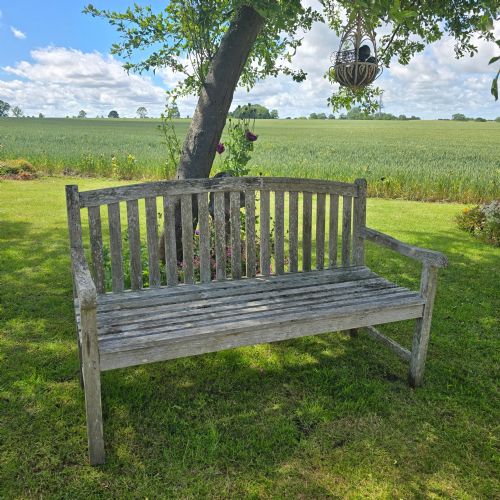
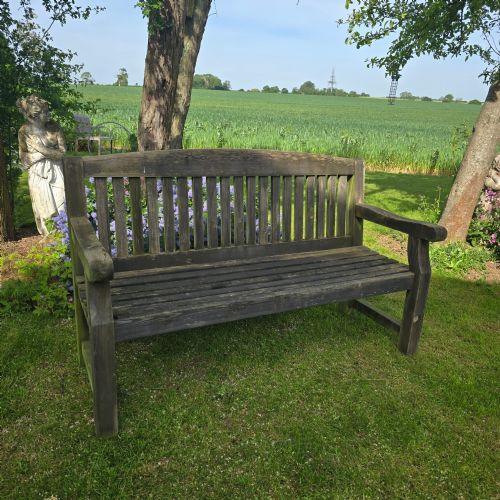
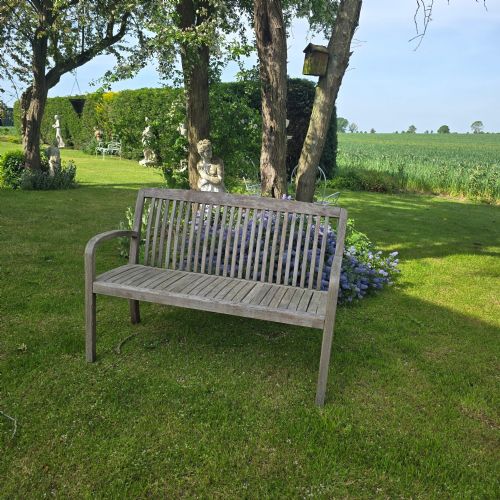
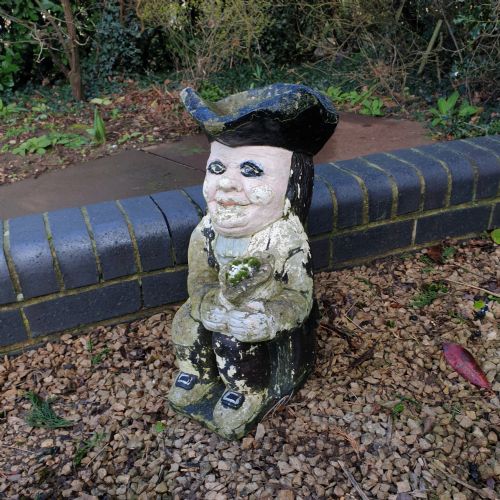
A weathered grey seat encompasses outdoor furniture and garden ornaments shaped by decades of exposure to the elements, predominantly appearing as garden benches alongside stone statues and armchairs. Buyers searching for a weathered grey seat encounter pieces spanning the Edwardian era through to the mid-twentieth century, with a strong representation of teak benches and reconstituted stone ornaments.
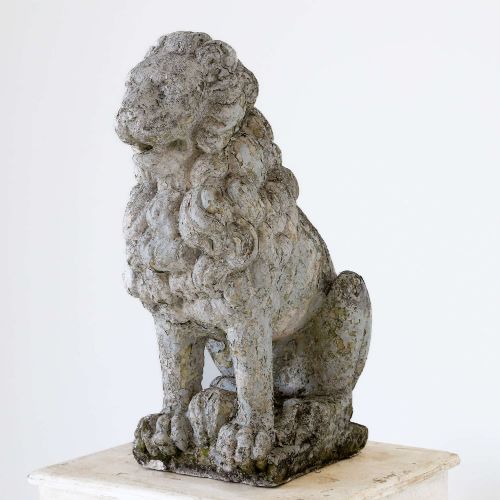
The selection ranges from traditional English garden benches in silvered teak to root wood chairs and composite stone lion guardians. These objects bring a mature, established character to outdoor settings, carrying the distinct marks of age upon timber and stone.
Teak benches dominate the offerings, often displaying the characteristic silver-grey patina valued in traditional English country garden schemes. Alongside timber seating, buyers find stone ornaments and finials that have weathered to muted grey tones through prolonged exposure outdoors.
How they were made
Construction relies heavily on durable timbers such as teak and root wood, alongside cast composite and reconstituted stone for statuary and finials. Teak components withstand prolonged outdoor exposure, developing a protective silvered surface over decades.
Stone pieces utilise moulded or carved composite materials, sometimes finished with early layers of paint that wear down over time. Joinery and casting techniques reflect the utilitarian demands of garden architecture and seating designed to endure the seasons.
Materials documented across the collection include teak, timber, root wood, reconstituted stone, and composite stone.
What varies in quality
Quality rests in the depth of the natural weathering and the structural integrity of the underlying material, whether timber or stone. Superior examples exhibit an even, silvered patina across teak slats or crisp definition in stone lion carvings despite the passage of time.
The distinction lies in the balance between material endurance and surface transformation, where genuine age enhances the form rather than compromising stability. Pieces demonstrate craftsmanship through balanced proportions in benches and expressive detail in stone ornaments.
The Weathered Grey Seat Glossary
- Teak
- A dense hardwood prized for outdoor use due to its natural oils and resistance to decay. It weathers to a characteristic silver-grey colour when left untreated.
- Reconstituted stone
- A composite material made from crushed stone and a binder, moulded into architectural ornaments and statues. It provides the appearance of natural stone with consistent structural properties.
- Finial
- An ornamental architectural feature placed at the apex of a post, gate, or structure. These elements often take the form of stone animals or decorative motifs in garden settings.
- Root wood
- Timber sourced from the root system of a tree, utilised for organic and rustic furniture forms. Each piece displays unique, swirling grain patterns dictated by natural growth.
- Patina
- The surface appearance acquired by materials through age, use, and exposure to the environment. In timber and stone, this manifests as softened textures and muted grey tones.
Weathered Grey Seat: Frequently Asked Questions
How do I maintain a weathered teak bench?
Teak requires minimal intervention to maintain its structural integrity outdoors. Leaving the wood untreated allows it to retain the natural silver-grey finish characteristic of age.
Cleaning simply involves gentle brushing to remove debris. Avoid harsh chemical treatments that strip the weathered surface.
What periods do these garden seats represent?
The pieces span from the Edwardian period through the nineteenth and twentieth centuries. Designs reflect traditional English garden styles alongside rustic country forms.
Mid-century examples sit alongside earlier Edwardian and nineteenth-century items, showing continuity in garden ornamentation.
Are stone statues suitable for outdoor display?
Reconstituted stone and composite materials are engineered to withstand exterior environments year-round. They develop a weathered surface patina through continued exposure to weather.
Placement on stable ground or plinths ensures proper support for heavier figures like stone lions.
What distinguishes root wood chairs from standard benches?
Root wood chairs utilise the natural contours of tree roots rather than milled timber planks. This creates organic, sculptural seating forms with distinct grain patterns.
Such pieces bring a rustic and individual aesthetic to garden spaces compared to conventional slatted benches.