



Park Bench Timber
Park bench timber brings enduring garden character to a terrace or lawn, combining sturdy wood and metal frames to weather the seasons.
Park Bench Timber
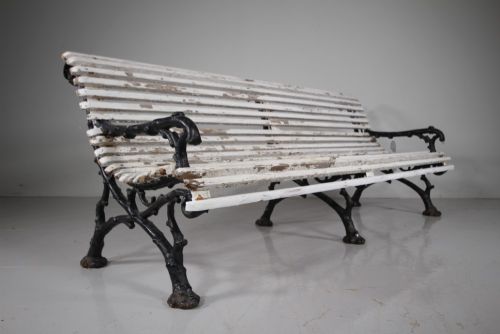
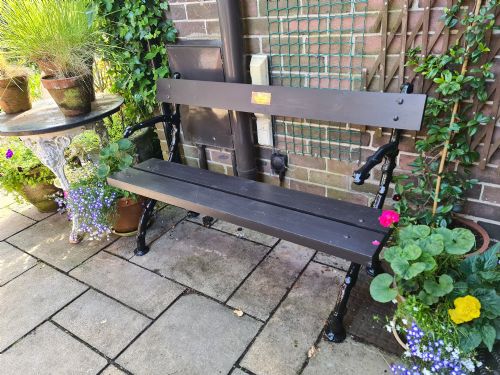
When you search for park bench timber, you are looking at sturdy outdoor seating designed to withstand decades in the open air. These pieces combine robust wooden slats with heavy metal supports, creating functional seats that anchor a garden landscape.
The versions you are most likely to meet on this page date from the nineteenth century through to the 1930s. They span Victorian rustic designs, Edwardian forms, and weathered English country styles.
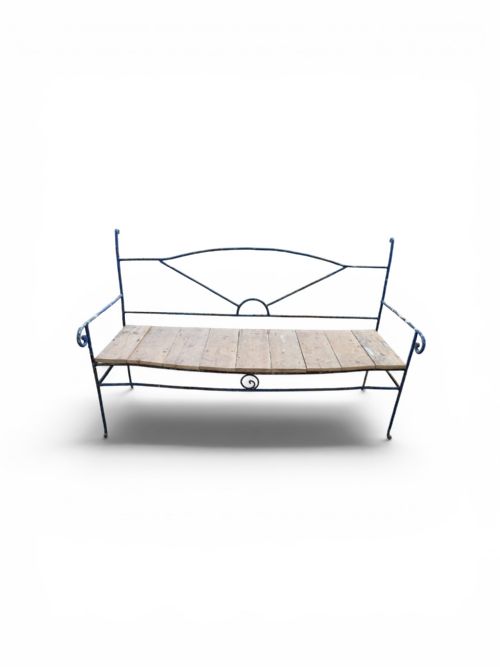
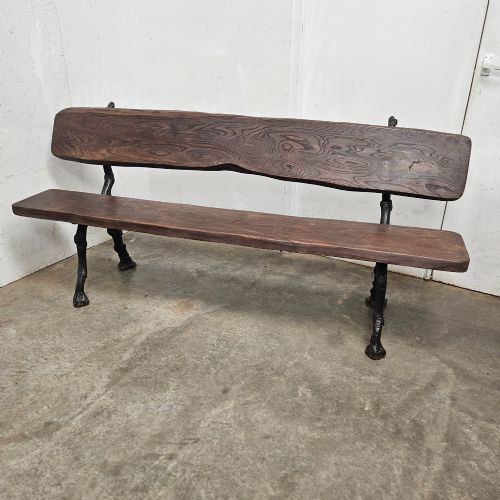
Makers utilised resilient materials to ensure longevity outdoors, pairing dense hardwoods with cast or wrought iron. The resulting benches range from simple slatted timber seats to ornate cast-iron patterns and faux bois designs.
How they were made
Traditional construction paired heavy cast-iron or wrought-iron frames with dense timber slats such as teak and elm. The metal components were cast or forged to provide rigid structural support, while the wooden elements were secured to withstand regular outdoor use.
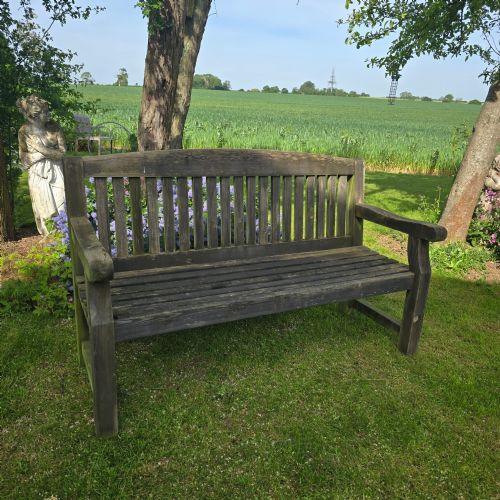
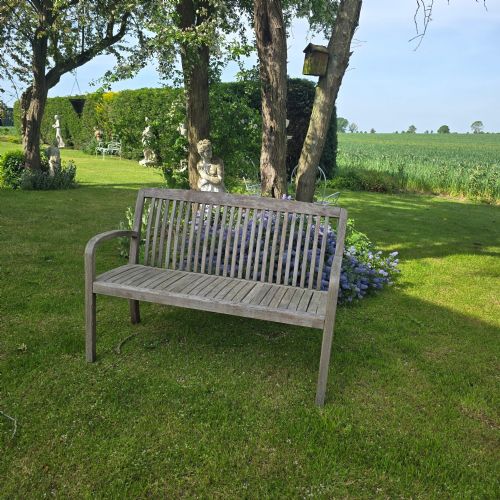
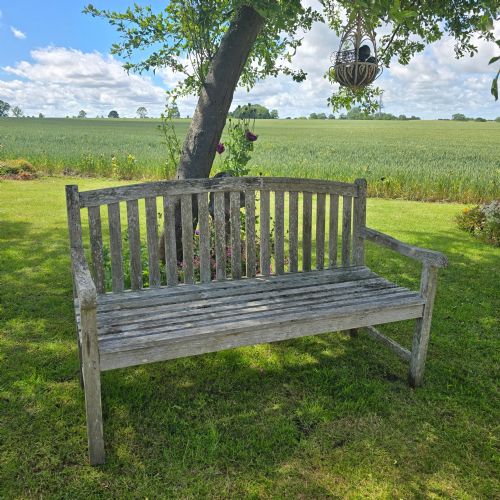
Teak and elm were selected for their natural resilience against moisture and decay. Over decades of exposure, the timber develops a distinct weathered silvered patina while maintaining its structural integrity.
Park Bench Timber Retail Price Guide 2026
Typical asking prices for park bench timber among the pieces listed under this phrase on Sellingantiques today, from the lower quarter to the upper quarter. They describe what is for sale here now, not the wider market.
Some nineteenth-century French makers went to great lengths to sculpt iron so convincingly like tree branches that you might try to hang your coat on a knot.
What varies in quality
Quality in park bench timber rests on the preservation of the original materials and the integrity of the construction. Benches that retain their heavy cast-iron frames and deep-grained teak slats demonstrate superior original manufacture.
The depth of the silvered patina on the weathered wood also distinguishes the best examples. Natural weathering over many decades creates a tactile surface that lesser or modern replacements cannot replicate.
The Park Bench Timber Glossary
- Teak
- A dense tropical hardwood prized for outdoor furniture due to its natural oils and resistance to rot. It weathers to a distinctive silver-grey colour when left exposed to the elements.
- Cast iron
- An iron-carbon alloy poured into moulds to create intricate structural frames and decorative bench ends. It provides the heavy weight needed to keep garden seating stable.
- Weathered wood
- Timber that has undergone prolonged exposure to sunlight and rain, resulting in a textured surface and silvered tone. This appearance is valued for its authentic age.
Park Bench Timber: Frequently Asked Questions
How do I care for weathered teak?
Weathered teak requires very little intervention to maintain its condition outdoors. The natural oils within the wood protect it from deep decay.
Simply wash the surface occasionally with mild soapy water to remove accumulated dirt, leaving the silvered patina intact.
Can these benches stay outside all winter?
These traditional garden seats are built specifically for outdoor use across the seasons. Their heavy iron frames and dense timbers tolerate frost and rain.
Placing them on stone flags rather than damp soil helps prevent unnecessary moisture absorption during the colder months.
How do I date an older garden bench?
Dating relies on observing the combination of materials, construction methods, and stylistic details. Victorian and Edwardian examples often feature heavier cast-iron framing alongside traditional joinery.
Comparing the specific wood grain and metal casting patterns helps place the piece within the nineteenth or early twentieth century.
What is Victorian rustic style?
Victorian rustic style embraces natural, organic forms inspired by the English countryside and woodland shapes. Benches in this style often incorporate branches or tree-like motifs into the woodwork.
This aesthetic suited nineteenth-century gardens designed to feel wild, secluded, and harmonious with nature.