


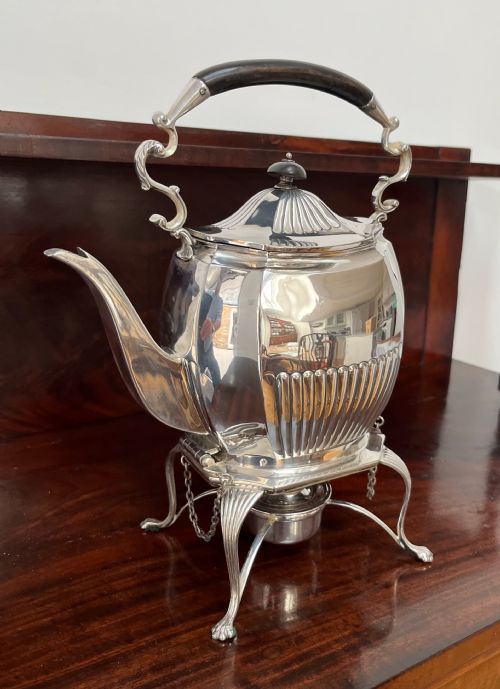


Vintage Tea Urn
A vintage tea urn brings the grand hospitality of the dining room or parlour into focus through weighty metals and functional design.
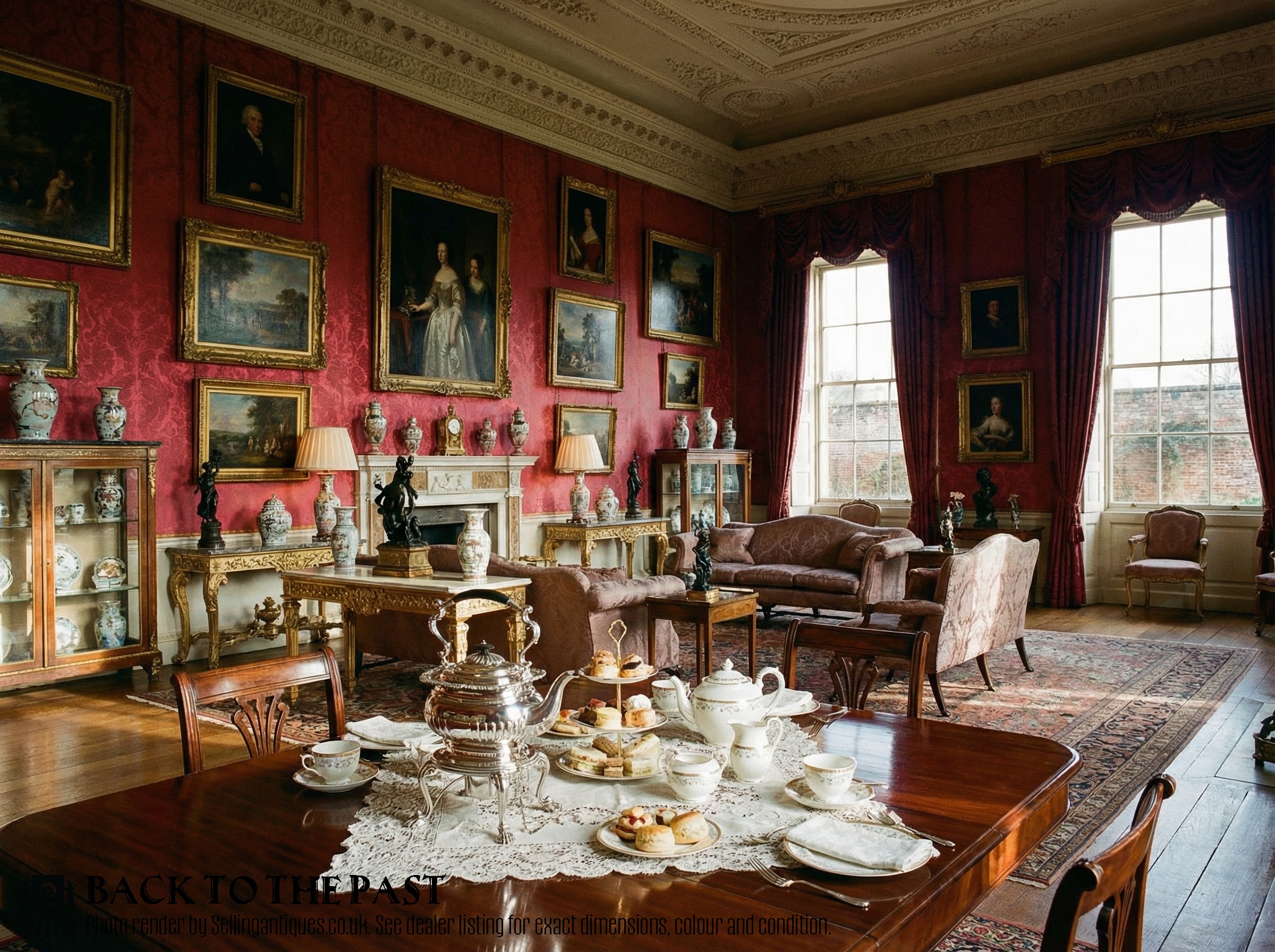
Vintage Tea Urn
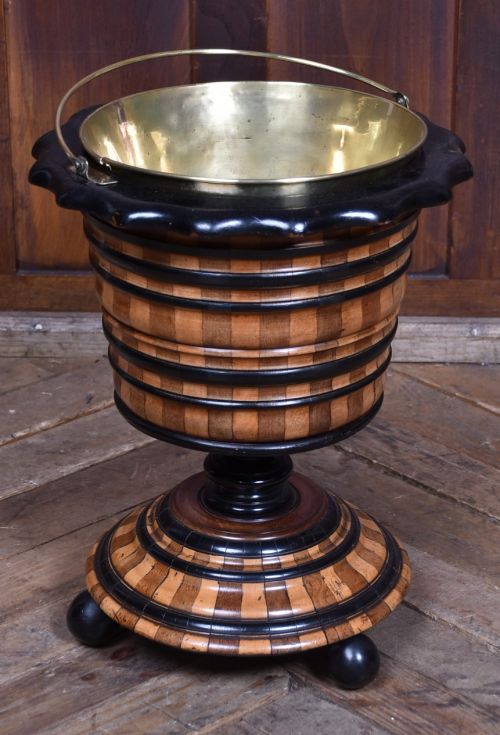
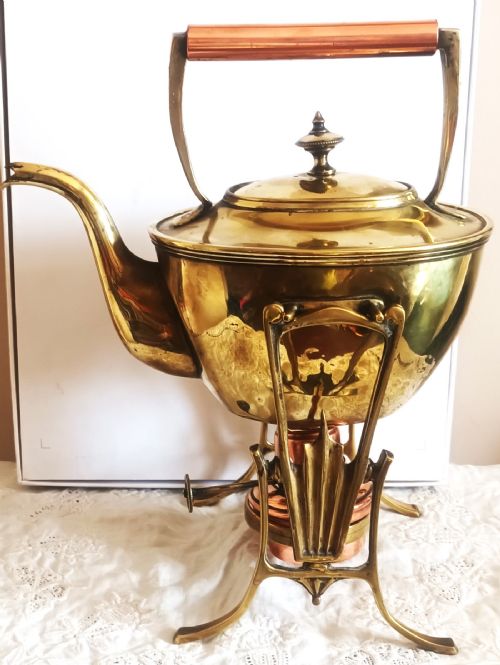
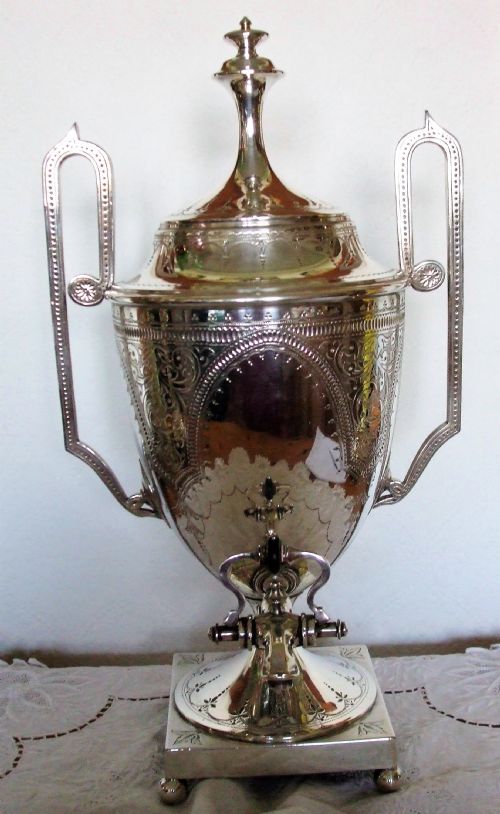
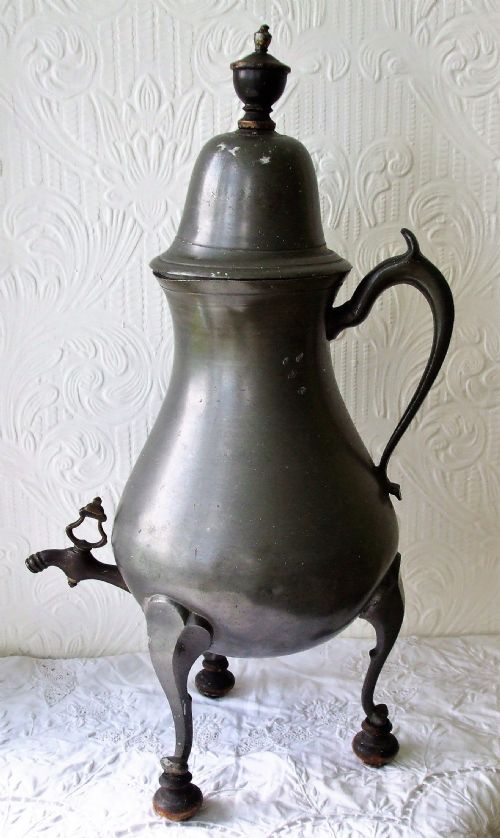
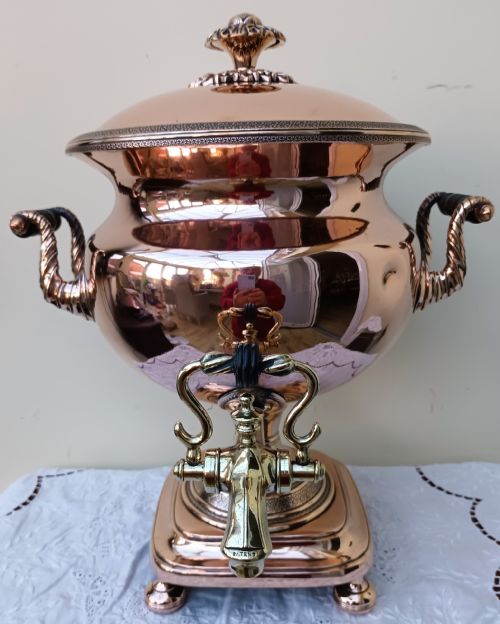
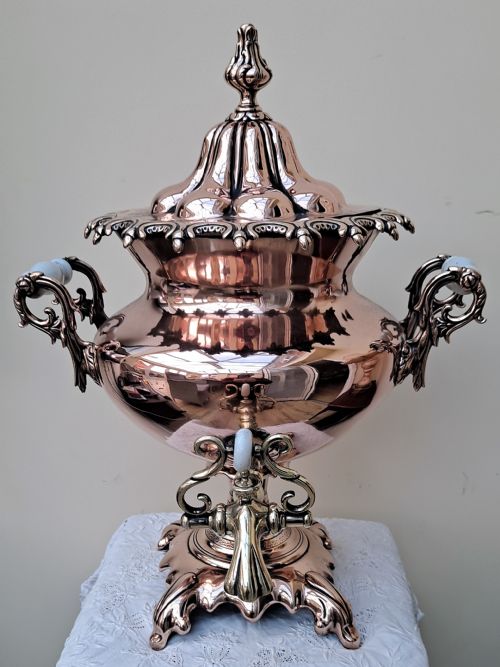
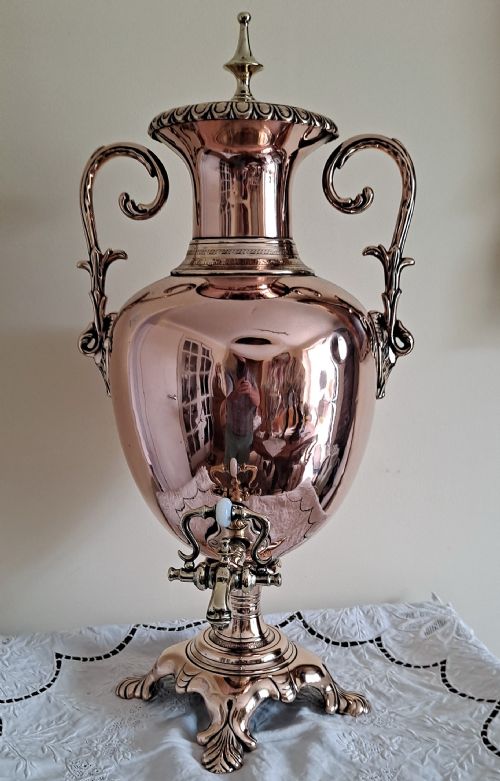
When you search for a vintage tea urn, you encounter vessels designed to heat and dispense water for social gatherings, ranging from substantial samovars to spirit kettles on stands. The examples on this page are most commonly made from copper and brass, dating across the Georgian, Victorian, and Edwardian periods.
These pieces encompass both large table samovars with taps and portable spirit kettles equipped with burners for maintaining temperature. Alongside the core urns and kettles, related forms such as tea urns and samovars, side tables, and kettle stands appear in the material.
Stylistic expressions span from restrained Georgian and Regency neoclassical lines to ornate Victorian craftsmanship and occasional Arts and Crafts interpretations. The enduring appeal lies in the combination of polished metallic surfaces and domestic utility.
How they were made
Makers shaped these vessels primarily from copper, brass, and silver plate, often combining metals to highlight handles, taps, and stands. Ebonised wood, bone, and satinwood appear as insulating elements on handles or as components of associated stands and tables.
Construction techniques involve hand-beating, joining, and polishing metal sheets, paired with cast mounts and detailed spigots. The integration of spirit burners and wooden details required precision joinery and metalworking skills suited to containing boiling water safely.
Some hanging kettles let you swing your boiling water across the room like a very dangerous pendulum.
What varies in quality
Quality reveals itself in the weight of the metal and the crispness of cast details on handles, feet, and taps. Superior examples maintain balance and proportion across the stand and burner assembly, with careful attention to interior linings and joinery.
The sophistication of surface finish and the integrity of original components, such as burners and internal liners, distinguish higher-tier vessels from standard utilitarian pieces. Maker marks from established firms further indicate a higher level of workshop execution.
William Soutter And Sons·Walker And Hall·Edwards And Roberts·Turner And Simpson Ltd
The Vintage Tea Urn Glossary
- Samovar
- A heated metal container traditionally used to boil and heat water for tea, featuring an internal central tube for fuel in some regional variants. These large vessels often form the centrepiece of a tea service.
- Spirit Kettle
- A portable water kettle mounted upon a metal stand above a small alcohol burner. This setup kept water hot during extended parlour conversations.
- Teestoof
- A traditional Dutch warming device designed to keep a teapot warm using a small heat source placed inside. These typically incorporate brass liners and wooden or ceramic frames.
- Marquetry
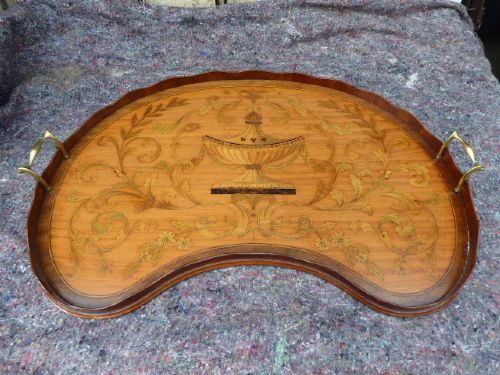
- Decorative wood woodwork created by fitting thin veneers of various coloured timbers into patterns. It frequently decorates the companion tables and stands associated with tea equipment.
- Silver Plate
- A thin layer of silver fused to a base metal such as copper or Britannia metal. This technique provided the visual appeal of solid silver at a more accessible cost.
Vintage Tea Urn: Frequently Asked Questions
How were tea urns used?
These vessels provided a central source of hot water during formal meals and gatherings, allowing hosts to replenish teapots without leaving the room.
The integrated taps and spirit burners kept the water at a constant temperature throughout long social occasions.
What is the difference between an urn and a spirit kettle?
An urn is typically a larger, fixed vessel resting on a stationary base with a tap, designed to hold substantial volumes of water.
A spirit kettle is smaller, suspended on a standalone frame above an adjustable burner for table service.
How do I care for copper and brass urns?
Regular dusting and occasional gentle cleaning with appropriate metal polishes maintain the reflective finish of the brass and copper surfaces.
Avoid abrasive materials that can strip historical patination or damage delicate joints and engraved details.
How can I tell the period of an urn?
Dating relies on stylistic cues, such as the neoclassical proportions of the Georgian era versus the heavier, ornate cast work of the Victorian period.
Maker marks, construction methods, and associated woods like satinwood or mahogany also help pinpoint the decade of manufacture.