

Vintage Tea Set
A vintage tea set gathers people around porcelain and silver plate for an afternoon ritual that turns a simple drink into an occasion.
Vintage Tea Set
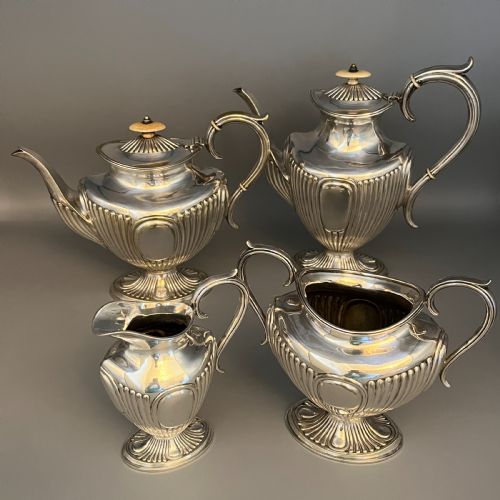
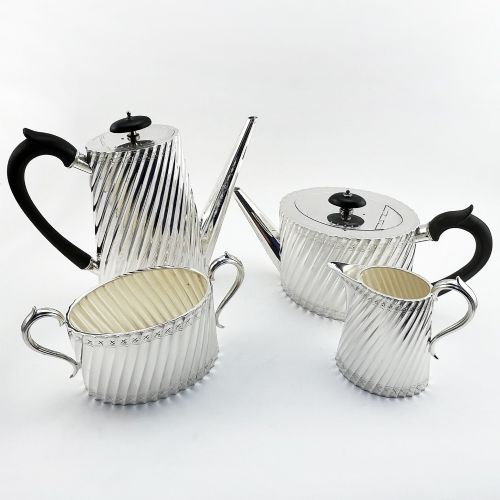
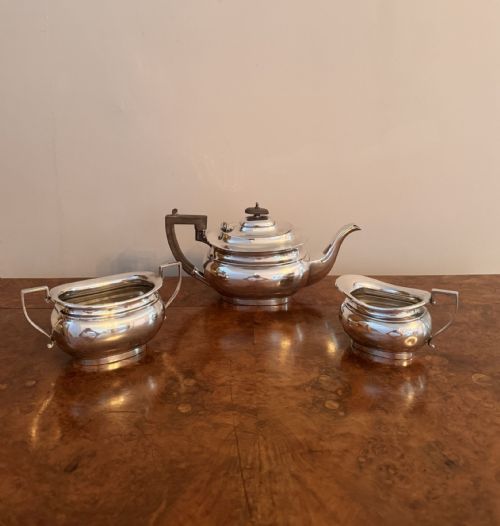
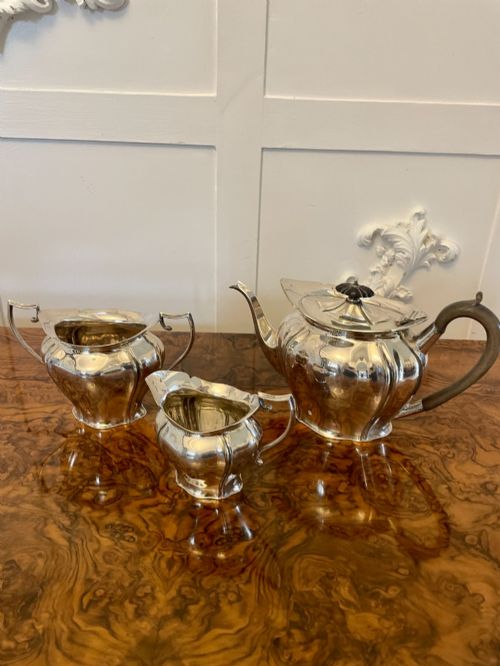
When you search for a vintage tea set, you encounter matched services in porcelain, earthenware and silver plate spanning the late nineteenth century through the art deco decades of the twentieth. These groupings range from intimate bachelor sets for one or two people up to ten-person afternoon services complete with cups, saucers and auxiliary vessels. Most examples belong to the Edwardian and Victorian eras, bringing together pots, cream jugs and sugar bowls shaped by traditional social habits.
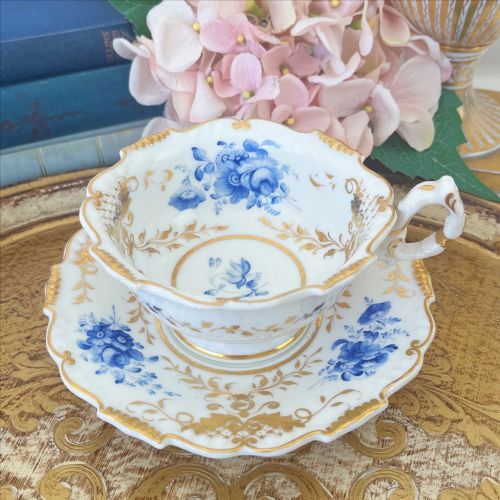
Porcelain sets often feature hand-painted motifs and gilded edges, whilst metal versions rely on silver plating over copper or white metal bases. Alongside standard tea services, the listings include associated pieces like travel picnic sets in wicker cases, porcelain trios and individual teacups with matching saucers. Each combination reflects the specific dining customs of its period, from formal drawing room gatherings to portable outdoor repasts.
Materials and construction methods
The ceramics in these collections rely on traditional fired clay bodies decorated with hand-painted pigments, transfer printing and applied gold leaf. Porcelain pieces from makers like Wedgwood and Coalport demonstrate shaped handles and delicate moulding that required skilled kiln firing to maintain structural integrity.
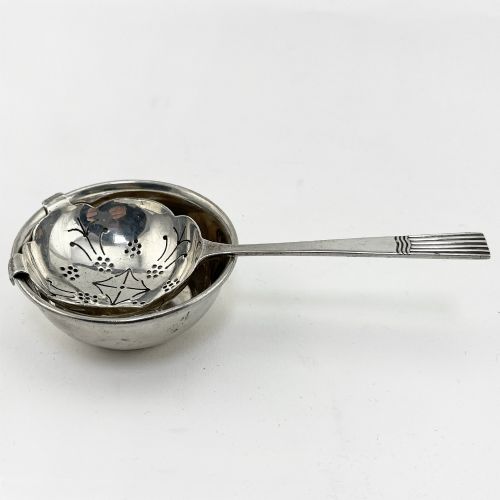
Metal services utilise silver plating on base metals or solid sterling silver, shaped through spinning, casting and soldering by firms such as Walker and Hall or Joseph Rodgers and Sons. Copper-plated items with pewter elements also appear, showing the transition toward art nouveau and art deco metalworking techniques at the turn of the twentieth century.
Vintage Tea Set Retail Price Guide 2026
Typical asking prices for vintage tea set among the pieces listed under this phrase on Sellingantiques today, from the lower quarter to the upper quarter. They describe what is for sale here now, not the wider market.
One intrepid pair packed their morning brew into a dedicated wicker travelling case for tea on the move.
Distinctions in standard and execution
Quality rests in the crispness of the porcelain moulding and the precision of hand-painted details, where superior sets show steady brushwork and consistent enamel application. In metal tea services, the thickness of the silver plate over the underlying base metal determines durability, alongside the weight and balance of cast handles and spouts.
Maker attribution elevates a service, as recognised potteries and silversmiths maintained higher standards of proportion and finish than anonymous commercial workshops. The completeness of a matching multi-piece service also influences desirability, particularly when original sugar bowls and cream jugs survive alongside the main pot.
Joseph Rodgers And Sons·H And R Daniel·Deakin And Francis·Walker And Hall·WMF·Armada Pewter·Coalport·Georg Jensen
The Vintage Tea Set Glossary
- Bachelor teaset
- A compact tea service designed for one or two people, typically comprising a small teapot, milk jug and sugar bowl.
- Silver plate
- A layer of silver fused to a base metal such as copper, nickel brass or white metal to provide the appearance of solid silver at a lower cost.
- Porcelain
- A hard, white, translucent ceramic fired at high temperatures, used for teacups, saucers and decorative services.
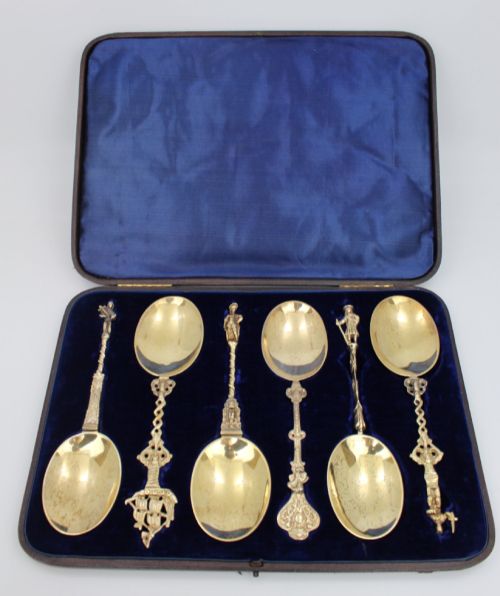
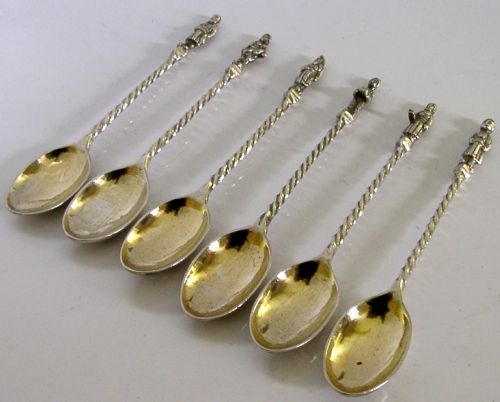
- Apostle spoon
- A spoon featuring the figure of an apostle or saint cast on the terminal of the handle, popular in silver collector sets.
- Trio
- A matched set consisting of a teacup, a saucer and a corresponding side or tea plate.
Vintage Tea Set: Frequently Asked Questions
How many pieces make a complete set?
A standard service usually includes a teapot, milk jug and sugar bowl, sometimes expanding to incorporate multiple cups, saucers and tea plates for larger gatherings.
Smaller configurations like bachelor sets reduce these components to suit intimate settings for one or two drinkers.
Can I use these for daily tea?
Many ceramic and silver metal sets remain functional for regular use provided they are washed by hand rather than placed in an automated dishwasher.
Older porcelain with delicate overglaze gilding benefits from gentle handling to preserve the decorative surfaces over time.
How do I identify silver plate from solid silver?
Solid silver items carry official hallmarking stamps indicating the assay office, standard of purity and date letter, whereas plated wares generally display maker marks denoting the plating process.
Examining edges and high-wear points can also reveal the underlying base metal showing through worn silver plating.
What period do most sets date from?
The majority of services originate from the late nineteenth century through the Edwardian era and into the nineteen thirties, reflecting the peak of formal tea drinking customs.
Earlier nineteenth-century porcelain and eighteenth-century trios also appear, representing more specialised collector tiers.