

Vintage Tapestry Wall Hanging
When you search for vintage tapestry wall hanging, you are looking at centuries of textile art designed to bring texture and narrative into a room.
Vintage Tapestry Wall Hanging
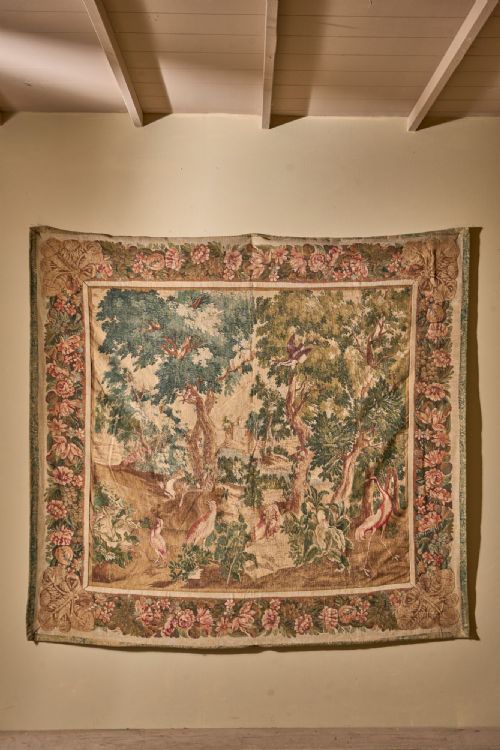
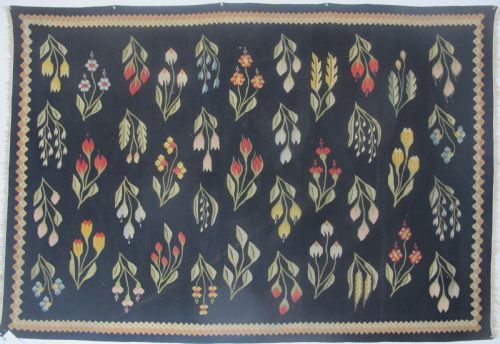
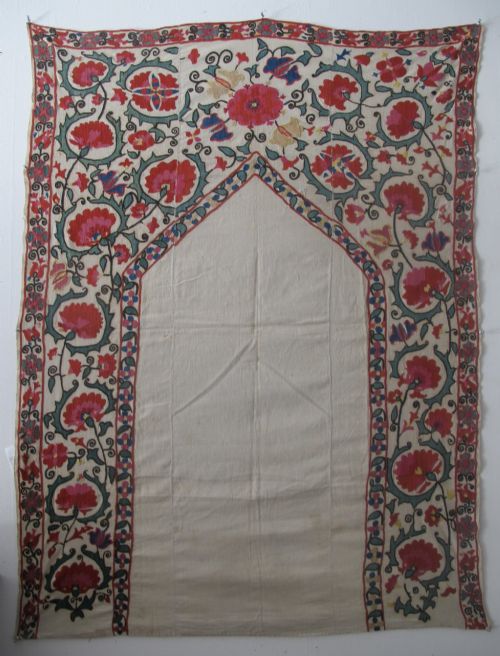
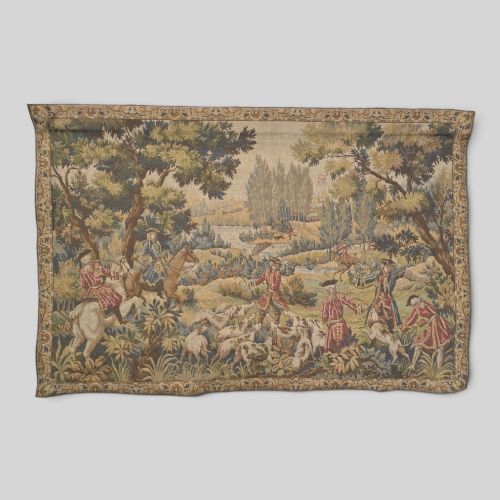
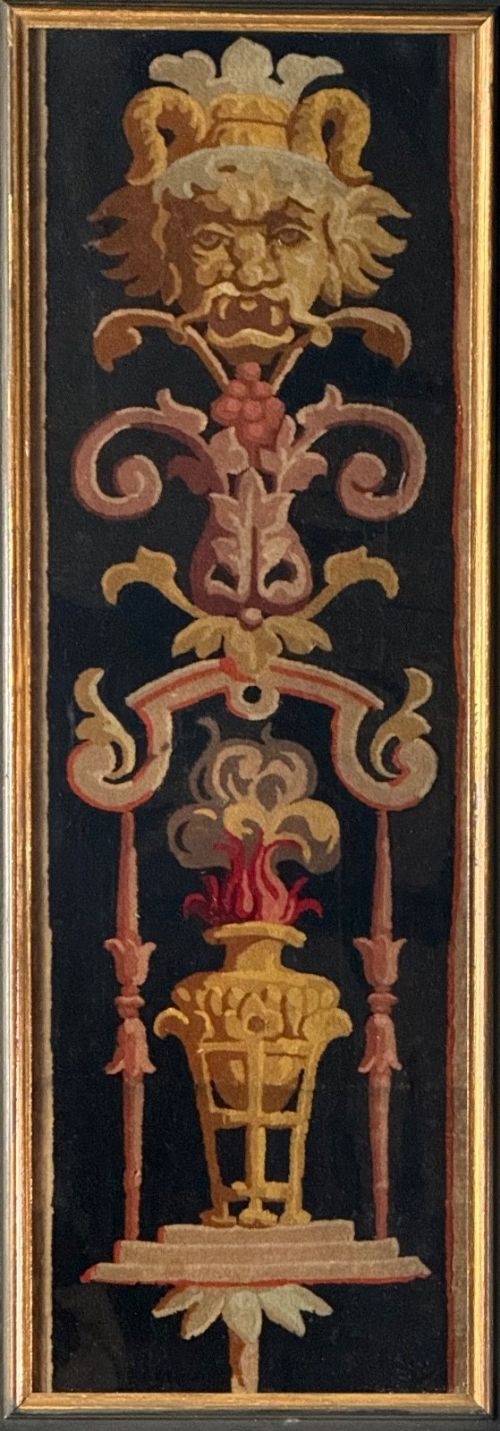
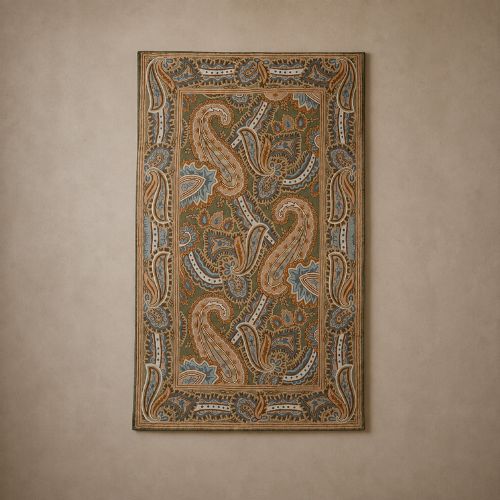
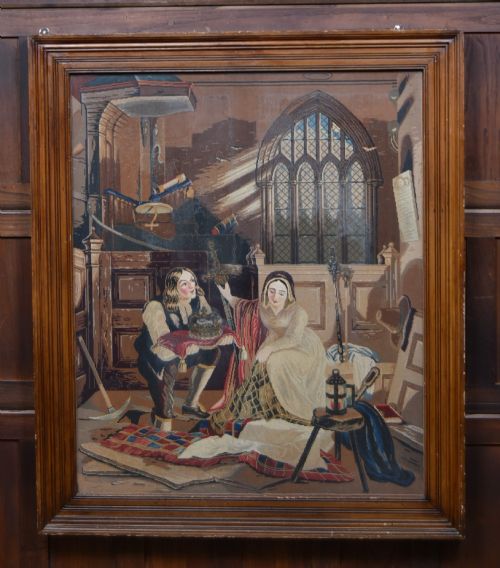
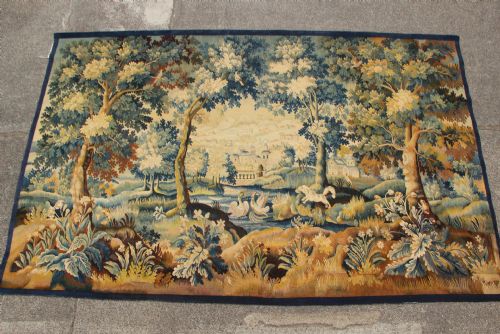
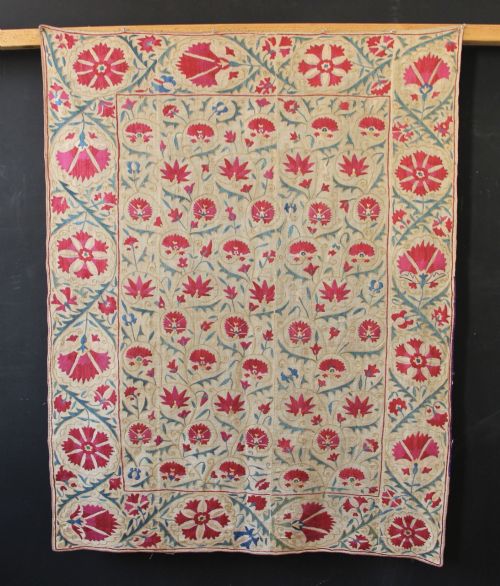
A vintage tapestry wall hanging encompasses a diverse range of textiles, from large European verdure panels to Central Asian embroideries designed to adorn interior spaces. You will encounter European woven scenes alongside tribal hangings originating from regions such as Uzbekistan and Persia.
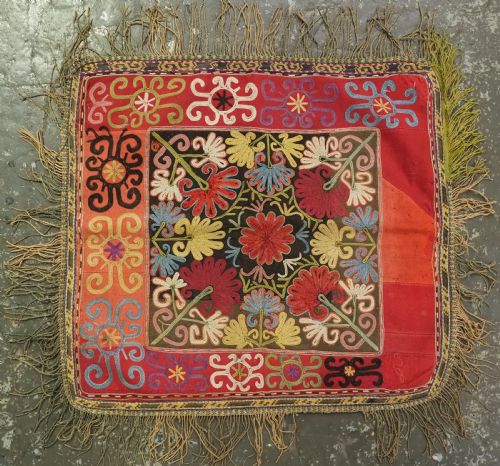
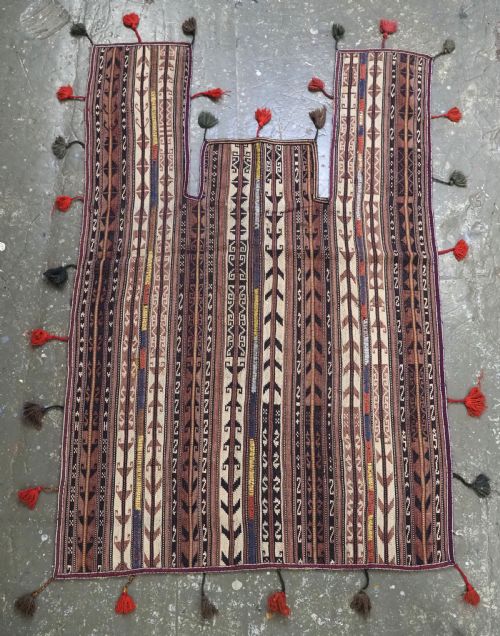
The selections span multiple centuries, capturing both traditional French chateau aesthetics and nomadic Central Asian craftsmanship. Pieces frequently bridge the gap between utilitarian items, such as dowry embroideries or horse blankets, and dedicated wall art.
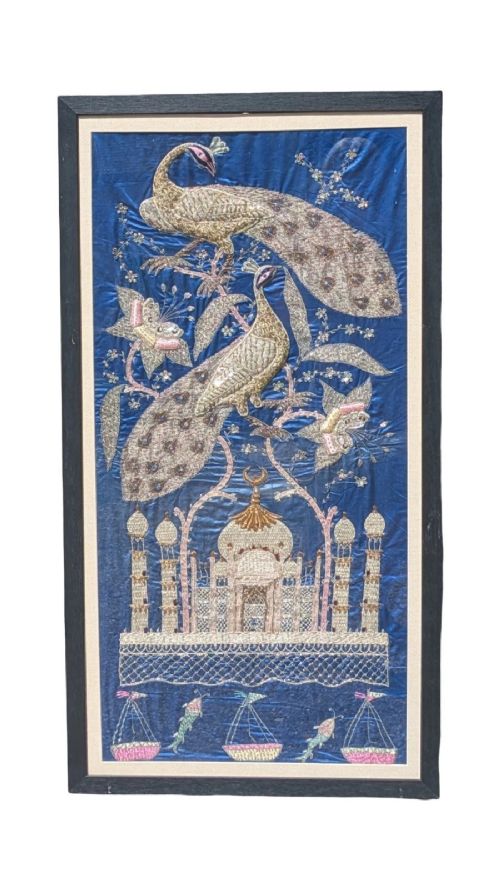
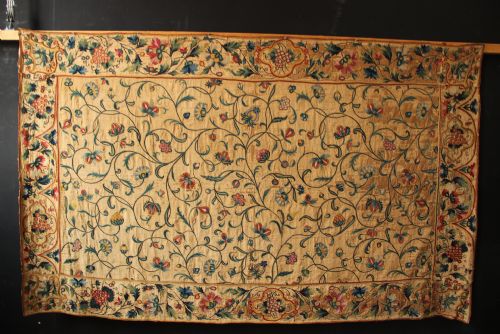
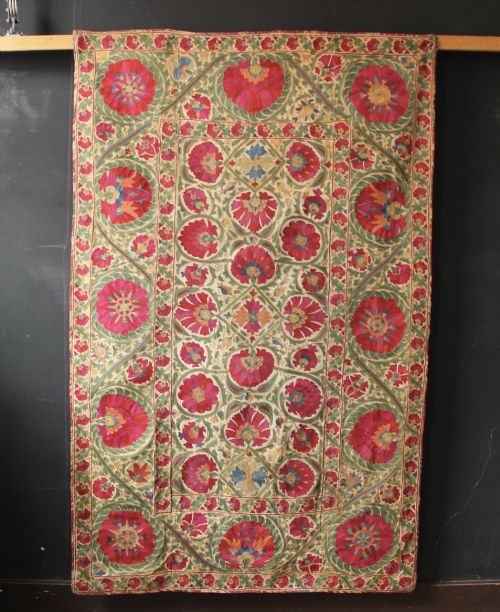
On this page, you are most likely to meet woven French verdure panels alongside intricately embroidered Suzanis and crewelwork panels. These objects transform vertical surfaces by introducing rich colour and historical depth without requiring traditional framed paintings.
What varies in quality
The distinction between tiers rests upon the density of the stitching or weave and the complexity of the design rendered by the maker. Superior examples exhibit precise handling of natural dyes and intricate pictorial detailing that maintain structural integrity across large expanses.
Condition and the preservation of original borders or mounted fragments heavily influence the standing of a textile. Pieces retaining their early vibrancy and fine detail distinguish themselves from more uniform or heavily restored examples.
Several Central Asian horse blankets and baby cradles appear here, proving that historical nomads brought distinct artistry to everyday travel.
The Vintage Tapestry Wall Hanging Glossary
- Verdure tapestry
- A woven wall hanging depicting a stylised woodland, foliage, or garden landscape. These French and Flemish panels typically feature rich green and earthy tones.
- Suzani
- A type of embroidered tribal textile originating from Tajikistan, Uzbekistan, and other Central Asian nations. They are traditionally worked in silk on a cotton or linen ground with bold floral motifs.
- Crewelwork
- A type of surface embroidery using wool yarn on a heavy linen or cotton fabric. English examples from earlier centuries often display sprawling botanical patterns.
- Asmalyk
- A pentagonal trapping created by the Yomut tribe of Turkmenistan, historically used in wedding processions. They are woven or embroidered with symbolic geometric designs.
- Palampore
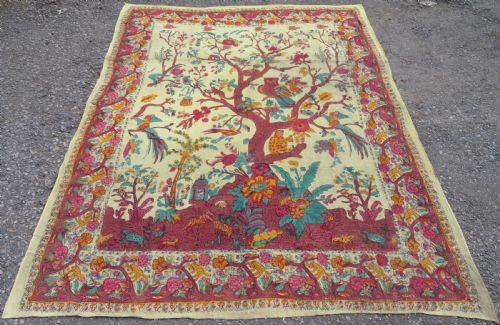
- A large, hand-painted or embroidered bed cover or hanging originating from India for export. They frequently feature intricate tree of life designs.
Vintage Tapestry Wall Hanging: Frequently Asked Questions
How do I hang a heavy textile safely?
Distributing the weight evenly across the top edge prevents distortion of the fabric over time. Attaching a fabric sleeve to the back allows a discreet rod or batten to support the piece against the wall.
Avoid hanging antique textiles in direct sunlight or damp environments to protect the natural fibres and dyes. Professional framing behind conservation glass is another option for smaller or more fragile panels.
What is the difference between a Suzani and a verdure tapestry?
A Suzani is an embroidered Central Asian textile, typically worked in bright silk threads on a light ground with bold floral and sun motifs. They reflect nomadic and regional dowry traditions.
In contrast, a verdure tapestry is a heavy European woven panel depicting dense foliage, trees, and occasional wildlife. These pieces were designed in workshops to insulate stone walls in large rooms.
Can these textiles be cleaned?
Gentle surface dust removal using a soft brush or low-suction vacuum with a mesh screen is generally sufficient for regular maintenance. Direct washing can cause shrinkage, dye transfer, or structural damage to aged threads.
Professional textile conservators should handle deep cleaning or major repairs. Attempting home washing on antique wool, silk, or natural dyed items carries a high risk of permanent harm.
How do I identify the age of a textile?
Examining the types of dyes, the spin and twist of the yarn, and the backing materials offers clues to the period of origin. Subtle variations in colour often indicate the use of pre-synthetic natural dyes.
Stylistic motifs, such as French baroque foliage or traditional Uzbek tribal patterns, also help narrow down the decade or century of production. Comparing construction methods with documented examples provides further confirmation.