


Vintage Tapestry Ottoman
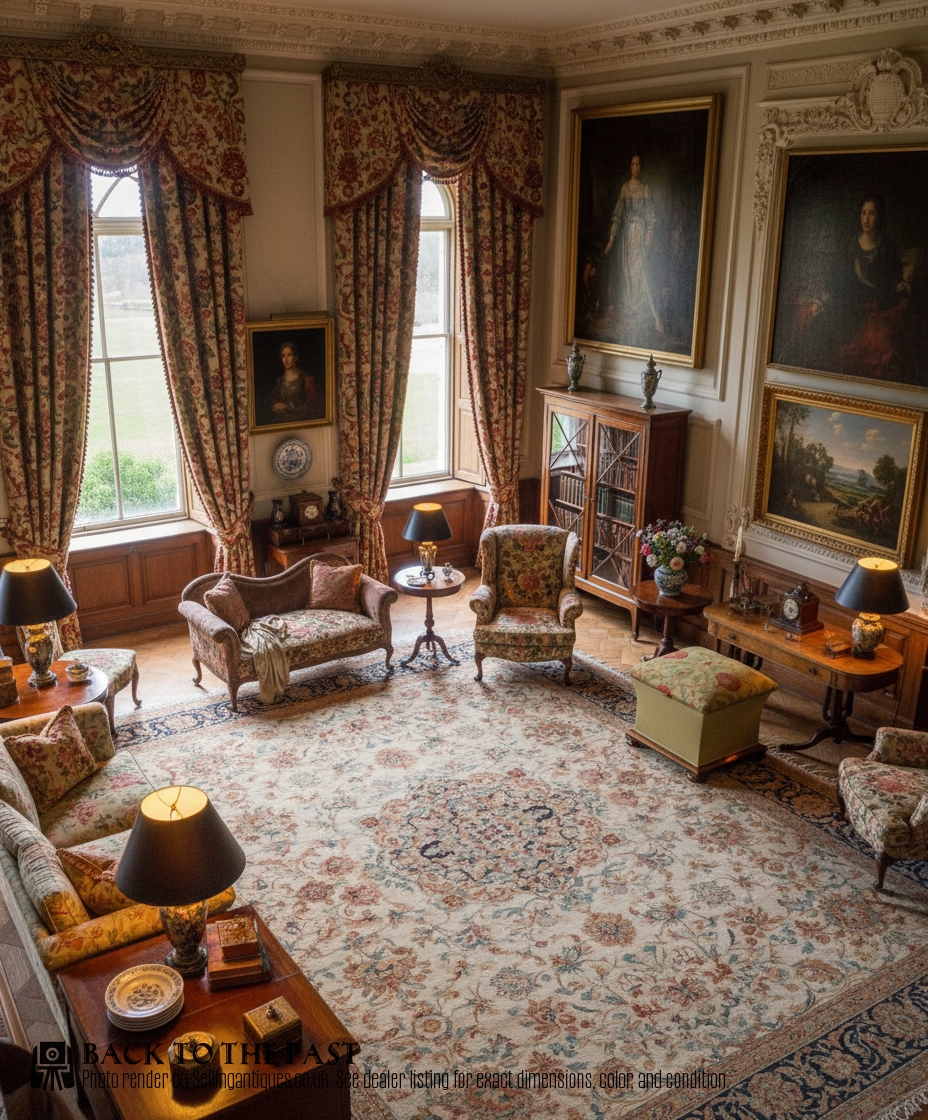
A vintage tapestry ottoman brings warmth and rich texture to a room, offering practical seating or a resting place for feet.
Vintage Tapestry Ottoman
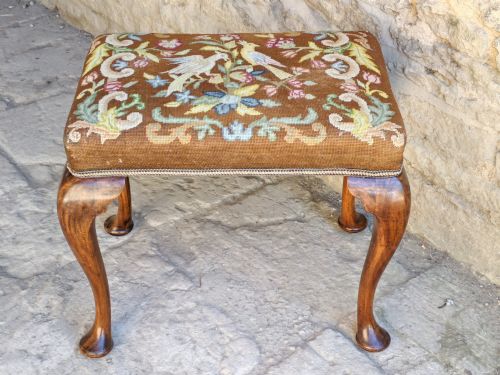
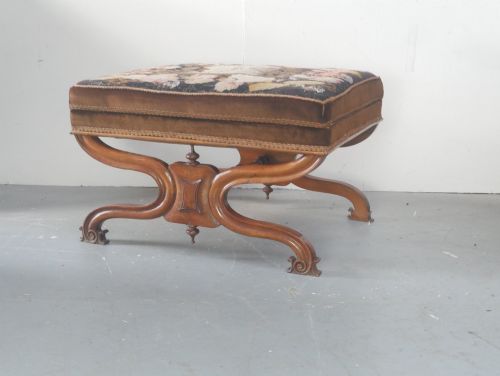
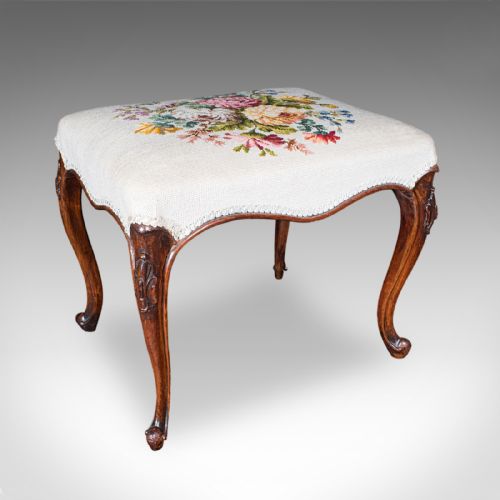
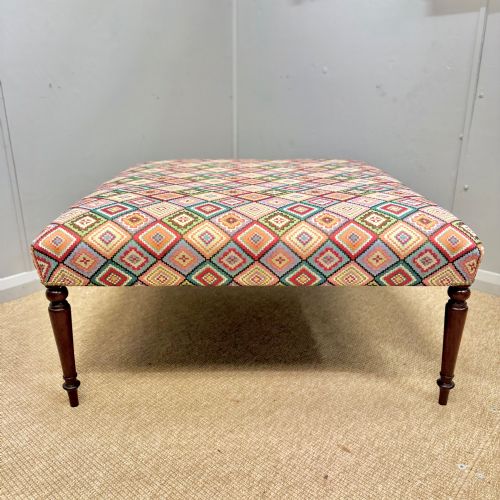
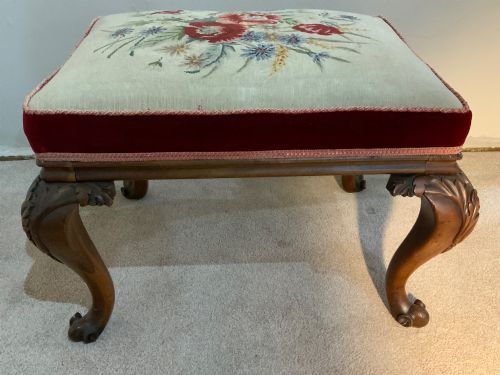
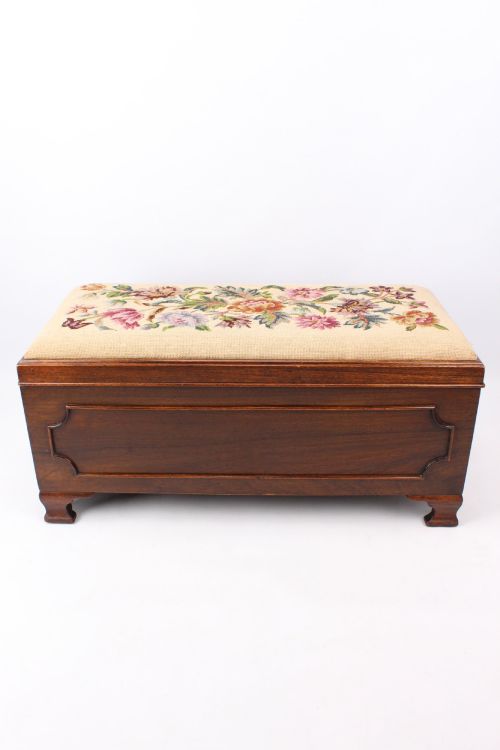
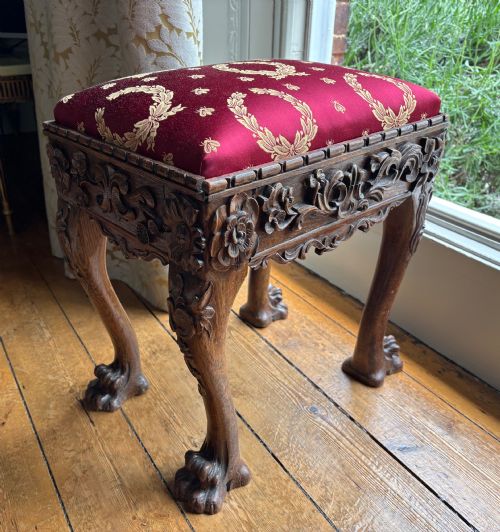
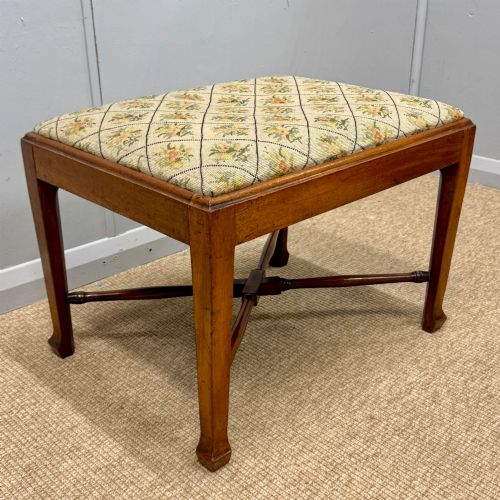
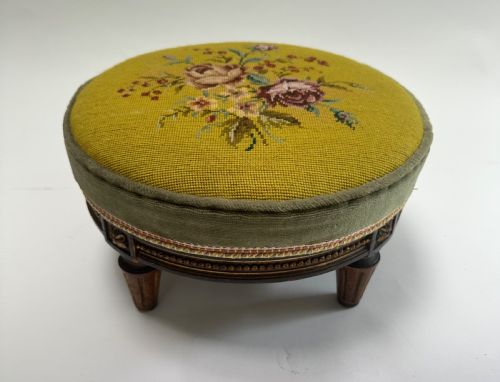
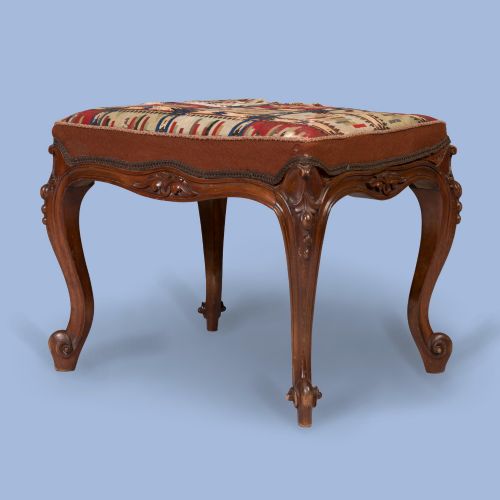
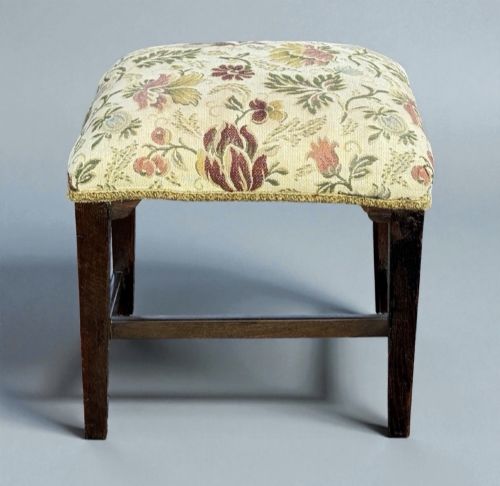
When you search for a vintage tapestry ottoman, you encounter a variety of upholstered seating forms originating from the nineteenth century into the early twentieth century. These pieces combine functional wooden frames with detailed needlepoint, wool, or textile coverings reflecting Victorian, Georgian, and revival styles. Footstools, low dressing stools, and storage chests dominate the selection, often taking square, oval, or rectangular proportions.
The most common examples date from the Victorian era, utilising walnut or mahogany frames paired with hand-worked tapestry or kilim upholstery. You will also find specialised variants such as box ottomans designed for storage or low fireside stools meant for relaxed interiors. Regional variations range from English walnut frames to French revival designs and Scottish baronial forms.
Distinguishing quality in construction and textiles
The standard of carving and timber selection establishes the baseline for a piece, with figured walnut and dense mahogany framing indicating finer craftsmanship. Crisp joinery and well-defined decorative turning on the legs separate standard workshop output from exceptional examples.
The condition and execution of the needlework upholstery play a major role in the overall standard. Tightly worked wool tapestry with complex geometric or pictorial designs commands greater appreciation than plain fabric coverings.
Vintage Tapestry Ottoman Retail Price Guide 2026
Typical asking prices for vintage tapestry ottoman among the pieces listed under this phrase on Sellingantiques today, from the lower quarter to the upper quarter. They describe what is for sale here now, not the wider market.
Several Victorian box ottomans doubled as secret daybeds for tired guests who refused to admit they needed a nap.
Hallett And Sons
The Vintage Tapestry Ottoman Glossary
- Ottoman
- A low upholstered seat or storage chest without arms or a back, frequently used as a footrest.
- Needlepoint
- A type of canvas work embroidery executed with wool yarn, commonly found covering the tops of these stools.
- Kilim
- A flatwoven textile originating from the Balkans or Middle East, occasionally repurposed as upholstery on nineteenth-century frames.
- Cabriole leg
- A furniture leg that curves outward and then tapers inward, typical of Queen Anne and revival styles.
- Cross stretcher
- Wooden bracing members connecting the legs near the base to provide additional structural stability.
Vintage Tapestry Ottoman: Frequently Asked Questions
How do I date a vintage tapestry ottoman?
Dating relies heavily on the timber species, leg profiles, and upholstery techniques visible on the piece. Victorian examples often feature dark walnut with heavy turned legs, while earlier Georgian revival pieces show lighter mahogany frames and subtle carving.
Examine the construction methods underneath the frame where possible. Hand-cut screws, traditional joinery, and the age of the underlying webbing provide clear indicators of the period of manufacture.
Were these ottomans used for storage?
Many nineteenth-century box ottomans and work boxes incorporated internal compartments beneath the upholstered lid. These spaces held sewing materials, linens, or daily accessories.
Not all stools served this purpose; standard footstools and dressing stools possessed solid frames built solely for seating or resting feet.
How do I care for antique tapestry upholstery?
Protect antique wool and needlepoint textiles by keeping them out of direct sunlight to prevent fading. Gentle vacuuming with a low-suction attachment helps remove surface dust without disturbing the fibres.
Avoid using liquid cleaners directly on the tapestry. Professional textile conservators should handle any deep cleaning or repairs required for fragile needlework.
What is the difference between a footstool and an ottoman?
A footstool generally provides a compact surface designed specifically for supporting the feet while seated in a chair. An ottoman is typically larger, functioning as a standalone seat, a low table, or a storage chest.
In historical listings, the terms frequently overlap, as many larger footstools share the same proportions and upholstery styles as traditional ottomans.