



Vintage Tall Candlestick Pair
A vintage tall candlestick pair brings vertical weight and warm metal reflection to a room, offering genuine period illumination.
Vintage Tall Candlestick Pair
A vintage tall candlestick pair provides substantial height for mantelpieces, sideboards and dining tables, originating primarily from the nineteenth and early twentieth centuries. These matching items encompass church pieces, column forms and turned timber designs created to hold candles securely while adding architectural presence to an interior.
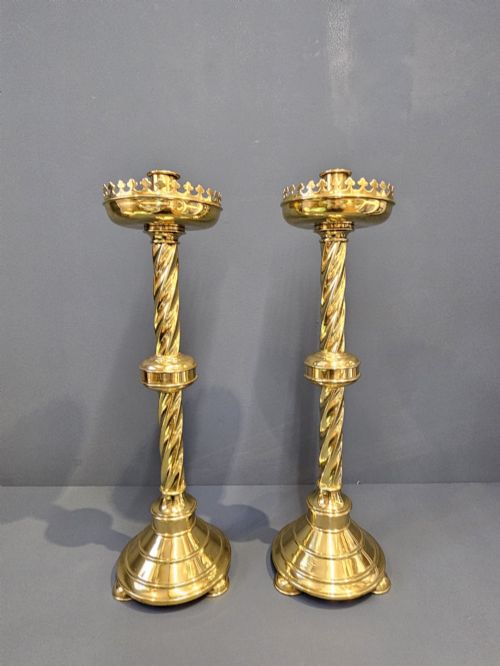
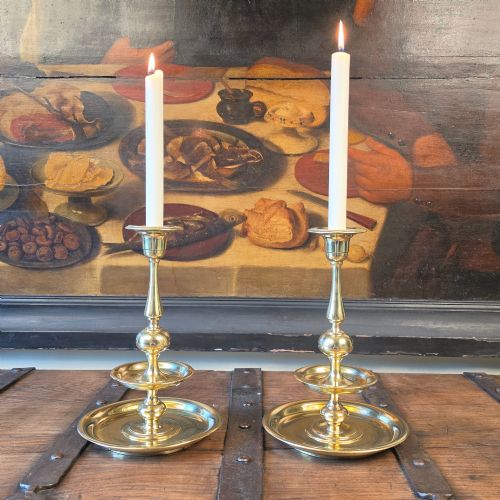
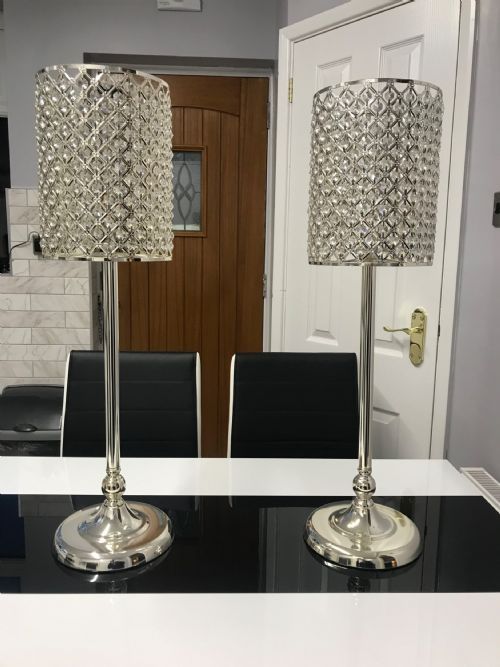
The selections available here rely heavily on heavy brass and silver plate, alongside bronze, sterling silver and turned wood variants. Buyers encounter Victorian church items and Edwardian examples alongside Georgian influences and later twentieth-century silver pieces, each pair maintaining the balanced proportions required for formal display.
How they were made
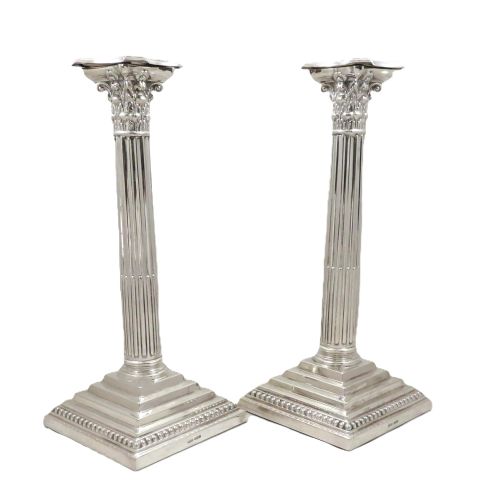
Metal items typically utilise casting, turning and seaming techniques, particularly evident in nineteenth-century brass and bronze production where components were shaped and joined by hand. Silver-plated and sterling silver examples demonstrate precision smithing, hollow-ware construction and classical column profiling.
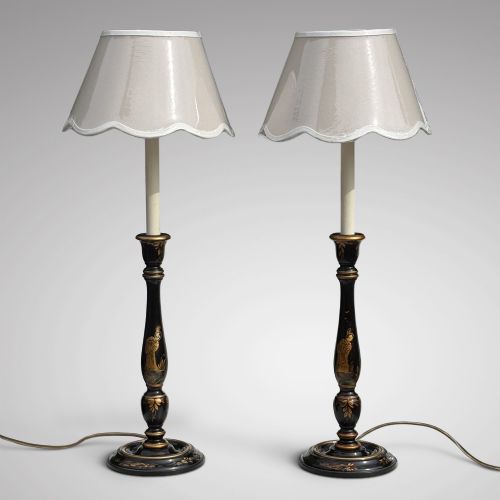
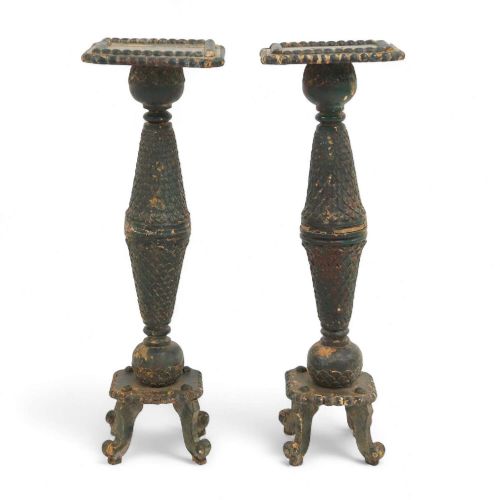
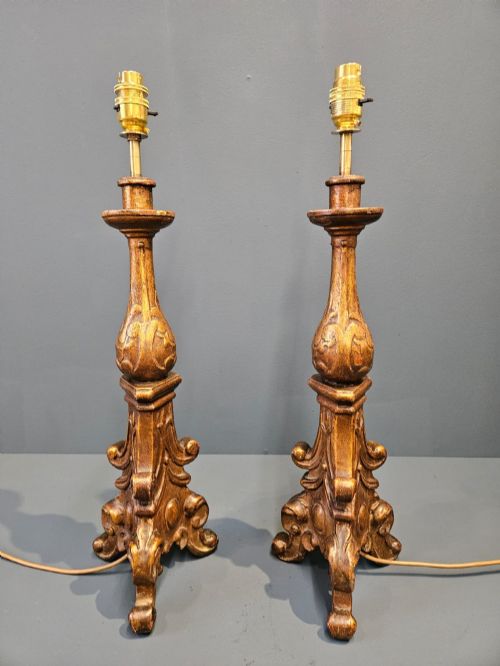
Wooden alternatives employ lathe turning, joinery and surface applications such as original green paint, gilding or clear polish to highlight the natural grain. These construction methods ensure stable vertical alignment and durability across varied domestic and ecclesiastical environments.
Listings feature brass, silver plate and turned wood materials spanning the Victorian and Edwardian periods.
What varies in quality
Subtle distinctions in casting crispness, metal thickness and proportional harmony separate ordinary items from superior examples. A heavier gauge of brass or silver plate provides better weight distribution and resistance to bending over time.
Detailing on decorative elements, such as Corinthian capitals, turned barley twists or seamed joints, reveals the level of craftsmanship invested by the maker. Original surface patination and undamaged bases further distinguish pieces that retain their integrity from those altered by modern interventions.
James Clews·Barker Ellis
The Vintage Tall Candlestick Pair Glossary
- Pricket candlestick
- A candlestick featuring a sharp central metal spike designed to impale the base of a large candle, common in ecclesiastical settings.
- Corinthian column
- A classical architectural column style adapted for candlesticks, characterised by ornate capitals decorated with acanthus leaves.
- Barley twist
- A spiral carving technique applied to wooden or cast metal stems, creating a dynamic diagonal visual rhythm.
- Grand Tour
- Souvenirs and decorative items acquired by wealthy travellers during cultural tours of continental Europe, often cast in bronze.
- Hallmark
- Official stamped markings on precious metals indicating purity, assay office and date of manufacture.
Vintage Tall Candlestick Pair: Frequently Asked Questions
How do I clean antique brass candlesticks?
Maintenance requires soft dusting to preserve the historic surface patination accumulated over decades of use. Avoid harsh chemical polishes that strip away the aged character prized by collectors.
Gentle wiping with a dry cloth keeps the metal stable. Professional conservation advice helps address heavy oxidation without damaging the original finish.
Were these pairs originally used in churches?
Many tall examples originate from ecclesiastical settings where large altars required elevated light sources. These church pieces are heavier and more substantial than domestic variants.
Their robust construction allowed them to hold thick wax candles safely during long services. Today, they adapt well to high ceilings and generous domestic hearths.
How do I date a brass candlestick pair?
Dating relies on manufacturing techniques, such as the presence of seamed construction, cast rather than extruded components, and base weight. Stylistic markers like Victorian Gothic Revival or Edwardian classical proportions provide additional clues.
Maker marks, registration lozenges and stamped hallmarks offer precise chronological reference points where available. Comparing wear patterns on the base further clarifies the age of the metal.