



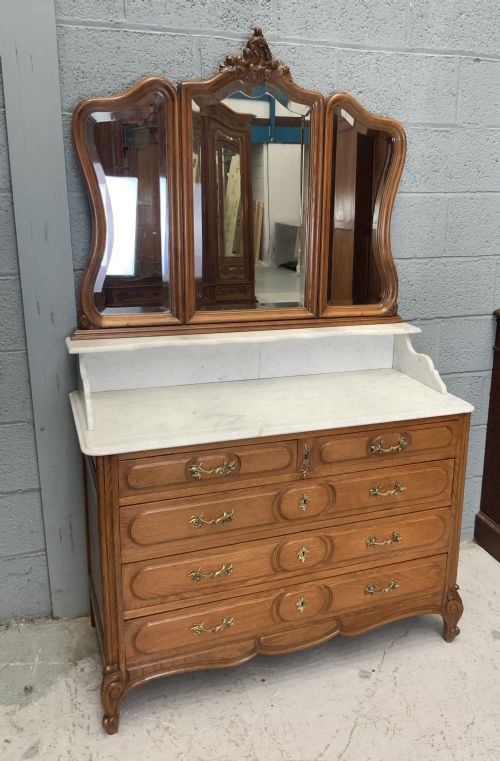


Vintage Table Top Mirror
A vintage table top mirror brings immediate focal interest to a dressing surface, combining polished timber and clear glass in forms designed for daily use.
Vintage Table Top Mirror
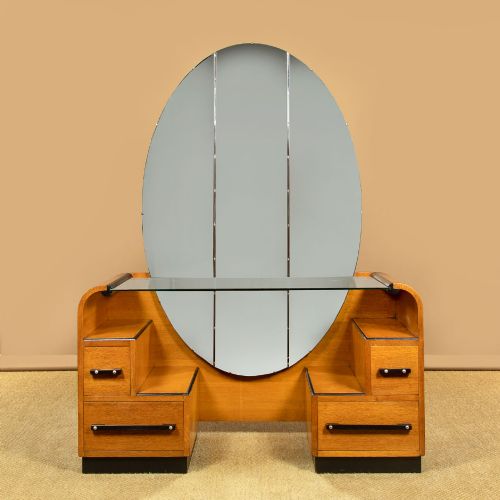
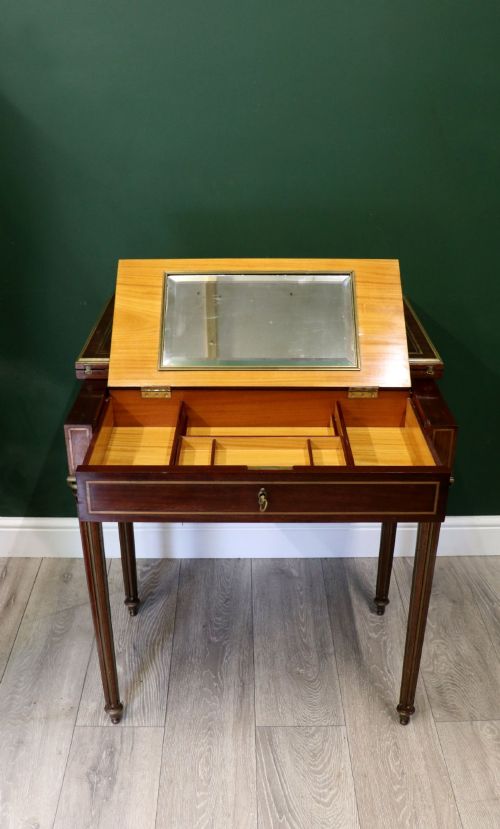
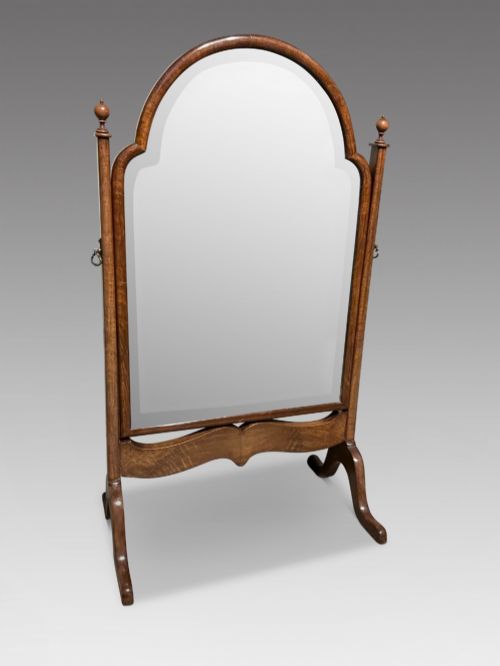
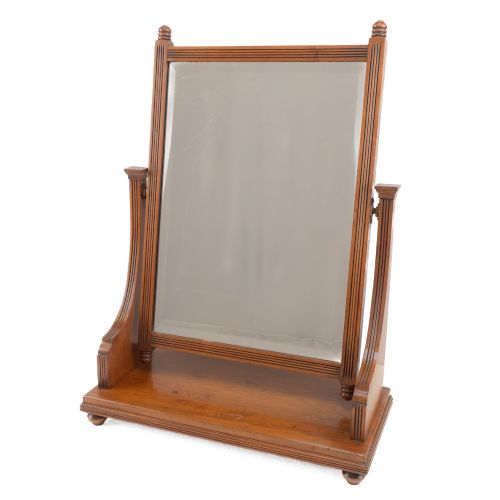
Buyers seeking a vintage table top mirror encounter diverse forms spanning the nineteenth century through the Art Deco era. The selection includes dedicated dressing mirrors, bureau mirrors with small drawers, and swing mirrors mounted on substantial wooden frames.
Most examples originate from the Victorian and Edwardian periods, alongside pieces reflecting Art Deco and Arts and Crafts aesthetics. Walnut and mahogany dominate the timber choices, frequently paired with adjustable pivots for the glass plate.
Assessing quality and craftsmanship
Quality rests in the selection of figured timbers, such as burr walnut or flame mahogany, and the crispness of any carved decoration. Solid backboards and original brass pivot screws indicate superior workshop origin rather than mass production.
The silvering on the mirror glass and the stability of the support arms dictate the practicality of daily use. Higher quality pieces maintain structural rigidity in the frame while allowing smooth adjustment of the glass angle.
Vintage Table Top Mirror Retail Price Guide 2026
Typical asking prices for vintage table top mirror among the pieces listed under this phrase on Sellingantiques today, from the lower quarter to the upper quarter. They describe what is for sale here now, not the wider market.
Listings feature eighteenth-century Queen Anne and Georgian table mirrors alongside nineteenth-century Victorian and Edwardian examples.
Whytock & Reid
The Vintage Table Top Mirror Glossary
- Swing mirror
- A glass plate hung on pivots between two upright posts, allowing the user to tilt the reflection angle. This form sits atop a dressing table or chest.
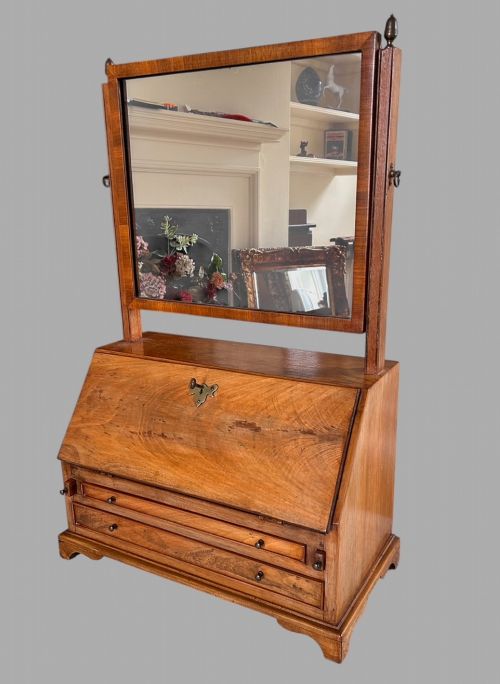
- Bureau mirror
- A compact dressing glass fitted above a small sloping desk section containing miniature drawers. These pieces combine writing utility with a mirror.
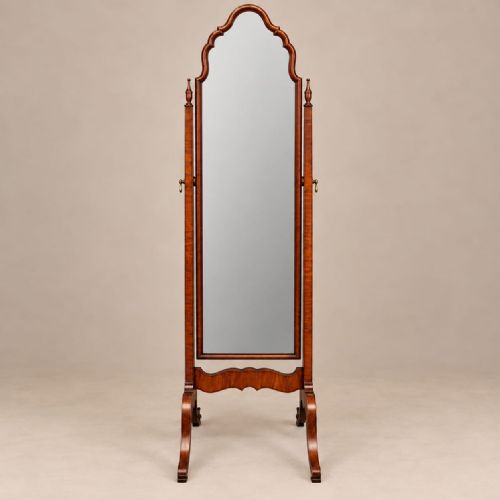
- Cheval mirror
- A full-length standing glass, though smaller adaptations sometimes appear in table top formats. The frame allows the entire plate to rotate.
- Marquetry
- Decorative veneer work created by fitting pieces of contrasting timber into a design. Artisans utilise this technique on the bases of finer Victorian and Edwardian models.
- Pivots
- The metal pins or screws securing the mirror frame to its upright supports. Original brass hardware contributes to the historical integrity of the piece.
Vintage Table Top Mirror: Frequently Asked Questions
How do I date a table top mirror?
Dating relies on timber choice, construction methods, and stylistic cues such as Victorian proportions or Art Deco geometric lines.
Examine the backboards and screw types, as hand-turned wooden knobs and old brass fittings often indicate nineteenth-century origin.
Can I replace the mirror glass?
Original glass frequently shows foxing and dark spots due to age. Many collectors tolerate minor silvering loss as proof of authenticity.
Replacement is possible if the old glass becomes unusable, though retaining the original plate preserves historical value.
Where should I place it at home?
These pieces suit dressing tables, chest of drawers, or console surfaces in a bedroom or hallway. Ensure the supporting furniture is deep enough to bear the weight safely.
Positioning the glass near a natural light source maximises its reflective function in the room.
What maintenance do wooden frames need?
Regular dusting with a dry, soft cloth prevents particle buildup on polished mahogany and walnut surfaces. Avoid harsh chemical polishes that damage antique varnishes.
Feeding the timber occasionally with appropriate wax maintains the lustre without sealing moisture into the grain.