

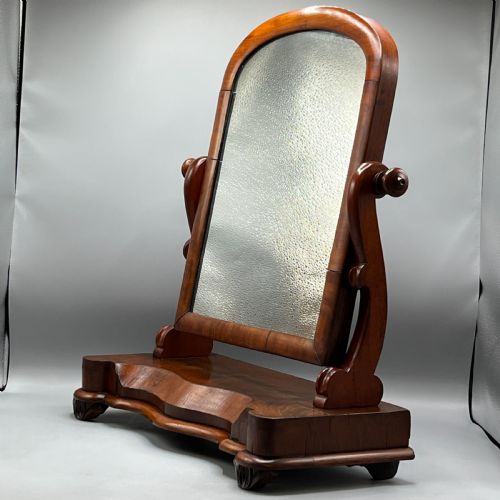


Vintage Swivel Vanity Mirror
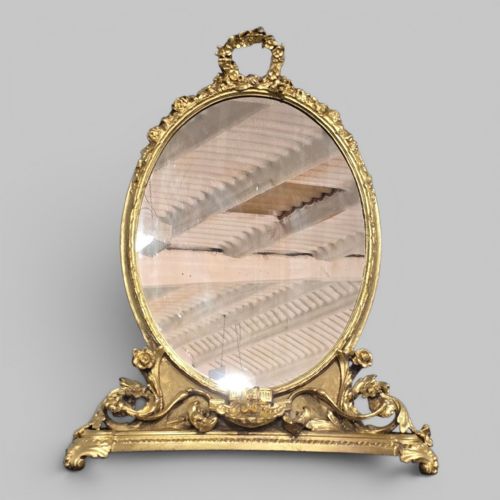
A vintage swivel vanity mirror sits on a dressing surface, offering a movable reflection framed in period wood or metal.
Vintage Swivel Vanity Mirror
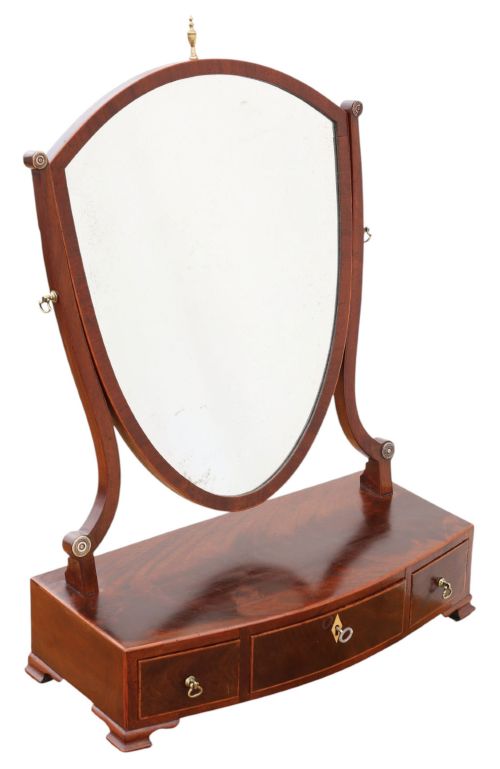
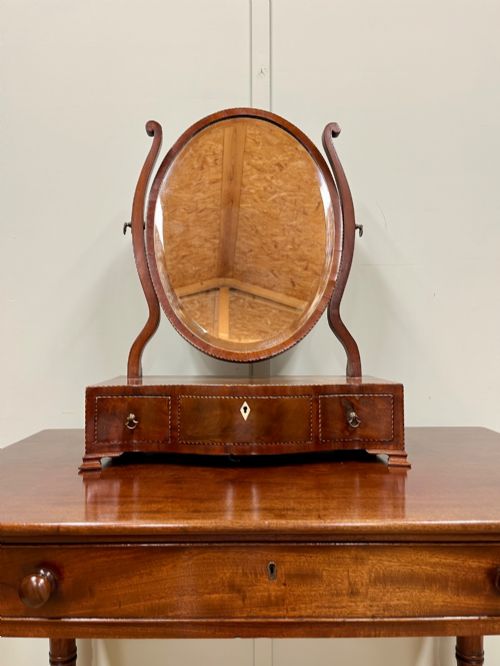
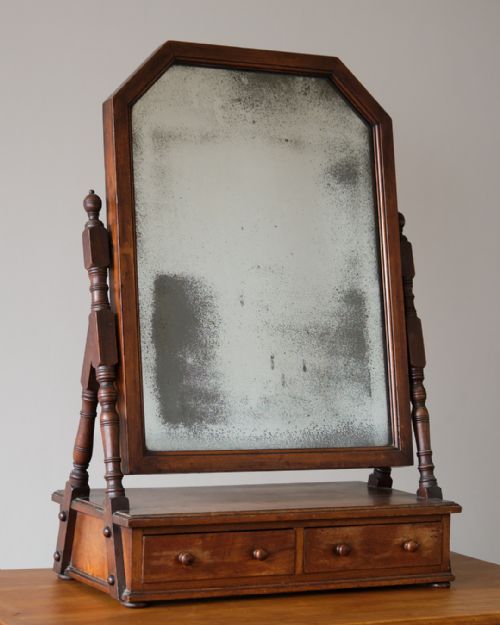
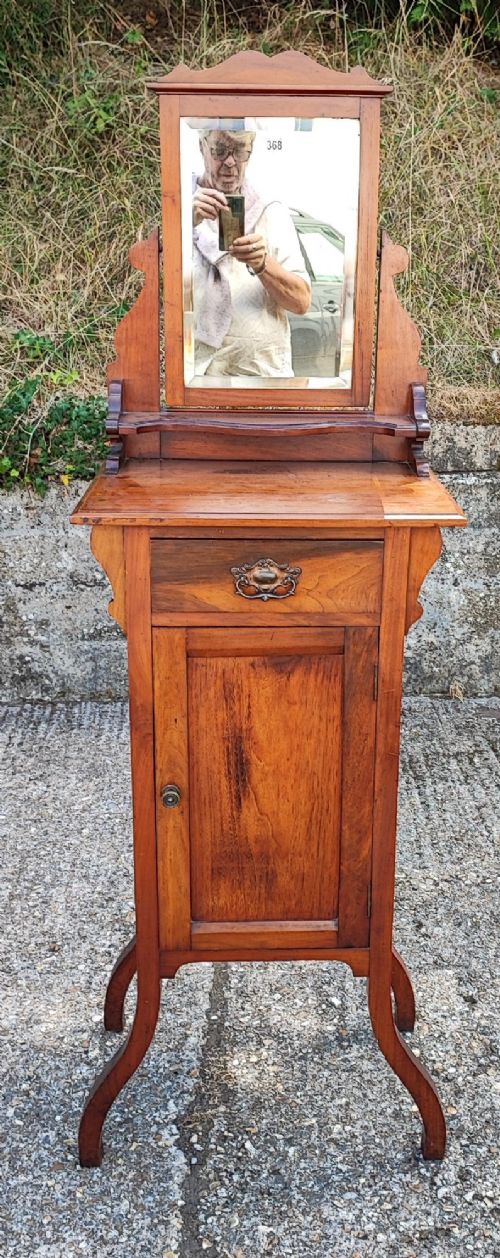
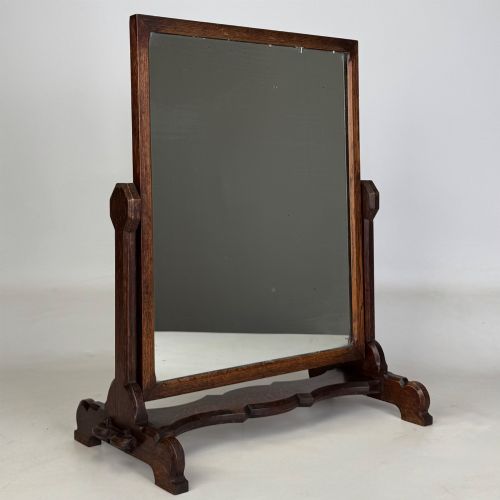
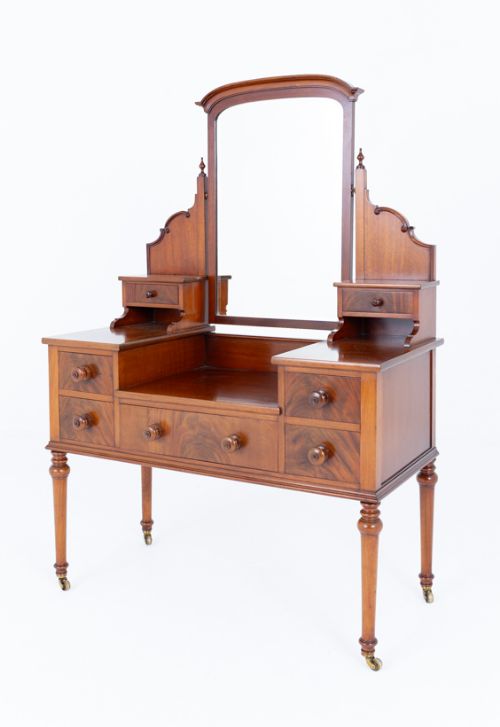
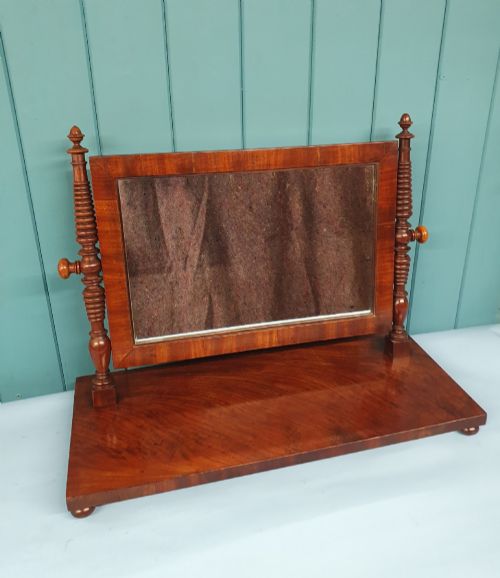
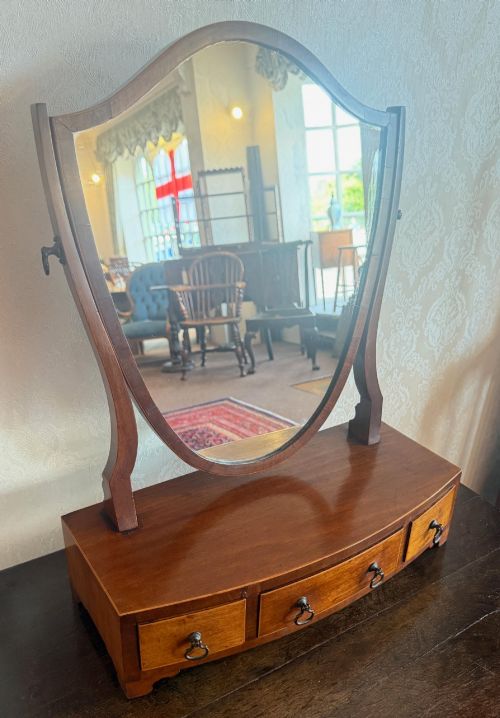
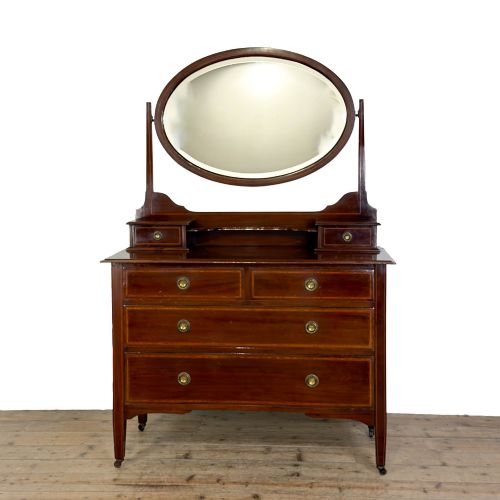
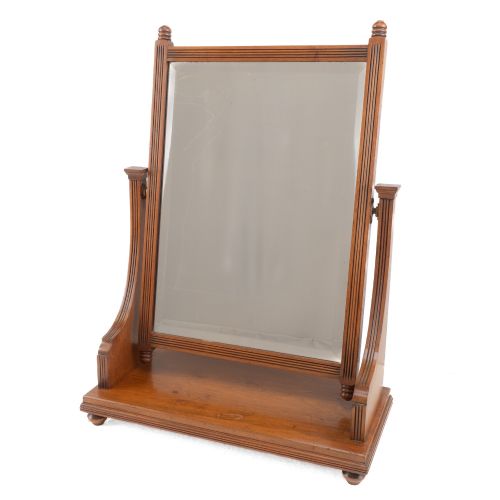
A vintage swivel vanity mirror is designed to tilt on vertical pivots within a supporting frame, allowing the user to adjust the angle of reflection. When searching for a vintage swivel vanity mirror, buyers encounter a range of forms including compact table models, larger cheval mirrors, and swing mirrors equipped with small drawer bases.
The selections span centuries of craftsmanship, featuring examples originating from the eighteenth, nineteenth, and early twentieth periods. Mahogany dominates the wooden frames, accompanied by walnut, oak, satinwood, and birch, alongside metal constructions in brass, bronze, and chrome.
Makers and retailers varied from provincial workshops to notable names like Heal and Sons, Harrods, and Thomas Rubergall of London. Styles stretch from Georgian and George II designs through Victorian, Regency, Arts and Crafts, and Edwardian interpretations up to the Art Deco era.
How they were made
Wood frames utilise solid timbers and fine veneers like mahogany and burr walnut, often shaped into shield, oval, or rectangular formats. Joinery techniques connect the mirror plate housing to upright arms mounted on sturdy box bases or feet.
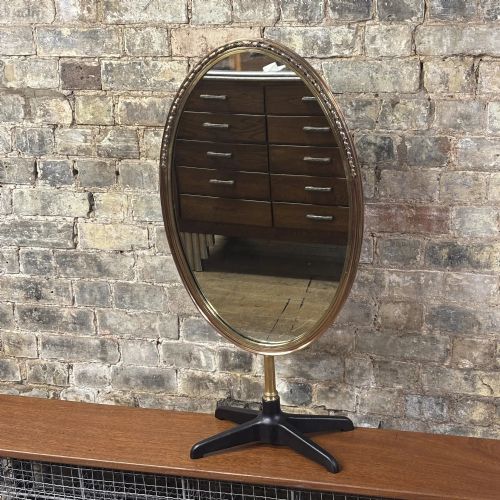
Metal versions employ cast bronze, brass, and chromed finishes, sometimes combined with materials such as green onyx or polished oak. Mirror glass is set within these frames, supported by pivoting hardware that permits the swing action.
Some nineteenth-century mirrors doubled as scientific instruments, proving that eighteenth-century morning routines required serious optics.
What varies in quality
Quality reveals itself in the selection of timber figures, the crispness of carved details like parcel-gilt accents, and the integration of functional drawers in the base. Superior examples demonstrate balanced proportions between the glass plate and its supporting structure.
The sophistication of the pivoting mechanism and the original condition of the mirror glass distinguish finer pieces. Provenance linked to documented makers or retailers adds notable weight to an item's standing.
Heal and Sons·Thomas Rubergall of London
The Vintage Swivel Vanity Mirror Glossary
- Swing mirror
- A glass plate mounted on pivots that allows the angle to tilt forward or backward. This design is also known as a toilet mirror or dressing mirror.
- Cheval mirror
- A full-length swing mirror supported by a freestanding frame with four legs. These tall pieces allow a view of the entire outfit.
- Parcel-gilt
- Partially gilded woodwork where gold leaf highlights specific carved motifs. It creates contrast against dark timbers like mahogany.
- Marquetry
- Inlaid patterns formed by fitting different wood veneers into a prepared surface. Dutch examples frequently display floral and bird motifs.
Vintage Swivel Vanity Mirror: Frequently Asked Questions
How do I date a swivel mirror?
Dating relies on observing the timber choice, construction methods, and hardware style. Georgian and Victorian pieces often show specific joinery traits and plate bevels characteristic of their eras.
Secondary indicators include the type of mirror glass and secondary woods used inside any base drawers. Comparing these elements with documented examples helps narrow down the decade of production.
Where were these mirrors placed?
These pieces sat upon dressing tables, chest of drawers, or dedicated washstands within bedrooms and dressing rooms. Smaller table versions offered portable convenience for grooming.
Larger variations stood independently on the floor or required a substantial surface to bear their weight. Their primary function remained the provision of an adjustable reflection for daily use.
What is the difference between a toilet mirror and a vanity mirror?
Historical terminology often describes table-top swing mirrors used for grooming as toilet mirrors. The phrase relates to the dressing table or toilette rather than bathroom facilities.
Modern descriptions frequently apply the term vanity mirror interchangeably to these older pieces. Both categories serve the same adjustable reflecting purpose on a bedroom surface.
Can I replace the mirror glass?
Replacing glass is possible, but collectors generally value pieces retaining their original silvered plates. Original glass often exhibits light foxing or minor age spots that confirm period authenticity.
When a plate is cracked or entirely lost, modern replacement restores functionality while altering historical integrity. Professional restorers can source antique-style glass to match the period aesthetic.