
Vintage Swiss Pocket Watch
A vintage swiss pocket watch offers precise mechanical timekeeping from the early twentieth century, combining traditional horology with classic styles.
Understanding a vintage swiss pocket watch
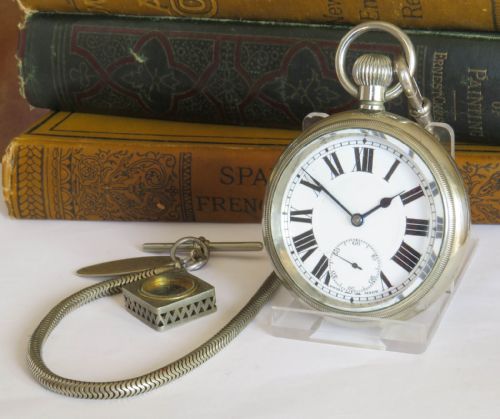
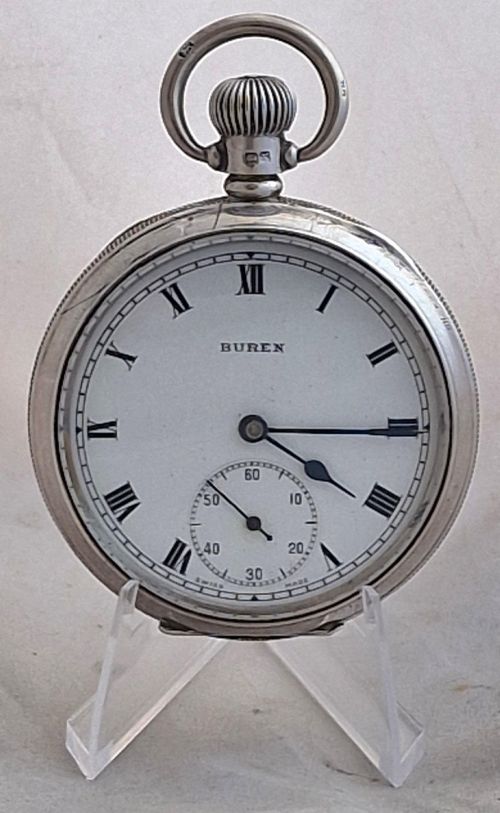
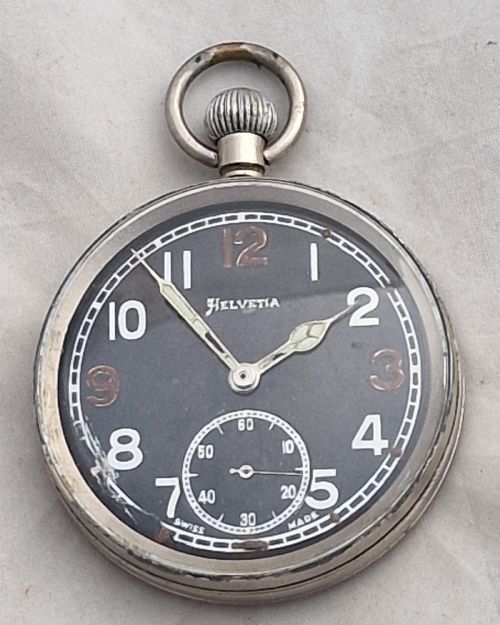
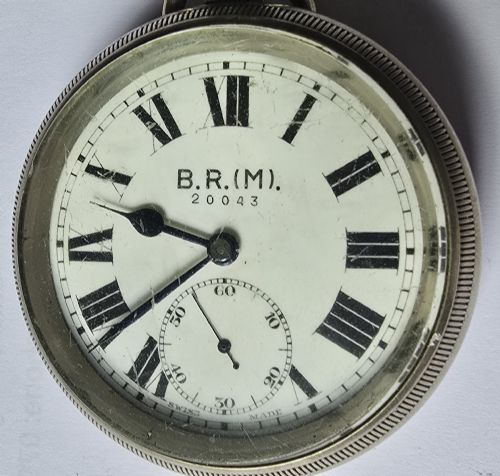
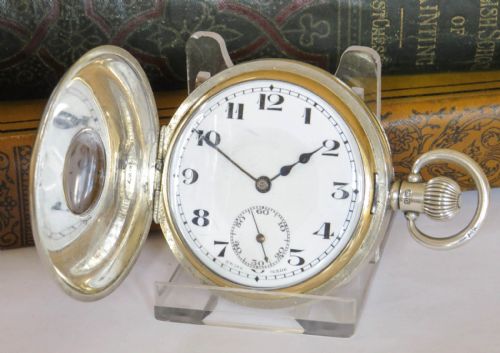
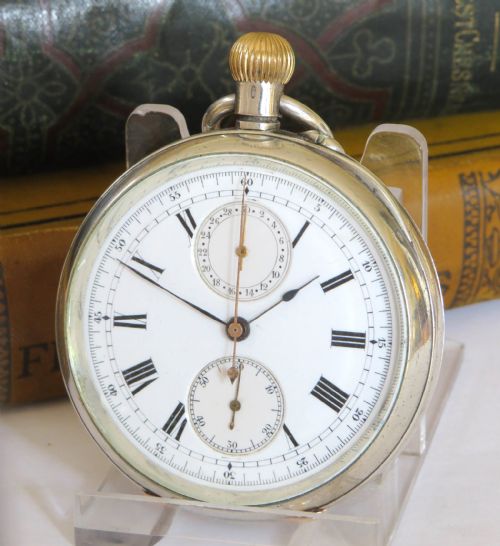
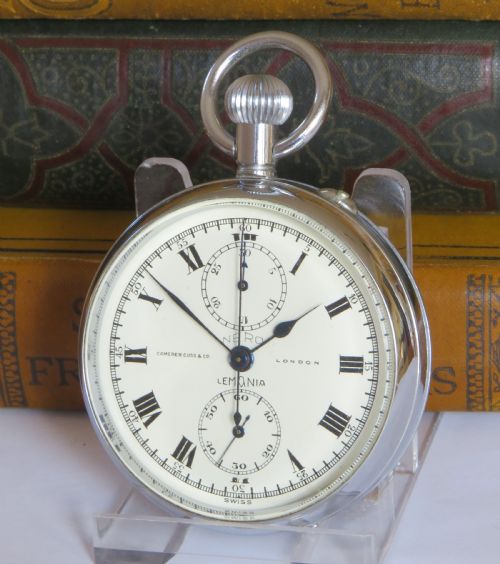
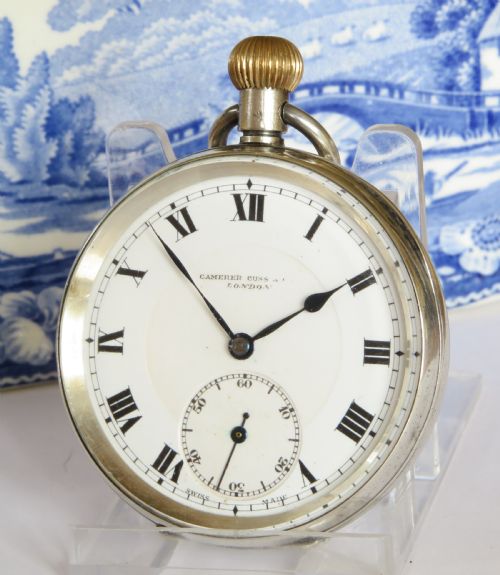
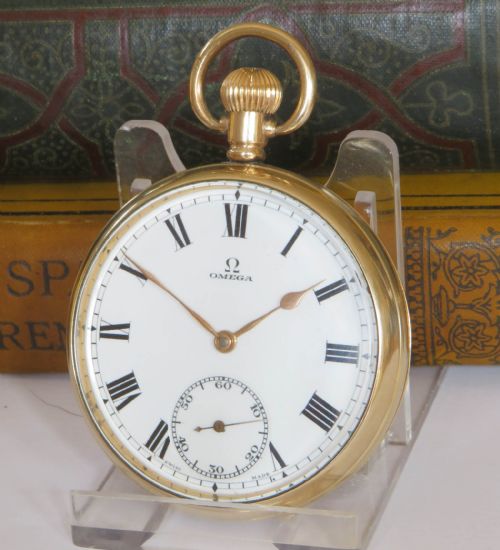
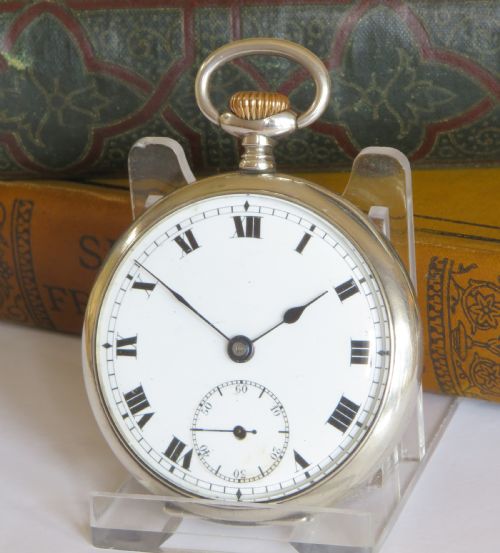
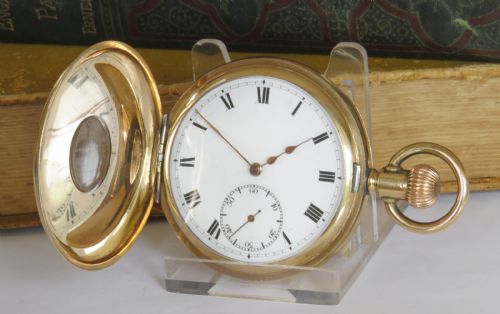
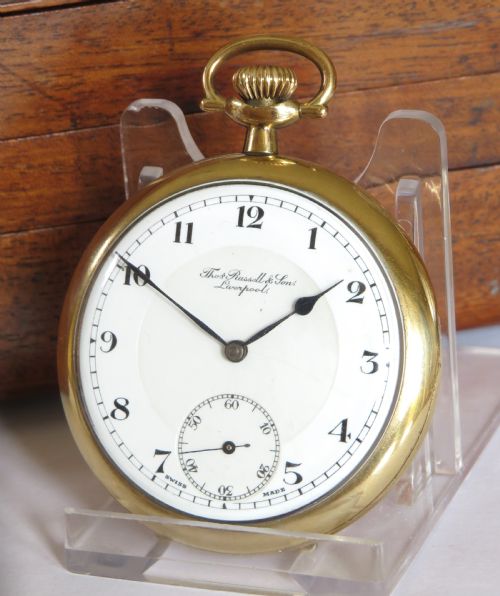
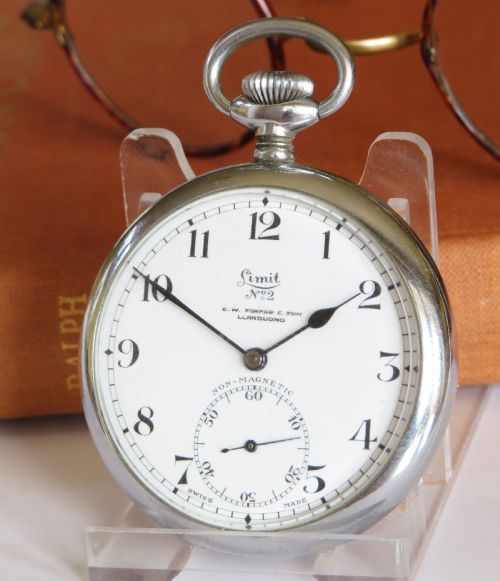
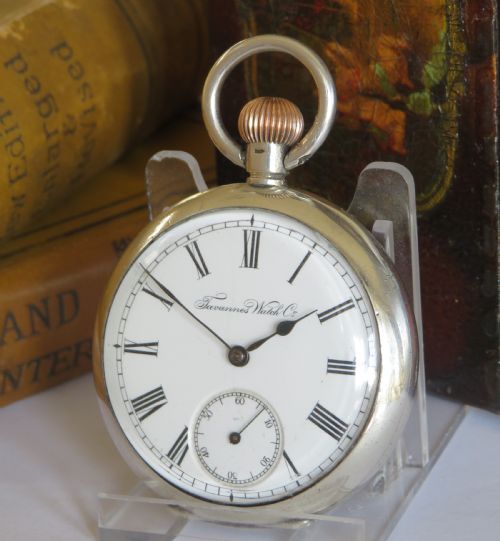
A vintage swiss pocket watch represents a period of fine mechanical craftsmanship spanning from the nineteen-tens through to the nineteen-forties. These timepieces take forms such as open faced designs, full hunter pieces with protective metal covers, and half hunter variants featuring a small glass window.
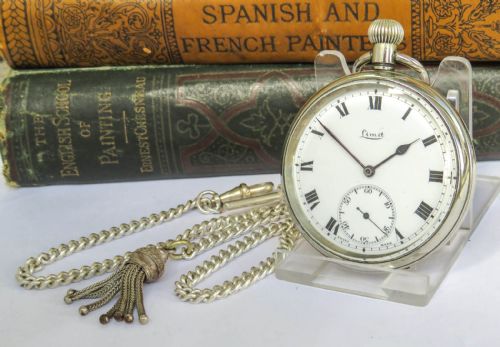
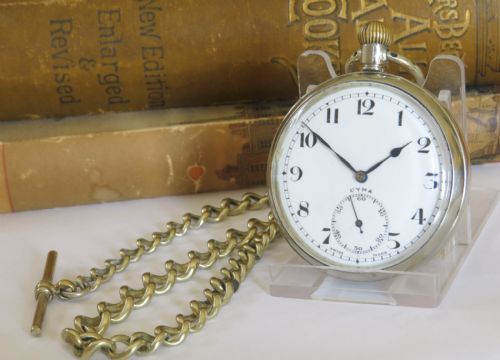
The selections encountered here frequently originate from the nineteen-twenties and nineteen-thirties, reflecting Art Deco influences and Edwardian elegance. Many examples appear alongside albert chains or matching fobs, preserving the complete pocket-worn ensemble of the era.
Makers and retailers represented across these horological items include Omega, Cyma, Bravingtons Renown, Meyer and Studeli, and Lanco. Buyers seek these objects for their mechanical reliability, distinct dial typography, and enduring association with early twentieth-century dress.
Materials and construction
Cases utilise a variety of metals suited to daily use and formal wear alike, ranging from solid silver and nickel to brass, gun metal, and steel. Many pieces employ gold plate, gold filled layers, or ten-carat gold to achieve a richer appearance.
Dials frequently feature enamel surfaces paired with delicate glass crystals to protect the hands and numerals. Internal movements rely on stem winding mechanisms or button wind configurations, engineered by Swiss watchmakers to maintain steady performance.
Retail Price Guide 2026
Typical UK retail prices for vintage swiss pocket watch, calculated from the Sellingantiques database of over a million retail prices indexed since 2003. This retail price guide relies exclusively on Sellingantiques data; no external sources or auction records are used, so the figures do not describe the wider market.
Listings feature pieces spanning from the nineteen-tens to the nineteen-forties, constructed in silver, gold plate, nickel, brass, and steel.
Assessing quality and finish
Quality in these mechanical pieces rests upon the fineness of the case metal and the preservation of the enamel dial. Solid silver or gold filled housings distinguish superior examples from simpler brass or nickel versions.
The presence of original paired elements, such as a matching albert chain or specialised hunter covers, elevates the completeness of the object. Finer items retain crisp dial markings and clean glass bezels that showcase the underlying movement.
Omega·Cyma·Bravingtons Renown·Meyer and Studeli·Lanco
The Vintage Swiss Pocket Watch Glossary
- Full hunter
- A pocket watch featuring a spring-loaded metal cover that encloses and protects the glass dial. Depressing the crown typically releases the lid.
- Open faced
- A watch design lacking a protective front cover, exposing the glass crystal and dial directly to view.
- Albert chain
- A short length of chain used to secure a pocket watch to a waistcoat or jacket buttonhole, often accompanied by a pendant or fob.
- Stem winding
- A mechanism allowing the watch to be wound via the crown positioned at the top of the case rather than through a separate key.
Frequently Asked Questions
How do I wind a mechanical pocket watch?
Wind the watch gently by turning the crown clockwise between your thumb and forefinger until you feel resistance.
Avoid over-winding the mainspring, as this can place unnecessary tension on the internal components of the movement.
What is the difference between a hunter and open face watch?
A hunter watch includes a hinged metal lid that completely covers the glass face for added protection during daily wear.
An open face watch leaves the dial exposed at all times for quick and immediate time reading.
How do I attach an albert chain?
Fasten the T-bar end of the chain through a buttonhole on your waistcoat or jacket.
Secure the watch itself to the swivel clasp and slip it safely into the corresponding pocket.
What metals were commonly used for these watch cases?
Cases were manufactured from sturdy materials such as sterling silver, nickel, brass, gun metal, and steel.
More decorative versions utilised gold plate, gold filled layers, or solid gold configurations.