
Vintage Swiss Gold Watch
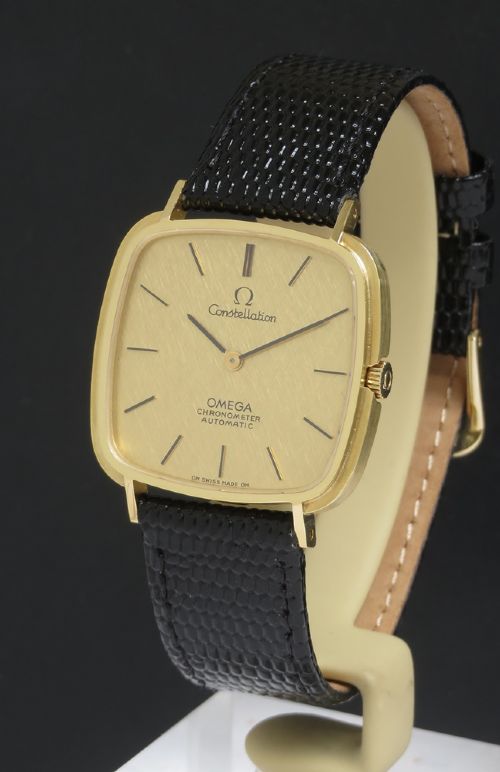
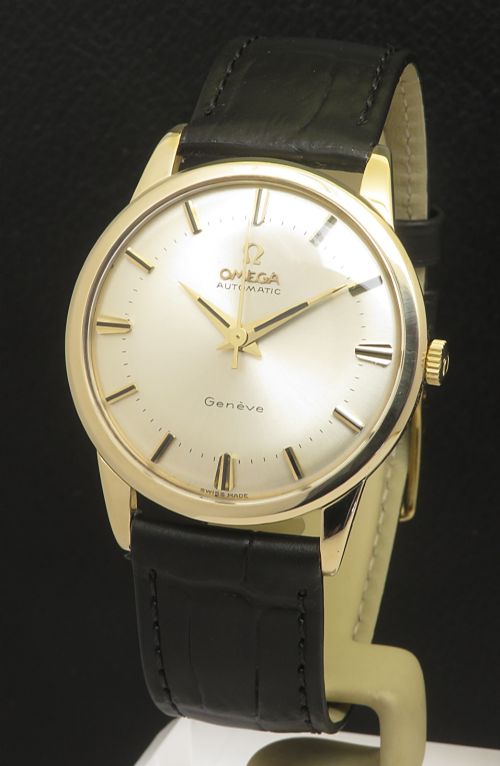
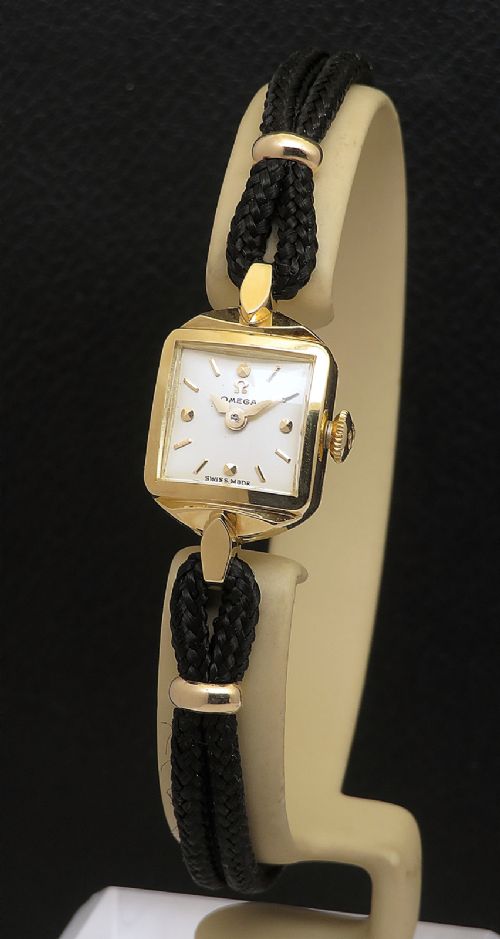
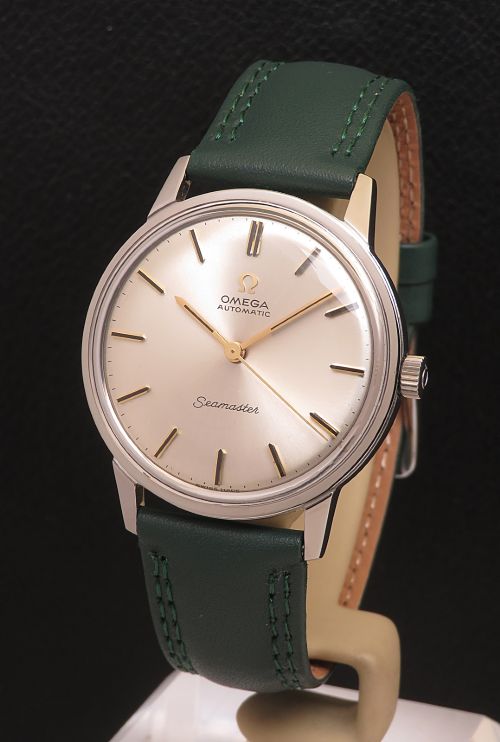
A vintage swiss gold watch carries the precision of traditional horology inside a warm precious metal case, offering timeless daily wear for collectors.
Vintage Swiss Gold Watch
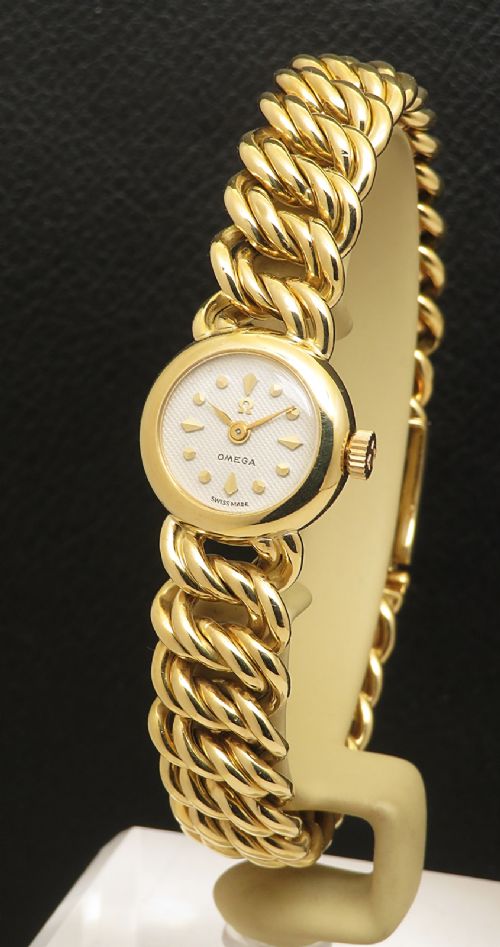
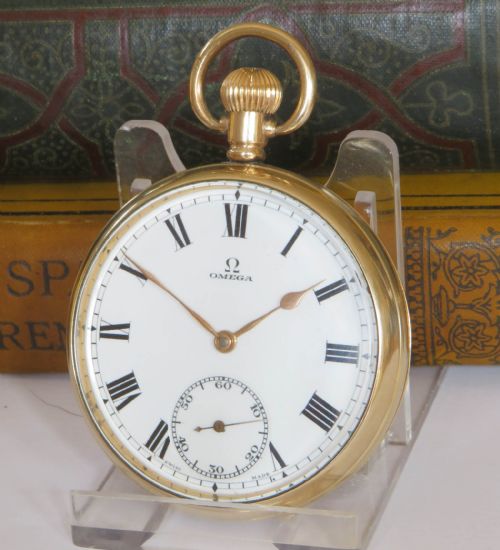
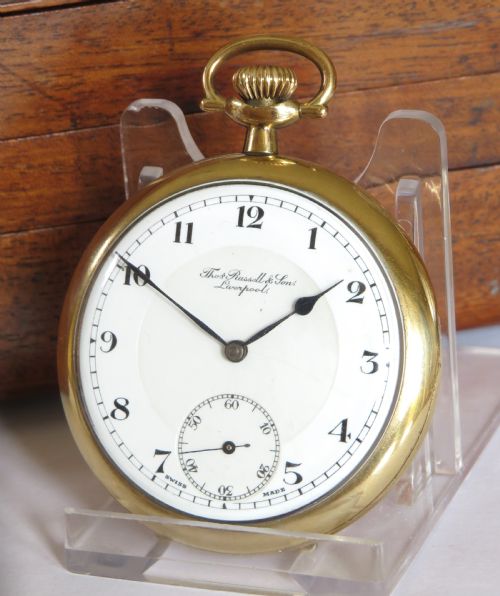
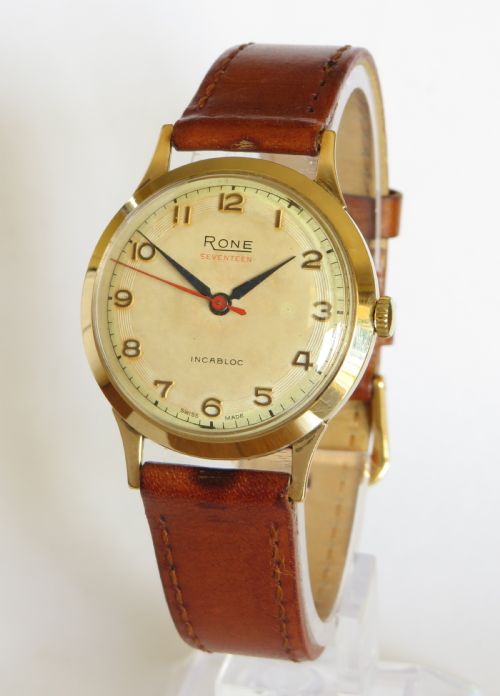
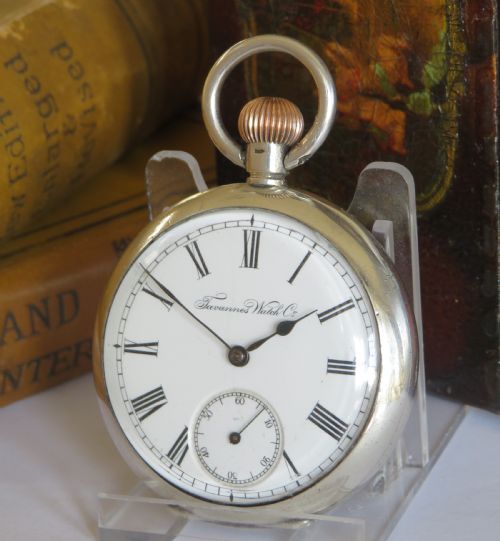
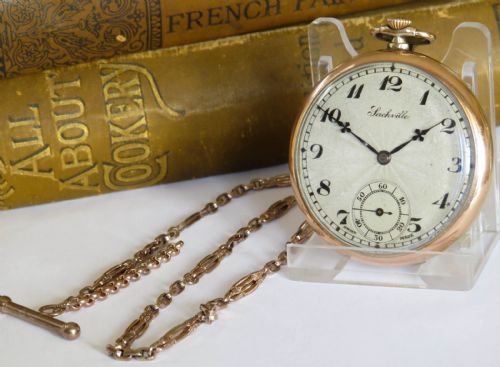
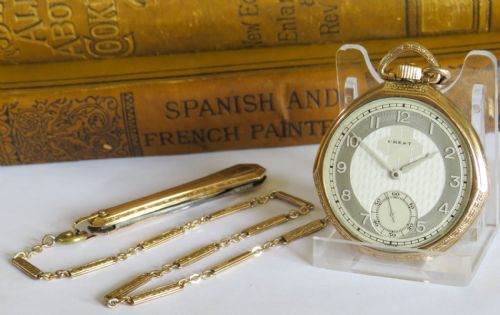
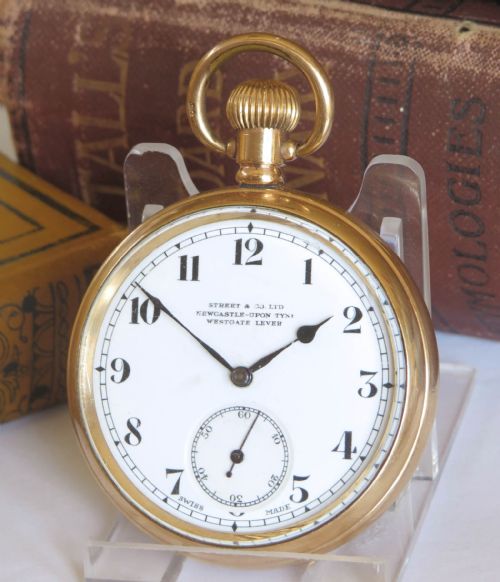
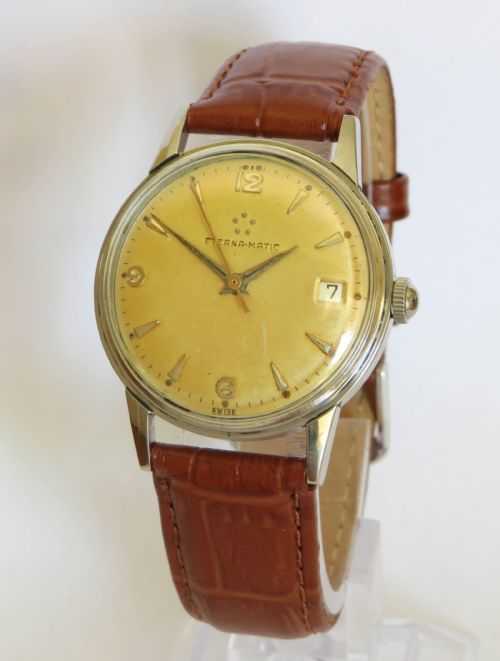
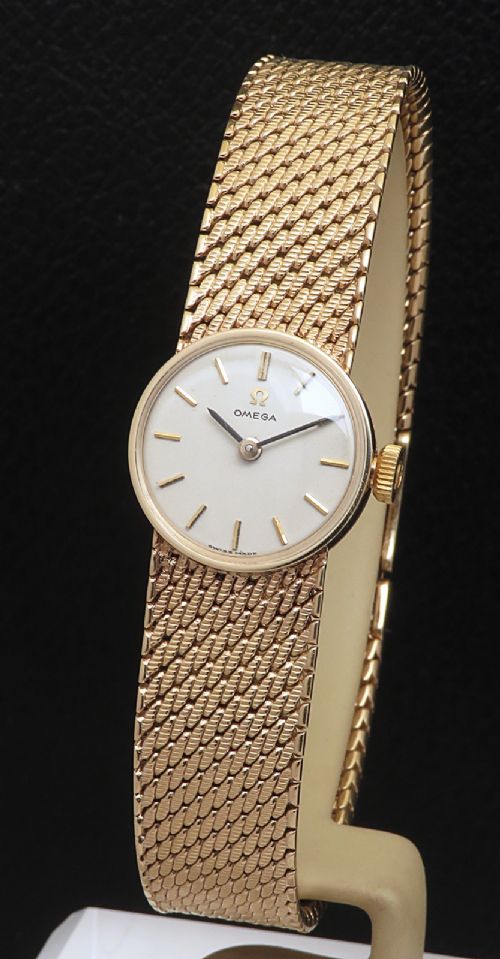
When searching for a vintage swiss gold watch, buyers encounter a mix of refined wristwatches and traditional pocket watches spanning from the Victorian era through the mid-century modern period. These pieces originate from established Swiss workshops and international makers, showcasing enduring mechanical designs housed in precious metal or gold-plated casings.
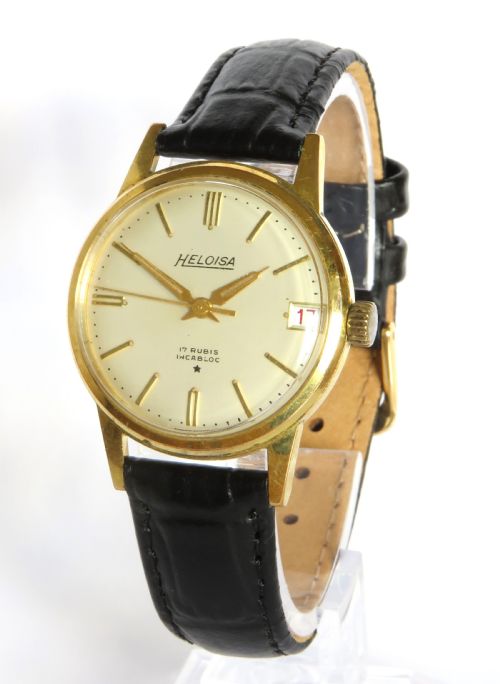
Wristwatches dominate the selection, frequently appearing alongside pocket watches from the early twentieth century. Examples range from simple dress pieces to robust automatic chronometers, reflecting the evolving tastes of twentieth-century horology across decades such as the 1950s and 1960s.
Materials and construction
Makers utilised solid 9ct and 18ct gold alongside gold plate and gold fill to construct durable outer cases. Glass and acrylic glass protected the dials, while leather straps completed the traditional assembly for wrist-worn variants.
Internal movements relied on intricate mechanical engineering, featuring manual wind and automatic calibres. Enamel details often adorned dials and pocket watch cases, combining functional utility with decorative restraint.
Listings span from 1900 to 1960, incorporating styles from Victorian and Edwardian periods through to Mid-Century Modern designs.
Markers of quality
Quality differentiates by the purity of the metal casing and the sophistication of the internal movement. Solid gold examples command greater attention than gold-plated alternatives, while chronometer-grade movements represent higher standards of timekeeping precision.
The presence of original packaging, documentation, and unaltered dials elevates an item's standing. Intricate complications and refined finishing on the movement bridges further separate standard utility pieces from exceptional collector examples.
Omega·IWC·Zenith·Tavannes·Baume And Mercier·Bulova
The Vintage Swiss Gold Watch Glossary
- Chronometer
- A high-precision watch that has passed official accuracy tests, often certified by independent observatories. These movements represent the pinnacle of mechanical timekeeping.
- Calibre
- The specific manufacturer's designation for a particular watch movement design. This term helps identify the exact internal mechanics housed within the case.
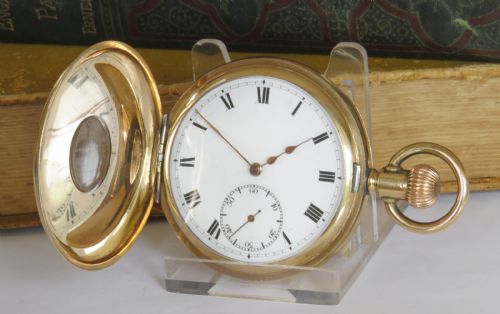
- Half hunter
- A pocket watch featuring a case with a glass or open centre panel on the outer cover, allowing the user to read the time without opening the case. The hours are frequently marked on the outer metal rim.
- Automatic
- A self-winding mechanical movement that uses the natural motion of the wearer's wrist to power the mainspring. This mechanism removes the need for daily manual winding.
Vintage Swiss Gold Watch: Frequently Asked Questions
How do I wind a mechanical watch?
Turn the crown clockwise between your thumb and forefinger until you feel gentle resistance. Stop immediately to avoid damaging the internal mainspring.
For automatic models, normal daily wear provides sufficient power, though a few manual turns help kickstart the movement if it has stopped.
Can I wear my vintage watch daily?
Many models suit regular daily wear provided they receive proper mechanical servicing and avoid harsh impacts.
Care should be taken with older water resistance ratings, as vintage seals rarely protect against modern water exposure.
What is a gold filled case?
A gold-filled case consists of a thick layer of solid gold mechanically bonded to a base metal core. This construction offers greater durability and gold thickness than standard gold plating.
Such cases maintain their appearance across decades of regular handling.
How do I date my watch?
Dating relies on internal movement serial numbers matched against manufacturer production records. Hallmarks stamped inside precious metal cases also provide clues to the year of manufacture.
Stylistic cues such as dial typography and case geometry help narrow down the production era.