

Vintage Swing Dressing Mirror
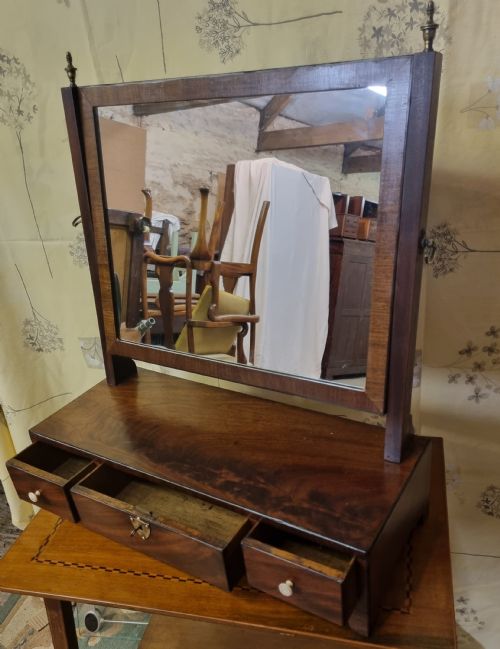
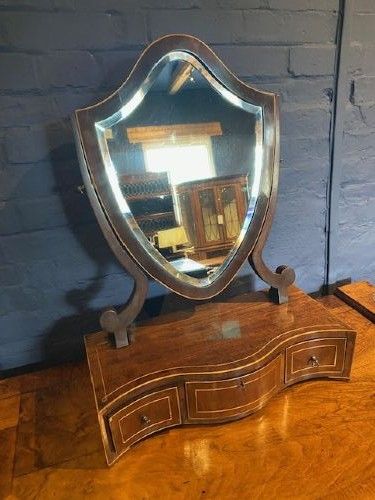
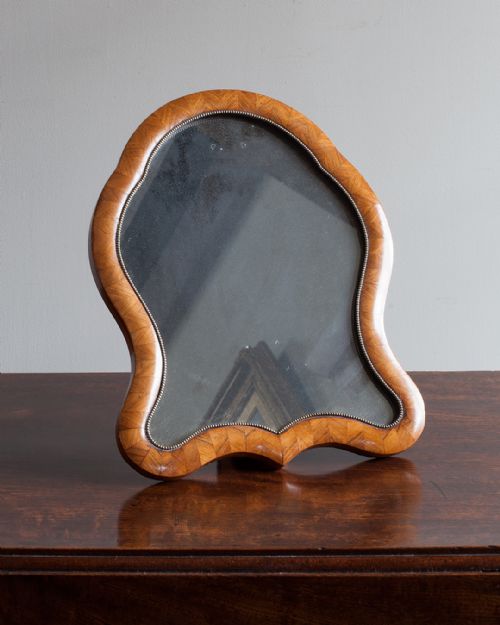
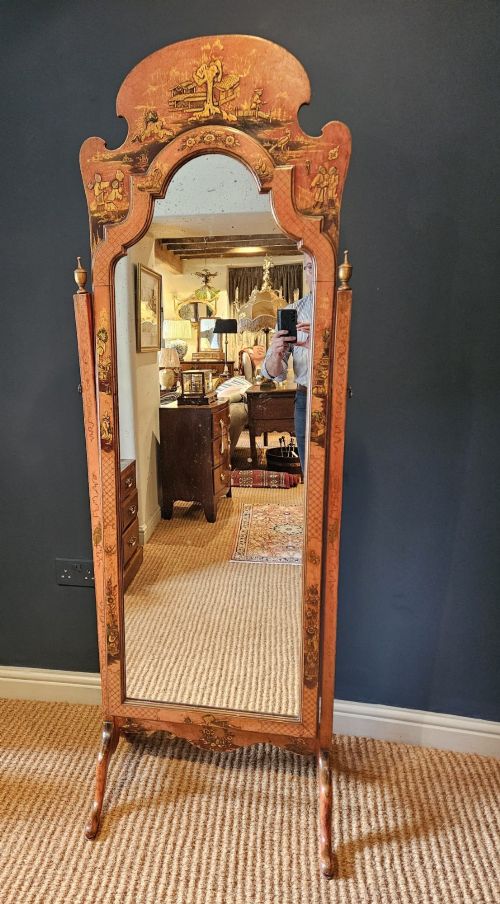
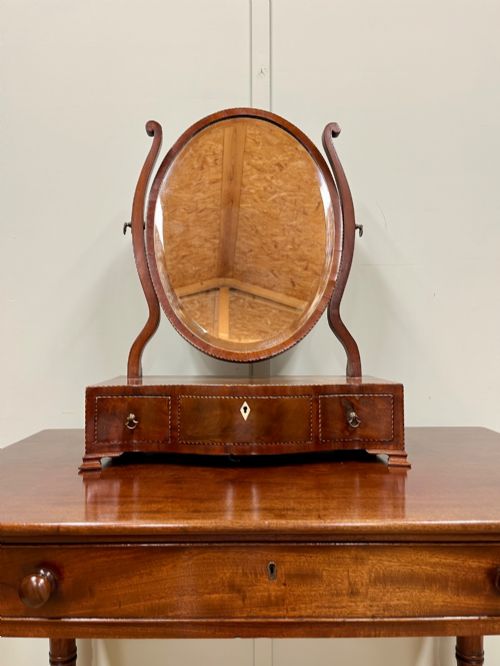
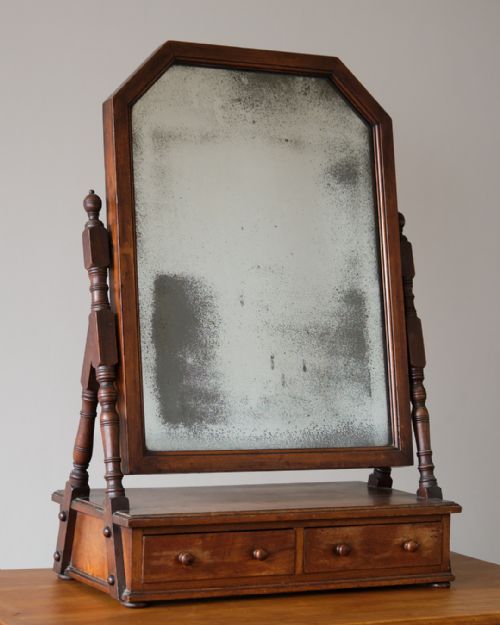
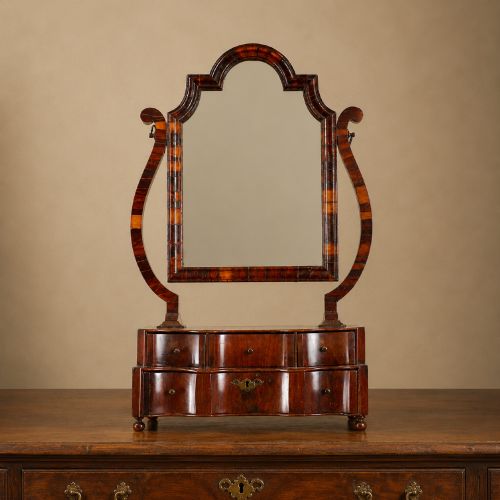
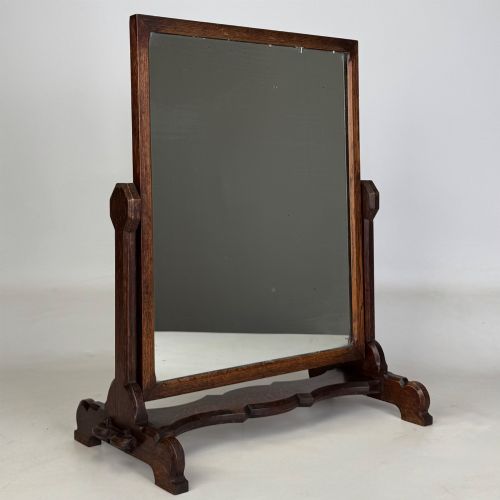
A vintage swing dressing mirror provides an adjustable glass surface for grooming, appearing across this page in mahogany, walnut, and satinwood forms.

Vintage Swing Dressing Mirror
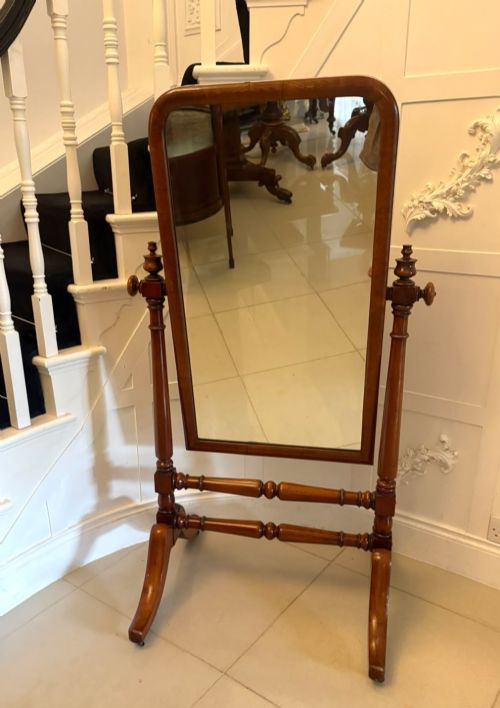
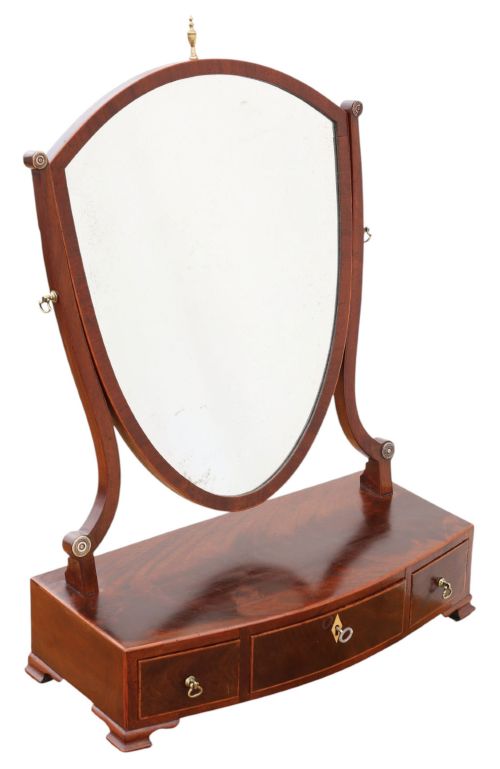
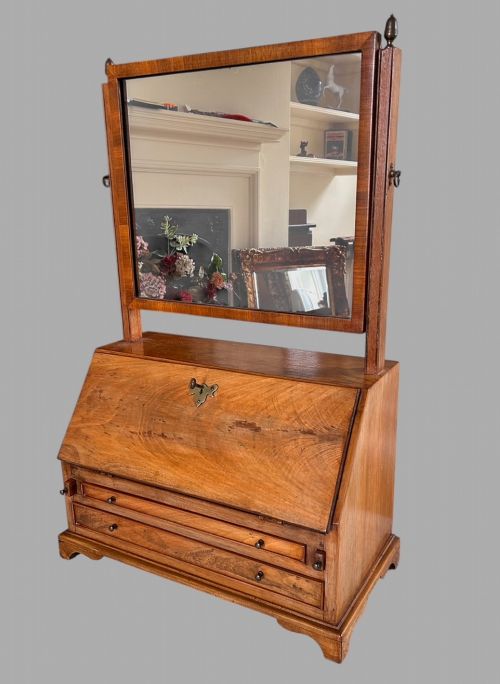
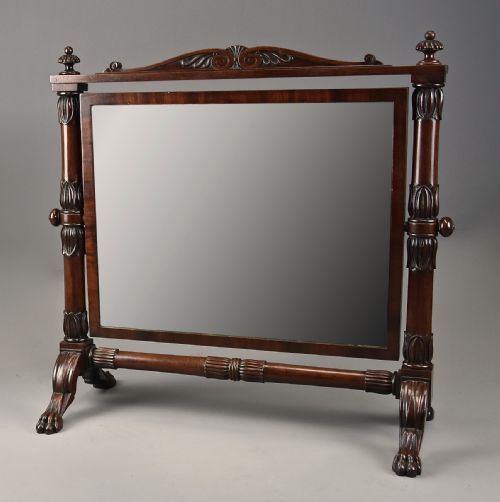
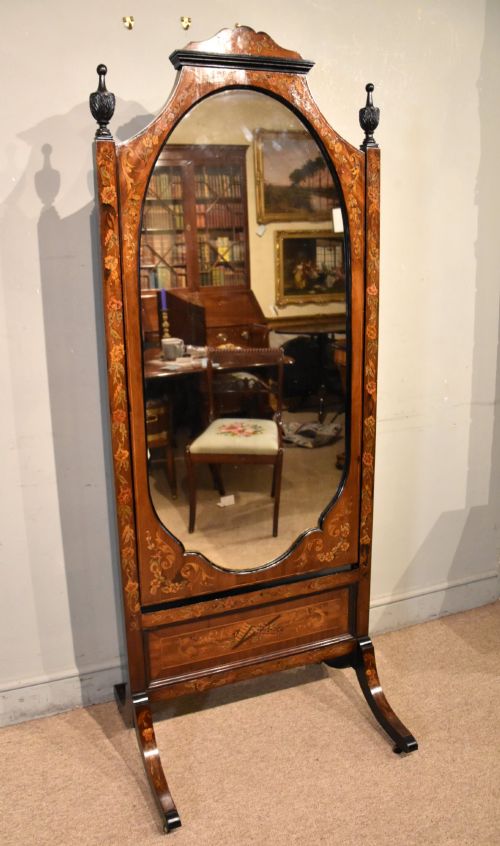
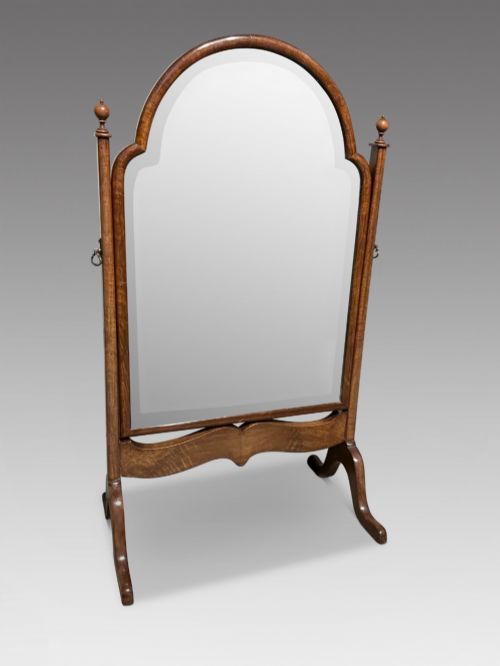
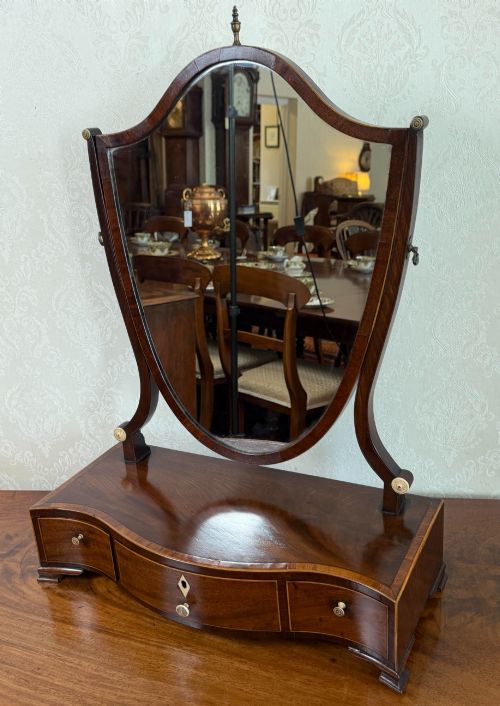
A vintage swing dressing mirror serves as a functional piece for the bedroom, pivoting within a vertical frame to adjust the angle of reflection. Buyers searching for a vintage swing dressing mirror encounter various formats, ranging from compact tabletop designs with fitted drawers to substantial freestanding cheval mirrors.
The selections span multiple eras, including Georgian, Victorian, Edwardian, and Regency periods. Tabletop toilet mirrors and larger floor-standing cheval versions dominate the available inventory, often incorporating small storage boxes or drawers beneath the glass.
Materials and construction
Cabinetmakers constructed these pieces primarily using solid hardwoods and decorative veneers such as mahogany, walnut, satinwood, and kingwood. Frames frequently feature crossbanding, boxwood stringing, or marquetry inlay to enhance the primary timber grain.
Support structures rely on brass pivots, hinges, and candle sconces where applicable. Glass plates are set within adjustable frames, sometimes supported by scrolling arms or upright pedestals resting on shaped plinths and bracket feet.
Listings feature timbers including mahogany, walnut, satinwood, and oak across 18th, 19th, and early 20th-century periods.
Evaluating craftsmanship
Quality rests in the selection of figured timber veneers, the crispness of inlaid details, and the robustness of the pivoting mechanism. Superior examples display finely dovetailed drawer construction and well-proportioned mirror frames that bear the weight of the glass without sagging.
The integrity of the frame assembly and the original brass hardware distinguish finer workshops from standard production pieces. Variations also appear in the depth of the mirror plate bevelling and the stability of the support arms.
P & MA Nicholson·Heal & Sons
The Vintage Swing Dressing Mirror Glossary
- Cheval mirror
- A large, freestanding floor mirror mounted on a vertical swivel frame. This design allows the full reflection of a person to be seen.
- Toilet mirror
- A smaller tabletop mirror, often equipped with a base containing small drawers. These were traditionally placed on dressing chests or tables.
- Crossbanding
- A strip of veneer applied perpendicularly to the grain of the surrounding wood. It creates a decorative border around the edge of a mirror frame or drawer front.
- Parquetry
- Geometric wood inlay patterns forming decorative surfaces. It frequently appears on Dutch and continental examples.
- Parcel-gilt
- Woodwork or metal elements partially decorated with gold leaf. This technique highlights carved mouldings and decorative accents.
Vintage Swing Dressing Mirror: Frequently Asked Questions
What is a swing dressing mirror?
A swing dressing mirror is an adjustable glass plate mounted on pivots within a frame. It tilts forward or backward to suit the user during grooming.
These pieces range from small tabletop boxes with drawers to large floor-standing cheval mirrors designed for bedrooms and dressing rooms.
How do I date a mirror?
Dating relies on timber choices, construction techniques, and hardware styles. Georgian pieces often feature mahogany with fine dovetailing, while Victorian examples introduce heavier proportions and burr walnut.
Looking at the backboards, screw types, and bevelled glass edges helps narrow down the period of manufacture.
Where should I place it?
Tabletop versions sit comfortably on top of chests of drawers, sideboards, or dedicated dressing tables. They require a stable surface with enough depth to support the feet.
Freestanding cheval mirrors stand directly on the floor, working well in bedrooms or dressing areas where full-length reflections are useful.
Are the mirror plates original?
Many older mirrors retain their original glass, which can exhibit light foxing or silvering loss. Replacement glass sometimes occurs during restoration work.
Checking the thickness of the glass and how it is secured into the rebate provides clues about its age relative to the frame.