

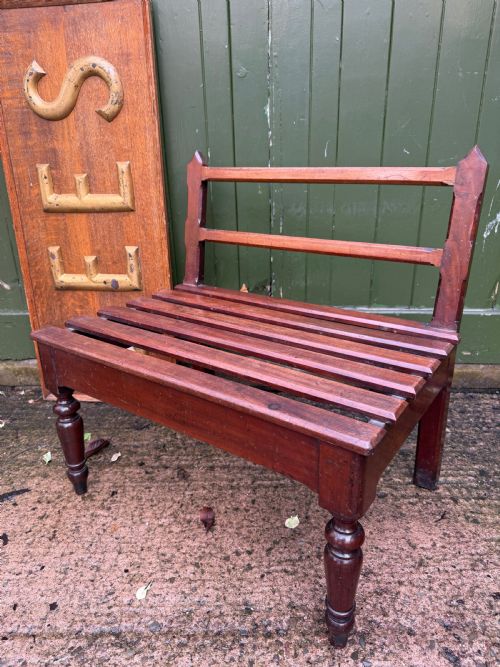


Vintage Suitcase Rack
A vintage suitcase rack is a sturdy piece designed for holding heavy bags, combining practical utility with traditional craftsmanship.
Vintage Suitcase Rack
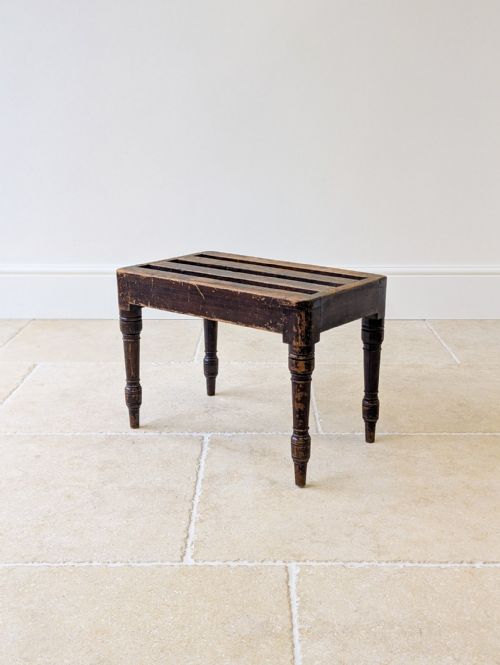
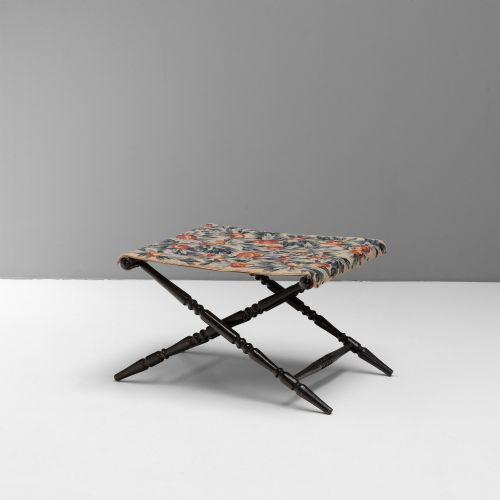
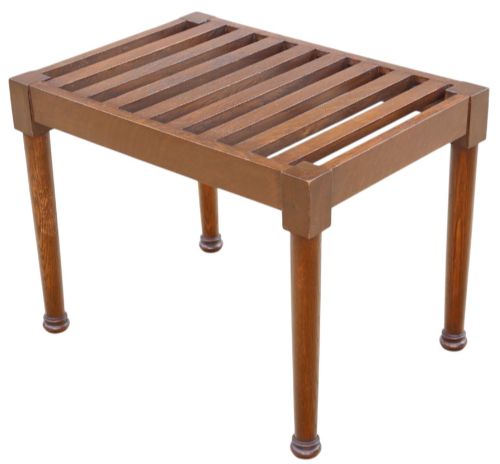
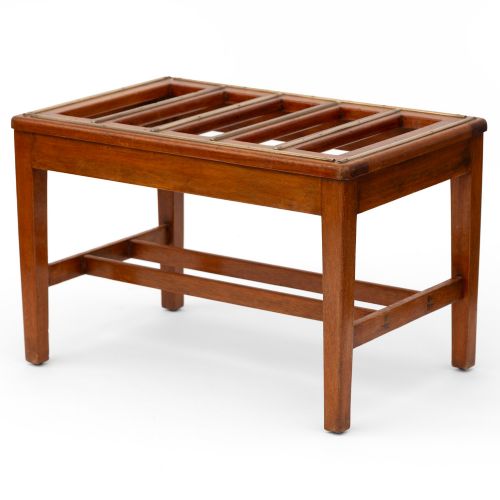
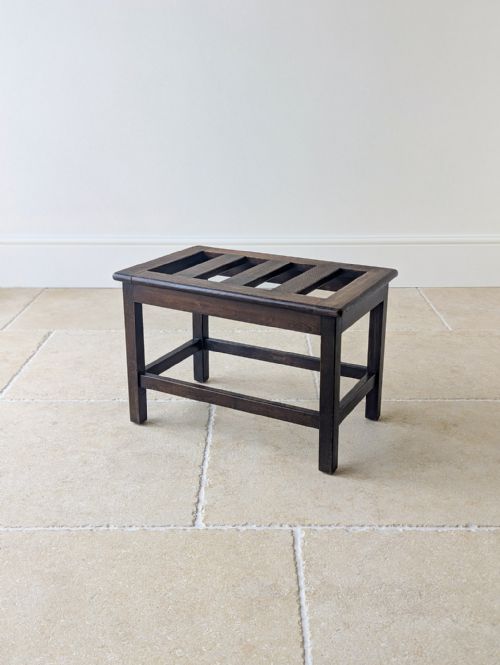
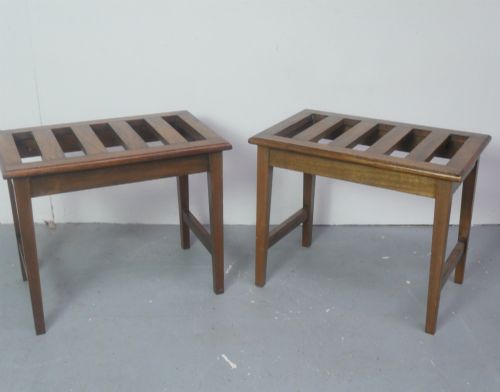
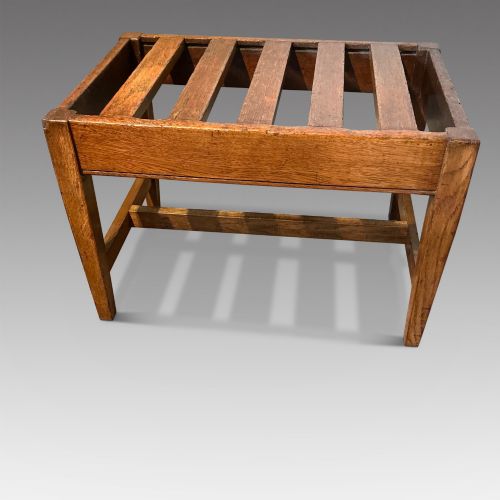
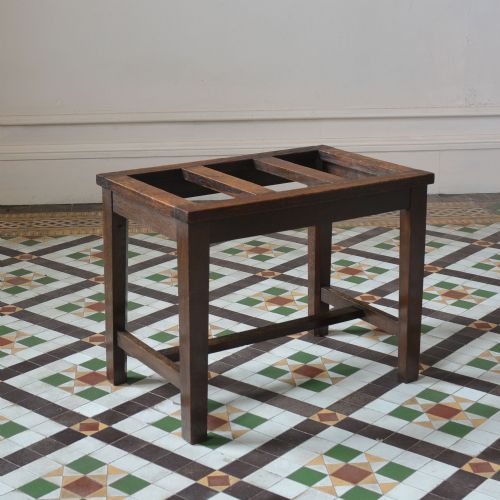
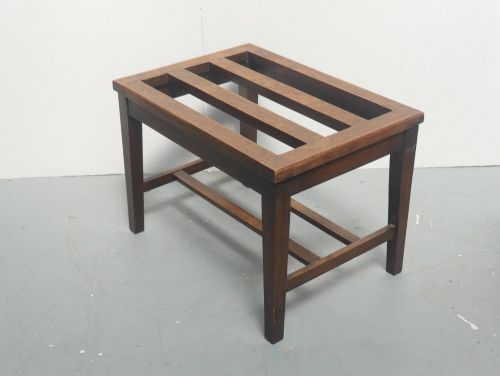
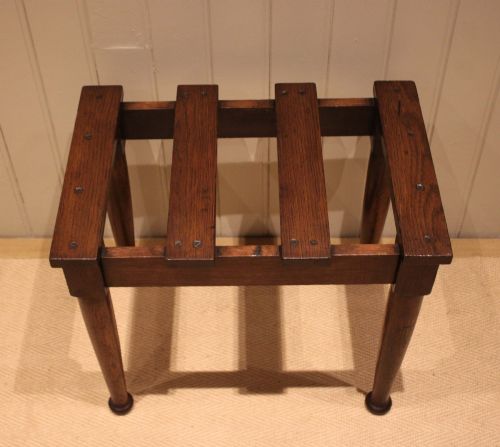
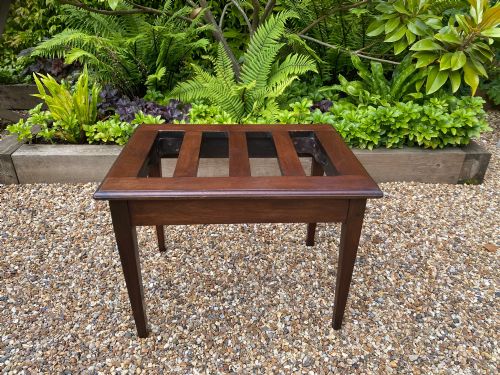
A vintage suitcase rack serves as a functional stand for luggage, traditionally placed at the foot of a bed in guest rooms or grand hotels. These items appear in various forms, including folding stands, fixed-height tables with slatted tops, and examples featuring a raised rear upstand to protect walls from scuffs.
The selection ranges widely across periods, encompassing robust Victorian models, Edwardian oak designs, and practical pieces from the early twentieth century. Buyers encounter robust utility pieces alongside refined hotel items and domestic country house furniture.
Makers utilised timber and metal to construct dependable luggage stands that endure daily use. Originating from diverse contexts, these items bring historical character and genuine utility to modern interiors.
What varies in quality
The standard of a vintage suitcase rack often depends on the choice of timber and the sophistication of its joinery. Superior examples utilise dense hardwoods like mahogany or quarter-sawn oak, displaying precise carpentry and thoughtful details such as raked rear supports.
Origin and provenance influence the desirability of a piece, with items sourced from notable establishments or documented makers commanding particular attention. The robustness of the frame and the integrity of the materials determine how well a stand has survived decades of practical service.
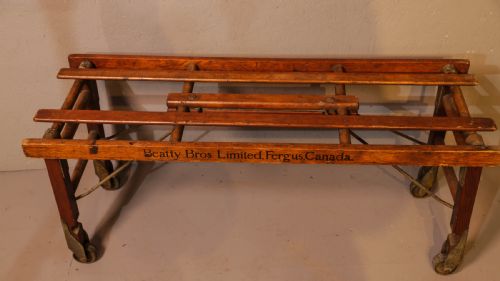
One surviving hotel rack carries the quiet dignity of decades spent holding heavy canvas trunks in West End corridors.
Beatty Bros Fergus Canada·Brown & Lamont·Waring & Gillow
The Vintage Suitcase Rack Glossary
- Upstand
- A vertical barrier at the rear of a luggage stand designed to prevent bags from marking the wall behind it. This feature appears frequently on country-house models.
- Slatted top
- A surface composed of parallel wooden lath strips allowing air circulation around stored luggage. This construction method keeps the overall weight manageable while maintaining structural strength.
- Hardwood
- Timber derived from broad-leaved trees, including oak, mahogany, walnut, beech, and ash. These materials provide the necessary density and strength for supporting heavy suitcases.
- Mortise and tenon
- A traditional woodworking joint where a projecting tongue fits snugly into a matching cavity. This method ensures lasting rigidity in furniture subject to heavy loads.
Vintage Suitcase Rack: Frequently Asked Questions
What is a vintage suitcase rack used for today?
These racks serve as practical stands for guest bedroom luggage, holding bags at a convenient height for unpacking. They also function as occasional tables or blanket holders in living spaces.
Their sturdy wooden and metal construction allows them to support significant weight while adding period character to a room.
How do I distinguish Victorian from Edwardian luggage racks?
Victorian examples often feature darker, dense timbers like mahogany and ash with substantial proportions. Edwardian pieces tend to utilise oak with lighter finishes and simpler decorative carving.
Examining the construction methods and hardware can also help indicate the approximate decade of manufacture.
Are these racks strong enough for modern suitcases?
Most pieces were built to support heavy nineteenth and twentieth-century travelling trunks, making them exceptionally durable. Solid hardwood frames and robust joinery ensure they handle contemporary luggage with ease.
Regular checks of the joints and structural components help maintain their load-bearing capacity.
Where were luggage stands originally placed?
They were traditionally positioned in guest bedrooms of large country houses or commercial hotel rooms. Their purpose was to keep heavy leather and canvas luggage off the floor and within easy reach.
Hotels often utilised durable folding or fixed stands that could withstand constant guest use.