

Vintage Study Table Walnut
A vintage study table walnut provides a sturdy workspace defined by rich timber and practical drawers.
Vintage Study Table Walnut
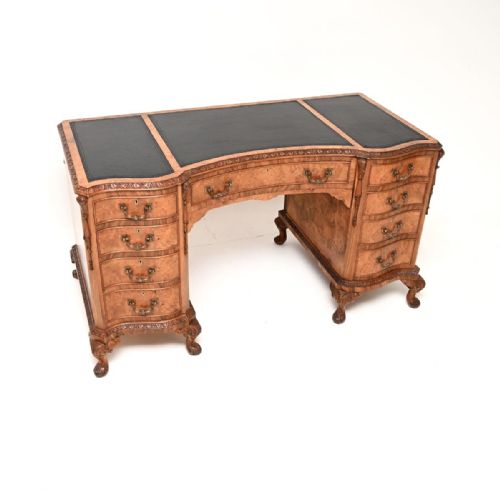
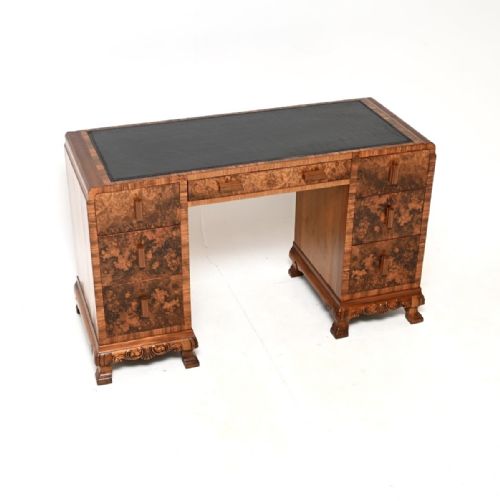
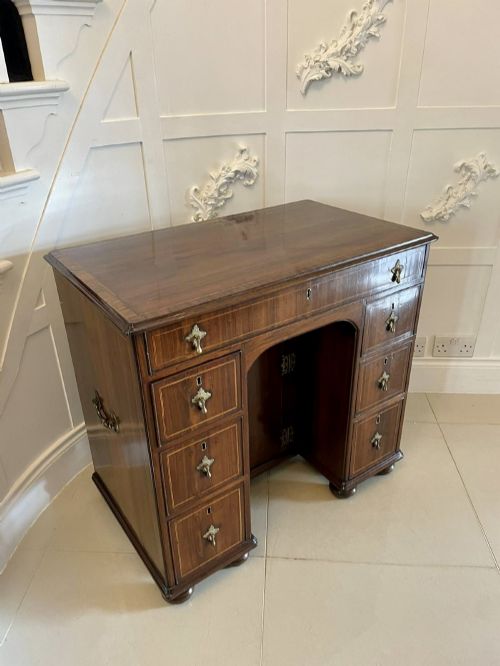
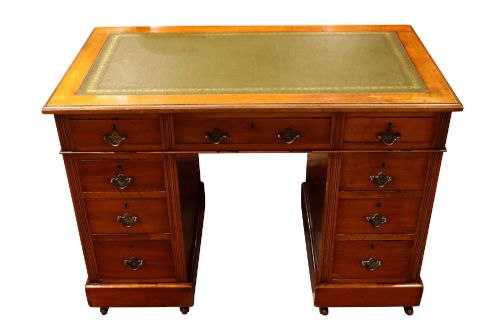
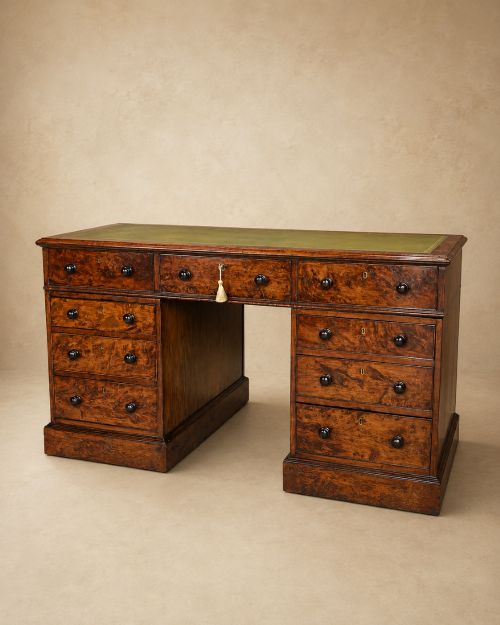
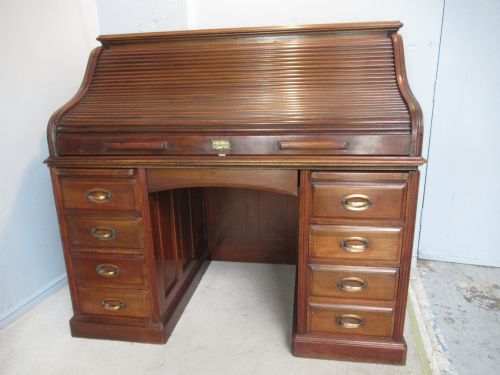
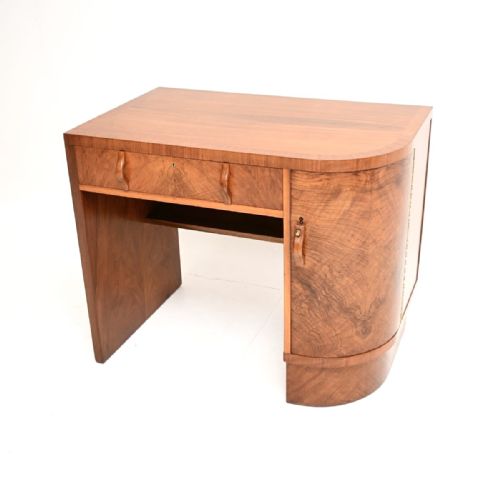
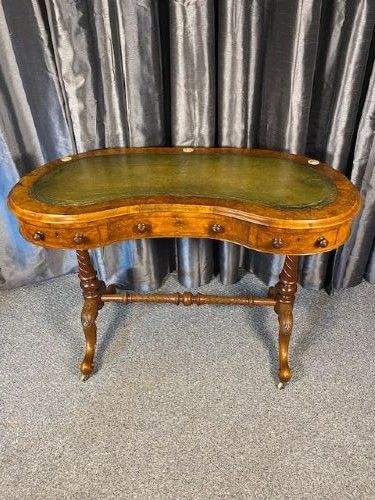
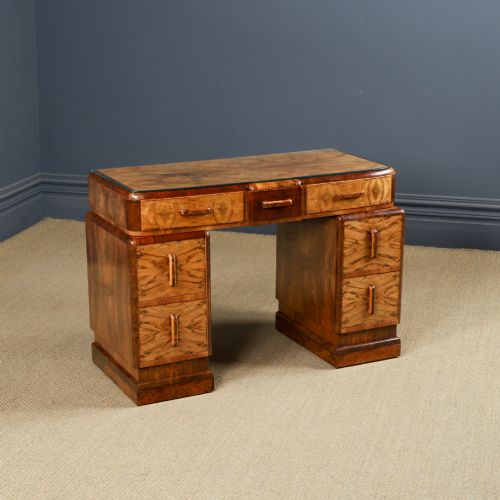
When searching for a vintage study table walnut, buyers encounter sturdy pedestal desks, writing tables, and kneehole forms designed for practical work. These pieces originate from various periods including the Victorian era, the Edwardian years, and the Art Deco movement.
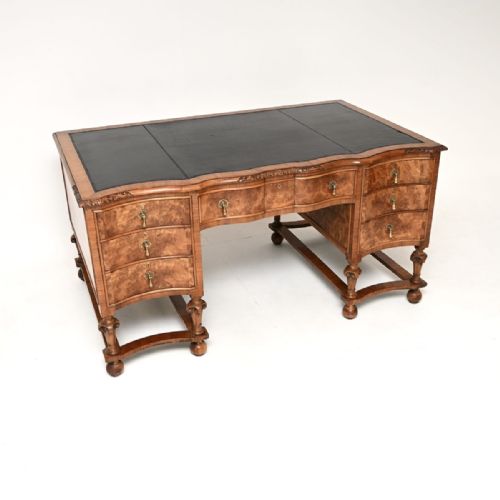
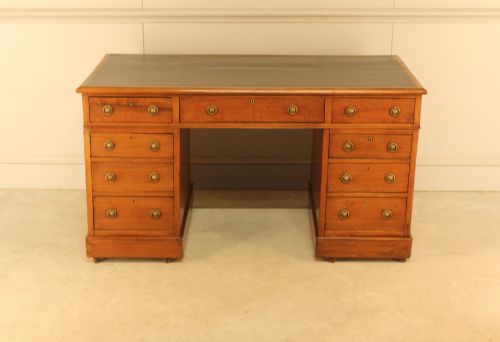
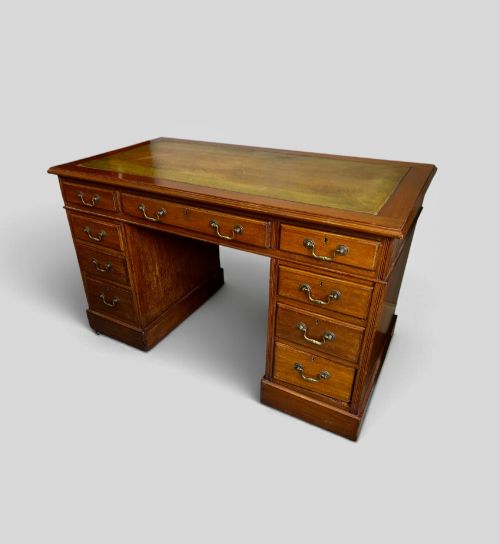
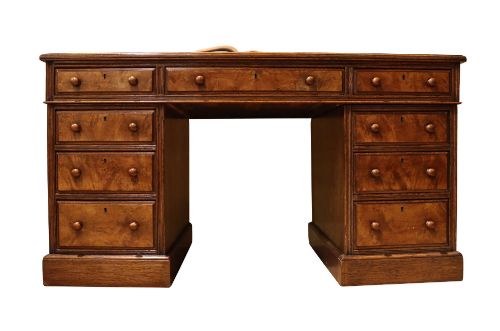
The most common version met on this page is the pedestal desk or writing table constructed from walnut and burr walnut, frequently fitted with a leather writing surface. These items serve as functional workspaces while displaying rich timber grain in domestic or office settings.
Originating from British and continental workshops, these desks range from compact nineteenth-century writing tables to large partners desks and twentieth-century Art Deco designs. Each form reflects the specific filing and writing needs of its original period.
Materials and construction methods
Construction relies heavily on solid walnut and burr walnut veneers selected for their swirling grain patterns, occasionally combined with secondary timbers like oak. Craftsmen applied these veneers to carcases of drawers and pedestals using traditional cabinet-making techniques.
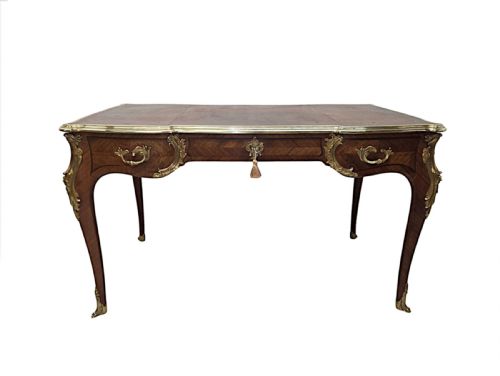
Writing surfaces frequently incorporate tooled leather inserts framed by timber borders, while decorative elements draw on brass hardware, ormolu mounts, and glass components. These materials combine to create durable writing furniture intended for daily study and administrative tasks.
One exceptional desk includes an integrated lamp built right into the timber and sycamore framework.
Factors separating quality ranges
Quality in these desks is dictated by the selection of timber figures, particularly the complexity and depth of the burr walnut veneer used across the top and drawer fronts. Superior examples exhibit matched grain patterns that flow seamlessly across multiple drawers.
Maker attribution and the refinement of internal drawer construction also separate standard pieces from the finest items. Desks produced by recognised firms display meticulous dovetailing, high-grade brass handles, and well-preserved leather inserts.
Maple and Co·Edwards and Roberts·Wylie and Lochhead Glasgow
The Vintage Study Table Walnut Glossary
- Burr walnut
- A specialised timber cut from the abnormal growth of a walnut tree, producing intricate, swirling grain patterns. It is prized by cabinet makers for decorative veneer work on drawer fronts and desk tops.
- Pedestal desk
- A freestanding desk comprising two supporting pedestals of drawers with a central section above the kneehole. This form offers substantial storage capacity and a large surface area.
- Partners desk
- A large double-sided desk designed for two people to work opposite one another, featuring drawers and cupboards on both elevations.
- Kneehole desk
- A compact desk with a central recess for the user's legs, flanked by banks of drawers on either side.
- Ormolu
- Gilded bronze ornamentation applied to furniture pieces, commonly found on French-influenced revival styles.
Vintage Study Table Walnut: Frequently Asked Questions
How do I maintain the leather top?
Keep the leather surface clean by dusting gently with a soft dry cloth and avoid placing hot cups or damp items directly on the hide. Applying occasional neutral leather balm preserves suppleness and prevents cracking over years of daily use.
Protect the surrounding walnut timber from prolonged direct sunlight and excessive moisture fluctuations to maintain the polish and prevent veneer separation.
Were these desks used for writing?
These pieces served primarily as functional writing surfaces for correspondence, bookkeeping, and study before the widespread adoption of modern office machinery. The integration of numerous drawers provided secure storage for stationery, ledgers, and personal documents.
Larger variations accommodated multiple users or legal professionals requiring expansive surface areas for heavy paperwork.
How do I distinguish Victorian from Edwardian pieces?
Victorian examples typically display heavier proportions, darker finishes, and robust architectural styling often associated with traditional pedestal and partners desks. They emphasise solid construction and functional storage capacity for nineteenth-century paperwork.
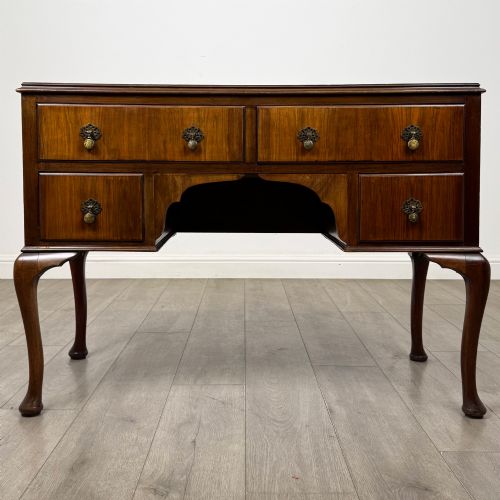
Edwardian designs tend to present lighter proportions, occasionally adopting revival aesthetics like Queen Anne styling with cabriole legs, reflecting a shift towards more refined domestic interiors.